
Lineman pliers are one of those tools that seem simple at first glance, yet their real value appears only when you use them in everyday electrical and construction work. If you’ve ever wondered why professionals always keep a pair handy, the answer lies in their versatility, power, and reliability.
For electricians, contractors, DIY fans, and even people just doing home repairs, understanding what lineman pliers are used for can make your projects safer, faster, and more precise.
Often called combination pliers or side-cutting pliers, these tools have a strong design and multiple functions. Their jaw shape, cutting edges, and solid grip make them unique among hand tools. But what exactly can you do with lineman pliers? In this article, you’ll get a deep look into their uses, features, techniques, and even maintenance tips. You’ll also discover some surprising ways lineman pliers go beyond the basics—details many beginners and even some experienced users miss.
Let’s unlock everything you need to know about lineman pliers, from the obvious to the overlooked.
What Are Lineman Pliers?
Lineman pliers are heavy-duty hand tools with flat gripping jaws and sharp cutting edges. They are designed for gripping, twisting, bending, and cutting wire and cable. You’ll spot them by their squared-off jaws and usually thick, insulated handles. They are a core tool for electricians but widely used in many trades.
Their name comes from their original use by “linemen”—the workers who build and maintain electrical power lines. Over time, their usefulness has brought them into many toolboxes outside the electrical trade.
Key features include:
- Flat, serrated jaws for gripping
- Cutting blades near the pivot
- Strong, forged steel construction
- Insulated or cushioned handles for comfort and safety
Lineman pliers range from 6 to 9 inches long, with 8-inch and 9-inch sizes being most common for professional work.
Main Uses Of Lineman Pliers
Lineman pliers are known for their versatility. Here’s a breakdown of their primary uses:
1. Gripping And Holding
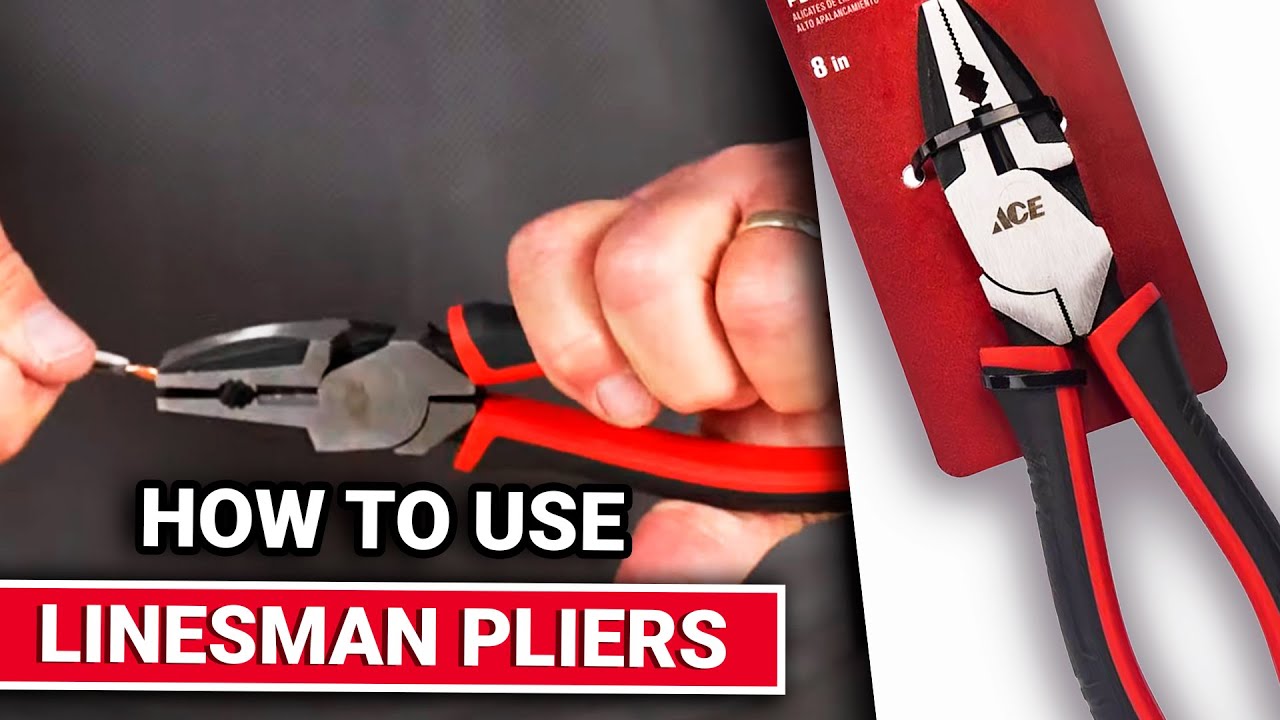
The flat, serrated jaws provide a powerful grip. Lineman pliers can hold onto wires, rods, pipes, or even small nuts and bolts. This firm grip is vital when you need to twist wires together, pull objects, or hold something steady while working.
Practical example: When installing outlets, electricians often need to loop a wire around a screw terminal. Lineman pliers make it easy to hold the wire securely without it slipping.
2. Cutting Wire And Cable
One of the main reasons professionals use lineman pliers is their ability to cut through electrical wires, nails, screws, and small bolts. The cutting edge near the pivot is strong enough for copper, aluminum, and sometimes even steel wire.
Non-obvious insight: The sharpness and alignment of the cutting edge matter. High-quality lineman pliers can cut wire cleanly with little effort, reducing hand fatigue.
3. Twisting Wires Together
Lineman pliers are perfect for twisting wires into tight bundles. This is essential when connecting electrical wires with wire nuts or making secure splices.
Practical example: In home wiring, you often need to twist two or more wires together before securing them with a connector. Lineman pliers make this much easier and safer than using your fingers alone.
4. Bending And Shaping Wire
With their strong jaws and leverage, lineman pliers can bend wire into precise shapes. This is useful for creating hooks, loops, or sharp bends needed for proper electrical connections.
Tip: For neat, professional-looking wire loops, use the tip of the pliers and rotate your wrist gently. This method gives more control than trying to bend wire by hand.
5. Pulling Fish Tape
Electricians often use “fish tape” to pull wires through walls and conduits. Lineman pliers are strong enough to grip and pull fish tape without slipping.
Safety note: Always grip fish tape firmly. If it slips, it can snap back and cause injury.
6. Crimping Small Connectors
While not a replacement for dedicated crimpers, lineman pliers can crimp small connectors in a pinch—especially older models with a built-in crimp slot near the handle.
Warning: For critical connections, always use the proper tool. But for quick fixes or temporary jobs, lineman pliers can do the trick.
7. Removing Nails And Staples
The strong jaws and leverage of lineman pliers help remove stubborn nails, staples, or other fasteners from wood and other surfaces.
Example: When dismantling old wiring or removing cable staples from a wall, lineman pliers give you the grip and force needed to pull them out cleanly.
8. Flattening And Straightening
If you have bent metal tabs, connectors, or wires, the flat jaws of lineman pliers can flatten or straighten them. This is useful for fixing bent electrical box tabs or making sure wires are neat before connecting.
Pro tip: Always check for damage before reusing a bent connector. Sometimes metal fatigue can make them unsafe.
9. Light Hammering Tasks
The back side of the jaws is often flat and strong enough for tapping in staples or small brads—especially in tight spaces where a hammer won’t fit.
Caution: Don’t use pliers as a hammer for heavy-duty tasks. This can damage the tool and void warranties.
10. Splicing And Cutting Cable Sheath
When working with non-metallic electrical cables (like Romex), lineman pliers can be used to slit the outer sheath and separate the wires inside.
Non-obvious insight: Some electricians use the nose of the pliers to start a cut, then pull the sheath apart, saving time and reducing the risk of cutting the inner wires.
How Lineman Pliers Are Different From Other Pliers
It’s easy to confuse lineman pliers with other types. Here’s a look at how they compare to other common pliers:
| Type | Main Use | Jaw Shape | Cutting Edge | Strength |
|---|---|---|---|---|
| Lineman Pliers | Gripping, cutting, twisting | Flat, wide, serrated | Yes, near pivot | Very strong |
| Needle-Nose Pliers | Precision gripping, bending | Long, narrow, pointed | Sometimes | Medium |
| Diagonal Cutters | Cutting only | Angled, short | Yes, at tip | Medium |
| Slip-Joint Pliers | General gripping | Adjustable, narrow | Sometimes | Medium |
Lineman pliers stand out for their balance of gripping power, cutting ability, and durability. They are the “workhorse” for tough jobs.
Parts Of Lineman Pliers
To get the best use from lineman pliers, it helps to know their parts and what each one does.
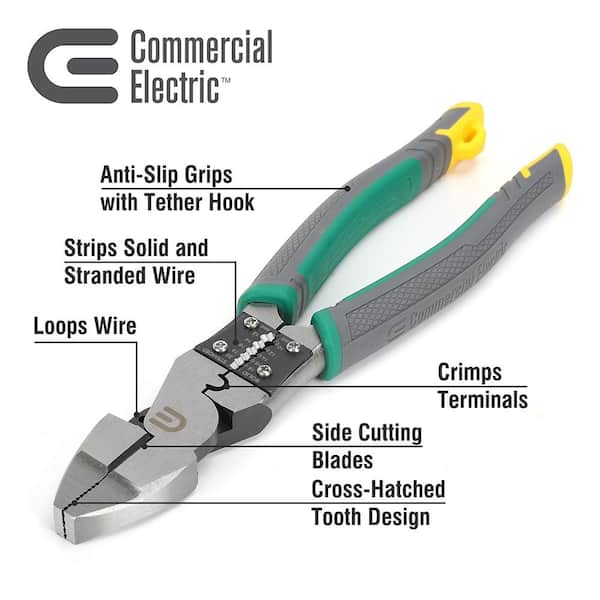
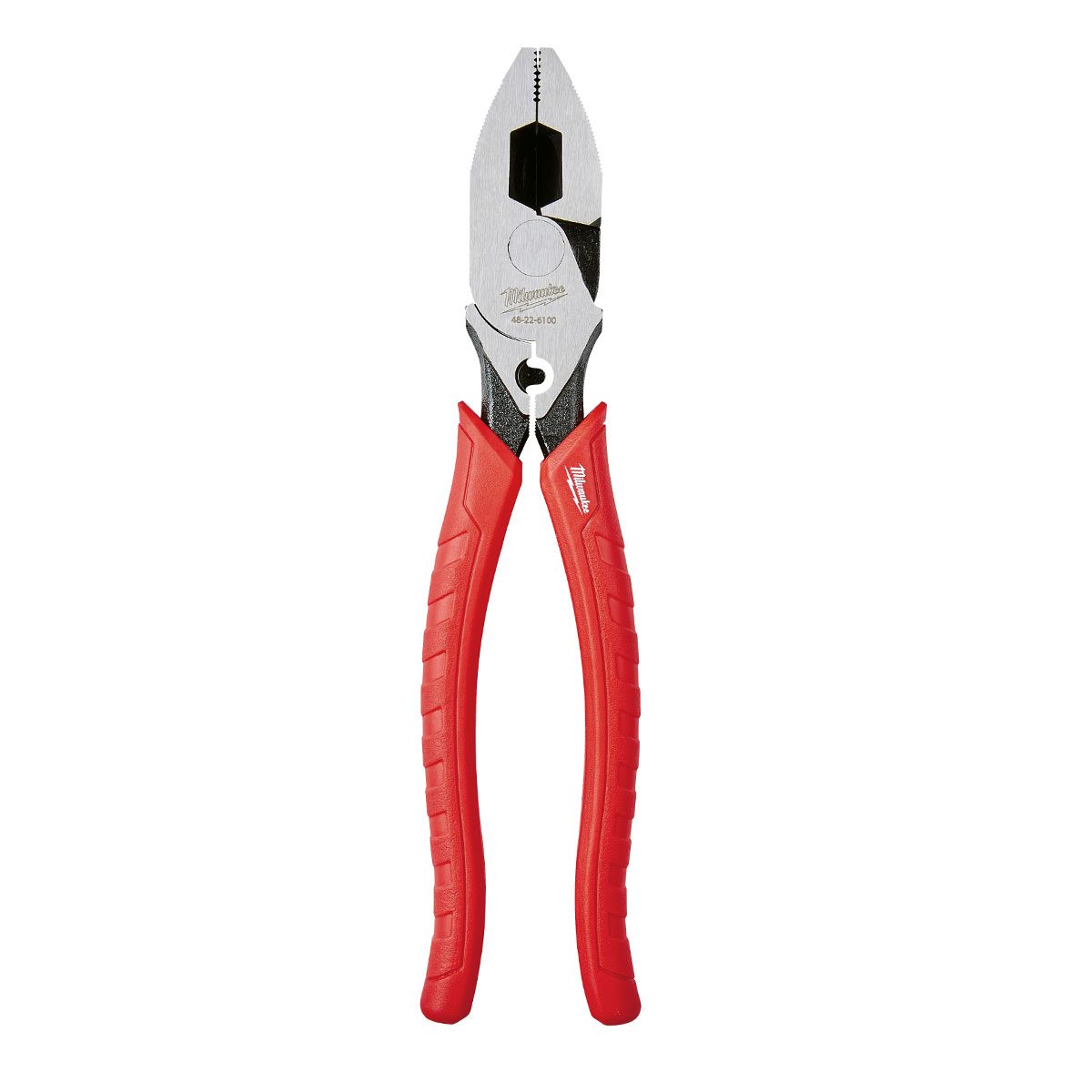
- Jaws: The broad, flat front section with serrations for gripping.
- Cutting edges: Sharp blades near the pivot for cutting wire.
- Pivot: The joint where the handles and jaws meet, providing leverage.
- Handles: Usually insulated or cushioned for safety and comfort.
- Crimping slot (sometimes): A small area for crimping connectors, found on some models.
Understanding these parts helps you use the tool correctly and safely.
Types Of Lineman Pliers
While the basic design is similar, you can find lineman pliers with different features:
Standard Lineman Pliers
These have straight jaws, strong cutting edges, and non-slip handles. They’re the most common for electrical work.
High-leverage Lineman Pliers
The pivot point is moved closer to the cutting edge, giving more cutting power with less effort. These are great for cutting thicker wire.
Insulated Lineman Pliers
These have special insulation rated for high voltage, protecting against electric shock. They are essential for professionals working on live circuits.
Multi-function Lineman Pliers
Some models add extra features, like wire strippers, crimpers, or bolt cutters. These can save space in your toolbox but may not be as strong as standard models.
Mini Or Compact Lineman Pliers
Smaller versions are useful for tight spaces or light-duty work. They fit easily in a pocket or tool pouch.
Essential Techniques For Using Lineman Pliers
Knowing the right technique makes your work easier, faster, and safer.
Gripping And Twisting
Hold the pliers firmly in your dominant hand. Grip the wire with the serrated jaws and twist using your wrist, not your arm. This gives more control and reduces fatigue.
Mistake to avoid: Twisting with your whole arm can over-stress the wire and your wrist.
Cutting Wire
Place the wire as deep into the cutting edge as possible. Squeeze the handles smoothly. For thick wire, use both hands if needed.
Example: Cutting 12-gauge copper house wire is easy with a quality pair. For steel wire, use high-leverage pliers.
Making Wire Loops
Grip the tip of the wire with the end of the jaws. Roll your wrist to create a smooth, even loop. This is important for connecting wires to screw terminals.
Mistake to avoid: Don’t use too much force or you’ll kink the wire.
Removing Staples Or Nails
Grip the staple or nail head with the jaws. Rock the pliers back and forth while pulling. If needed, use a scrap piece of wood under the pliers for extra leverage and to protect the surface.
Tip: Work slowly to avoid damaging the surrounding material.
Crimping
If your pliers have a crimp slot, place the connector in the slot, insert the wire, and squeeze. Double-check for a secure connection.
Warning: For critical connections, use dedicated crimpers.
Credit: www.homedepot.com
Safety Tips When Using Lineman Pliers
Using lineman pliers safely is essential, especially around electricity.
- Always check for live wires before cutting or twisting.
- Use insulated handles when working near voltage.
- Wear safety glasses to protect your eyes from flying wire ends.
- Keep the tool clean and dry to avoid slipping.
- Inspect for damage—cracks, chips, or loose pivots can cause accidents.
- Do not use as a hammer for heavy-duty tasks.
Non-obvious insight: Even insulated pliers lose their protection if the handles are cracked or dirty. Replace or clean them as needed.
Maintaining Lineman Pliers
A well-cared-for pair of lineman pliers can last for decades.
Cleaning
Wipe the pliers after each use. If they get sticky, use mild soap and water. Dry thoroughly.
Lubrication
Put a drop of light oil at the pivot to keep the movement smooth. Wipe off excess oil to prevent attracting dirt.
Sharpening
If the cutting edges get dull, use a fine file or sharpening stone. Always follow the original angle.
Storage
Keep pliers in a dry place. Store insulated pliers separately from metal tools to avoid cuts or damage to the insulation.
Pro tip: Never drop pliers onto hard surfaces. This can misalign the jaws or chip the cutting edge.
Lineman Pliers In Different Trades
While best known for electrical work, lineman pliers are valuable in many fields.
Electricians
They use lineman pliers for almost every wiring task—cutting, twisting, bending, and pulling wire.
Construction Workers
Lineman pliers handle rebar ties, cut nails, and remove staples during framing and finishing work.
Hvac Technicians
Heating, ventilation, and air conditioning work often involves cutting and shaping wire, as well as removing fasteners.
Telecommunications
Installers use them for network cables, pulling fish tape, and attaching connectors.
Automotive Work
In car repair, lineman pliers are handy for cutting wire, pulling cotter pins, and bending metal tabs.
Diy And Home Repairs
For general maintenance, these pliers can tackle almost any small job—fixing a fence, building shelves, or assembling furniture.
Non-obvious insight: Some lineman pliers are made with special coatings (like nickel or chrome) for better corrosion resistance in outdoor or wet environments.
Choosing The Right Lineman Pliers
Not all lineman pliers are the same. Here’s how to pick the best pair for your needs.
Size
Standard sizes are 8 or 9 inches. For most electrical work, 9-inch pliers offer the best leverage. For tight spaces or small hands, 6- or 7-inch models may be better.
Handle Comfort
Look for cushioned or ergonomic handles. If you work near electricity, make sure they are rated for high-voltage use.
Cutting Performance
Try the pliers on different wire types if possible. The best pliers cut cleanly and require little force.
Build Quality
Forged steel pliers last longer and hold their edge better than cheaper cast models.
Special Features
Some pliers have added features—wire strippers, crimpers, or bolt cutters. Decide if you need these, or prefer a simple, strong tool.
Brand And Warranty
Reputable brands like Klein, Channellock, or Knipex are known for quality. Check for a warranty, especially if you use them professionally.
Common Mistakes With Lineman Pliers
Even experienced users sometimes misuse lineman pliers. Here’s what to avoid:
- Using as a hammer for heavy nails. This can ruin the jaws and pivot.
- Cutting hardened wire or screws that are too thick. Use bolt cutters for heavy steel.
- Ignoring handle damage. Cracked insulation can be dangerous.
- Not cleaning or oiling the pivot. This makes them stiff and hard to use.
- Forcing pliers beyond their limit. If you need more power, use a bigger tool.
Non-obvious insight: Always check the alignment of the jaws. Misaligned jaws can slip and ruin your work.
Lineman Pliers: Real-world Examples
To understand the value of lineman pliers, let’s look at some real job site situations.
Example 1: Home Electrical Repairs
You need to replace a broken outlet. First, you use lineman pliers to cut the old wires. Then, you twist the new wires together and make neat loops for the screw terminals. Finally, you tighten the wire nuts and double-check the connections.
Lineman pliers handle every step.
Example 2: Building A Fence
You’re attaching wire mesh to posts. Lineman pliers cut the wire, bend hooks to fasten it, and pull out old staples left in the wood. Their strong grip and jaws make the job fast and easy.
Example 3: Car Stereo Installation
In an automotive shop, you need to connect new speaker wires. Lineman pliers cut the wires, twist them neatly, and crimp the connectors. The job is clean and reliable.
Non-obvious insight: Lineman pliers can also open paint cans, pry open stubborn lids, or help with other “off-label” tasks in a pinch.
Comparing Popular Lineman Pliers
Here’s a comparison of three top-rated models:
| Brand/Model | Size | Handle Type | Cutting Capacity | Special Features |
|---|---|---|---|---|
| Klein D213-9NE | 9 in | Comfort-Grip | Copper, Aluminum | High Leverage |
| Knipex 09 01 240 | 9.5 in | Multi-Component | Copper, Steel | Induction-Hardened Edges |
| Channellock 369 | 9.5 in | Blue Dipped | Copper, Soft Steel | Laser Heat-Treated Edges |
Each of these models is trusted by professionals for strength, reliability, and comfort.
History And Evolution Of Lineman Pliers
The basic design of lineman pliers dates back over a century. Early models were used by telegraph and electrical line workers. As electricity spread, the tool evolved for heavier wire, better grip, and cutting performance.
Modern lineman pliers use high-tech steel, ergonomic handles, and advanced manufacturing. Some even have “tether holes” for use on tall structures, preventing drops.
Non-obvious insight: Despite new materials and features, the basic shape and function have changed little—proof of a truly effective tool.
Lineman Pliers Vs. Wire Cutters: Which Should You Use?
Lineman pliers and wire cutters both cut wire, but they serve different purposes. Wire cutters, like diagonal pliers, are lighter and designed only for cutting. Lineman pliers are heavier, more versatile, and offer better grip and twisting ability.
| Feature | Lineman Pliers | Wire Cutters |
|---|---|---|
| Cutting Ability | Excellent (multi-wire) | Excellent (single wire) |
| Gripping/Twisting | Very strong | Weak/none |
| Durability | Very high | Medium |
| Best Use | Electrical, construction | Precision cutting |
If you can only buy one, lineman pliers are the more versatile choice.
Environmental Impact And Sustainability
Lineman pliers are made to last—many professionals keep the same pair for decades. This long lifespan makes them a more sustainable choice than disposable tools. High-quality steel can be recycled, and many manufacturers now use eco-friendly coatings.
Non-obvious insight: Some brands offer “repair kits” to replace worn parts, extending tool life and reducing waste.
Credit: www.youtube.com
Where To Buy And How Much To Pay
You can find lineman pliers at hardware stores, tool suppliers, and online. Prices range from $10 for basic models to $60 or more for top-quality, insulated, or multi-function pliers.
Tip: For most people, a good mid-range pair ($25–$40) offers the best value and durability.
External resource: For more about different types and history of pliers, check the Wikipedia entry on pliers.
Frequently Asked Questions
What Size Lineman Pliers Should I Buy?
For most home and professional work, 8- or 9-inch lineman pliers offer the best combination of leverage and control. If you have smaller hands or need to work in tight spaces, a 6- or 7-inch pair may be better.
Can Lineman Pliers Cut Steel Wire?
They can cut soft steel wire, but not hardened or thick steel. For very hard or thick steel, use dedicated bolt cutters or heavy-duty cutting tools.
Are All Lineman Pliers Insulated?
No. Only pliers marked as “insulated” are safe for live electrical work. Standard handles may be comfortable but do not protect against electric shock.
How Do I Maintain My Lineman Pliers?
Clean them after each use, oil the pivot regularly, keep the cutting edges sharp, and store them in a dry place. Replace if you see cracks or major wear.
Can I Use Lineman Pliers For Plumbing Or Automotive Work?
Yes, lineman pliers are versatile and can grip, bend, and cut many materials, making them useful in plumbing, automotive, and many other fields.
Lineman pliers have earned their place as one of the most trusted and versatile tools in any toolbox. From electrical wiring to construction, repairs, and creative projects, their unique design provides strength, precision, and flexibility. By understanding how to use, maintain, and choose the right lineman pliers, you’ll work smarter and safer on every project.
With the right pair, you’ll be ready for almost any challenge that comes your way.
Credit: www.familyhandyman.com