
If you have ever tried to drill a hole in a brick wall or concrete slab using a regular drill bit, you know the struggle. The bit spins, grinds, and barely scratches the surface. This is where masonry drill bits become essential. These tools are made for one job: making clean, precise holes in hard, brittle materials like brick, stone, and concrete. Whether you are mounting shelves, installing anchors, or running cables through walls, understanding what masonry drill bits are used for—and how to use them correctly—can save you time, effort, and even prevent damage to your tools or property.
Many people think all drill bits are the same, but masonry bits are unique. Their design, material, and working method make them the only choice for tough building materials. In this guide, you will learn exactly what masonry drill bits are used for, the types available, how to choose the right one, common mistakes beginners make, and practical tips to get the best results.
By the end, you will have a clear and confident understanding of masonry drill bits and their many uses.
What Are Masonry Drill Bits?
Masonry drill bits are specially designed tools for drilling into hard materials such as brick, concrete, stone, and mortar. Unlike wood or metal drill bits, masonry bits have a distinctive carbide tip. This tip is much harder than regular steel and can withstand the friction and heat that comes from drilling into tough surfaces.
Key Features Of Masonry Drill Bits
- Carbide tip: Provides durability and allows the bit to cut into hard surfaces without dulling quickly.
- Fluted shaft: Spiral grooves help remove dust and debris from the hole as you drill.
- Thicker core: The shaft is often thicker to prevent bending and snapping under pressure.
- Compatibility with hammer drills: Most masonry bits work best with a hammer drill, which adds a pounding motion for faster drilling.
These features make masonry drill bits the tool of choice for construction, renovation, and DIY tasks involving hard surfaces.
Main Uses Of Masonry Drill Bits
Masonry drill bits are versatile. Here are the most common and important uses:
- Drilling into Brick Walls
- Perfect for installing shelves, wall anchors, or hanging artwork.
- Helps create stable holes that don’t crack the surrounding brick.
- Drilling into Concrete
- Used for mounting heavy items, attaching frames, or setting up outdoor equipment.
- Essential for building foundations, patios, and driveways.
- Working with Stone
- Needed when installing garden features, stone countertops, or decorative pieces.
- Allows you to make holes without shattering the stone.
- Penetrating Mortar Joints
- Useful for running cables or pipes through walls.
- Often chosen over drilling directly into bricks to avoid damaging them.
- Tile and Ceramic Applications
- Some masonry bits (with special coatings) can drill through ceramic tiles for bathroom or kitchen installations.
- Installing Anchors and Plugs
- Used to prepare holes for plastic or metal wall plugs, which hold screws in place.
- Creating Holes for Electrical and Plumbing Work
- Electricians and plumbers rely on masonry bits to run wires and pipes through concrete or brick.
- Outdoor Projects
- Necessary for installing fencing, decking, or garden lights in stone or concrete bases.
- Renovation and Restoration
- Used to carefully remove or restore old masonry without damaging the structure.
- Securing Fixtures in Masonry
- Lights, cameras, railings, and signs are often fixed to masonry with holes made by these bits.
These are just some of the key uses. In reality, any job that involves drilling into a hard, stone-like surface will probably require a masonry drill bit.
Types Of Masonry Drill Bits
Not all masonry bits are the same. The right type depends on your project and material. Here are the most common types:
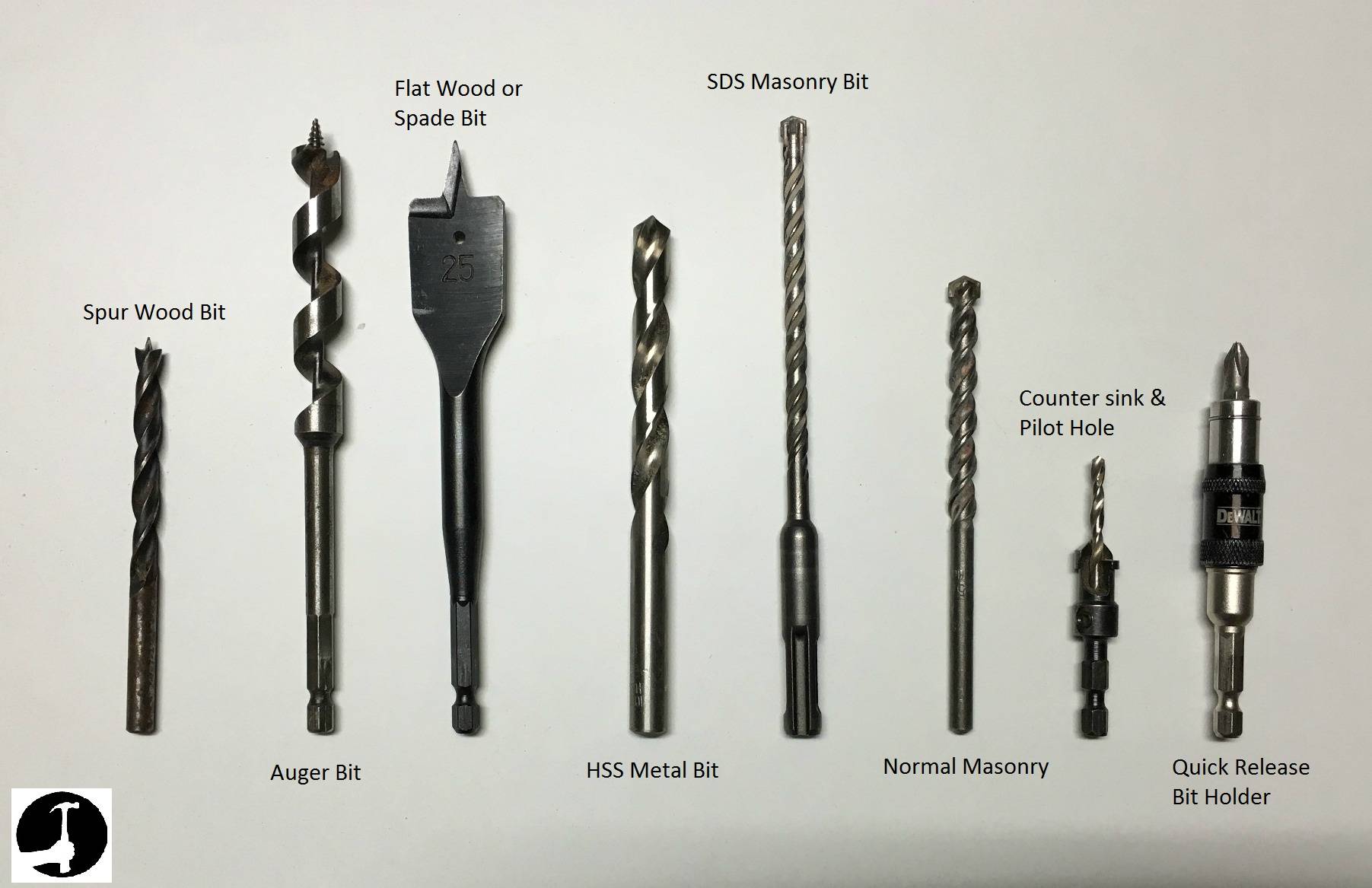
Standard Masonry Drill Bits
These are the most widely used. They have a carbide tip and a spiral steel shaft. Suitable for basic brick, block, and mortar jobs.
Sds (slotted Drive System) Bits
SDS bits are designed for rotary hammer drills. They have a unique shank that fits into the drill and allows both spinning and hammering action. SDS bits are perfect for heavy-duty concrete and stone work.
Tile And Glass Masonry Bits
These bits have a spear-shaped tip and are coated with tungsten carbide. They drill clean holes in tiles, ceramics, and sometimes glass.
Multi-material Bits
Some newer masonry bits are designed to drill through wood, metal, and masonry. These are good for jobs where materials change frequently, like renovation work.
Diamond-tipped Bits
For extremely hard materials, such as natural stone or reinforced concrete, diamond-tipped masonry bits are used. They are more expensive but last much longer and cut faster.
Comparison Of Masonry Drill Bit Types
Here is a quick comparison of the main types of masonry drill bits:
| Type | Best For | Durability | Typical Cost |
|---|---|---|---|
| Standard Masonry | Brick, block, mortar | Moderate | Low |
| SDS | Concrete, stone | High | Medium |
| Tile/Glass | Tile, ceramics, glass | Low | Medium |
| Multi-Material | Mixed surfaces | Moderate | Medium |
| Diamond-Tipped | Natural stone, reinforced concrete | Very high | High |
How To Choose The Right Masonry Drill Bit
Selecting the correct masonry drill bit is crucial for safety and efficiency. Here are some key factors to consider:
1. Material You Are Drilling
- For brick and mortar, standard masonry bits are enough.
- For concrete or natural stone, choose SDS or diamond-tipped bits.
- For tiles and ceramics, use bits designed for delicate materials.
2. Drill Compatibility
- SDS bits require a compatible rotary hammer drill.
- Regular hammer drills can use standard masonry bits.
- For tile and glass bits, a variable-speed drill is best.
3. Hole Size And Depth
- Check the diameter and length of the bit.
- For deep holes, use a longer bit to prevent overheating and bending.
4. Frequency Of Use
- For one-time jobs, cheaper bits may be fine.
- For frequent use, invest in high-quality carbide or diamond bits.
5. Budget
- Standard bits are affordable for most people.
- Specialized bits cost more but last longer and deliver better results.
Bit Selection Example
Imagine you need to install a heavy shelf on a concrete wall:
- Choose an SDS masonry bit if you have a rotary hammer drill.
- If not, a regular carbide-tipped bit with a standard hammer drill will work, but it may take longer.
How Masonry Drill Bits Work
Understanding the working principle can help you get better results and avoid mistakes.
Hammering And Rotating
Masonry drill bits cut by grinding and chipping away at the material. When used with a hammer drill, the bit not only spins but also moves back and forth rapidly. This hammering action breaks up hard surfaces, while the rotation clears away debris.
Heat And Friction
Drilling into masonry creates a lot of heat. The carbide tip resists softening, but it is still important to let the bit cool and clear dust regularly.
Removing Debris
The spiral shaft, or flute, helps remove crushed material from the hole. If debris builds up, drilling slows down and the bit can overheat.
Step-by-step Guide: Using A Masonry Drill Bit
Getting clean, accurate holes in masonry takes some skill. Follow these steps for best results:
- Mark the Spot
- Use a pencil or marker. For smooth surfaces, a piece of tape helps prevent the bit from slipping.
- Choose the Right Bit and Drill
- Select a carbide-tipped masonry bit for your material.
- Attach it securely to your drill. If you have an SDS bit, use the correct rotary hammer drill.
- Set the Drill to Hammer Mode
- If available, set your drill to hammer mode for faster and easier drilling.
- Start Slow
- Begin drilling at a low speed to avoid the bit wandering.
- Increase Speed and Pressure
- Once the bit is started, increase speed and apply steady, even pressure.
- Clear Dust Frequently
- Pull the bit out every few seconds to clear debris. This keeps the bit cool and the hole clean.
- Finish and Clean Up
- Once through, brush away dust and check the hole size.
Pro Tip: For Deep Holes, Stop Every 10–15 Seconds To Let The Bit Cool. This Extends The Life Of Your Bit And Prevents Burning.
Mistakes To Avoid When Using Masonry Drill Bits
Many beginners make errors that can damage both the bit and the work surface. Here are common pitfalls and how to avoid them:
1. Using The Wrong Drill Bit
Trying to use a wood or metal bit on masonry will only dull the bit and waste time. Always use a carbide-tipped masonry bit.
2. Skipping Hammer Mode
Without hammer action, drilling into masonry is slow and can overheat the bit. Use a hammer drill whenever possible.
3. Applying Too Much Pressure
Pushing too hard can snap the bit or crack the material. Let the drill and bit do the work.
4. Not Clearing Dust
Failing to pull out the bit to remove dust causes friction and slows progress.
5. Ignoring Cooling Breaks
Continuous drilling heats up the bit and ruins the tip. Take short breaks to cool down.
6. Drilling Too Close To Edges
Drilling near the edge of bricks or tiles can cause them to crack. Stay at least 1 inch (2. 5 cm) from edges.
7. Not Wearing Safety Gear
Always wear safety glasses and a dust mask. Flying chips and dust can injure your eyes and lungs.
Practical Tips For Better Results
Small adjustments in your technique can make a big difference:
- Use masking tape: Place tape where you want to drill to prevent slipping, especially on smooth tiles.
- Start with a small pilot hole: For large holes, begin with a small bit and work up to the final size.
- Keep bits sharp: Dull bits make ugly holes and overheat quickly.
- Avoid water unless recommended: Some bits and drills are not designed for wet drilling.
- Use depth stops: Many drills have a depth gauge to help drill to the correct depth for plugs or anchors.
- Secure your work area: If drilling on a wall, make sure nothing on the other side will be damaged.
- Hold the drill steady: Wobbling produces uneven holes and can break the bit.
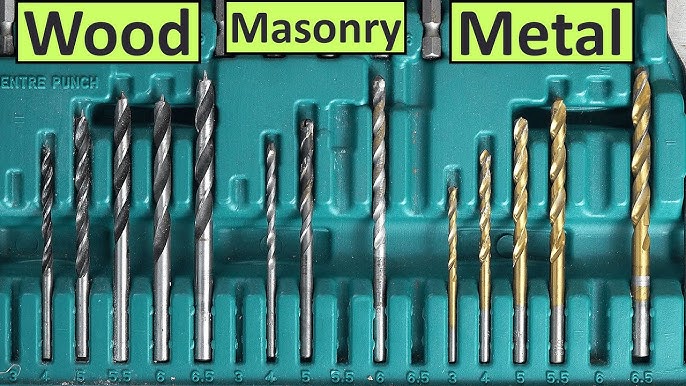
Credit: www.youtube.com
Comparing Masonry Drill Bits With Other Drill Bits
It helps to see how masonry drill bits differ from other common types:
| Bit Type | Material | Best For | Tip Material |
|---|---|---|---|
| Masonry | Brick, concrete, stone | Masonry surfaces | Carbide or diamond |
| Wood | Wood | Timber, plywood | High-speed steel |
| Metal | Steel, aluminum | Sheet metal, pipes | Cobalt or high-speed steel |
| Tile/Glass | Tile, glass | Ceramics, glass | Tungsten carbide |
As you can see, using the right drill bit for each material is essential for safe, clean, and efficient drilling.
Real-world Examples Of Masonry Drill Bit Uses
To make this information practical, here are three common situations where masonry drill bits are necessary:
Example 1: Mounting A Tv On A Brick Wall
You need to drill four holes in a brick wall to install a heavy TV bracket. A carbide-tipped masonry bit with a hammer drill makes the job quick and prevents the brick from cracking. You finish in minutes, and the bracket is secure.
Example 2: Installing Outdoor Lighting On Concrete
For garden lights, you must drill holes in a concrete path. Using an SDS bit with a rotary hammer drill, you create clean holes for the anchors. The lights are firmly fixed and safe from wind or rain.
Example 3: Running Electrical Wires Through Stone
An electrician needs to pass wires through a stone wall. A diamond-tipped masonry bit makes a precise hole without shattering the stone, protecting both the wiring and the wall.
Maintenance And Storage Of Masonry Drill Bits
Proper care extends the life of your bits and ensures safe use.
Cleaning
After each use, wipe down the bit with a dry cloth. Remove dust and debris from the flutes.
Inspection
Check the carbide tip for chips or dullness. If damaged, replace the bit. Dull bits can overheat and cause accidents.
Storage
Store bits in a dry, organized case. Moisture can cause rust on the steel parts, even though the tip is resistant.
Sharpening
Some masonry bits can be sharpened with a diamond file, but many are designed to be replaced when dull. If you drill often, investing in a sharpening tool can save money.
Lubrication
Usually, masonry drilling is done dry. However, for deep or long drilling sessions in concrete, a small amount of water can help keep the bit cool. Always check the manufacturer’s recommendations.
Safety Considerations When Using Masonry Drill Bits
Safety is often overlooked, but it’s crucial for every drilling task:
- Wear eye protection: Masonry dust and chips can cause serious eye injuries.
- Use a dust mask: Fine dust, especially from concrete, is harmful to your lungs.
- Secure loose clothing: Avoid anything that could get caught in the drill.
- Check for wires and pipes: Before drilling into walls, use a detector to avoid hitting electrical cables or plumbing.
- Keep a firm grip: Powerful drills can twist or kick back if the bit jams.

Credit: www.wallybois.com
When To Replace Your Masonry Drill Bits
Even the best masonry drill bit will wear out. Replace your bit if:
- The carbide tip is chipped, cracked, or blunt.
- Drilling takes much longer than before.
- The bit wobbles or vibrates excessively.
- You see blue discoloration, which means overheating.
Using a worn-out bit risks damaging your drill and work surface.
Environmental Impact And Recycling
Masonry drill bits are made from steel and carbide. When they wear out, don’t throw them in the trash. Many communities accept metal drill bits for recycling. Check with your local recycling center.
Some manufacturers offer recycling programs for used bits. This helps reduce waste and saves energy compared to making new steel.
Advanced Uses Of Masonry Drill Bits
Beyond simple holes, experienced users employ masonry bits for:
- Core drilling: Creating large holes for pipes or ducts, often using diamond core bits.
- Anchoring heavy machinery: Industrial projects require strong, deep holes in reinforced concrete.
- Restoration work: Carefully drilling to insert reinforcement rods in historic buildings.
These tasks often require specialized bits and advanced drills.
Innovation In Masonry Drill Bits
The world of masonry drilling is always evolving:
- Self-centering tips: Reduce wandering on hard surfaces.
- Dust extraction flutes: Help remove dust directly from the hole for cleaner, safer work.
- Multi-material coatings: Allow bits to switch between different surfaces with less wear.
For more on modern drill bit technology, see the Wikipedia page on drill bits.
Credit: www.carpentry-tips-and-tricks.com
Frequently Asked Questions
What Is The Main Advantage Of Using A Masonry Drill Bit?
The main advantage is the carbide tip, which allows the bit to cut into hard materials like brick and concrete without dulling quickly. This makes drilling faster, cleaner, and safer.
Can I Use A Masonry Drill Bit On Wood Or Metal?
Technically, you can, but it’s not recommended. Masonry bits are less precise on wood or metal and may cause splintering or rough holes. Always use the right bit for each material.
Do I Need A Special Drill For Masonry Bits?
For best results, use a hammer drill or rotary hammer with masonry bits. Regular drills can work for soft brick, but hammer action is needed for concrete or stone.
How Can I Tell If My Masonry Bit Is Worn Out?
If the bit struggles to cut, drills slowly, or has a dull or chipped tip, it’s time to replace it. Also, if you see blue marks, the bit is overheating and losing hardness.
Are Masonry Drill Bits Expensive?
Standard masonry bits are affordable. SDS and diamond-tipped bits cost more but last much longer and are worth the investment for frequent or tough jobs.
Drilling into brick, concrete, and stone can be challenging, but with the right masonry drill bit, the job becomes manageable and safe. Whether you are a homeowner, a professional, or a DIY enthusiast, knowing what masonry drill bits are used for, how to choose them, and how to use them properly can save you hours of frustration and deliver lasting results.
Remember, using the right tool is the first step to a successful project.