
Step drill bits are not the most famous tools in the hardware store, but they are some of the most useful for both professionals and DIY enthusiasts. These unique bits can do jobs that standard drill bits cannot. If you have ever needed to make clean, perfectly sized holes in thin materials, you may have struggled with splitting, tearing, or rough edges.
Step drill bits solve these problems and offer much more. In this article, you will learn exactly what step drill bits are used for, how they compare to other bits, and why they might become your go-to solution for many tasks.
What Are Step Drill Bits?
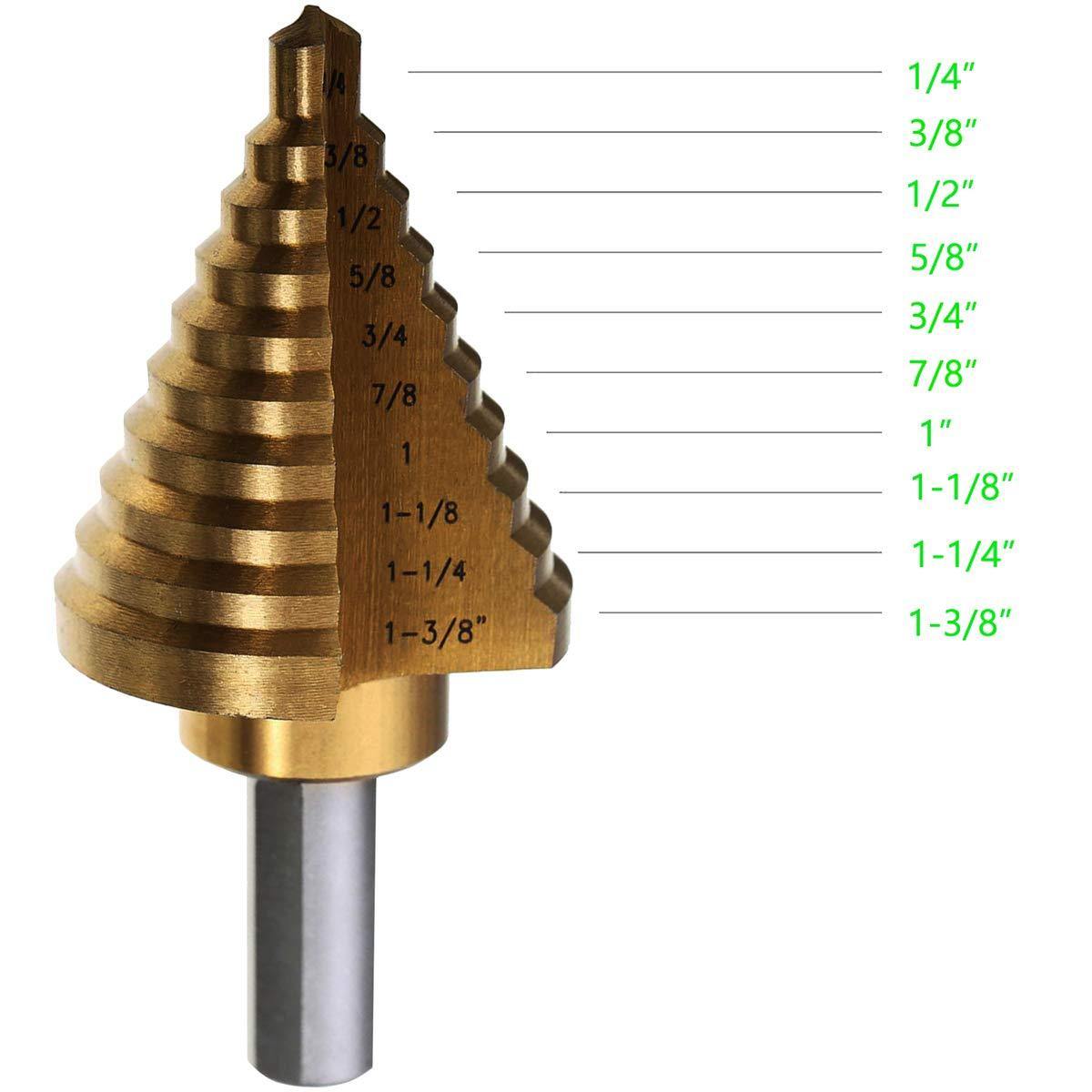
A step drill bit is a conical-shaped bit with a series of stepped diameters. Each “step” increases in size, usually by 1mm or 1/8 inch, depending on the bit. As you drill, the bit cuts a small hole first, then makes it bigger as you push further. Unlike a regular twist bit that only drills one size, a step drill bit can make multiple sizes with one tool.
Most step bits are made from high-speed steel (HSS) or are coated with titanium for better durability. Their spiral groove helps remove chips and reduce heat. You will often see them used with sheet metal, plastic, or thin wood.
Key Uses Of Step Drill Bits
Step drill bits are designed for specific tasks and materials. Understanding where they work best helps you get the most from your tools.
1. Drilling Holes In Sheet Metal
One of the main uses for step drill bits is creating holes in thin sheet metal. This includes:
- Electrical boxes
- Car panels
- HVAC ducts
- Metal siding
Standard twist bits often catch or rip thin metal, leaving messy holes. Step drill bits create clean, round holes without tearing the material. Their stepped design reduces the risk of the bit grabbing or “walking” across the surface.
2. Enlarging Existing Holes
Sometimes, you need to make a hole just a bit bigger. Instead of switching to a larger twist bit, a step drill bit lets you enlarge holes gradually. This is especially important when installing hardware like switches, cable glands, or pipe fittings. You can stop at the exact size needed by watching the steps.
3. Deburring And Cleaning Up Holes
After drilling, some materials have sharp edges or burrs. The largest step on a step drill bit can be used to deburr (remove sharp edges) and clean up holes. This makes the finished product safer and more professional looking.
4. Drilling In Plastic And Acrylic
Plastics and acrylic sheets can crack or split with regular bits, especially near the edge. Step drill bits cut smooth holes with less pressure, reducing the risk of cracks. This is useful for making enclosures, light fixtures, or signage.
5. Electrical And Plumbing Work
Electricians and plumbers often use step drill bits to make holes for:
- Running conduit through panels
- Mounting boxes and outlets
- Installing knockout holes in junction boxes
A single bit can replace a set of hole saws or different sized bits, saving time and space in the toolbox.
6. Thin Wood And Laminates
While not suitable for thick wood, step drill bits work well for thin plywood, MDF, and laminates. They make clean holes for cabinet hardware, hinges, or cable pass-throughs.
7. Diy And Home Projects
For the hobbyist, step drill bits are perfect for projects like:
- Building speaker boxes
- Making custom switch panels
- Modifying appliances or electronics
Their ability to cut many hole sizes with one tool makes them a smart choice for the home workshop.
Step Drill Bit Anatomy: How Do They Work?
Step drill bits have a unique shape, which gives them special advantages. Each “step” acts like a mini drill bit, increasing the diameter as you drill deeper.
- Tip: The pointed tip starts the hole easily, often without a pilot hole.
- Steps: Each step is clearly marked with a size, so you know exactly how big the hole will be.
- Spiral Flute: Helps remove chips and reduces heat.
- Shank: Usually round or hex-shaped, fitting most drills.
Because the bit cuts a small hole first, then gradually enlarges it, you get less vibration and more control. This design also means you do not need to change bits for different sizes.
Step Drill Bits Vs. Other Drill Bits
How do step drill bits compare to other common types? Here is a look at the main differences.
| Feature | Step Drill Bit | Twist Bit | Hole Saw |
|---|---|---|---|
| Material Suitability | Thin metal, plastic, wood | Metal, wood, plastic (all thicknesses) | Wood, metal, plastic (thicker) |
| Hole Sizes per Bit | Multiple | One | One (per saw) |
| Edge Quality | Very clean | Can tear thin material | May require cleanup |
| Best For | Thin sheets, enlarging holes | General drilling | Large holes in thicker material |
Most people find step drill bits are not a replacement for all drilling needs. They are best for specific jobs, especially in thin materials.

Credit: www.handmadeweekly.com
Common Sizes And Types Of Step Drill Bits
There are many step drill bits on the market. They come in different sizes, step increments, and coatings.
Standard Sizes
A typical step drill bit might have steps like:
- 4mm, 6mm, 8mm, 10mm, 12mm
- 1/8″, 3/16″, 1/4″, 5/16″, 3/8″, 1/2″
Some bits have up to 15 or more steps. The maximum hole size is usually between 20mm (3/4″) and 35mm (1-3/8″).
Single-flute Vs. Multi-flute
- Single-flute: Faster drilling, less heat, easier to control
- Multi-flute: Smoother finish, can handle tougher materials
Coatings
- Titanium nitride (TiN): Increases lifespan, reduces heat
- Cobalt: Handles stainless steel and other hard metals
- Black oxide: Basic protection against rust
Choosing the right type depends on the materials you plan to drill.
How To Use A Step Drill Bit: Step-by-step Guide
Using a step drill bit is not complicated, but a few tips will help you get perfect results.
1. Mark The Hole Location
Use a center punch to make a small dent where you want to start drilling. This keeps the bit from slipping.
2. Secure The Material
Clamp the workpiece to a bench or secure it in a vice. Loose material can spin or jump, which is dangerous and ruins accuracy.
3. Choose The Right Drill Speed
- For metal: Use slow to medium speed
- For plastic or wood: Use medium to high speed
Check your drill’s speed chart if you are unsure.
4. Start Drilling
Place the tip of the bit in the center-punched mark. Squeeze the trigger gently to start. Let the bit do the work—do not push too hard.
5. Watch The Steps
Stop drilling when you reach the correct step. Most bits have the size etched on each step. If needed, stop and check your progress.
6. Deburr The Hole
After drilling, use the largest step to gently spin in the hole. This removes sharp edges.
Practical Example
Suppose you need a 1/2″ hole for a cable gland in a metal panel. Instead of using a 1/2″ twist bit (which might catch or tear the metal), you use a step drill bit. Start at the smallest step and drill deeper until you reach the 1/2″ mark.
The hole will be perfectly round, with no sharp edges.
Credit: www.knoweasytool.com
Advantages Of Step Drill Bits
Why choose a step drill bit over a regular bit or hole saw? Here are the main benefits:
- Multiple Sizes in One Tool: A single bit can replace a whole set of twist bits for thin materials.
- Clean Holes: Especially in sheet metal or plastic, you get smooth, professional results.
- Less Risk of Snagging: Twist bits can grab and spin thin metal. Step bits reduce this risk.
- Easy to Control: Gradual cutting action means less vibration and better accuracy.
- Deburring Action: The last step can clean up holes, saving time.
- No Pilot Hole Needed: The tip often starts cleanly without a pilot.
- Compact: Carrying one step bit saves space and weight in your tool bag.
Disadvantages And Limitations
Step drill bits are not perfect for every job. Here are their main drawbacks:
- Not for Thick Materials: Most step bits can only handle materials up to 1/8″ (3mm) thick. In thicker materials, they struggle or overheat.
- Limited Maximum Size: The largest step determines the biggest hole you can make.
- Not for Deep Holes: The stepped design means you cannot drill deep into material.
- Wear Over Time: Drilling hard metals without proper lubricant can dull the bit quickly.
- Less Effective on Wood: For deep or large holes in wood, spade bits or hole saws are better.

Credit: www.servicecore.com
Industries And Trades That Rely On Step Drill Bits
Step drill bits are popular in many fields because they solve real problems for workers. Here are some examples:
Electrical
- Making knockouts in panels
- Installing conduit entries
- Fitting switches and outlets
Automotive
- Drilling into car body panels
- Mounting electrical accessories
- Running wires through firewalls
Hvac
- Cutting holes in ductwork for sensors or vents
- Installing connectors in sheet metal
Plumbing
- Enlarging holes for pipes
- Fitting taps or valves in thin metal or plastic
Manufacturing
- Prototyping
- Building control panels
- Customizing enclosures
Hobbyists, makers, and even jewelers sometimes use step bits for delicate work in soft metals and plastics.
Tips For Getting The Best Results
Even experienced users sometimes miss important points when working with step drill bits. Here are two insights that can make a big difference:
- Use Cutting Oil on Metal: A few drops of oil reduce heat, improve cutting, and extend bit life. This is especially important for stainless steel or aluminum.
- Back Up Thin Materials: Place a piece of scrap wood behind thin metal or plastic. This prevents bending and helps the bit cut smoothly through the last step.
Other useful tips:
- Clean the bit after use to remove chips and prevent rust.
- If drilling a large hole, do not force the bit—let each step cut fully before moving to the next.
- If you need a perfectly round hole for a tight fit, spin the bit slowly as you finish.
Common Mistakes To Avoid
Beginners often make these mistakes when using step drill bits:
- Drilling Too Fast: High speed causes heat, dulls the bit, and can melt plastic.
- Forcing the Bit: Pushing hard can snap the bit or damage the material.
- Not Marking the Hole: Without a center punch, the bit can wander and make an uneven hole.
- Skipping Steps: Trying to jump to a larger size without letting each step cut can ruin the hole.
Taking your time and following the right technique gives the best results.
Caring For Your Step Drill Bits
A well-maintained step drill bit can last for years. Here’s how to keep yours in top shape:
- Wipe clean after use: Remove chips and oil.
- Store in a dry place: Prevents rust.
- Sharpen when dull: Some bits can be resharpened with a fine file or sharpening stone. Others are best replaced.
- Use the right speed: Too fast wears the edge quickly.
Check for chips or cracks before each use, especially if you drill hard materials.
Step Drill Bit Buying Guide
Choosing the right step drill bit depends on your needs. Here’s what to look for:
Material
- High-speed steel (HSS): Good for most jobs.
- Cobalt: Best for tough metals.
- Titanium-coated: Longer life and less friction.
Size Range
Pick a bit that covers the hole sizes you use most often. If you often drill 1/4″ to 1/2″, get a bit with steps in that range.
Step Increments
Smaller increments (1mm or 1/16″) give more control and smoother holes, especially for delicate work.
Shank Type
- Round: Fits most drills.
- Hex: Won’t slip in quick-change chucks.
Brand And Price
Quality matters. Cheap bits may dull quickly or break. Look for reputable brands with good reviews. Spending a little more often saves money in the long run.
When Not To Use A Step Drill Bit
Step drill bits are not ideal for every situation. Avoid them if:
- You need to drill deep holes (use a twist or spade bit instead)
- The material is thicker than 1/8″ (3mm)
- You are drilling very hard metals without proper lubricant
- You want a perfectly flat-bottomed hole
In these cases, choose another type of bit for better results.
Real-world Examples
Here are a few situations where step drill bits shine:
- Retrofit Electrical Panel: An electrician needs to add a new cable gland to an existing panel. Instead of a punch, the step bit drills the perfect size in seconds.
- Custom Car Dash: An automotive hobbyist wants to add gauges and switches. The step bit creates several sizes of holes in thin aluminum with no burrs.
- DIY Speaker Build: A maker needs holes for speaker terminals and ports in thin MDF. One step bit finishes the job with clean results.
These examples show why step drill bits are so valuable: they save time, reduce the need for many tools, and give professional results.
Step Drill Bit Faq: Answers To Common Questions
Every tool raises questions, especially for those new to the job. Here’s what most people ask.
Frequently Asked Questions
What Materials Can I Use Step Drill Bits On?
Step drill bits work best on thin metals (such as steel, aluminum, and brass), plastics, acrylics, and thin wood or laminates. They are not suitable for thick steel or hardwoods. If you are unsure, check the bit’s packaging or the manufacturer’s website for guidance.
How Thick Of A Material Can I Drill With A Step Drill Bit?
Most step drill bits are designed for materials up to 1/8 inch (3mm) thick. Some heavy-duty bits can handle up to 1/4 inch, but drilling will be slower and harder on the bit. Always check the recommended maximum thickness for your specific bit.
Can I Use Step Drill Bits With A Cordless Drill?
Yes, step drill bits work well with both corded and cordless drills. Use a drill with enough torque, and run at the recommended speed for your material. For larger holes or tougher metals, a more powerful drill gives better results.
How Do I Sharpen A Step Drill Bit?
Some step drill bits can be resharpened using a fine file or specialized sharpening tool. Focus on the cutting edge of each step, not the side. If you are not confident, it may be easier and safer to buy a new bit, especially if the bit was inexpensive.
Where Can I Learn More About Step Drill Bit Safety And Advanced Techniques?
For deeper information, you can visit the Wikipedia page on step drill bits, which covers technical details, safety, and advanced uses.
Final Thoughts
Step drill bits may not look like much at first, but they are a game-changer for anyone working with thin materials. Their ability to create multiple hole sizes, deliver clean edges, and reduce the need for many tools is a huge advantage.
With the right technique and care, a good step drill bit will serve you well for years.
Whether you are an electrician, plumber, auto enthusiast, or DIY builder, step drill bits deserve a spot in your toolbox. Try one on your next project—you might wonder how you ever worked without it.