
When you need to drill through tough materials like hardened steel, concrete, or ceramic, not just any drill bit will do the job. The right drill bit can make your work faster, smoother, and safer. But with so many types available, how do you know which are truly the strongest drill bits?
This guide will walk you through the science behind drill bit strength, compare the top options on the market, and help you choose the best bit for your needs. Whether you are a professional, a serious DIYer, or just want to avoid broken bits, you’ll find clear answers here.
What Makes A Drill Bit Strong?
Not all drill bits are created equal. Strength in drill bits means the ability to resist breaking, bending, or dulling quickly, especially when drilling hard materials. Several factors decide how strong a drill bit is:
- Material: The main ingredient in the bit’s construction.
- Coating: Special layers that increase toughness and reduce friction.
- Design: The shape and angle of the cutting edges.
Let’s look at each in more detail.
Material
The material is the foundation of drill bit strength. The most common materials, in order of strength, are:
- High-Speed Steel (HSS): Good for wood, plastics, and soft metals. Not ideal for very hard metals.
- Cobalt Steel Alloys: Harder than HSS, withstands higher heat, good for stainless steel.
- Carbide: Extremely hard, keeps a sharp edge, but can be brittle.
- Diamond-Tipped: Used for drilling ceramics, glass, and stone. The diamond grit is much harder than steel or carbide.
Coating
A coating can make a big difference, especially for heat resistance and wear. Some common coatings:
- Black Oxide: Reduces friction and adds corrosion resistance. Basic level.
- Titanium Nitride (TiN): Golden color, increases surface hardness and lets the bit last longer.
- Cobalt Coating: Sometimes confused with cobalt steel. Pure cobalt coating is rare, but some bits have a cobalt-rich outer layer.
- Carbide or Diamond Coating: For maximum hardness and wear resistance.
Design Features
- Tip Angle: 118° and 135° are common. A 135° split-point tip resists walking and starts holes faster in hard materials.
- Flute Design: Affects how chips are removed. Deep, spiral flutes are better for fast drilling in wood, while straight or short flutes are better for hard metals.
The Strongest Drill Bit Materials Explained
Understanding the materials used in the toughest drill bits is key before choosing a set. Here’s what sets each apart:
High-speed Steel (hss)
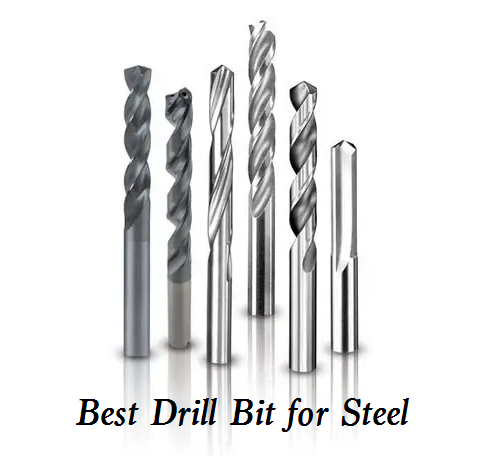
HSS is the workhorse for most drilling jobs. It’s affordable and resists heat better than plain carbon steel. HSS bits are great for drilling wood, plastic, and soft metals like aluminum. But when you try to drill stainless steel or other hard metals, HSS will wear out quickly.
Cobalt Steel Alloys
Cobalt drill bits are actually HSS with 5-8% cobalt added. The most common grades are M35 (5% cobalt) and M42 (8% cobalt). The cobalt makes these bits harder and more heat-resistant. This means you can drill stainless steel, cast iron, and other tough metals without the bit dulling or breaking as fast. Cobalt bits are popular in metalworking shops.
Carbide
Carbide drill bits are made from tungsten carbide, which is much harder than steel. These are the top choice for drilling very hard materials like hardened steel, cast iron, or stone. Carbide bits stay sharp for a long time, but they are brittle and can snap if you bend them. Carbide-tipped bits have a steel body with a carbide tip, offering a balance between strength and cost.
Diamond-tipped
Diamond drill bits use industrial diamond particles bonded to the tip. They are not for metal, but they are unbeatable for drilling through glass, porcelain, tile, and stone. Diamond is the hardest material on earth, so these bits can cut where others fail. However, they need water for cooling and are more expensive.
Most Durable Drill Bit Coatings
The right coating can dramatically increase a bit’s durability. Here are some coatings found on the strongest drill bits:
- Titanium Nitride (TiN): This gold-colored coating is extremely hard and increases lifespan by up to 3 times compared to uncoated bits. Great for metal drilling.
- Titanium Carbonitride (TiCN): Blue-gray color, even harder and more resistant to wear than TiN.
- Titanium Aluminum Nitride (TiAlN): Dark purple or black, handles very high temperatures, often used in CNC machining.
- Black Oxide: Adds corrosion resistance and reduces friction, but not as strong as titanium coatings.
- Diamond Coating: Used on bits for glass, tile, and stone. Adds cutting power and durability.
Comparing The Strongest Drill Bits By Type
Different jobs need different types of drill bits. Here’s a comparison of the strongest types for each application:
| Type | Main Material | Best For | Strengths | Weaknesses |
|---|---|---|---|---|
| Twist Bit (Cobalt) | Cobalt Steel Alloy | Hardened steel, stainless steel | Very tough, heat resistant | Costly, can chip if misused |
| Twist Bit (Carbide) | Tungsten Carbide | Hardened steel, masonry | Extremely hard, long-lasting | Brittle, expensive |
| Diamond Core Bit | Diamond Grit | Glass, tile, stone | Hardest material, clean cuts | Needs water, costly |
| Masonry Bit | Carbide-Tipped | Concrete, brick | Durable, heat-resistant | Not for metal |

Top 7 Strongest Drill Bits (with Examples)
Let’s look at real examples of the toughest drill bits used by professionals:
1. Dewalt Pilot Point Cobalt Drill Bit Set
This set is made of M35 cobalt steel and is known for its long life when drilling stainless steel and other hard metals. The Pilot Point tip starts holes quickly and prevents walking. The bits can handle repeated use in tough environments, making them a favorite for metalworkers.
2. Bosch Cobalt M42 Drill Bits
These bits use 8% cobalt (M42), which is even harder than the more common M35. The split-point design reduces heat and makes drilling smoother. Bosch’s M42 bits are trusted in auto repair shops and fabrication plants for drilling hardened steel and cast iron.
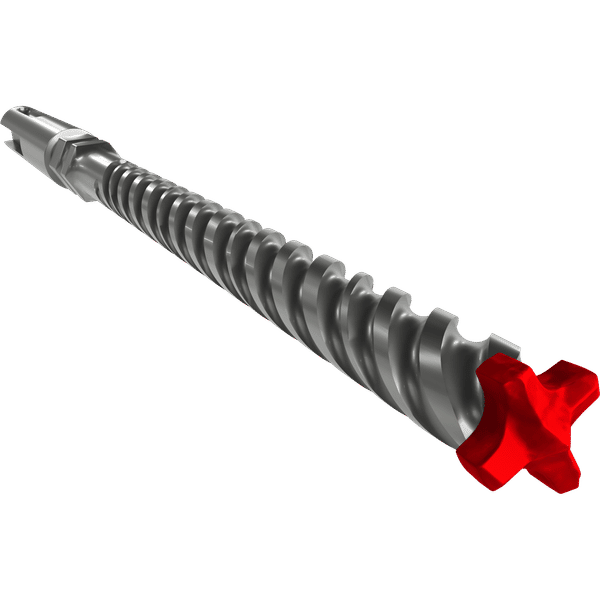
3. Irwin Industrial Grade Carbide Tipped Masonry Drill Bits
IRWIN’s bits have a solid carbide tip fused onto a steel shaft. They are designed for drilling into concrete, brick, or stone with a hammer drill. The carbide tip stays sharp even after dozens of holes.
4. Milwaukee Red Helix Cobalt Drill Bits
These bits use an aggressive variable flute design for fast chip removal. Made from cobalt, they are tough against high heat. Many electricians and plumbers choose these bits for drilling through thick steel panels and pipe.
5. Makita Diamond Core Drill Bits
Makita’s diamond bits are used for drilling porcelain tile, marble, and granite. The diamond grit makes them the only practical option for these ultra-hard materials. They require water for cooling but can produce clean holes where other bits would crack the surface.
6. Drill America D/a29j-co-pc Cobalt Drill Bit Set
Known for its precision-ground tips and high cobalt content, this set is popular in machine shops. The bits last longer than standard HSS, especially on stainless steel.
7. Bosch Daredevil Multipurpose Carbide Drill Bits
These are multi-material bits with a carbide tip and reinforced flute. They can drill through wood, metal, tile, and masonry without changing bits. While not the hardest in one specific area, their versatility and durability stand out for contractors.
How To Choose The Strongest Drill Bit For Your Job
Selecting the right drill bit is not just about picking the hardest one. Here’s what to consider:
What Material Are You Drilling?
- For wood and plastic, HSS is fine.
- For mild steel or aluminum, HSS or titanium-coated bits work well.
- For stainless steel or hardened steel, choose cobalt or carbide.
- For masonry or concrete, use carbide-tipped bits.
- For tile, glass, or stone, use diamond-tipped bits.
What Size And Length Do You Need?
Longer bits can flex and break more easily. Use the shortest bit that will do the job. For deep holes, use a pilot bit first.
Is Heat A Problem?
Drilling hard materials creates a lot of heat. Cobalt and carbide bits resist heat better. Using cutting oil or coolant can also extend the life of your bits.
What Drill Are You Using?
- Hammer drills are required for concrete and masonry bits.
- Standard drills are fine for wood and metal bits.
- For high-speed drilling, use bits with special coatings to prevent overheating.
Key Differences: Cobalt Vs. Carbide Vs. Hss
It helps to compare the three most popular materials side by side. Here’s a quick look:
| Feature | HSS | Cobalt | Carbide |
|---|---|---|---|
| Hardness | Good | Very Good | Excellent |
| Heat Resistance | Fair | Very Good | Excellent |
| Brittleness | Low | Medium | High |
| Cost | Low | Medium | High |
| Best For | Wood, soft metals | Hardened steel, stainless | Hardened steel, masonry |
Practical Tips For Using Strong Drill Bits
Having the strongest drill bit is only half the battle. Here are some tips to get the best performance and avoid breaking your bits:
- Use the correct speed: Harder materials need lower drill speeds. High speeds create heat that can ruin even the toughest bit.
- Apply steady pressure: Don’t force the bit; let it do the cutting.
- Lubricate when drilling metal: Use cutting oil to keep the bit cool and extend its life.
- Keep bits sharp: Even the strongest bit will dull over time. Sharpen or replace as needed.
- Start with a pilot hole: For large holes, drill a small pilot hole first to reduce stress on the bit.
- Secure your work: Clamp down materials to prevent slipping and bit breakage.
Many beginners miss the importance of matching the bit type with both the material and the drill itself. Using a masonry bit in metal, or a wood bit in tile, will quickly ruin even the strongest bit. Also, always check if your drill has enough torque for the job—using a weak drill with a hard bit can still lead to frustration.
Common Mistakes When Buying Strong Drill Bits
Strong drill bits can be expensive, so you want to avoid these errors:
- Buying the wrong material: Don’t use carbide bits for wood or HSS for hardened steel.
- Ignoring the coating: A titanium or diamond coating can make a big difference in durability.
- Not considering bit design: Split points, flutes, and shank styles matter for different jobs.
- Neglecting safety: Strong bits can still shatter. Wear eye protection and gloves.
When To Replace A Drill Bit
Even the toughest drill bit wears out eventually. Signs it’s time to replace:
- Bit becomes dull and takes longer to drill
- Excessive heat or blue discoloration
- Visible chips or cracks
- Bit starts to wander or slip
Trying to force a worn-out bit can damage both your work and your tools.
Real-world Performance: What The Pros Say
Most professionals agree that cobalt and carbide bits offer the best balance of strength and lifespan for metal drilling. But for specialized work—like tile or concrete—diamond or carbide-tipped bits are essential. Many pros keep several types of bits on hand to match the material they’re working with.
In one survey of metalworking shops, over 70% preferred cobalt bits for drilling stainless steel due to their heat resistance and durability. For concrete, nearly all contractors used carbide-tipped masonry bits, as HSS and cobalt would burn out quickly.
Environmental And Cost Considerations
The strongest bits tend to be more expensive and may not be recyclable. Carbide and diamond bits require more energy and resources to produce. If you only drill occasionally, a high-quality cobalt bit may be a better investment than a full set of carbide bits.
Some brands also offer recycling programs for worn-out bits, which can be worth exploring.
How To Identify Genuine Strong Drill Bits
Unfortunately, there are many cheap imitations on the market. Here’s how to spot authentic, high-strength bits:
- Look for material markings: Genuine cobalt or carbide bits will be marked with the grade (M35, M42, etc. ).
- Check the weight: Stronger materials like carbide feel heavier than HSS.
- Buy from trusted brands: Stick to well-known brands like DEWALT, Bosch, Irwin, and Makita.
- Read reviews and specs: Compare feedback and technical specs, not just price.
Expert Insights: Two Things Beginners Often Overlook
First, beginners often think that hardness alone equals strength. In reality, a bit that’s too hard (like pure carbide) can snap easily if not used correctly. The best bit for you is one that matches your material, your drill, and your skill level.
Second, many ignore cooling and lubrication. Even the toughest bit will fail quickly if it overheats. For metal, always use a little cutting oil. For tile or stone, keep the bit wet.
The Future Of Strong Drill Bits
Manufacturers are experimenting with new alloys, nanocoatings, and production methods to create even stronger, longer-lasting drill bits. Some companies are using nanotechnology coatings that could make bits last five times longer. As technology advances, we can expect stronger, more durable, and more specialized bits for every need.
For more in-depth technical information about drill bit materials and properties, you can check the Wikipedia entry on drill bits.
Frequently Asked Questions
What Is The Strongest Drill Bit For Metal?
The strongest drill bits for metal are usually cobalt (M42) or solid carbide bits. Cobalt bits are best for stainless and hardened steels, while carbide is used for very hard or abrasive metals.
Can I Use Carbide Drill Bits In A Regular Drill?
Yes, but be careful. Carbide bits are very hard but brittle, so they can snap if not used correctly. Use low speeds, steady pressure, and don’t bend the bit. They work best in drill presses or with steady hands.
How Do I Keep My Drill Bits Sharp And Strong?
- Use the right speed and pressure
- Cool with oil or water when drilling metal or tile
- Sharpen the bits when dull
- Store bits in a dry place to prevent rust
Is Titanium Better Than Cobalt For Drill Bits?
Titanium is a coating, not a base material. It makes HSS bits last longer, but cobalt bits are stronger overall for hard metals because the cobalt is mixed into the steel, not just coated on the surface.
Are Expensive Drill Bits Worth It For Diyers?
If you drill hard materials often, yes. Strong bits last much longer and save time. But for light use on wood or soft metals, mid-range HSS or titanium-coated bits are usually enough.
Choosing the strongest drill bit is about matching the tool to your job. With the right knowledge, you can avoid frustration, wasted money, and broken bits—making every hole clean and precise.