
Many people see a circular saw and think of construction, woodworking, or maybe even a home garage full of tools. But few realize just how versatile and important this power tool is. The circular saw is not just for professionals—it’s a tool that both beginners and skilled craftsmen rely on for a wide range of cutting jobs. If you’ve ever wondered what a circular saw is used for, or if you’re thinking of getting one, this guide will help you see its full potential. We’ll look at what makes this tool unique, the tasks it can handle, and how to get the best results safely and efficiently.
What Is A Circular Saw?
A circular saw is a power tool that uses a flat, round blade to cut through different materials. The blade spins at high speed, letting you make straight, accurate cuts quickly. Most circular saws are handheld, though larger versions can be mounted to tables.
The saw’s main parts include:
- Motor: Provides the power to spin the blade.
- Blade: Does the cutting. Blades come in different sizes and types for various materials.
- Guard: Covers the blade for safety.
- Base plate (or shoe): Rests on the work surface and helps guide the saw.
- Handle and trigger: Where you hold and control the tool.
Circular saws are popular because they’re easy to use, portable, and can handle many kinds of jobs. They are a key tool for construction, home improvement, and DIY projects.
Main Uses Of A Circular Saw
The circular saw is famous for its ability to make straight, fast cuts. But what exactly do people use it for?
Cutting Wood
Most people use a circular saw for cutting wood. This includes:
- Framing lumber for building walls
- Cutting plywood sheets for furniture or floors
- Trimming boards for decks, fences, or shelving
You can use different blades for softwood or hardwood. With the right technique, you get clean, straight cuts much faster than using a handsaw.
Crosscuts And Rip Cuts
A circular saw can make both crosscuts (across the wood grain) and rip cuts (along the grain). Crosscuts are useful for shortening boards, while rip cuts help when you need to make a board narrower.
For example, when building a bookshelf, you might use a circular saw to cut the shelves to the right length (crosscut) and then trim the sides to fit (rip cut).
Cutting Sheet Goods
Large sheets of material—like plywood, MDF, or OSB—are hard to manage with a table saw. A circular saw makes it easy to cut these sheets down to size on the floor or a pair of sawhorses. You can make straight, splinter-free cuts using a guide or straight edge.
Cutting Other Materials
With the right blade, a circular saw can cut more than just wood. You can also cut:
- Plastic (PVC pipes, plastic panels)
- Metal (with a special metal-cutting blade)
- Masonry (bricks, concrete blocks, tiles—using a diamond blade)
This flexibility makes the circular saw useful for plumbing, electrical work, and even landscaping.
Making Bevel Cuts
Many circular saws let you tilt the base plate for bevel cuts. This means you can cut at angles (like 45°) instead of just straight up and down. Bevel cuts are essential for projects like trim, moldings, and picture frames.
Cutting Doors And Windows
If a door is too long or a window opening needs adjusting, a circular saw is the tool to reach for. It can trim the bottom of a door for new flooring or cut out wall openings for windows and vents.
Demolition Work
During remodeling, you often need to remove old walls, floors, or roofs. The circular saw can cut through layers of wood, nails, and even thin metal. It’s a quick way to break down old structures for renovation.
Outdoor Projects
Building a deck, fence, or shed? A circular saw helps you cut posts, beams, and boards to size on site. It’s portable enough to take outdoors and powerful enough to cut thick lumber.
Resizing Materials On The Go
On a job site, you may need to resize materials quickly. The circular saw is ideal for making last-minute adjustments, trimming boards, or cutting new pieces when plans change.
Creating Straight And Accurate Cuts
Accuracy matters for any building project. Circular saws can be used with guides or rails to make perfectly straight cuts, even on large materials.
Cutting Flooring
When installing hardwood, laminate, or vinyl flooring, you often need to cut planks to length or trim edges to fit. A circular saw makes these cuts quickly and cleanly.
Cutting Roofing Materials
Roofers use circular saws to cut plywood sheathing, shingles, and even metal roofing panels. The saw’s portability means it can be taken up to the roof for easy access.
Making Quick Jigs And Templates
Sometimes you need a custom jig or template for a project. With a circular saw, you can cut scrap wood into the shapes you need for guides, supports, or patterns.

Types Of Circular Saws
Not every circular saw is the same. Here are the main types you’ll find:
Sidewinder (inline) Circular Saw
The sidewinder is the most common type. The motor sits beside the blade, making it lighter and easier to handle. It’s good for most home and job site tasks.
Worm Drive Circular Saw
A worm drive saw has the motor behind the blade. This design gives more torque and power, making it better for heavy-duty cutting, like framing or roofing.
Cordless Circular Saw
Battery-powered, cordless circular saws are great for working far from outlets or in tight spaces. Modern batteries last longer, but corded saws still have more power for tough jobs.
Compact/mini Circular Saw
Mini circular saws are smaller and lighter, perfect for quick cuts or working in small spaces. They’re useful for cutting laminate, trim, or thin panels.
Track Saw
A track saw is a special circular saw that rides on a guide rail. It’s designed for making super-straight, splinter-free cuts in sheet materials, often used for cabinetmaking or fine woodworking.
Table-mounted Circular Saw
Some circular saws can be mounted under a table (or come as part of a table saw). This setup is good for repetitive cuts, but less portable.
Here’s a quick comparison of the main types:
| Type | Main Use | Strength | Common Blade Size |
|---|---|---|---|
| Sidewinder | General carpentry, framing | Lightweight, fast | 7-1/4″ |
| Worm Drive | Heavy-duty, framing, roofing | High torque, power | 7-1/4″ |
| Cordless | DIY, remote work | Portable, easy to use | 6-1/2″ to 7-1/4″ |
| Compact/Mini | Trim, panels, small projects | Light, easy to control | 4-1/2″ to 5-1/2″ |
| Track Saw | Cabinetmaking, sheet goods | Precise, straight cuts | 6-1/2″ to 8-1/2″ |
Common Circular Saw Blades And Their Uses
The blade you use changes what the saw can cut. Here are the main types:
- General-purpose wood blade: For most wood cuts, has fewer teeth (24-40).
- Fine-tooth blade: For smooth cuts in plywood or laminates, has more teeth (60+).
- Rip blade: For fast, rough cuts along the grain.
- Crosscut blade: For cleaner cuts across the grain.
- Metal-cutting blade: For aluminum or thin steel.
- Masonry blade: For concrete, stone, or brick (usually made with diamond edges).
- Plastic-cutting blade: For PVC, acrylic, or plastic panels.
Choosing the right blade is key for safety and clean cuts. Don’t use a wood blade on metal or masonry—this can damage the tool and be dangerous.
Here’s a summary of blade types and their uses:
| Blade Type | Material Cut | Teeth | Notes |
|---|---|---|---|
| General-Purpose | Wood | 24–40 | Fast, rough cuts |
| Fine-Tooth | Plywood, laminate | 60+ | Smoother finish |
| Metal-Cutting | Aluminum, steel | Varies | Use only with proper saw |
| Masonry | Brick, concrete | 0 (grit) | Diamond edge, no teeth |
| Plastic | PVC, acrylic | Fine teeth | Clean cuts, avoid melting |
Who Uses A Circular Saw?
The circular saw is not just for builders. Here are some people who use it regularly:
Carpenters
Carpenters use circular saws for framing, roofing, decks, and stairs. It helps them cut lumber, plywood, and trim quickly.
Homeowners And Diyers
If you own a home, a circular saw helps with repairs, building shelves, or remodeling. It’s more affordable than a table saw and much easier to store.
Contractors
General contractors use circular saws for all kinds of construction, from demolition to finishing. They value the tool’s power, speed, and portability.
Plumbers And Electricians
With the right blade, circular saws help plumbers cut pipes and electricians make openings for wiring or boxes.
Landscapers
Landscapers use circular saws to cut wood for garden structures, decks, or fences, and sometimes to trim plastic or light metal for outdoor projects.
Artists And Makers
Anyone working with wood, plastic, or metal in a creative way can use a circular saw for building frames, models, or displays.
Key Advantages Of A Circular Saw
Why Do So Many People Choose The Circular Saw?
Speed And Efficiency
With a powerful motor and sharp blade, you can cut through thick boards or sheets in seconds. This saves time, especially on big projects.
Versatility
One tool can handle many jobs: wood, plastic, metal, and more. Just switch the blade for each material.
Portability
Handheld circular saws are easy to move around. You can work in a garage, backyard, attic, or job site without much setup.
Accuracy
When used with a straight edge or rail, a circular saw can make cuts as straight as a table saw. For many jobs, this is all the accuracy you need.
Cost-effective
Compared to buying several specialty saws, one circular saw can do the work of many. It’s a smart first tool for beginners or anyone on a budget.
Easy To Learn
Most people can learn to use a circular saw safely with just a little practice. There are fewer adjustments compared to a table or miter saw.
Common Projects That Use A Circular Saw
A circular saw is used for hundreds of real-world tasks. Here are some typical projects:
- Building a deck: Cutting posts, beams, and decking boards to length.
- Remodeling a room: Cutting drywall, framing, and trim.
- Installing cabinets or shelving: Cutting plywood, MDF, or melamine to size.
- Building fences and gates: Cutting pickets, rails, and fence posts.
- Laying new floors: Trimming wood, laminate, or vinyl planks.
- Roofing: Cutting sheathing, fascia, and sometimes metal roofing.
- Making furniture: Building tables, benches, and bookcases.
- Cutting firewood: Trimming scrap wood or small branches.
- Creating art or crafts: Cutting shapes for signs, displays, or decorations.
- Demolition: Removing old walls, floors, or roofs.
Tips For Using A Circular Saw Safely
Safety is essential with any power tool. Here’s how to use a circular saw confidently:
- Wear safety gear: Always use eye protection, hearing protection, and a dust mask.
- Check the blade: Make sure it’s sharp, clean, and the right type for your material.
- Set the blade depth: Only the bottom of the blade should poke below the material—about 1/8 inch.
- Support your work: Use sawhorses or a stable surface. Never cut over your leg or an unstable area.
- Keep hands away: Stay clear of the blade and keep the guard working properly.
- Let the blade stop: Wait until the blade has stopped spinning before setting the saw down.
- Watch for kickback: This happens if the blade binds. Hold the saw with both hands and don’t force it.
- Disconnect power: Unplug or remove the battery before changing blades or adjusting the saw.
A common beginner mistake is letting the blade stick out too far below the wood. This increases the risk of kickback and rough cuts. Setting the right blade depth makes cutting safer and the edge cleaner.
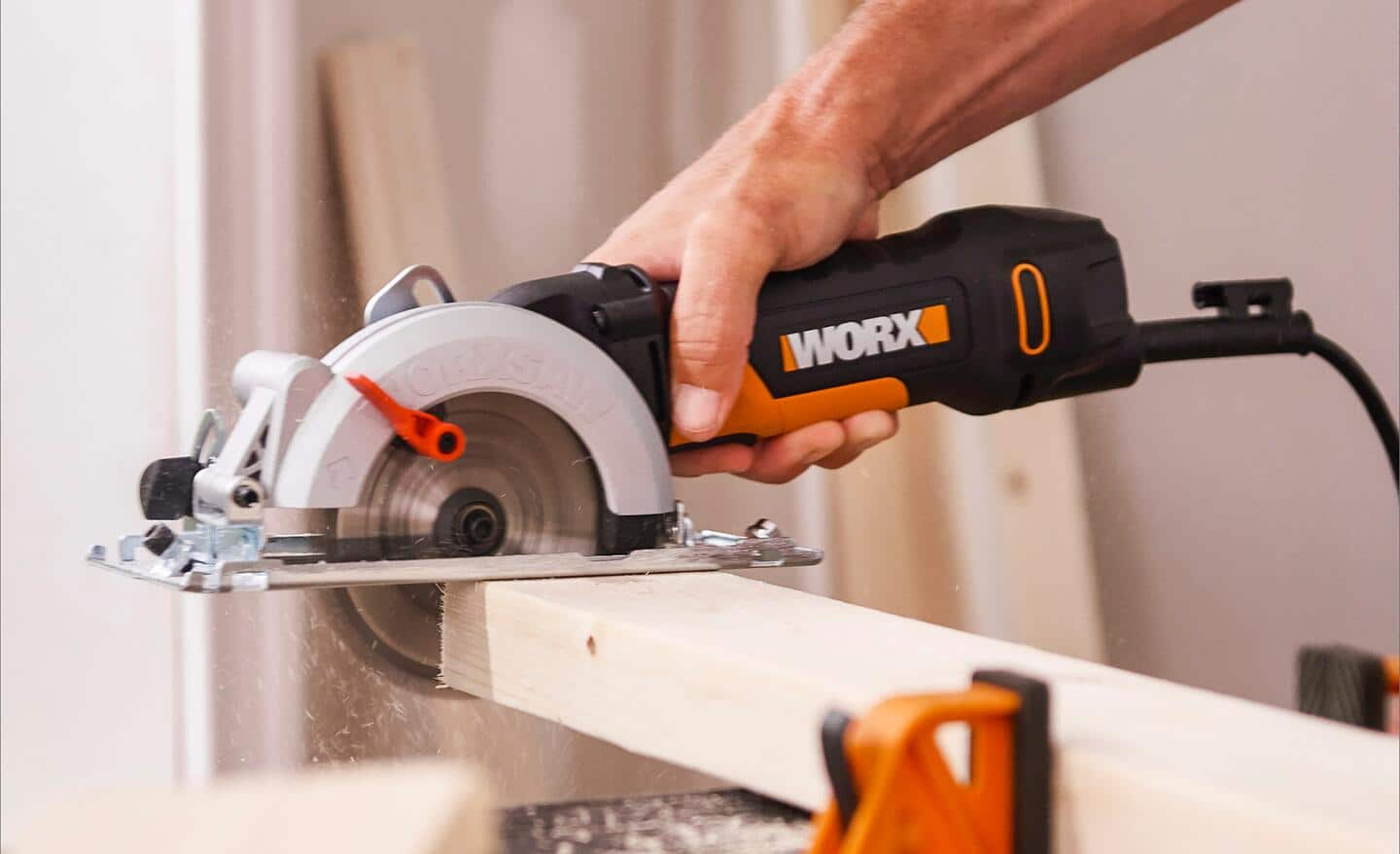
How To Make A Straight Cut With A Circular Saw
Getting a straight, clean cut takes a bit of practice. Here’s a proven method:
- Mark your line: Use a pencil and straight edge.
- Clamp a guide: Secure a straight board or special guide to your workpiece.
- Set blade depth: Adjust so the blade just clears the material.
- Position the saw: Place the base plate against the guide.
- Start saw: Let the blade spin up to full speed before moving.
- Cut steadily: Move the saw smoothly along the guide, keeping steady pressure.
For even better results, you can buy a factory-made saw guide or rail. This is how professionals get perfect cuts every time.
Choosing The Right Circular Saw For Your Needs
With so many options, how do you pick the right saw?
Key Factors To Consider
- Power source: Corded for more power, cordless for portability.
- Blade size: 7-1/4″ is most common and handles most jobs.
- Weight: Lighter saws are easier to control, but heavier saws cut better in thick wood.
- Features: Look for easy depth adjustment, bevel settings, and a comfortable handle.
- Brand reliability: Stick with trusted brands for safety and quality.
Common Buyer Mistakes
- Choosing a saw that’s too heavy or powerful for their needs.
- Ignoring blade quality—cheap blades can ruin your cuts.
- Forgetting to check for safety features, like a working blade guard.
A good first saw for most people is a 7-1/4″ corded sidewinder. It’s strong enough for most projects, not too heavy, and widely available.
Here’s a quick guide comparing corded and cordless saws:
| Type | Power | Portability | Best For |
|---|---|---|---|
| Corded | High | Needs outlet | Big projects, thick wood |
| Cordless | Medium | Anywhere | DIY, remote work, quick jobs |
Caring For Your Circular Saw
To keep your saw working well:
- Clean after use: Wipe dust and debris from the blade and motor.
- Lubricate moving parts: Check the manual for where to add oil.
- Replace blades when dull: Sharp blades are safer and give cleaner cuts.
- Store safely: Keep the saw in a dry place, with the blade guard on.
A circular saw can last for years if you take care of it. Dull blades and dirty motors cause most problems.
Non-obvious Insights For Beginners
- Use the right blade for the job—and keep spares on hand. Many beginners try to cut everything with one blade, which results in poor cuts and may damage the saw.
- Cut “good side down” on plywood or laminates. Circular saw blades spin upward, which means the bottom edge is cleaner. Place the best side facing down to avoid splinters on the visible surface.
- Practice on scrap material first. Each material cuts a little differently. Practicing helps you get a feel for speed, pressure, and blade depth.
- Don’t force the saw. Let the blade do the work. Forcing the saw can cause burning, rough cuts, or even kickback.
- Use a vacuum or dust port if your saw has one. This keeps your work area clean and helps you see your cut line better.
Environmental Impact And Modern Innovations
Circular saws today are more energy efficient and safer than older models. Newer cordless saws use lithium-ion batteries, which last longer and recharge quickly. Some saws even have brushless motors, making them more reliable and quieter.
Many manufacturers now offer dust collection systems and noise reduction features. There are also saws made with recycled materials, reflecting a growing awareness of environmental impact.
For more on the history and development of power tools, see this Wikipedia article on circular saws.
Frequently Asked Questions
What Is The Main Purpose Of A Circular Saw?
The main purpose is to make straight, accurate cuts in wood, but with the right blade, you can also cut metal, plastic, and masonry. It’s a versatile tool for construction, home improvement, and DIY projects.
Can A Circular Saw Replace A Table Saw?
For many jobs, yes. A circular saw with a guide can make straight cuts almost as well as a table saw, especially in sheet goods. However, table saws are better for repetitive or very precise cuts.
What Safety Gear Should I Use With A Circular Saw?
Always wear eye protection, hearing protection, and a dust mask. Gloves are optional but can help protect your hands from splinters or debris.
Why Does My Circular Saw Burn The Wood?
This usually happens if the blade is dull, dirty, or the wrong type for the material. Pushing the saw too fast or using a blade set too deep can also cause burning.
How Do I Choose The Right Blade For My Circular Saw?
Pick a wood blade for most woodworking, a metal-cutting blade for metal, and a masonry blade for stone or concrete. Make sure the blade matches the material and the saw’s speed rating.
A circular saw is one of the most valuable tools you can own. With the right skills and safety habits, it opens a world of building, repair, and creative projects. Whether you’re building a house or just fixing a door, knowing how to use a circular saw makes the job easier, safer, and more enjoyable.