
A compound miter saw is one of the most useful tools for woodworking, home improvement, and construction projects. If you want to make clean, precise cuts at different angles, especially for complex trim, frames, or furniture, this tool can save you time and effort.
But what exactly is a compound miter saw? How does it work, and why is it a favorite among both beginners and professionals? In this article, you’ll get a full explanation of its features, uses, types, and buying tips—plus common mistakes to avoid and practical advice for safe and accurate cutting.
What Is A Compound Miter Saw?
A compound miter saw is a power tool designed to make accurate crosscuts and angled cuts in wood, plastic, or even metal (with the right blade). The key feature is its ability to tilt (or “bevel”) the blade to the left or right, as well as rotate the base (the “miter”) to set various cut angles. This means you can cut not just straight lines, but also complex angles needed for crown molding, picture frames, window casings, and furniture joints.
In simple terms, a compound miter saw lets you cut both miter angles (horizontal) and bevel angles (vertical) at the same time. This “compound” action is what makes it so versatile.
How Does A Compound Miter Saw Work?
The design of a compound miter saw is straightforward yet effective. The saw sits on a sturdy base with a rotating table. The blade is attached to an arm that pivots up and down for cutting. Here’s how the main movements work:
- Miter: The turntable rotates left or right, letting you set the angle for the cut. This is useful for corners and joints.
- Bevel: The saw arm tilts to one side (single bevel) or both sides (dual bevel), allowing for angled cuts through the thickness of the material.
To use the saw, you pull down the handle, and the spinning blade slices through the workpiece at the exact angle you set. Most saws also have fences and clamps to keep your material steady.

Key Features Of A Compound Miter Saw
Understanding the main features can help you know what to expect from a compound miter saw and why these features matter for your projects.
Miter Angle Adjustment
You can quickly set the saw to cut at common angles, such as 45°, 30°, or 60°, or fine-tune to any angle you need. This is essential for making corners in frames or trim.
Bevel Capability
The saw arm tilts for bevel cuts. Some saws only tilt in one direction (single bevel), while others tilt both left and right (dual bevel). Dual bevel models are often preferred for making matching cuts without flipping your material.
Sliding Action
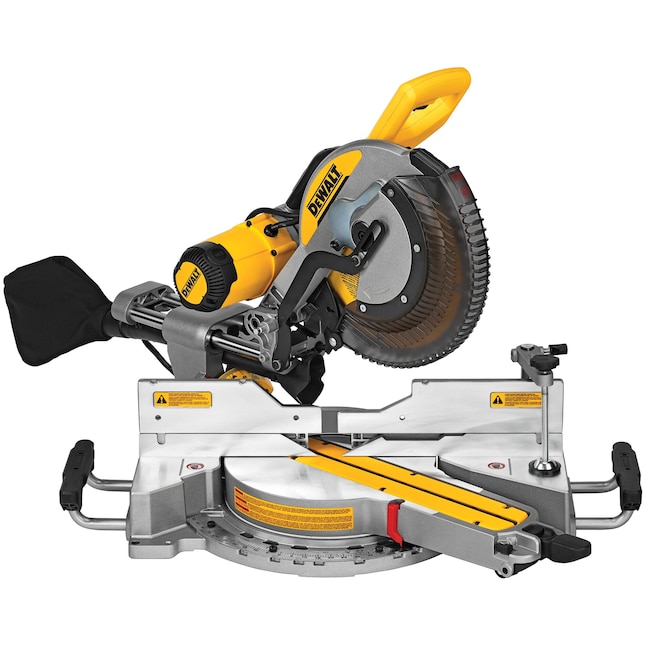
Some compound miter saws include a sliding arm. This allows the blade to move forward and backward, increasing the maximum width of material you can cut. Sliding models are ideal for cutting wide boards or panels.
Laser Guide Or Led Shadow Line
Many modern saws have a built-in laser guide or LED system, which projects a line onto your workpiece to show exactly where the cut will be. This boosts accuracy and confidence, especially for beginners.
Safety Features
Key safety elements include blade guards that cover the blade when not in use, electric brakes that quickly stop the blade, and clamps to hold material securely.
Dust Collection
Compound miter saws often come with a dust bag or port for connecting a vacuum. Sawing creates a lot of dust, so a good collection system keeps your workspace cleaner and safer.
Types Of Compound Miter Saws
Not all compound miter saws are the same. Here are the main types you’ll find:
| Type | Main Feature | Best For |
|---|---|---|
| Single Bevel Compound Miter Saw | Blade tilts in one direction (usually left) | Basic trim work, general use |
| Dual Bevel Compound Miter Saw | Blade tilts left and right | Complex moldings, faster workflow |
| Sliding Compound Miter Saw | Blade slides forward/back for wider cuts | Wide boards, large panels |
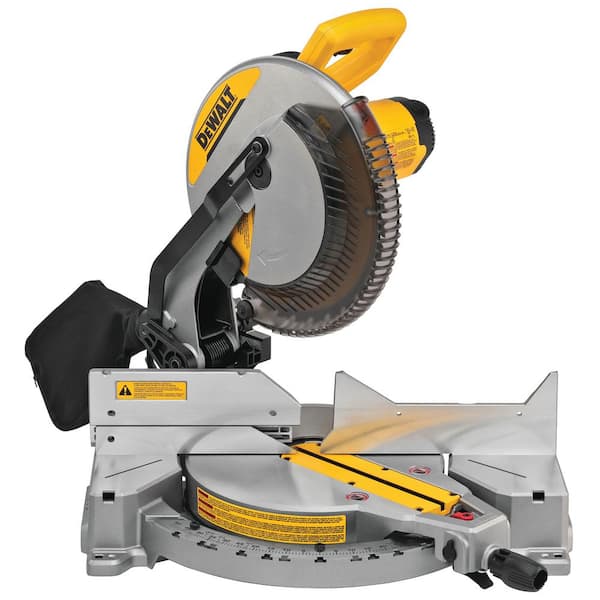
| Non-Sliding Compound Miter Saw | Blade does not slide, fixed arm | Smaller workpieces, compact spaces |
Which Type Should You Choose?
- Choose a single bevel if you mostly make basic cuts and want a lighter, less expensive tool.
- Go for dual bevel if you do a lot of crown molding or need to make matching cuts without flipping the workpiece.
- Pick a sliding model for cutting shelves, flooring, or other wide materials.
Common Uses For A Compound Miter Saw
The compound miter saw’s flexibility makes it valuable for many tasks. Here’s where it really shines:
- Crown Molding and Baseboards: Perfect for cutting the angles needed to fit moldings neatly around walls, doors, and ceilings.
- Picture Frames and Window Casings: Lets you cut precise corners for strong, attractive joints.
- Furniture Making: Useful for creating angled joints, trim, or decorative edges.
- Flooring Installation: Makes quick, clean cuts for fitting planks or tiles.
- DIY Projects: From shelves to birdhouses, the saw simplifies almost any project that needs angles or crosscuts.
A non-obvious use is for cutting plastic pipes or aluminum extrusions (with the right blade). Many professionals also use it for quick repetitive cuts, thanks to its accuracy and speed.
Compound Miter Saw Vs. Standard Miter Saw
It’s easy to confuse a compound miter saw with a regular (basic) miter saw. The main difference: a standard miter saw only rotates for miter cuts (left and right), but it does not tilt for bevel cuts. This means a standard miter saw can only make straight crosscuts and mitered corners, not the complex compound angles needed for crown molding or frames.
A compound miter saw adds the ability to tilt the blade, combining both actions in one cut. This extra function makes it much more versatile for advanced woodworking or renovation tasks.
Advantages Of A Compound Miter Saw
The popularity of the compound miter saw is no accident. Here are the main advantages:
- Precision: The tool is designed for clean, accurate cuts at any angle.
- Speed: Once set up, you can make fast, repetitive cuts—much quicker than using a hand saw.
- Versatility: You can cut a wide range of angles, from simple to complex.
- Consistency: Each cut is exactly the same as the last, which is crucial for professional-looking results.
One thing beginners often miss is how much easier it is to handle tricky material, like crown molding, with a compound saw—since you can set both angles at once and get a perfect fit.
Limitations And Challenges
No tool is perfect. While a compound miter saw is extremely useful, it does have some limits:
- Size: Even a sliding compound miter saw can only cut boards of a certain width (usually up to 12–14 inches, depending on the model).
- Cost: More features (like sliding arms, dual bevel) mean a higher price.
- Weight and Portability: Larger saws can be heavy and hard to move.
- Learning Curve: Making precise compound cuts requires practice and careful setup.
Many new users underestimate how important it is to keep the blade sharp and the fence square—if these are not set properly, even the best saw will not make perfect cuts.
How To Use A Compound Miter Saw: Step-by-step
If you’re new to compound miter saws, follow these steps for safe, accurate cutting:
- Set Up the Saw: Place the saw on a stable bench or stand. Make sure it’s plugged in, and check that the blade guard works smoothly.
- Measure and Mark: Carefully measure your workpiece and mark the cut line with a pencil.
- Adjust the Angle:
- Set the miter angle by rotating the base to the desired degree.
- Set the bevel angle by tilting the saw arm if needed.
- Secure the Material: Place your board firmly against the fence. Use the saw’s clamp or your hand (well clear of the blade!) To hold it steady.
- Align the Blade: Lower the saw (with the blade off) to check that the blade lines up with your mark.
- Make the Cut: Start the saw, let the blade reach full speed, then slowly lower it through the wood.
- Release and Inspect: Let the blade stop before raising the saw. Check your cut for accuracy.
Pro tip: Always make a test cut on scrap material first, especially if you’re trying a new angle or technique.
Safety Tips For Using A Compound Miter Saw
Working with power tools always carries risks. These tips will help keep you safe:
- Wear eye and ear protection: The saw throws chips and dust, and it’s loud.
- Keep hands away from the blade: Use clamps whenever possible.
- Check the blade guard: It should move freely and cover the blade after each cut.
- Avoid loose clothing or jewelry: These can get caught in the moving parts.
- Unplug the saw before changing blades: This prevents accidental starts.
- Let the blade stop fully before raising: Lifting the saw while the blade is spinning can cause kickback or ruin your workpiece.
Beginners often forget to clear away scraps and sawdust, which can block the fence or cause uneven cuts. A tidy work area is a safe one.
How To Choose The Right Compound Miter Saw
Picking the right saw depends on your needs, budget, and workspace. Here are the main factors to consider:
Blade Size
Most common are 10-inch and 12-inch blades. A larger blade means deeper and wider cuts, but also more weight and cost.
- 10-inch: Lighter, less expensive, good for most trim and boards.
- 12-inch: Handles larger material, better for heavy-duty work.
Sliding Vs. Non-sliding
- Sliding: Lets you cut wider boards but takes up more space and costs more.
- Non-Sliding: More compact, lighter, and cheaper, but limited in cutting width.
Bevel Type
- Single bevel: Good for most home projects.
- Dual bevel: More flexible, no need to flip the material for matching angles.
Power
Measured in amps (for corded saws) or volts (for cordless). More power means easier cutting through thick or hard material.
Accuracy Features
- Laser guide or LED shadow line for perfect alignment.
- Positive stops at common angles for quick settings.
Dust Collection
A good dust collection system makes cleanup faster and helps protect your health.
Price And Brand
Reputable brands (like DeWalt, Makita, Bosch, Milwaukee) usually offer better build quality and reliability. Don’t buy the cheapest saw—think about long-term value.
Warranty And Support
Look for at least a 1-year warranty and easy-to-access customer support.
Comparison Of Popular Models
Here’s a quick look at some top compound miter saws and their key specs:
| Model | Blade Size | Sliding | Bevel | Max Cut Width | Approx. Price |
|---|---|---|---|---|---|
| DeWalt DWS780 | 12″ | Yes | Dual | 14″ | $450 |
| Bosch GCM12SD | 12″ | Yes | Dual | 14″ | $600 |
| Makita LS1019L | 10″ | Yes | Dual | 12″ | $500 |
| Metabo HPT C10FCGS | 10″ | No | Single | 6″ | $130 |
Common Mistakes To Avoid
Even experienced users can make errors with a compound miter saw. Here are mistakes to watch out for:
- Not checking the fence for square: If the fence isn’t perfectly aligned, your cuts will be off.
- Using a dull or wrong blade: The right blade for the material is crucial for clean cuts.
- Rushing the cut: Forcing the blade can cause splintering, binding, or even kickback.
- Neglecting to secure the material: Loose boards can move and ruin your cut or cause injury.
- Ignoring blade depth: Setting the blade too deep can cause excessive wear or damage.
- Skipping test cuts: Always test on scrap to confirm your settings before cutting the actual piece.
- Improper dust management: Dust buildup can hide your mark or make the saw harder to operate.
A non-obvious insight: Many users don’t realize how much humidity and temperature can affect wood, causing it to expand or contract and changing the accuracy of your cuts. Always check your material before final assembly.
Maintenance Tips For Long Tool Life
A compound miter saw is an investment. Taking care of it will keep it accurate and safe for years.
- Clean the saw after each use: Remove dust from the table, fence, and moving parts.
- Check and replace the blade regularly: A dull blade is dangerous and makes poor cuts.
- Lubricate moving parts: Follow the manufacturer’s instructions for oiling the pivot points.
- Inspect power cords and switches: Replace any frayed cords or sticky switches right away.
- Calibrate the fence and scales: Use a square to check alignment and adjust if needed.
Many owners skip regular calibration, leading to small errors that build up over time. A quick check every few months makes a big difference in accuracy.
Advanced Techniques And Tips
Once you master the basics, there are ways to get even more from your compound miter saw:
- Stacked cuts: For very small pieces, stack boards and cut them together (securely clamped).
- Stop blocks: Clamp a block to the fence for quick, repeatable cuts of the same length.
- Cutting angles for crown molding: Use the saw’s preset “crown stops” or consult angle guides for tricky moldings.
- Fine-tuning bevel and miter angles: Use digital angle finders or protractors for super-precise setups.
Some pros build custom jigs for their miter saws, like supports for long material or zero-clearance fences for cleaner cuts. These upgrades can really boost what your saw can do.
When Not To Use A Compound Miter Saw
While a compound miter saw is versatile, it’s not always the right tool:
- For rip cuts (cutting lengthwise along the board): Use a table saw or circular saw.
- For cutting very large panels: A track saw or panel saw is better.
- For curves or freehand shapes: A jigsaw or bandsaw is best.
Knowing when to switch tools saves time and prevents mistakes.
Environmental And Health Considerations
Cutting wood creates fine dust that’s bad for your lungs. Some woods (like treated lumber or MDF) release harmful particles. Always use dust collection and wear a mask, especially if you’re cutting indoors.
Also, proper disposal of sawdust and offcuts helps keep your workspace safe and eco-friendly. Some communities recycle clean sawdust, while others treat it as waste—check your local rules.
Choosing Blades For Your Compound Miter Saw
The blade is just as important as the saw itself. Here’s what to know:
- Number of teeth: More teeth give a smoother cut (good for trim), fewer teeth cut faster but rougher (good for framing).
- Material: Carbide-tipped blades last longer. Use special blades for metal or plastic.
- Size: Match the blade to your saw (10″ or 12″).
Switch blades for different tasks—don’t use a rough framing blade for fine trim work.
Accessories That Make A Difference
Some add-ons can make your saw even more useful:
- Stand or mobile base: Keeps the saw stable and at a good working height.
- Extension wings: Support long boards for safer, straighter cuts.
- Work clamps: Hold material steady, especially for small or awkward pieces.
- Digital angle gauge: For setting perfect angles.
These extras may seem small, but they can save time and improve your results.
Real-world Examples: Projects And Applications
Let’s look at a few real-world uses:
- Remodeling a room: Cutting baseboards and crown molding for a perfect fit.
- Building a deck: Making angled cuts for the railing and support posts.
- DIY furniture: Making frames and legs for tables, benches, or cabinets.
A compound miter saw is often the only way to get the professional look you see in magazines or on TV shows.
Troubleshooting: Why Is My Saw Not Cutting Straight?
If your cuts are not straight, check these first:
- Blade is dull or bent: Replace it.
- Fence is not square: Use a carpenter’s square to adjust.
- Workpiece is not held tightly: Use clamps.
- Miter or bevel scale is off: Recalibrate.
- Saw base is not level: Move to a stable, flat surface.
Most cutting problems are from alignment or blade issues, not the motor or power.
The Compound Miter Saw In Professional Carpentry
In the hands of a skilled carpenter, a compound miter saw is a money-maker. It’s used daily for everything from custom cabinetry to framing houses. The speed and accuracy it provides can make the difference between a job that looks homemade and one that looks like fine craftsmanship.
Many pros have multiple saws—one set up for rough cuts, another dialed in for fine trim work. Time is money in construction, and the right saw pays for itself quickly.
Learning Resources
If you want to learn more, check out online woodworking courses, YouTube tutorials, or books from your local library. The more you practice, the better your results. For in-depth technical details, the Wikipedia article on miter saws is a good reference.
Frequently Asked Questions
What Is The Main Difference Between A Compound Miter Saw And A Standard Miter Saw?
A standard miter saw only rotates for angle cuts (miter), while a compound miter saw can also tilt the blade (bevel) for angled cuts through the thickness of the material. This makes the compound version much more versatile for trim, molding, and furniture projects.
Can I Use A Compound Miter Saw To Cut Metal?
Yes, but only if you use the correct blade designed for metal cutting. Never use a wood-cutting blade on metal, and always wear eye protection. The saw should also have enough power to handle the material.
How Do I Maintain Accuracy With My Compound Miter Saw?
Check the alignment of the fence and blade regularly using a square. Keep the blade sharp and clean, and always secure your workpiece. Make test cuts on scrap material before working on your main project.
Do I Need A Sliding Compound Miter Saw?
A sliding compound miter saw is helpful if you frequently cut wide boards or panels (like shelving or flooring). If you mostly work with trim, narrow boards, or frames, a non-sliding model is usually enough.
What Safety Gear Should I Wear When Using A Compound Miter Saw?
Always wear safety glasses or goggles and hearing protection. A dust mask is also recommended, especially when working indoors or with dusty materials. Avoid loose clothing, and keep long hair tied back.
A compound miter saw is an essential tool for both DIYers and professionals. With the right knowledge, careful setup, and respect for safety, it can help you create beautiful, precise projects—whether you’re building a frame, installing trim, or making furniture.
The more you use and care for your saw, the more you’ll appreciate what this tool can do.