
Beautiful gardens often catch your eye because of their neat shapes and clean lines. But behind every tidy hedge and shaped bush, there’s a simple but powerful tool at work: the hedge trimmer. If you’ve ever looked at a row of perfectly cut shrubs and wondered how it’s done, you’re not alone. Many people think hedge trimmers are just for “trimming hedges,” but their uses go much deeper. Whether you’re a home gardener, a professional landscaper, or just someone curious about garden tools, understanding what a hedge trimmer is used for can help you work smarter, not harder.
A hedge trimmer can quickly shape plants, manage overgrowth, and even help with creative garden designs. But knowing exactly how, when, and why to use this tool makes all the difference. In this guide, you’ll find everything you need: from the basics of what a hedge trimmer does to advanced tips, real examples, and even expert mistakes to avoid. You’ll also see how this tool compares to others, and discover some uses that even experienced gardeners sometimes miss.
Understanding Hedge Trimmers: The Basics
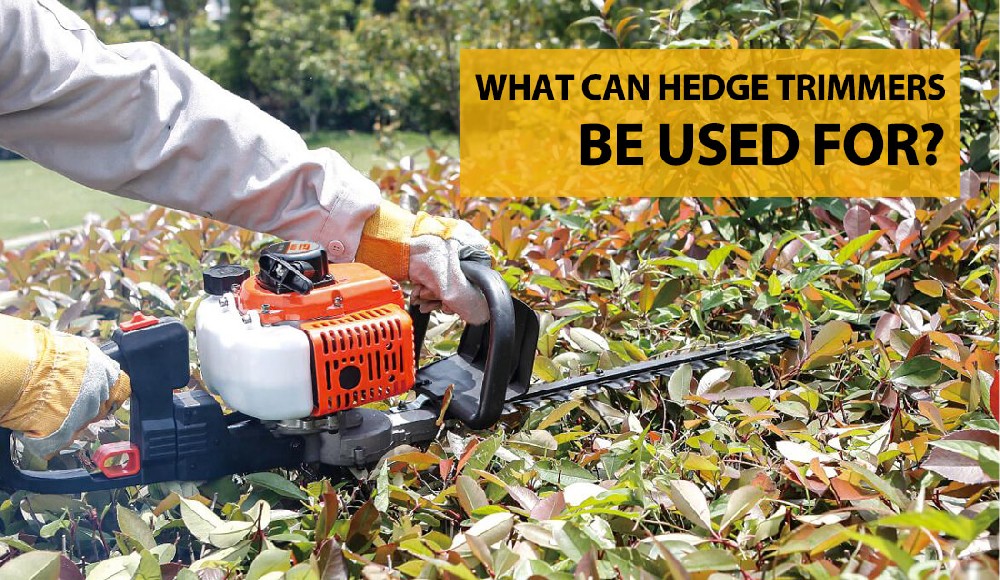
A hedge trimmer is a gardening tool made for cutting, shaping, and maintaining hedges, shrubs, and bushes. It usually has a long blade with sharp, moving teeth powered by electricity, battery, or gas. With it, you can trim many branches at once, making the process much faster than using hand shears.
Types Of Hedge Trimmers
There are several types of hedge trimmers, each with its own strengths:
- Electric hedge trimmers: Plug into a power outlet. They are lightweight and quiet, best for small to medium gardens with easy access to electricity.
- Cordless (battery-powered) hedge trimmers: Use rechargeable batteries, giving you freedom to move. Great for medium gardens, but battery life can limit use.
- Gas-powered hedge trimmers: Run on fuel, offering high power for large or thick hedges. They are heavier and noisier, but ideal for big jobs.
| Type | Power Source | Best For | Noise Level | Mobility |
|---|---|---|---|---|
| Electric | Plug-in | Small/Medium Hedges | Low | Limited by Cord |
| Cordless | Battery | Medium Hedges | Low/Medium | High |
| Gas-powered | Gasoline | Large/Thick Hedges | High | Very High |
Choosing the right type depends on your garden’s size, hedge thickness, and how often you trim.
Main Uses Of A Hedge Trimmer
1. Shaping And Trimming Hedges
The most common use for a hedge trimmer is to shape and trim hedges. Whether you want straight lines, gentle curves, or complex shapes, a hedge trimmer helps achieve these quickly and neatly. The sharp blades cut through many small branches at once, giving you an even surface.
For example, if you have a row of boxwood hedges along your driveway, regular trimming keeps them looking clean and professional. This also encourages healthy growth by removing dead or weak branches.
2. Cutting Back Overgrown Shrubs
Over time, shrubs and bushes can become wild and messy. Hedge trimmers are perfect for cutting back overgrown shrubs. They can handle thick, tangled growth that is hard to manage with hand tools.
This is especially useful after the growing season when plants have become too large for their space. Using a hedge trimmer, you can restore shape and prevent the shrub from blocking paths or windows.
3. Maintaining Topiary And Decorative Shapes
Topiary is the art of trimming plants into shapes, like animals, spirals, or geometric forms. Hedge trimmers make this possible by allowing precise cuts and easy shaping.
A skilled gardener can use a hedge trimmer to maintain a spiral boxwood or a rounded privet. For beginners, starting with simple shapes (like cubes or spheres) is best. The trimmer’s long blade ensures smooth, even surfaces.
4. Clearing Small Branches And Light Brush
While hedge trimmers are not meant for big tree branches, they are excellent for clearing small branches and light brush. If you have a bush with many thin offshoots, the trimmer can cut through them quickly.
This is helpful for clearing paths, cleaning up after storms, or preparing an area for planting. It’s much faster than using pruning shears on each branch.
5. Creating Clean Edges Along Paths And Lawns
Hedge trimmers aren’t just for vertical surfaces. You can use them to create clean edges along driveways, walkways, or garden beds. By holding the trimmer horizontally, you can cut the sides of hedges flush with the ground.
This gives your garden a crisp, manicured look. It’s a trick many professionals use to make landscapes look finished and tidy.
6. Cutting Back Perennials And Ornamental Grasses
At the end of the season, many gardeners need to cut back perennials and ornamental grasses. Hedge trimmers are ideal for this. Instead of snipping each stalk by hand, you can run the trimmer across the plant, cutting everything to the same height.
This saves time, especially with large beds of grasses or tall perennials. It also helps prepare the garden for winter or spring growth.
7. Reducing Plant Size For Safety And Visibility
Sometimes, plants can block windows, signs, or paths. Using a hedge trimmer, you can reduce plant size for safety and visibility. This is important near driveways, walkways, or intersections where overgrown hedges might block your view.
Trimming back these areas makes your garden safer and can even help prevent accidents.
8. Preparing Hedges For Pest Control Or Treatment
If a hedge is too dense, it can be hard to spot pests or apply treatments. Hedge trimmers allow you to thin out dense hedges so air and sunlight can reach the center. This discourages pests and makes it easier to spray or treat the plants if needed.
Many people miss this use, but it’s a practical way to keep plants healthy and pest-free.
9. Speeding Up Seasonal Garden Cleanup
Fall and spring cleanups can be time-consuming. A hedge trimmer can speed up garden cleanup by quickly removing old growth, dried stems, or unwanted shoots. This frees up time for other gardening tasks and reduces the physical effort needed.
10. Helping With Creative Landscaping Projects
Some gardeners use hedge trimmers for creative landscaping. For example, you can shape privet into living fences, create privacy screens, or design unique green sculptures. The trimmer’s power and reach make large-scale designs possible.
How A Hedge Trimmer Works
A hedge trimmer uses a motor (electric, battery, or gas) to move two blades rapidly back and forth. When you place the moving teeth over a branch, they cut it cleanly. The length of the blade and the size of the teeth (called the “cutting capacity”) decide what thickness it can handle.
- Shorter blades (up to 18 inches) are good for small bushes and tight spaces.
- Longer blades (20–24 inches or more) are better for large hedges and reaching high spots.
Cutting capacity usually ranges from 3/8 inch (10 mm) to 1 inch (25 mm). If branches are thicker than this, you need a lopper or a saw.
Hedge Trimmer Vs. Other Tools
Many people wonder how a hedge trimmer is different from other garden tools. Here’s a quick comparison to help you understand where the hedge trimmer fits in your toolkit:
| Tool | Main Use | Best For | Speed | Precision |
|---|---|---|---|---|
| Hedge Trimmer | Cutting & shaping hedges | Medium/large jobs | High | Medium |
| Pruning Shears | Cutting small branches | Detail work | Low | High |
| Loppers | Cutting thick branches | Single cuts | Low | High |
| Chainsaw | Cutting large limbs | Heavy jobs | High | Low |
A hedge trimmer is the best choice when you want to quickly cut many small branches and shape plants evenly. For thick or single branches, use loppers or a saw.
Choosing The Right Hedge Trimmer For Your Needs
Picking the right hedge trimmer means thinking about your garden, the types of plants you have, and how often you’ll use the tool. Here’s what to consider:
1. Blade Length
Long blades (20 inches or more) are good for large hedges, while short blades (16–18 inches) are better for small bushes or detailed work.
2. Cutting Capacity
Check the size of branches in your garden. Most trimmers cut branches up to 1/2 inch thick. If your hedges are woody or old, you may need a higher capacity.
3. Power Source
- Electric: Light, quiet, but needs a cord.
- Cordless: Portable, but limited by battery life.
- Gas: Powerful for big jobs, but heavier and louder.
4. Weight And Comfort
A lighter trimmer is easier to use for long periods. Look for features like soft handles and balanced weight to reduce fatigue.
5. Safety Features
Modern hedge trimmers have safety switches, hand guards, and blade covers. These features protect your hands and prevent accidents.
6. Maintenance Needs
Electric and cordless trimmers need little maintenance. Gas models require regular fuel checks, cleaning, and sometimes spark plug changes.
Non-obvious insight: If you have multiple types of hedges—some small and some large—consider owning two trimmers: a small, lightweight one for detail work, and a larger, more powerful one for big jobs. This can save time and keep your arms from getting tired.
Proper Techniques For Using A Hedge Trimmer
Knowing how to use a hedge trimmer makes your work safer and gives better results. Here are some essential tips:
1. Plan Your Cuts
Start by looking at your hedge from different angles. Decide on the shape you want before you start trimming. Use string or stakes to guide straight lines.
2. Start From The Bottom
Always trim from the bottom up. This prevents falling leaves and branches from covering uncut areas and makes it easier to see your progress.
3. Use Smooth, Sweeping Motions
Move the trimmer in long, even strokes. Don’t force the blade; let the tool do the work. For tall hedges, cut the sides first, then the top.
4. Keep The Blades Flat
Hold the trimmer so the blade stays flat against the surface you’re cutting. This gives you a smooth, even finish.
5. Take Breaks
Trimming large hedges can be tiring. Take breaks to rest your arms and check your work. This helps avoid uneven cuts and mistakes.
6. Clean Up As You Go
Clear away trimmed branches regularly. This keeps your work area safe and lets you see the hedge’s shape clearly.
Expert tip: If you want perfectly straight hedges, use a level or chalk line. Some gardeners even use a board as a guide for super-straight tops.

Safety Tips When Using A Hedge Trimmer
Hedge trimmers are powerful tools, so safety is important. Here’s how to stay safe:
- Wear gloves to protect your hands from cuts and scratches.
- Use safety goggles to shield your eyes from flying debris.
- Wear ear protection if using a gas-powered trimmer.
- Check for power cables before starting if using an electric trimmer.
- Don’t trim in wet conditions; water can make the tool slippery and increase the risk of electric shock.
- Unplug or remove the battery before cleaning or adjusting the blades.
- Keep both hands on the handles during use.
- Watch for hidden objects (like wires or stones) in the hedge that could damage the blade or cause injury.
Common Mistakes To Avoid
Even experienced gardeners can make mistakes with hedge trimmers. Here are some to watch out for:
1. Cutting Too Much At Once
It’s tempting to remove a lot of growth quickly, but cutting too deeply can damage the plant. Always trim a little at a time and step back to check your progress.
2. Dull Blades
Dull blades tear branches instead of cutting them cleanly. This stresses the plant and makes the hedge look ragged. Sharpen your blades regularly.
3. Ignoring Safety Gear
Skipping gloves or goggles can lead to painful injuries. Safety gear is a must, even for quick jobs.
4. Using The Wrong Tool
Don’t use a hedge trimmer on thick branches. This can jam or damage the tool. Switch to loppers or a saw for anything over the trimmer’s maximum capacity.
5. Neglecting Maintenance
Dirty or rusty blades cut poorly and can spread disease between plants. Clean your trimmer after each use and oil the blades to prevent rust.
Non-obvious insight: Many people forget to check for bird nests in hedges before trimming. Always inspect the area, especially during nesting season, to avoid harming wildlife.
Environmental And Practical Benefits
Using a hedge trimmer does more than just make your garden look nice. There are real benefits for your plants, your time, and even the environment.
- Healthier plants: Regular trimming removes dead or diseased growth, improving airflow and sunlight.
- Saves time: You can trim a large hedge in minutes, compared to hours with hand shears.
- Reduces waste: Neat cuts heal faster, reducing the risk of plant disease.
- Encourages growth: Trimming can make plants bushier and healthier.
- Safer gardens: Overgrown hedges can hide hazards or block views. Trimming keeps areas open and visible.
Real-life Examples Of Hedge Trimmer Use
Example 1: Urban Gardening
Maria lives in a city with a small front yard. She uses a cordless hedge trimmer to keep her privet hedge shaped and her neighbors happy. With limited space and time, the trimmer allows her to finish in under 30 minutes each month.
Example 2: Large Estates
On a large property, the groundskeeper uses a gas-powered hedge trimmer to maintain hundreds of feet of laurel hedges. The power and reach of the tool make it possible to finish the job in a day, saving hours of labor.
Example 3: Community Parks
City workers maintain public parks with electric hedge trimmers. These are quieter, causing less disturbance to visitors, and perfect for shaping decorative hedges near playgrounds and walkways.
Caring For Your Hedge Trimmer
To keep your hedge trimmer working well, regular care is important. Here’s how to maintain it:
- Clean the blades after each use. Wipe away sap and debris with a damp cloth.
- Oil the blades to prevent rust and keep them moving smoothly.
- Sharpen the blades as needed. Dull blades make rough cuts and stress plants.
- Check the power source. For electric models, look for frayed cords. For cordless, charge the battery fully. For gas, use fresh fuel.
- Store safely. Keep the trimmer in a dry place, with a blade cover on.
When Not To Use A Hedge Trimmer
Although hedge trimmers are versatile, there are times when you should use a different tool:
- Very thick branches: Use loppers or a saw.
- Delicate plants or flowers: Use hand shears for precision.
- Wet conditions: Wait for dry weather for electric or cordless trimmers.
- Areas with lots of rocks or metal: Manual trimming may be safer to avoid damaging the blade.
Environmental Impact And Sustainability
Choosing the right hedge trimmer can also help the environment:
- Electric and cordless models: These produce less pollution and are quieter than gas trimmers.
- Battery recycling: Properly recycle old batteries to reduce waste.
- Regular maintenance: Keeping your trimmer in good shape extends its life, reducing the need for new tools.
For more on sustainable gardening tools, see this guide from the Royal Horticultural Society.
Advanced Tips For Better Results
- Trim at the right time: Most hedges do best when trimmed in late spring or early summer. Avoid trimming during very hot or dry periods.
- Angle the sides: Trim the base of the hedge slightly wider than the top. This lets sunlight reach all parts of the plant, keeping the hedge healthy.
- Use both hands: For better control and safety, always use both hands on the handles.
- Double-check your power: For electric trimmers, always be aware of the cord’s location. For cordless, keep a spare battery charged for larger jobs.
- Practice on easy shapes: If you’re new to hedge trimming, start with simple, straight lines before trying curves or topiary.

Frequently Asked Questions
What Is The Main Difference Between A Hedge Trimmer And A Hedge Cutter?
A hedge trimmer is designed for shaping and light trimming of hedges and bushes. A hedge cutter is usually more powerful, made for cutting thicker branches or heavy-duty work. Most home gardeners use a hedge trimmer for regular maintenance.
Can I Use A Hedge Trimmer To Cut Tree Branches?
You can cut small branches (usually up to 1/2 inch thick) with a hedge trimmer. For larger or woody branches, use loppers or a saw. Forcing a hedge trimmer through thick branches can damage the tool.
How Often Should I Sharpen The Blades On My Hedge Trimmer?
Sharpen after every 25–30 hours of use, or if you notice the trimmer is not cutting cleanly. Always follow the manufacturer’s instructions and use the correct sharpening tools.
Are Hedge Trimmers Safe To Use For Beginners?
Yes, hedge trimmers are safe if you follow basic safety steps: wear gloves, goggles, and keep both hands on the tool. Read the manual before first use, and start with small, simple tasks.
Is It Better To Buy An Electric Or Gas-powered Hedge Trimmer?
It depends on your needs. Electric trimmers are lighter, quieter, and need less maintenance. Gas trimmers are more powerful for large or thick hedges, but they are heavier and require more upkeep. Choose based on your garden size and the type of plants you have.
A well-chosen hedge trimmer is more than just a time-saver. It helps you shape your garden, keep plants healthy, and make outdoor spaces safer and more beautiful. Whether you’re a weekend gardener or care for acres of hedges, knowing what a hedge trimmer is used for—and how to use it well—will make every trim easier and more rewarding.
With the right approach, your garden can always look its best, ready to impress and inspire.