
Electric vehicles (EVs) are no longer just a futuristic idea. Across cities and towns, you can see more EVs on the road every day. As these cars become more popular, a new question comes up for many people: How do you charge them quickly and safely at home or in public spaces? This is where the Level 2 charging station becomes important. If you’re thinking about switching to an electric car, or want to understand how charging works, learning about Level 2 charging is a smart move.
A Level 2 charging station is more than just a plug. It’s a piece of technology that makes EV ownership easier, faster, and more convenient. But what exactly is a Level 2 charger? How does it compare to other types of charging?
Where do you find them, and what do you need to install one at home? This article will guide you through every detail, from basic concepts to practical advice, so you can make informed decisions about electric vehicle charging.
Understanding The Basics Of Ev Charging
Electric vehicle charging is not as simple as charging your phone. It involves different types of chargers, power levels, and connectors. Before diving into Level 2 charging stations, it’s helpful to understand the three main charging levels for EVs:
- Level 1 Charging: Uses a standard household outlet (120 volts). Very slow – it can take over 24 hours to fully charge a typical EV.
- Level 2 Charging: Uses a 240-volt supply (like a home dryer or oven). Much faster than Level 1.
- Level 3 Charging (DC Fast Charging): Uses very high voltage (400V+), found mostly in commercial stations. Can charge an EV in 30 minutes or less.
Level 2 charging stations are the most common choice for home and public charging because they offer a good balance of speed, cost, and convenience.
What Is A Level 2 Charging Station?
A Level 2 charging station is a device that supplies 240 volts of AC (alternating current) power to an electric vehicle. It connects to your car using a special charging cable and connector. Level 2 chargers are designed to work with most EVs on the market today, including cars from Tesla, Nissan, Chevrolet, Ford, BMW, Hyundai, and many others.
How Does Level 2 Charging Work?
Level 2 charging uses a higher voltage than regular household outlets. This means it can deliver more electricity to the car’s battery in a shorter amount of time. The charging station is plugged into a dedicated 240-volt circuit, similar to the one used by large home appliances.
When you connect your car, the station communicates with the vehicle to check for safety, starts the flow of power, and monitors the charging process. Most Level 2 chargers also have safety features like ground fault protection, temperature sensors, and automatic shut-off.
Main Components Of A Level 2 Charging Station
A typical Level 2 charging station has several parts:
- Charging unit: The main box that controls the power and communication.
- Charging cable: Usually 16 to 25 feet long, with a connector that fits your EV.
- Connector (plug): Most use the J1772 connector in North America or Type 2 in Europe. Tesla uses its own connector but provides adapters.
- Mounting hardware: Lets you install the unit on a wall or pole.
- Optional smart features: Such as Wi-Fi connectivity, scheduling, and energy monitoring.

Credit: www.reddit.com
Key Benefits Of Level 2 Charging Stations
Switching to a Level 2 charging station offers several clear advantages for EV owners. Here’s why they are considered the “sweet spot” for most people.
1. Much Faster Charging
The biggest benefit is speed. A Level 2 charger can deliver anywhere from 10 to 60 miles of range per hour, depending on the charger’s power and your car’s acceptance rate. For most EVs, a full charge from empty takes 4 to 10 hours, compared to 20+ hours with Level 1.
For example, charging a Chevrolet Bolt (with a 60 kWh battery) from empty to full:
- Level 1 charger: About 24 hours
- Level 2 charger (7 kW): About 9 hours
2. Convenience For Daily Use
Most people drive less than 40 miles per day. With a Level 2 charger, you can plug in after work and always start the day with a full battery. No need to visit public stations often.
3. Supports More Electric Vehicles
Level 2 chargers work with almost all modern EVs, not just one brand. This is especially helpful if you have more than one EV at home or plan to upgrade your vehicle.
4. Smart Features And Control
Many Level 2 stations offer “smart” features such as:
- Scheduled charging (to use cheaper electricity at night)
- Energy use reports
- Remote control via smartphone app
- Integration with solar panels or smart home systems
These features help you save money and manage your energy.
5. Increases Property Value
Having a Level 2 charging station at home can increase your property’s value. More buyers are looking for homes ready for electric vehicles.
6. Public Charging Opportunities
Many workplaces, shopping centers, and parking garages now offer Level 2 chargers. This expands your charging options, making EVs more practical for everyday life.
How Fast Is Level 2 Charging? (with Real Examples)
Speed depends on two main things: the charger’s power (measured in kilowatts, kW) and your car’s onboard charger.
Most Level 2 stations deliver between 3. 3 kW and 19. 2 kW. However, most homes use 7. 2 kW to 11 kW units. Here’s a comparison to help you understand charging times for different vehicles.
| EV Model | Battery Size (kWh) | Level 1 (Miles/Hour) | Level 2 (Miles/Hour) | Full Charge Time (Level 2) |
|---|---|---|---|---|
| Nissan Leaf | 40 | 4 | 25 | ~6 hours |
| Tesla Model 3 (Standard) | 54 | 5 | 30 | ~7 hours |
| Chevrolet Bolt | 60 | 4 | 28 | ~9 hours |
| Ford Mustang Mach-E | 68 | 3 | 32 | ~8 hours |
Non-obvious insight: Your car’s “onboard charger” may limit the speed, even if the station provides more power. Check your car’s specs before buying a high-powered Level 2 station.
Where Are Level 2 Charging Stations Used?
Level 2 charging stations are found in a wide variety of places. Here’s where you’ll commonly see them:
1. At Home
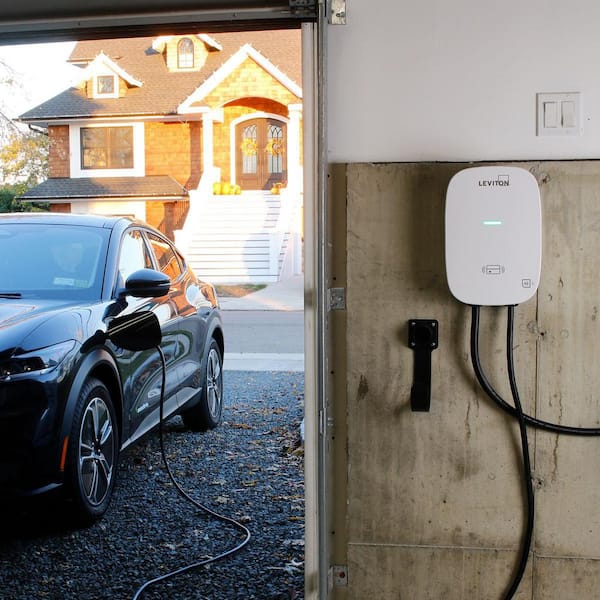
The most popular place for Level 2 charging is the home garage or driveway. Home charging is convenient because you can “refuel” overnight. Most home units are wall-mounted and weatherproof.
2. Workplaces
Many employers install Level 2 chargers to support employees with EVs. Charging at work can double your daily driving range.
3. Public Parking Lots
Shopping centers, hotels, and city parking garages often have Level 2 stations for guests and customers. This encourages more people to visit and stay longer.
4. Multi-family Buildings
Apartments and condos are beginning to add Level 2 chargers for residents. These can be shared or assigned to individual parking spots.
5. Fleets And Commercial Sites
Companies with electric delivery vans or trucks use Level 2 stations to keep their vehicles ready. It’s also common for car-sharing services.
Non-obvious insight: Some cities now require new buildings to include EV charging “readiness,” making it easier to add Level 2 stations in the future.
Components And Features Of Level 2 Charging Stations
Not all Level 2 chargers are the same. When you look for a station, you’ll notice differences in features, design, and price.
Main Components
- Charging cable: Choose a length that fits your parking situation.
- Connector: Most use the J1772 plug, but Tesla owners will need an adapter.
- Power rating: Common values are 16A, 32A, 40A, or higher.
- Installation type: Hardwired (permanent) or plug-in (can be moved).
- Weatherproofing: Outdoor stations need higher protection ratings (look for NEMA 4 or IP66).
Smart Features
Modern Level 2 chargers often include:
- Wi-Fi or Bluetooth connectivity
- Smartphone apps for control and monitoring
- Load balancing (for multiple chargers on one circuit)
- Integration with solar or battery systems
Some “dumb” chargers skip these features but are simpler and cheaper.
Safety And Certifications
Look for stations with:
- UL or ETL certification (safety tested)
- Ground fault circuit interrupter (GFCI)
- Overcurrent and overvoltage protection
These keep you, your car, and your home safe.
Level 2 Charging Station Vs. Level 1 And Level 3: What’s The Difference?
It’s easy to get confused by the different charging levels. Here’s a side-by-side comparison to make it clear:
| Feature | Level 1 | Level 2 | Level 3 (DC Fast) |
|---|---|---|---|
| Voltage | 120V AC | 240V AC | 400V+ DC |
| Typical Power | 1.4 kW | 3.3–19.2 kW | 50–350 kW |
| Charging Speed | 3–5 miles/hour | 10–60 miles/hour | 100+ miles/30 min |
| Home Use | Yes | Yes | No |
| Cost | Low | Medium | High |
| Connector | J1772 | J1772/Type 2/Tesla | CCS/CHAdeMO/Tesla |
Level 2 is the best fit for most homes and daily use. Level 1 is too slow for most people, while Level 3 is mainly for road trips or commercial fleets.
How To Install A Level 2 Charging Station At Home
Installing a Level 2 charger is not as simple as plugging in a toaster. It usually needs some planning and electrical work. Here’s what you need to know:
1. Check Electrical Capacity
A Level 2 charger needs a dedicated 240V circuit, usually 30 to 50 amps. Check your home’s electrical panel for spare capacity. Older homes may need an upgrade.
2. Choose Hardwired Or Plug-in
Some chargers are hardwired (wired directly to the panel). Others use a NEMA 14-50 or 6-50 plug (like an electric oven). Plug-in units are easier to move or replace, but hardwired units are often more weatherproof.
3. Hire A Qualified Electrician
Don’t try to DIY unless you are licensed. An electrician will:
- Install the circuit breaker and wiring
- Mount the charging station
- Test for safety and code compliance
4. Permits And Inspections
Most cities require a permit and inspection for new 240V circuits. This ensures your installation meets local codes.
5. Outdoor Installations
If you want to charge outside, choose a weatherproof unit. Make sure the cable can reach your car in different parking spots.
6. Cost Of Installation
The cost varies. Typical installation in North America ranges from $500 to $2,000, depending on your home’s setup and the complexity of the work.
Practical tip: Get quotes from several electricians and ask if your utility company offers rebates or incentives for EV charging.

How Much Does A Level 2 Charging Station Cost?
The cost of a Level 2 charger includes both the hardware and installation.
Hardware Costs
Most Level 2 charging stations cost between $400 and $900 for home units. Commercial units with smart features can cost $1,000 or more.
Installation Costs
As mentioned, installation can add $500 to $2,000. Factors that affect cost:
- Distance from electrical panel to charging location
- Need for panel upgrade or new circuit
- Outdoor vs. indoor installation
Ongoing Costs
Charging at home is usually much cheaper than gasoline. For example, if electricity costs $0.13 per kWh, and your EV uses 30 kWh per 100 miles, then:
- Driving 1,000 miles costs about $39 in electricity.
Many utility companies offer special “EV rates” for overnight charging, saving you more.
Incentives And Rebates
Check for government or utility rebates. In the US, some states offer up to $500 back for home charger installation. Some automakers also provide free or discounted chargers with a new EV.
Non-obvious insight: Some insurance companies offer discounts if you have a home charging station. Ask your provider.
Smart Vs. Basic Level 2 Charging Stations
There are two main types of Level 2 chargers for home use: “smart” and “basic.”
| Feature | Smart Charger | Basic Charger |
|---|---|---|
| Wi-Fi/Bluetooth | Yes | No |
| Remote Control | Yes (via app) | No |
| Energy Monitoring | Yes | No |
| Scheduling | Yes | No |
| Cost | Higher | Lower |
Which is better? If you want control and data, a smart charger is worth it. If you only need simple, reliable charging, a basic unit may save you money.
Choosing The Right Level 2 Charging Station
With many models available, making the right choice can feel overwhelming. Here’s what really matters:
1. Power Rating
Pick a unit that matches your vehicle’s onboard charger. For example, if your car only accepts 7. 2 kW, buying a 19. 2 kW station is unnecessary.
2. Cable Length
Longer cables (20–25 feet) are more flexible, especially if your parking spot changes.
3. Durability
Check the weatherproof rating if you’ll install outdoors.
4. Smart Features
If you want remote control, scheduling, or energy data, choose a smart charger.
5. Brand And Warranty
Choose a reputable brand with a good warranty (at least 3 years). Popular brands include ChargePoint, JuiceBox, Enel X, and Tesla.
6. Rebates And Compatibility
Look for utility rebates, and check the charger works with your car and home.
Common mistake: Buying a charger that is “future-proof” but requires expensive electrical upgrades. Match the charger to your real needs.
Safety And Maintenance
Level 2 chargers are designed to be safe and reliable, but they do need some basic care:
- Inspect the cable and connector regularly for damage.
- Keep the unit clean and dry.
- Test the GFCI function (if available) every few months.
- If the charger trips the breaker often, call an electrician.
Most units are maintenance-free, but outdoor stations may need more attention.
Environmental Impact
Charging at home with a Level 2 station is much greener than gasoline, especially if your electricity comes from renewable sources. Even on a regular grid, EVs produce fewer emissions. For example, the US Department of Energy reports that EVs can reduce carbon emissions by 30–60% compared to gasoline cars.
If you have solar panels, you can charge your car with clean energy, further reducing your carbon footprint.
The Future Of Level 2 Charging
The world of EV charging is changing quickly. Some trends to watch:
- More “smart” chargers with advanced software.
- Bi-directional charging (using your car battery to power your home).
- Universal connectors and faster charging for all brands.
- Wider installation in workplaces, apartments, and public spaces.
Regulations are pushing for more EV infrastructure, making Level 2 charging easier to access everywhere.
Frequently Asked Questions
What Connector Do Most Level 2 Charging Stations Use?
Most Level 2 stations in North America use the J1772 connector. European stations use the Type 2 connector. Tesla vehicles use their own plug but come with adapters for J1772 or Type 2.
Can I Install A Level 2 Charger Myself?
If you are a licensed electrician, yes. For most homeowners, it’s safer and usually required by law to hire a professional. This ensures the system is installed to code and works safely.
How Much Faster Is Level 2 Charging Compared To Level 1?
Level 2 charging is usually 4 to 10 times faster than Level 1. For example, you might get 25 miles of range per hour with Level 2, versus 4 miles per hour with Level 1.
Do Level 2 Charging Stations Work With All Evs?
Almost all modern EVs can use Level 2 chargers. Some cars may need an adapter for the connector type, but the charging power is compatible.
Where Can I Find A List Of Public Level 2 Charging Stations?
You can use websites like PlugShare, ChargePoint, or your car’s navigation system to find public Level 2 chargers. For a global list and more information, see Wikipedia’s Charging Station page.
Owning an electric car means thinking differently about refueling. With the right Level 2 charging station, your EV can be charged quickly, safely, and conveniently—whether at home, work, or in public. Understanding how these chargers work, what features to look for, and how to install them ensures you get the most out of your electric vehicle experience.
As EVs become more common, Level 2 charging stations will play a key role in building a cleaner, smarter future for all drivers.