
A magnetic drill press, often called a mag drill, is an essential tool for anyone working with metal. Whether you are a fabricator, construction worker, or maintenance engineer, you may come across situations where drilling precise holes in steel or other metals is required.
In these cases, using a regular handheld drill can be difficult and even dangerous. The magnetic drill press offers a powerful and stable solution, making the job easier and more accurate.
This article will explain what a magnetic drill press is, how it works, and why it is different from other drilling machines. You’ll learn about its main parts, common uses, benefits, and how to choose the right model for your needs. We’ll also look at safety tips, maintenance, and answer some common questions. By the end, you’ll know if a mag drill is the right tool for your next project.
What Is A Magnetic Drill Press?
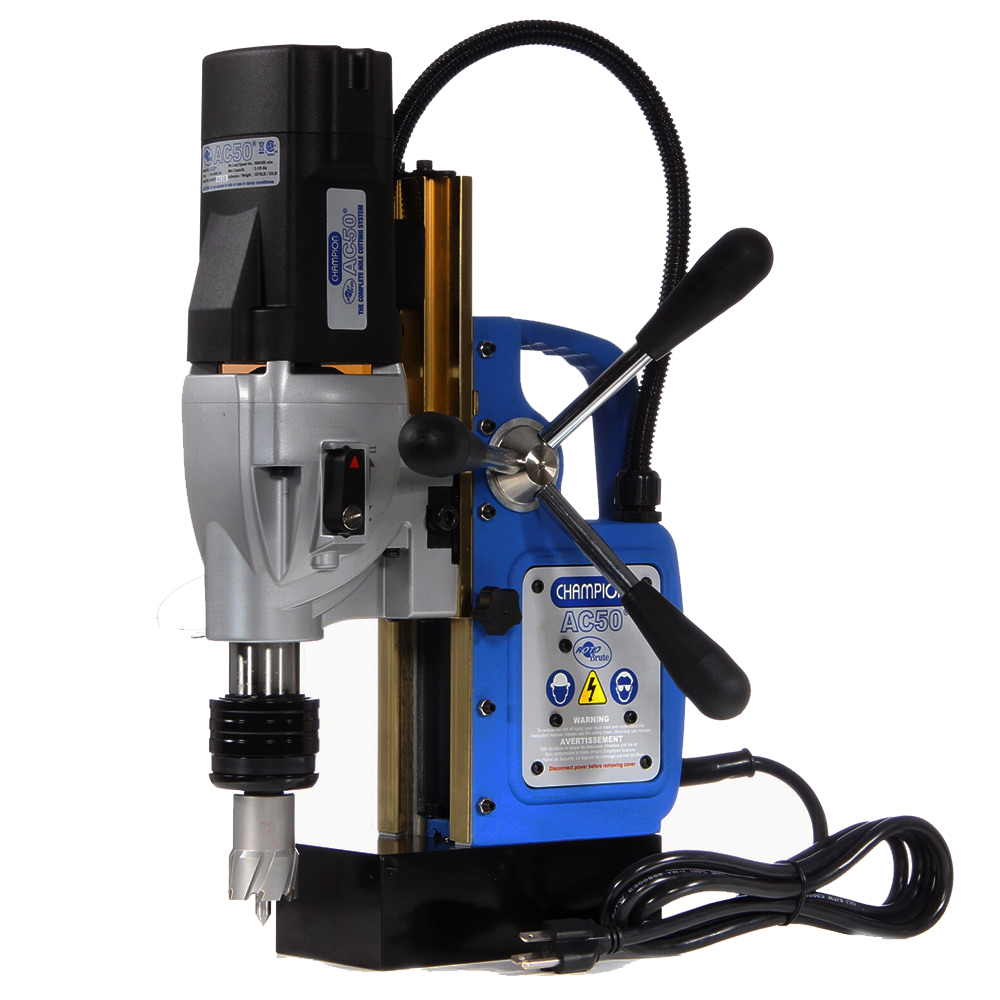
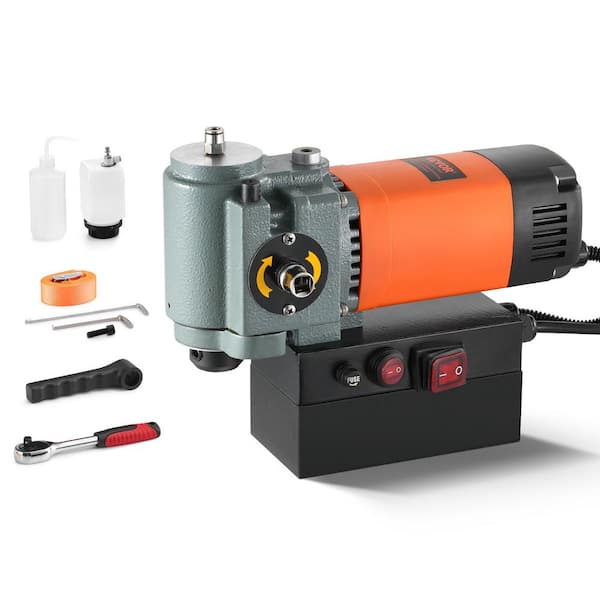
A magnetic drill press is a portable drilling machine designed to drill holes in metal surfaces. What makes it unique is the strong electromagnetic base that holds the machine firmly on the metal workpiece. This magnet creates a secure grip, so the drill does not move or slip during operation.
The main advantage of a mag drill is its portability and stability. Unlike large stationary drill presses, you can bring a mag drill directly to the workpiece, even if it’s a large steel beam, pipe, or plate. This is especially useful on construction sites, shipyards, or in repair work where moving heavy parts is not practical.
How Does A Magnetic Drill Press Work?
When you switch on the mag drill, the electromagnet in the base activates and attaches the machine to a ferrous (iron-containing) metal surface. The drill bit is aligned above the spot you want to drill. As you start the motor, the bit spins and, with the help of feed handles, you lower the bit into the metal. The magnet keeps the whole machine steady, allowing for straight and clean holes.
Some mag drills also have features like:
- Variable speed control
- Reverse function (for tapping threads)
- Built-in coolant systems
- Safety sensors to prevent accidental movement
Key Components Of A Magnetic Drill Press
Understanding the main parts of a mag drill helps you use and maintain it better. Here are the core components:
- Electromagnetic Base: This is the “magnetic” part. It’s usually a flat, strong magnet powered by electricity. When activated, it can hold several hundred kilograms of force on a clean, flat steel surface.
- Motor: Powers the rotation of the drill bit. Motors can range from 800W to over 2000W, depending on the model and its intended use.
- Gearbox: Adjusts the speed and torque delivered to the drill bit. Some mag drills let you select different speeds for different materials.
- Feed Handle: Used to manually move the drill bit down into the workpiece. Some models offer automatic or powered feed systems for heavy-duty work.
- Drill Chuck or Arbor: The part that holds the cutting tool, such as a twist drill bit or an annular cutter.
- Control Panel: Includes switches for the motor, magnet, and sometimes speed or coolant controls.
- Coolant System: High-end models may have a built-in coolant tank and pump to keep the drill bit cool, extend tool life, and improve cutting performance.
- Safety Features: These include safety switches, circuit breakers, and sensors to ensure the magnet is active before the drill can start.
Types Of Magnetic Drill Presses
Not all magnetic drill presses are the same. They come in different styles for different jobs.
Light-duty Mag Drills
These are compact and lightweight, usually under 10 kg (22 lbs). They are ideal for overhead or vertical drilling where portability matters most. Light-duty models often have lower power motors and are best for small-diameter holes (up to 25 mm or 1 inch).
Standard-duty Mag Drills
The most common type, these balance power and portability. Standard-duty models can drill holes up to 50 mm (2 inches) in diameter and handle most construction or workshop jobs. They typically weigh 10–18 kg (22–40 lbs).
Heavy-duty Mag Drills
These are designed for large holes, thick steel, and production environments. Heavy-duty models may weigh over 20 kg (44 lbs), have powerful motors (above 1500W), and accept large annular cutters. They often include advanced features like automatic feed and high-capacity coolant systems.
Specialized Mag Drills
Some mag drills are made for specific tasks:
- Pneumatic (air-powered) mag drills for use in explosive environments, like oil refineries.
- Cordless mag drills for locations without power outlets.
- Low-profile mag drills for tight spaces, such as inside beams or between pipes.
How A Magnetic Drill Press Differs From Other Drills
It’s easy to confuse a mag drill with a regular drill press or handheld drill. However, there are important differences.
| Feature | Magnetic Drill Press | Handheld Drill | Stationary Drill Press |
|---|---|---|---|
| Portability | High | Very High | Low |
| Precision | Very High | Low–Medium | High |
| Workpiece Size | Very Large | Small–Medium | Limited by table |
| Stability | Magnetically fixed | Handheld | Clamped to table |
| Best For | Metal fabrication, site work | General use, wood, plastic | Workshop, repetitive drilling |
Common Applications Of Magnetic Drill Presses
Magnetic drill presses are used in many industries. Their main advantage is being able to drill precise holes in metal, even in awkward positions. Here are some of the most common applications:
- Steel Construction: Making holes in beams, columns, and plates for bolted connections.
- Shipbuilding: Drilling holes in hulls, decks, and frames, often in tight or vertical spaces.
- Railway Maintenance: Drilling or enlarging holes in rails and track components.
- Bridge Building: On-site drilling of large steel structures.
- Heavy Equipment Repair: Making or repairing mounting holes on machinery.
- Pipeline and Oilfield Work: Creating precise holes for pipe supports or flanges.
- Wind Turbine Construction: Drilling on large, curved steel surfaces.
- Metal Fabrication Shops: Repetitive hole making in thick plates.
- Mining: Field repairs of large mining equipment.
- Industrial Maintenance: General repairs requiring accurate holes in metal structures.
One non-obvious insight: Magnetic drill presses are often used for tapping (cutting internal threads) and countersinking (creating a cone-shaped hole for screws), not just drilling. Many models have reverse functions or special attachments for these tasks.
Types Of Drill Bits And Cutters Used
A mag drill can use several types of cutting tools. Choosing the right one makes the work faster and extends tool life.
Annular Cutters
These are the most common tool for mag drills. Annular cutters are hollow, ring-shaped bits that cut only the outer edge of a hole. They remove less material than a solid drill bit, so they cut faster and produce cleaner holes.
- Sizes: Typically 12 mm to 100 mm (0.5 to 4 inches) in diameter.
- Depth: Most cutters can drill 25, 35, 50, or 75 mm deep.
Twist Drill Bits
Standard solid bits, similar to those used in handheld drills. Useful for small holes or when an annular cutter is not available.
Countersink Bits
Used to create a beveled edge at the top of a hole, so fasteners sit flush with the surface.
Tapping Attachments
Let you cut internal threads in a pre-drilled hole. Not all mag drills support tapping, so check your model.
Step Bits And Other Special Tools
Step bits (cone-shaped, multi-size) are used for enlarging existing holes or drilling through thin materials.
Key Benefits Of Using A Magnetic Drill Press
Why choose a mag drill over other tools? Here are the main advantages:
- High Precision: The magnetic base ensures the bit does not wander, so holes are straight and repeatable.
- Portability: You can bring the tool to the workpiece, not the other way around. This is critical for large or fixed steel structures.
- Time Saving: Annular cutters and powerful motors let you drill large holes quickly.
- Safety: Reduced chance of the drill slipping, especially on vertical or overhead surfaces.
- Versatility: Can drill, tap, countersink, and ream holes in a wide range of metal thicknesses.
- Cleaner Holes: Annular cutters leave a smooth finish and produce less burr.
A detail beginners often miss: The magnetic base only works on ferrous metals. It will not attach to aluminum, stainless steel, or non-magnetic surfaces. In these cases, a special chain clamp or vacuum base may be required.
Limitations And Challenges
No tool is perfect. Magnetic drill presses have some limitations you should know:
- Magnet requires clean, flat surfaces: Rust, paint, or uneven steel can weaken the magnetic hold.
- Needs power supply: Most mag drills are corded and require electricity. Cordless models have shorter run times.
- Limited to ferrous metals: As noted earlier, the base only works on magnetic materials.
- Weight: Heavy-duty models can be difficult to lift, especially in awkward positions.
- Safety risks: If the magnet loses power, the drill can fall or move suddenly.
How To Use A Magnetic Drill Press Safely
Safety is always important when working with power tools. Here are steps for safe mag drill operation:
- Inspect the Surface: Clean off rust, paint, or debris from the steel so the magnet grips fully.
- Secure the Drill: Place the mag drill flat on the surface. Activate the magnet before starting the motor.
- Use Safety Chains: Attach the included safety chain or strap to prevent the drill from falling if the magnet fails.
- Wear Protective Gear: Eye protection, gloves, and hearing protection are essential.
- Check Coolant Supply: If drilling large or deep holes, use cutting fluid to keep the bit cool.
- Feed Slowly: Do not force the drill. Let the cutter work at its own speed.
- Unplug When Not in Use: Always disconnect power before changing bits or moving the drill.
- Stay Clear During Operation: Do not put hands near moving parts or rotating bits.
A common mistake: Skipping the safety chain. Even if the magnet feels strong, a sudden power cut can cause the drill to drop, risking injury or damage.
Choosing The Right Magnetic Drill Press
Buying the right mag drill is all about matching the tool to your needs. Here’s what to consider:
1. Hole Size And Depth
- Maximum diameter: Choose a drill that can handle the largest hole you’ll need.
- Depth of cut: Check the maximum depth the drill can cut in one pass.
2. Motor Power
- For small holes (up to 25 mm): 800–1000W is usually enough.
- For large holes (over 40 mm): Look for 1500W or more.
3. Weight And Portability
- Light models are easier to use overhead or on vertical surfaces.
- Heavy models offer more power but may be harder to position.
4. Speed Control
- Variable speed lets you adjust for different materials (mild steel, stainless, etc. ).
- Multi-speed gearboxes are useful for tapping or using large cutters.
5. Safety Features
- Magnetic field detection (machine only runs when magnet is active)
- Overload protection
- Emergency stop switch
6. Accessories
- Coolant tanks, tapping attachments, carrying cases, and spare parts.
7. Price And Brand Reputation
- Well-known brands may cost more but usually offer better reliability and support.
8. Power Source
- Corded models for unlimited run time
- Cordless models for remote or hard-to-reach locations
Here’s a comparison of three popular mag drills to help visualize the differences:
| Model | Max Hole Diameter | Motor Power | Weight | Speed Control | Best For |
|---|---|---|---|---|---|
| FEIN KBE 30 | 32 mm | 800W | 10 kg | Single speed | Light fabrication |
| Milwaukee M18 FUEL Cordless | 38 mm | 18V battery | 13 kg | Variable speed | Remote sites |
| Evolution EVO42 | 42 mm | 1200W | 12 kg | Two speed | General site work |
Maintenance Tips For Long Life
Proper care can make your mag drill last for years. Here are some practical tips:
- Clean the Magnet: Wipe the base after each use to keep it free of metal shavings and oil.
- Check Power Cord and Switches: Look for signs of wear or damage. Replace faulty parts immediately.
- Lubricate Moving Parts: Apply light oil to the feed handle and guide rails.
- Sharpen or Replace Cutters: Dull bits work slowly and can damage the motor.
- Inspect Safety Chain: Make sure it is not frayed or weakened.
- Store Properly: Keep in a dry, secure place. Use the carrying case if available.
A non-obvious tip: Never store the mag drill with the magnet “on.” This can weaken the magnet over time.
Real-world Example: Using A Mag Drill In Bridge Construction
Imagine a team building a steel bridge. The steel beams are too large to move to a workshop drill press. Workers use a heavy-duty mag drill to make bolt holes directly on site. The magnet holds the drill steady, even on vertical surfaces.
With annular cutters, they finish each hole in under a minute, saving hours compared to manual drilling.
In one famous project, the use of mag drills cut the total drilling time by over 60%, reduced worker fatigue, and improved hole accuracy, leading to faster assembly and fewer mistakes.
Myths And Misunderstandings
Some people believe mag drills are only for professionals or very large projects. In reality, even small repair shops or DIY enthusiasts can benefit if they need to drill accurate holes in steel. Another myth is that mag drills are dangerous.
Like any power tool, they can be safe if used with proper training and precautions.
Environmental Impact And Recycling
Mag drills themselves are built to last and rarely become waste. However, used drill bits and annular cutters should be recycled as scrap metal whenever possible. Some companies now offer battery-powered mag drills, reducing the need for generators on remote sites and lowering carbon emissions.
If you want to learn more about the history and development of magnetic drilling technology, check out this Wikipedia article.
Frequently Asked Questions
What Materials Can A Magnetic Drill Press Work On?
A mag drill works best on ferrous metals like mild steel or cast iron. The magnet will not stick to aluminum, copper, or stainless steel unless they are magnetized. For non-magnetic metals, special clamping bases or vacuum pads are needed.
Can I Use A Mag Drill Upside Down Or On A Vertical Surface?
Yes, as long as the magnetic base has a strong grip and the surface is clean and flat, mag drills can be used overhead or vertically. Always use the safety chain to prevent accidents if the magnet loses power.
What Is The Difference Between An Annular Cutter And A Twist Drill Bit?
An annular cutter is a hollow, ring-shaped tool that cuts only the outer edge of a hole, making the process faster and leaving a cleaner finish. A twist drill bit is solid and removes all material from the center, which is slower and creates more heat.
How Do I Maintain The Magnetic Base?
Keep the magnet clean and dry. Avoid dropping the drill, as impacts can weaken the magnet. Do not store the tool with the magnet energized. Check for oil, chips, or rust before each use for best holding force.
Is It Safe To Use A Mag Drill On Painted Or Rusty Surfaces?
No, paint or rust can reduce the holding power of the magnetic base. Always clean the surface before attaching the drill. If the surface cannot be cleaned, use mechanical clamps as an extra safety measure.
A magnetic drill press is more than just a specialized tool—it is a game changer for anyone working with steel or iron. With the right model, proper use, and regular care, you can tackle tough drilling jobs quickly, safely, and accurately.
Whether you are a seasoned pro or a beginner, understanding how mag drills work opens up new possibilities for your metalworking projects.