
A welder’s spark can build bridges, repair cars, or create art. But not all welders are the same. If you’ve ever wondered how professionals join metal quickly and cleanly, you’re likely thinking of a MIG welder. This tool is a favorite for both experts and beginners. It’s fast, versatile, and surprisingly easy to use. But what exactly is a MIG welder? How does it work, and why is it so popular? This article explains everything you need to know, from the basics to advanced tips. You’ll learn how MIG welding fits into the world of metalwork, what makes it special, and how to choose the right one for your needs. Whether you want to fix a gate, start a new hobby, or understand how industries build strong structures, knowing about MIG welders opens up a world of possibilities.
What Is A Mig Welder?
MIG welder stands for Metal Inert Gas welder. This machine uses a simple idea: it joins pieces of metal by melting them together with a wire and electricity, all while shielding the weld from air using a special gas. The wire acts as both the electrode and the filler material. The process is also called Gas Metal Arc Welding or GMAW.
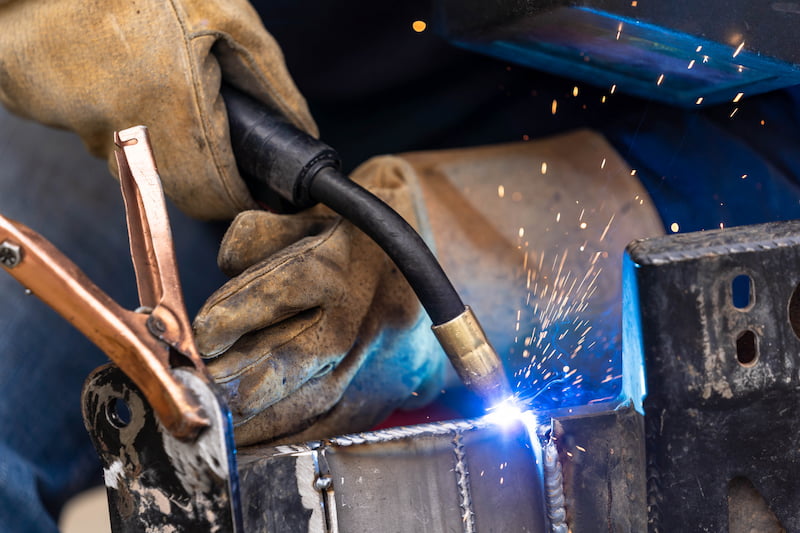
The MIG welder feeds a thin wire automatically through a gun. When you press the trigger, the wire touches the metal, making a small electric arc. This arc creates intense heat, melting both the wire and the metal surface. A steady flow of shielding gas (often argon, CO₂, or a mix) protects the hot metal from oxygen and moisture.
This stops rust, bubbles, or weak spots from forming in the weld.
MIG welding is known for its speed, clean look, and ease of learning. It’s used in car repair shops, factories, home garages, and even by artists. Unlike older methods, it doesn’t need constant rod changes or chipping away slag. The result is smooth, strong welds with less effort.
How Does A Mig Welder Work?
To understand a MIG welder, imagine a glue gun, but for metal. Instead of glue, you have a spool of wire. Instead of squeezing, you press a trigger. Here’s what happens, step by step:
- Wire Feeding: The machine pushes a thin, solid wire through a flexible hose to the welding gun.
- Electrical Arc: When the wire touches the metal, electricity jumps across, creating a super-hot arc (over 6,000°C or 10,800°F).
- Melting and Joining: The arc melts both the wire and the metal’s surface, letting them mix together.
- Shielding Gas: At the same time, gas flows out of the gun’s nozzle, covering the area and blocking air.
- Solid Weld: As you move the gun, the melted metals cool and harden, leaving a strong, neat joint.
This all happens in seconds. The welder controls the speed of the wire, the amount of electricity (voltage and amperage), and the gas flow. Changing these settings lets you weld thin car panels or thick steel beams.
A key point: MIG welding is semi-automatic. You guide the gun, but the machine feeds the wire for you. This makes it much less tiring and gives steady results.
Main Components Of A Mig Welder
A MIG welder is more than just a box with a trigger. Each part has a job, and understanding them helps you get better welds.
Power Supply
This is the heart of the welder. It converts normal wall electricity into the right voltage and current for welding. Most MIG welders use direct current (DC), which gives smoother, cleaner welds.
Wire Feed System
Inside the machine, a motor spins a spool of welding wire. Rollers grip the wire and push it through a long, flexible cable to the gun. You can set the wire speed to match your welding pace and material thickness.
Welding Gun
The gun is where the action happens. It’s shaped to fit your hand and has a trigger to start the process. Inside, the wire, gas, and electric current all meet. The tip of the gun is made of copper to handle high heat.
Shielding Gas Supply
A tall gas cylinder sits beside the welder. It’s filled with argon, carbon dioxide (CO₂), or a mix. Gas flows through a hose and out the gun’s nozzle, forming a protective “cloud” around the weld.
Ground Clamp
This metal clip connects your workpiece (the metal you’re welding) to the machine. It completes the electrical circuit, letting the arc form when you pull the trigger.
Control Panel
Modern MIG welders have easy-to-use dials or digital screens. You can adjust voltage, wire speed, and sometimes even save settings for different jobs.
Types Of Mig Welders
Not all MIG welders are built the same. The main differences come down to size, power, and extra features. Here are the main types:
1. Compact Mig Welders
These are small, portable units for light work. They often run on 110-120V household power. Perfect for DIY projects, car repairs, and thin metals. Some models combine MIG and flux-cored welding.
2. Industrial Mig Welders
Larger, heavier, and more powerful, these run on 220-240V or even three-phase electricity. They can weld thick steel, aluminum, and are used in factories, shipyards, and large workshops.
3. Multi-process Welders
These machines can do MIG, TIG, and Stick welding. Great if you want flexibility without buying several welders. But they may not be as strong as a dedicated MIG machine for heavy use.
4. Synergic Mig Welders
A newer type, these have smart controls. You set the metal type and thickness, and the welder picks the best settings for you. This makes starting out much easier and reduces mistakes.
5. Gasless Mig Welders
Sometimes called flux-cored welders, these use a special wire filled with flux instead of shielding gas. Good for outdoor work where wind would blow the gas away. However, the welds can be messier and need more cleaning.
Credit: fractory.com
What Makes Mig Welding Different?
You might hear about Stick welding (SMAW) or TIG welding (GTAW). So, what sets MIG apart?
- Ease of Use: MIG welding is often called “point-and-shoot.” The wire feeds automatically, so beginners learn faster.
- Speed: Because you don’t have to stop to change rods or brush away slag, you can weld faster and cover more area.
- Clean Welds: The shielding gas keeps the weld neat, with less spatter and almost no slag to chip away.
- Versatility: MIG welders can handle steel, stainless steel, and with the right setup, even aluminum.
- Continuous Welding: The wire comes from a big spool, so you can weld long seams without stopping.
However, MIG welding needs clean metal to work well. It’s not ideal for rusty or painted surfaces. And because the gas can be blown away, it’s less suited for windy outdoor jobs unless you switch to flux-cored wire.
Common Uses For Mig Welders
MIG welding pops up in many industries and hobbies. Here’s where you’re likely to find it:
- Automotive Repair: Fixing car bodies, frames, and exhausts. MIG welders make strong, smooth joints on thin metal panels.
- Metal Fabrication: Building gates, fences, racks, and furniture from steel or aluminum.
- Construction: Welding beams and supports in buildings, bridges, and infrastructure.
- Manufacturing: Mass-producing parts for machines, tools, and equipment.
- Art and Sculpture: Artists use MIG welders for creative metalwork due to its precision and clean finish.
- Home Projects: Repairing lawnmowers, trailers, or creating custom metalwork in a garage.
- Shipbuilding and Aerospace: Strong, reliable welds are vital in these fields, and MIG is often the method of choice.

Credit: www.youtube.com
Pros And Cons Of Mig Welders
Every tool has its strengths and weaknesses. Here’s how MIG welders stack up:
Advantages
- Easy to Learn: Most people pick up MIG welding skills in hours, not weeks.
- High Productivity: You can weld quickly and for a long time without stopping.
- Clean Welds: Little spatter and almost no slag means less cleanup.
- Versatile: Works on many metals and thicknesses with a simple change of wire or gas.
- Good for Thin Metals: MIG is less likely to burn through car panels or sheet metal.
Disadvantages
- Sensitive to Wind: Shielding gas can blow away outdoors, causing poor welds.
- Cleanliness Needed: Rust, oil, or paint must be removed for strong welds.
- Equipment Cost: Requires a gas tank, wire, and sometimes special tips or liners.
- Not for All Metals: While it can weld aluminum, it needs special wire and settings. Some exotic metals are better suited to TIG welding.
Mig Welding Vs Other Welding Methods
Choosing the right welding process depends on your project. Here’s a comparison of MIG with Stick and TIG welding:
| Feature | MIG Welding | Stick Welding | TIG Welding |
|---|---|---|---|
| Skill Level | Easy | Moderate | Advanced |
| Speed | Fast | Medium | Slow |
| Cleanliness | High | Low (slags) | Very High |
| Metal Thickness | Thin to Thick | Medium to Thick | Thin |
| Outdoor Use | Poor (needs gas) | Excellent | Poor |
| Material Types | Steel, SS, Aluminum | Steel, Cast Iron | Most metals |
| Setup Time | Short | Short | Long |
Non-obvious insight: Many beginners assume MIG is only for thin metals, but with the right machine, you can weld up to half-inch thick steel. Also, most don’t realize that MIG’s speed can sometimes cause poor fusion if you move too quickly—so balance speed with quality.
Essential Settings And Controls On A Mig Welder
Getting good welds is not just about pointing and shooting. The right settings make a big difference. Here’s what you control on a MIG welder:
Voltage
This controls how much power is delivered. Higher voltage gives a flatter, wider weld; lower voltage makes a narrow bead. Set it based on metal thickness.
Wire Feed Speed
This is how fast the wire comes out of the gun. Too fast, and you get spatter; too slow, and the arc keeps breaking. Match it to your voltage and the type of metal.
Gas Flow Rate
Usually set between 15-25 cubic feet per hour (CFH). Too little gas, and air contaminates the weld. Too much, and you waste gas (and can create turbulence that sucks air in).
Polarity
Most MIG welding uses DC Electrode Positive (DCEP). Some wires or metals may need a different setting.
Inductance
On advanced machines, this controls the arc’s “softness. ” Higher inductance makes a smoother, less spattery weld.
Pro tip: Always test your settings on a scrap piece before starting the real job. Write down settings that work for you, especially for tricky metals.
Materials You Can Weld With A Mig Welder
MIG welders aren’t just for mild steel. With the right setup, you can join different metals:
- Mild Steel: The most common, and the easiest to weld.
- Stainless Steel: Needs special wire and shielding gas, but works well.
- Aluminum: Requires a spool gun (to prevent wire tangling), pure argon gas, and the right wire.
- Copper, Bronze, and Others: Less common, but possible with specialized wire and settings.
Different metals need different wires and gases. For example, welding aluminum with a regular MIG gun can cause jams because aluminum wire is soft. A spool gun puts the wire spool right at the gun, reducing problems.
Mig Welding Wire Types And Sizes
Wire is the backbone of MIG welding. The type and size of wire affect strength, appearance, and ease of welding.
Common Wire Types
- ER70S-6: Most popular for mild steel. Contains extra deoxidizers for better welds on slightly dirty metal.
- ER308L: For stainless steel.
- ER4043 or ER5356: For aluminum.
Wire Sizes
Wire comes in different diameters. Here’s a quick guide:
| Wire Size | Best For | Advantages |
|---|---|---|
| 0.023” (0.6mm) | Thin sheet metal | Low heat, less burn-through |
| 0.030” (0.8mm) | General purpose | Good balance of control and strength |
| 0.035” (0.9mm) | Thicker metal | More filler, stronger welds |
| 0.045” (1.2mm) | Heavy steel | High deposition rate |
Insight: Many DIY users pick the thickest wire, thinking it’s stronger. In fact, smaller wire is often better for thin metal, as it melts faster and gives better control.
Shielding Gases For Mig Welding
The choice of shielding gas affects weld quality, spatter, and even color. Here are the main types:
- 100% CO₂: Cheap and gives deep penetration, but more spatter.
- 75% Argon / 25% CO₂: The most common mix for steel. Good balance of cost, spatter, and smoothness.
- 100% Argon: Used for aluminum and sometimes thin stainless steel.
- Special Mixes: For special metals or to get a certain look.
Some welders try to save money by using straight CO₂, but this can lead to rougher welds. For most home and shop work, the 75/25 argon-CO₂ mix is the best choice.
Safety Tips When Using A Mig Welder
MIG welders make work easier, but they are powerful tools. Safety should always come first.
- Wear a Welding Helmet: Protects your eyes from the bright arc and UV light.
- Use Gloves and Long Sleeves: Sparks and hot metal can cause burns.
- Ventilate the Area: Welding creates fumes. Work in a well-ventilated space or use a fume extractor.
- Check Gas Leaks: Leaking gas is dangerous and expensive.
- Ground the Workpiece: Prevents electric shock.
- Keep Flammable Materials Away: Sparks can ignite nearby paper, oil, or chemicals.
- Inspect Equipment Regularly: Damaged cables or hoses can cause accidents.
Uncommon tip: Many beginners forget to check for reflected UV light. Even if you’re not looking at the arc directly, shiny surfaces can bounce harmful rays to your eyes or skin.
How To Choose The Right Mig Welder
With so many models, picking the right MIG welder can be confusing. Focus on what matters most:
1. Power Requirements
Check if your workshop has 110V or 220V outlets. Higher voltage machines can weld thicker metal but may need special wiring.
2. Duty Cycle
This tells you how long you can weld before the machine needs to cool down. For example, a 30% duty cycle at 90 amps means you can weld for 3 minutes out of every 10.
3. Material Thickness
Choose a welder that matches the thickest metal you plan to work with. Most home units handle up to 3/16” steel.
4. Wire Feed Speed Range
A broad range gives more control over different jobs.
5. Portability
If you need to move your welder, look for a compact, lightweight model with a handle or wheels.
6. Extra Features
- Spool Gun Ready: Needed for aluminum.
- Digital Controls: Easier to fine-tune.
- Multi-process Capability: If you want TIG or Stick welding too.
7. Budget
Don’t just buy the cheapest. Cheap welders may have poor wire feed systems, leading to frustration and wasted money.
Common mistake: Many buyers skip checking the duty cycle. If you plan to weld a lot at once, a small machine can overheat and shut down, slowing your work.
Mig Welder Maintenance
A well-cared-for MIG welder lasts longer and works better. Here’s how to keep yours in top shape:
- Clean the Nozzle and Tip: Spatter builds up quickly. Wipe with a wire brush or use anti-spatter spray.
- Check the Wire Liner: If wire jams or feeds unevenly, the liner may be dirty or kinked.
- Inspect Cables and Hoses: Look for cracks or leaks, especially near the connections.
- Store Gas Cylinder Safely: Upright and secured, away from heat.
- Replace Worn Parts: Contact tips, nozzles, and drive rollers wear out and are easy to swap.
- Blow Out Dust: Use compressed air to clean inside the machine, but unplug it first.
Tip: Keep a spare tip and nozzle on hand. They’re cheap, and changing them can fix many welding problems instantly.
Common Problems And Solutions In Mig Welding
Every welder runs into trouble. Here’s how to fix the most common issues:
Wire Feeding Problems
- Birdnesting: The wire tangles at the feeder. Solution: Check spool tension and liner.
- Erratic Feeding: Clean or replace the wire liner, check drive rollers.
Porosity (holes In Weld)
- Shielding Gas Flow: Make sure gas is flowing and the nozzle is clean.
- Drafts: Weld in a wind-free area or use a windscreen.
Excessive Spatter
- Wrong Voltage/Wire Speed: Adjust settings.
- Dirty Metal: Clean the area before welding.
Weak Welds
- Not Enough Heat: Increase voltage or wire size.
- Moving Too Fast: Slow your travel speed.
Pro insight: Sometimes, a new spool of wire fixes feeding and arc problems instantly. Old wire can rust and cause endless headaches.

Credit: simpleweld.com
Cost Of Mig Welders And Accessories
Prices vary widely based on features and power. Here’s a rough breakdown:
- Entry-Level (Hobby): $150–$400. Good for thin steel and light projects.
- Mid-Range (Professional DIY): $400–$1,000. Handles thicker materials and has better controls.
- Industrial: $1,000–$5,000+. High duty cycle, multiple features, heavy-duty use.
Accessories add to the cost:
- Gas Cylinder: $100–$300 (plus refill costs).
- Wire Spool: $10–$50 depending on type and size.
- Helmet, Gloves, and Safety Gear: $50–$200.
- Spool Gun: $150–$400 (for aluminum).
Saving tip: Many welding shops offer used or refurbished welders at lower prices, and some gas suppliers rent cylinders.
Real-world Examples Of Mig Welding
- Car Restoration: Classic car fans use MIG welders to replace rusted panels and fix exhaust pipes.
- Farm Repairs: Fixing gates, tractors, and trailers quickly in the field.
- Bike Frames: Small shops weld custom frames with thin-wall steel tubes.
- Sculpture: Artists join scrap metal into creative shapes, thanks to the clean, controlled arc of MIG welding.
One unique use: Some zoos even use MIG welding to build strong, escape-proof animal enclosures.
Environmental Impact Of Mig Welding
MIG welding has both positive and negative effects on the environment:
- Energy Use: MIG welders use less power than some older welding types, especially for thin metals.
- Gas Use: Argon is non-toxic but expensive to produce; CO₂ is a greenhouse gas but is often captured from other industrial processes.
- Fume Production: Welding fumes can be harmful if inhaled. Modern machines and good ventilation help reduce risks.
Tip for greener welding: Use just enough gas, recycle scrap metal, and work in a well-ventilated area to protect your health and the environment.
Learning Mig Welding: Where To Start
Many people teach themselves MIG welding, but a class or mentor speeds up learning. Here’s how to get started:
- Read the Manual: Each machine is different. Know your controls.
- Watch Videos: Many welding schools and experts share free tutorials online.
- Practice on Scrap: Start with simple beads before trying complex joints.
- Take a Class: Community colleges and trade schools offer hands-on training.
- Join a Welding Forum: Ask questions and share experiences with others.
Extra insight: Don’t focus only on perfect welds—learn to recognize and fix mistakes. This skill is just as important as making straight lines.
Frequently Asked Questions
What Is The Difference Between Mig And Tig Welding?
MIG welding uses a continuously fed wire and is easier and faster for most jobs. TIG welding uses a pointed tungsten electrode and requires feeding the filler rod by hand. TIG is slower but offers more control and cleaner welds, especially on thin metals and aluminum.
Can I Use A Mig Welder Without Gas?
Yes, but you’ll need flux-cored wire. This wire has a special flux in the center that creates its own shielding gas when melted. It’s great for outdoor work but produces more smoke and needs extra cleaning.
What Metals Can I Weld With A Mig Welder?
You can weld mild steel, stainless steel, and aluminum with a MIG welder. Each metal needs the right wire and shielding gas. Some machines can handle other metals with special settings, but mild steel is the easiest to start with.
Is Mig Welding Safe For Beginners?
With proper safety gear and precautions, MIG welding is one of the safest methods for beginners. Always wear a helmet, gloves, and long sleeves. Work in a well-ventilated area and keep a fire extinguisher nearby.
How Do I Know Which Mig Welder To Buy?
Think about what you want to weld, how thick the metal is, and your budget. For most home users, a compact machine with a 30–140 amp range, 110/220V input, and adjustable wire speed is a good start. If you plan to weld aluminum, make sure the welder is spool gun ready.
A MIG welder opens the door to creative projects, repairs, and even a new career. It’s a tool that rewards practice and curiosity. With the right information and a safe approach, anyone can master the basics and beyond. For more technical details and history, you can visit the Gas Metal Arc Welding (MIG) Wikipedia page. Whether you’re fixing a fence or building the next big thing, the MIG welder is a partner you can count on.