
A monkey wrench is more than just a simple hand tool found in old toolboxes or garages. For generations, this adjustable wrench has been a trusted companion for mechanics, plumbers, and DIY enthusiasts. But what exactly is a monkey wrench, how is it different from other wrenches, and why has it left such a mark on tool history?
If you have ever wondered about this oddly named tool, you are not alone. Many people confuse it with pipe wrenches or even adjustable spanners. Yet, the monkey wrench has its own unique story, design, and purpose.
Understanding the monkey wrench is not just about knowing what it looks like. It’s about exploring its origins, discovering how it works, seeing where it fits in today’s world, and learning how to use it safely. This article will take you through everything you need to know about the monkey wrench—its history, anatomy, uses, differences from similar tools, and much more. Whether you are a beginner or a professional looking to refresh your knowledge, you will find clear explanations, practical tips, and some surprising facts you might not expect.
What Is A Monkey Wrench? The Basics
The monkey wrench is a type of adjustable spanner with flat, smooth jaws. It is designed for gripping and turning nuts, bolts, and other fasteners. The jaws can be adjusted to fit different sizes by turning a screw mechanism on the handle.
Unlike pipe wrenches, which have serrated jaws for gripping round pipes, the monkey wrench is meant for flat-sided objects. The tool is usually made of steel, and its design allows for a strong grip without damaging the surfaces it clamps onto.
Historically, the monkey wrench was one of the first adjustable wrenches. It played a crucial role in the development of modern tools and remains a symbol of classic American and European engineering.
The History And Origins Of The Monkey Wrench
The name “monkey wrench” has sparked curiosity for years. Some believe it comes from the tool’s resemblance to a monkey’s face or jaw, while others think it comes from the tool’s nimble, adaptable nature. There is even a false story that an inventor named Charles Moncky created it, but historical records do not support this claim.
The true story traces back to the 19th century. The earliest patents for the monkey wrench design appeared in the United States and the United Kingdom in the 1840s and 1850s. The most famous early patent was granted to Loring Coes in 1841.
He improved the design, making it more reliable and easier to manufacture. His wrench became popular in railroads, factories, and shipyards.
During the late 1800s and early 1900s, the monkey wrench became a standard tool for workers in many industries. It was known for its strength, durability, and ability to adjust to different fastener sizes—a major advantage before standardized bolt sizes were common.
The monkey wrench’s popularity began to fade in the mid-20th century, replaced by lighter, more ergonomic adjustable wrenches and specialized tools. However, its impact on tool development and industrial history is still felt today.

Anatomy Of A Monkey Wrench
Understanding the parts of a monkey wrench helps you use it correctly and appreciate its design.
| Part | Description |
|---|---|
| Fixed Jaw | The stationary jaw, usually at the end of the handle |
| Movable Jaw | Slides along the shaft to adjust the opening width |
| Adjusting Screw/Thumbwheel | The knurled wheel or screw used to open or close the jaws |
| Handle | The main body gripped by the user, often made of steel or iron |
| Guide Slot | A channel that keeps the moving jaw aligned with the fixed jaw |
A key feature is the flat, parallel jaws that prevent damage to nuts and bolts. The adjusting screw allows the user to set the jaw opening to the exact size needed, making the tool versatile.
How A Monkey Wrench Works
A monkey wrench operates by adjusting the width between its two jaws. Here’s how the process usually goes:
- Open the jaws by turning the adjusting screw counterclockwise.
- Place the jaws around the nut, bolt, or other flat-sided object.
- Turn the screw clockwise to tighten the jaws until they grip the object firmly.
- Turn the handle to apply force and rotate the fastener.
The jaws must be adjusted so they are snug but not overly tight. Too much force can damage the object or the wrench itself. The flat jaws distribute pressure evenly, making the monkey wrench ideal for delicate or polished surfaces.
Some beginners forget to check if the jaws remain parallel after adjustment. If the jaws are not parallel, the grip is weaker, and the risk of slipping or damaging the fastener increases. Always double-check the alignment before applying heavy force.
Different Types And Sizes Of Monkey Wrenches
Although the classic monkey wrench design is well-known, there are variations in size, material, and build. Here are the main types you might encounter:
Standard Monkey Wrench
This is the most common form. It has a long, straight handle and adjustable flat jaws. Standard sizes usually range from 8 inches to 24 inches in length.
Railroad Monkey Wrench
These are heavier-duty versions, often up to 36 inches long. They were designed for railroad workers who needed to adjust large nuts and bolts on trains and tracks.
Double-ended Monkey Wrench
Less common, these have adjustable jaws at both ends. This design can save time when working with different sizes of fasteners.
Miniature Monkey Wrench
These small wrenches (sometimes only 4-6 inches long) are made for fine mechanical work, such as in clocks or delicate machinery.
Material Variations
Older wrenches were made from cast or forged iron. Modern versions might use alloy steel for greater strength and lighter weight. Some rare collector’s wrenches may have wooden handles or decorative finishes.
Size Comparison Table
To understand the range of monkey wrenches available, compare some typical sizes:
| Length (inches) | Maximum Jaw Opening (inches) | Common Use |
|---|---|---|
| 6 | 3/4 | Small machinery, electronics |
| 12 | 1-1/2 | Home repairs, automotive |
| 18 | 2 | Plumbing, larger fasteners |
| 24 | 2-1/2 | Industrial, heavy-duty work |
| 36 | 3 | Railroad, shipyards |
Monkey Wrench Vs. Other Wrenches: Key Differences
Many people confuse the monkey wrench with other adjustable tools. However, there are important differences.
Monkey Wrench Vs. Adjustable Wrench (crescent Wrench)
- Jaw shape: Monkey wrench jaws are flat and parallel, while crescent wrench jaws are slightly angled.
- Jaw movement: Monkey wrench jaws move along a straight track; adjustable wrench jaws pivot.
- Handle: Monkey wrenches are typically heavier and have a squared handle, while crescent wrenches are lighter with a rounded handle.
- Primary use: Monkey wrenches are better for larger, flat-sided fasteners; adjustable wrenches are for smaller nuts and bolts.
Monkey Wrench Vs. Pipe Wrench
- Jaws: Monkey wrench jaws are smooth; pipe wrench jaws are serrated for better grip on pipes.
- Application: Monkey wrenches are for nuts and bolts; pipe wrenches are for pipes and round objects.
- Damage risk: Pipe wrenches can damage flat surfaces, while monkey wrenches are less likely to mar surfaces.
Comparison Table: Monkey Wrench Vs. Pipe Wrench
| Feature | Monkey Wrench | Pipe Wrench |
|---|---|---|
| Jaw Surface | Smooth, flat | Serrated, curved |
| Typical Use | Flat-sided fasteners | Round pipes |
| Material | Steel or iron | Steel, often heavier |
| Risk of Surface Damage | Low | High |
A common mistake is using a monkey wrench for pipes. This often results in slipping and possible injury. Always choose the correct tool for the job.
Common Uses For A Monkey Wrench
The monkey wrench is known for its versatility. Some of the most frequent uses include:
- Plumbing: Tightening or loosening large nuts on pipes, faucets, and fixtures (but only on flat-sided parts).
- Automotive repair: Useful for older vehicles with non-standard or large bolts.
- Machinery maintenance: Adjusting heavy equipment where fixed wrenches might not fit.
- Railroad work: Historically, the go-to tool for train maintenance.
- Bicycle repair: In older or vintage bikes, monkey wrenches can adjust certain parts.
- Home improvement: For odd-sized or rusted bolts that other wrenches cannot handle.
- Construction: Erecting steel structures with large bolts.
- Shipyards: Used on boats and ships for marine hardware.
Sometimes, a monkey wrench is the only tool that can grip a non-standard, worn, or oversized nut. However, it’s rarely used on modern, high-torque applications where specialized tools are safer and more effective.
How To Choose The Right Monkey Wrench
Selecting the right monkey wrench depends on your needs, the size of the fasteners, and how often you plan to use the tool.
Consider These Factors
- Length: Longer wrenches provide more leverage, but can be heavier and harder to maneuver in tight spaces.
- Jaw opening: Make sure the maximum opening fits the largest fastener you expect to work with.
- Material: Alloy steel is stronger and less likely to bend or break.
- Handle comfort: Some modern versions have padded or shaped grips.
- Build quality: Cheap wrenches may have loose jaws or unreliable adjustment screws.
Practical Tips
- For general home use, a 12-inch wrench is a good balance of size and strength.
- For heavy-duty tasks, consider a 24-inch or even a 36-inch model, but remember these are heavy.
- Miniature monkey wrenches are handy for electronics or small appliances.
- Inspect used or vintage wrenches for cracks, rust, or worn threads.
Many beginners buy the largest wrench possible, thinking it will handle all jobs. In reality, using a tool that is too big can make delicate work harder and increase the risk of slipping.

How To Use A Monkey Wrench Safely And Effectively
Using a monkey wrench seems simple, but safe, effective use requires attention to detail.
Step-by-step Guide
- Inspect the wrench before use. Check for cracks, worn jaws, or loose parts.
- Adjust the jaws to fit the nut or bolt snugly.
- Keep the jaws parallel to avoid slipping.
- Grip the handle firmly, but do not use excessive force.
- Pull, don’t push the wrench when loosening. Pulling is safer if the wrench slips.
- Apply steady pressure; avoid jerky or sudden movements.
- Re-adjust the jaws if they loosen during use.
- Store the wrench in a dry place after use to prevent rust.
Common Mistakes
- Using the wrench on round pipes instead of flat surfaces.
- Overtightening the jaws, which can damage both the tool and the fastener.
- Using the wrench as a hammer or pry bar (can break or bend the handle).
- Not checking for wear and tear before use.
Safety Insights
- Always wear gloves when using large wrenches.
- Avoid using extensions (“cheater bars”) for extra leverage—this can break the wrench.
- If a wrench slips, stop and readjust—never force it.
Maintenance And Care Tips For Monkey Wrenches
A well-cared-for monkey wrench can last decades. Here’s how to keep yours in top condition:
- Clean after use: Wipe off grease, dirt, and water.
- Lubricate the screw mechanism: Use a drop of machine oil on the adjusting screw to keep it smooth.
- Check for rust: If you see surface rust, remove it with a wire brush and apply light oil.
- Store in a dry place: Moisture causes rust, especially on older wrenches.
- Inspect regularly: Look for cracks or jaw misalignment.
If you own a vintage wrench, avoid aggressive cleaning methods. Some collectors prefer to keep the original patina, which adds value.
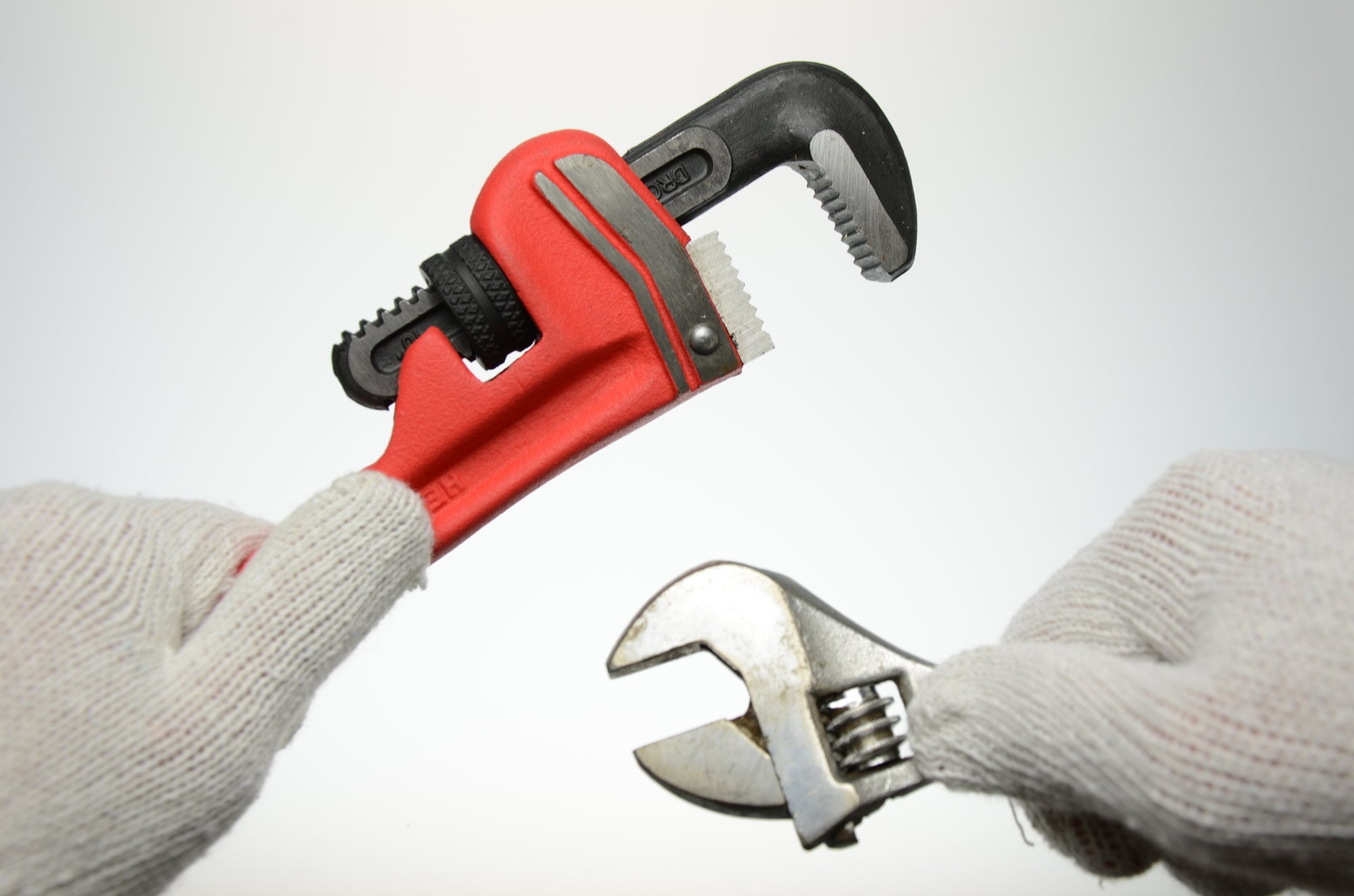
The Monkey Wrench In Popular Culture
The monkey wrench is not just a tool; it has become a symbol in language and culture. The phrase “throw a monkey wrench into the works” means to cause a problem or disrupt a plan. This comes from the idea that dropping a wrench into machinery would stop or damage it.
Monkey wrenches also appear in classic films, cartoons, and literature. They are often used to represent old-fashioned ingenuity, tough manual labor, or even sabotage.
Many vintage tool collectors seek out monkey wrenches, especially rare or unusual designs. Some fetch high prices at auctions and are displayed in museums as examples of industrial history.
Advantages And Disadvantages Of The Monkey Wrench
No tool is perfect for every job. Here’s a balanced look at the monkey wrench’s pros and cons.
Advantages
- Adjustable: Can handle a wide range of fastener sizes.
- Strong and durable: Made for heavy-duty work.
- Flat jaws: Less likely to damage surfaces.
- Simple design: Few moving parts, easy to repair.
Disadvantages
- Heavy: Larger models are tiring to use.
- Bulky: Not suitable for tight spaces.
- Loose fit: Not as precise as fixed-size wrenches.
- Outdated for some tasks: Modern tools are lighter and more ergonomic.
Some users are surprised to learn that monkey wrenches, while once essential, are now rarely seen in professional toolkits. Their size and weight make them less practical for frequent use.
Modern Alternatives To The Monkey Wrench
Today, several tools have replaced the monkey wrench for most jobs:
- Adjustable (Crescent) wrench: Lighter, easier to handle, and more precise.
- Pipe wrench: Better for plumbing and pipes.
- Socket wrenches: Faster and more secure for repetitive work.
- Box-end and open-end wrenches: Offer a tighter fit for specific sizes.
However, the monkey wrench still has its place in antique restoration, heavy machinery, and as a collector’s item. Some professionals keep one for emergencies or for working with very large, non-standard fasteners.
Common Mistakes When Using A Monkey Wrench
Many first-time users make similar errors:
- Using on pipes: Causes slipping and possible injury.
- Over-tightening: Damages both wrench and fastener.
- Forgetting to keep jaws parallel: Reduces grip strength.
- Applying sideways force: Can bend the wrench.
- Ignoring tool condition: Using a worn or cracked wrench is dangerous.
Learning proper technique and care can prevent accidents and extend the life of the tool.
Collecting And Restoring Vintage Monkey Wrenches
Vintage monkey wrenches have become popular with collectors. Some models, especially those from famous makers like Coes or Stillson, are highly prized.
What To Look For
- Maker’s mark: Names like Coes, Billings, and Stillson are collectible.
- Condition: Original finish, working mechanism, and minimal rust.
- Age and rarity: Older or unusual designs are more valuable.
- Size: Larger wrenches or miniature versions are often sought after.
Restoring a vintage wrench involves careful cleaning, lubricating, and sometimes replacing missing parts. Be careful not to remove too much original material, as this can reduce value.
For more information on the history and collecting of these tools, see the detailed guide on Wikipedia.
Frequently Asked Questions
What Is The Main Difference Between A Monkey Wrench And An Adjustable Wrench?
A monkey wrench has flat, parallel jaws that move along a straight guide, making it ideal for large, flat-sided fasteners. An adjustable wrench (or crescent wrench) has a slimmer, angled jaw design and is typically lighter and better for smaller nuts and bolts.
Can A Monkey Wrench Be Used On Pipes?
It is not recommended. The monkey wrench has smooth jaws and is likely to slip on round pipes. For pipes, a pipe wrench with serrated jaws is much safer and more effective.
Are Monkey Wrenches Still Made Today?
Some manufacturers still produce monkey wrenches, but they are less common. Most modern toolkits use adjustable wrenches or pipe wrenches instead. Collectors and restoration professionals often seek vintage models.
How Can I Tell If My Old Monkey Wrench Is Valuable?
Check for maker’s marks, unusual designs, and overall condition. Wrenches from famous brands like Coes or Stillson, or those with unique features, can be worth more. Minimal rust and working mechanisms also increase value.
Why Is It Called A Monkey Wrench?
The exact origin is unclear. Some believe the name comes from the tool’s ability to “monkey” or adjust to different sizes. Others think it looks like a monkey’s face. The story about an inventor named Charles Moncky is a myth.
A monkey wrench may not be as common as it once was, but its history, design, and usefulness have secured its place as a classic tool. Whether you are a collector, a DIY enthusiast, or just curious, understanding the monkey wrench gives you a new appreciation for the tools that helped build the modern world.