
A pegboard is one of those tools that seems simple but quietly transforms the way people organize, work, and even decorate their spaces. Whether you’ve seen it in a workshop, a garage, a classroom, or a kitchen, its signature grid of holes and pegs makes it instantly recognizable and endlessly useful.
But what exactly is a pegboard? Why does it show up in so many places, and how can you use it to make your life easier? Understanding the full story of pegboards—from their history to their practical uses—reveals why they remain a favorite for professionals and hobbyists alike.
This guide explores what a pegboard is, the different types, practical uses across industries, materials, installation tips, design ideas, and common mistakes to avoid. You’ll also find real-world examples and answers to common questions, so you’ll have everything you need to become a pegboard expert—even if you’re just starting out.
What Is A Pegboard?
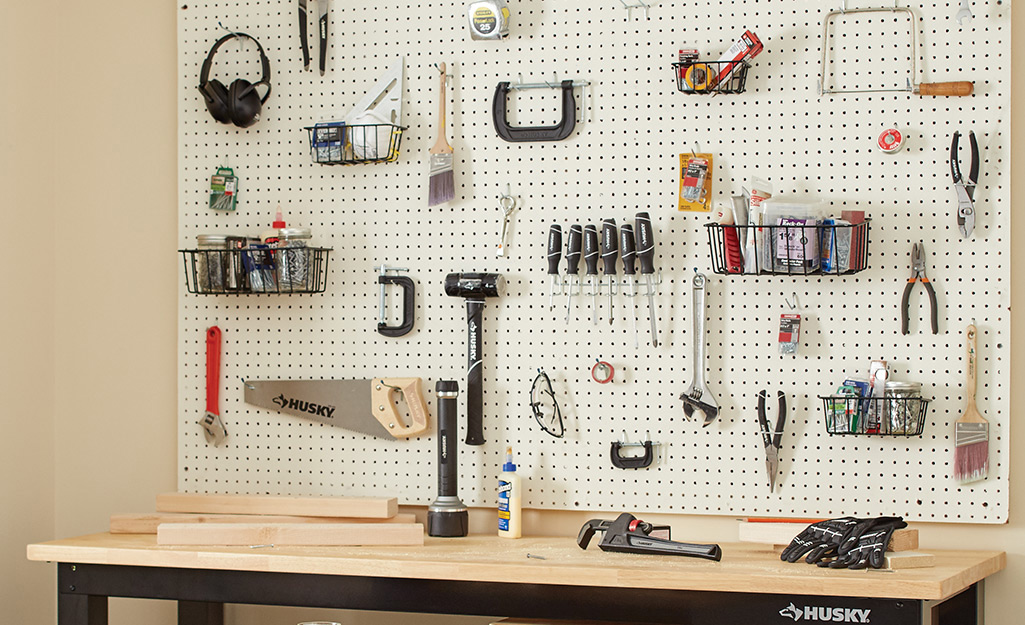
A pegboard is a flat board with evenly spaced holes designed to hold pegs, hooks, or other accessories. These boards can be made of wood, metal, plastic, or fiberboard. By inserting pegs or hooks into the holes, you can hang and organize a wide variety of items—from tools and utensils to art supplies and decorations.
The basic idea is simple, but the applications are nearly endless. Pegboards help you use vertical space on walls, making them a favorite for both storage and display. You can change the arrangement of pegs anytime, so your setup adapts as your needs change.
For many, a pegboard is the foundation of an efficient and tidy workspace.
History And Evolution Of Pegboards
The concept behind pegboards has been around for centuries, but the modern pegboard as we know it started in the mid-20th century. The invention is often credited to Masonite (hardboard) pegboard panels, first introduced in the 1960s in the United States. These panels became popular in hardware stores and workshops as a way to display and organize tools.
Over time, pegboards have evolved into many materials and styles. Early versions were usually brown and made from compressed wood fiber. Today, you’ll find pegboards in bright colors, different shapes, and even custom designs for modern homes and offices. The grid pattern may look simple, but it’s the key to the pegboard’s flexibility and popularity.
Common Pegboard Materials
Not all pegboards are created equal. The material you choose affects strength, appearance, cost, and even what you can hang on it. Here’s a look at the most common types:
| Material | Main Features | Typical Uses | Pros | Cons |
|---|---|---|---|---|
| Wood / Hardboard | Brown, smooth surface, 1/8″ or 1/4″ holes | Workshops, garages, craft rooms | Affordable, easy to cut | Can warp with moisture, limited weight capacity |
| Metal (Steel/Aluminum) | Silver or powder-coated, strong, rust-resistant | Industrial, commercial, heavy-duty tools | Very durable, holds heavy items | Heavier, more expensive |
| Plastic | Lightweight, colorful, moisture-proof | Homes, kids’ rooms, kitchens | Easy to clean, won’t rust | Lower weight capacity, can crack |
| Custom / Acrylic | Clear or colored, modern look | Retail displays, modern décor | Stylish, unique designs | Expensive, limited sizes |
Pro tip: Beginners often forget that the mounting system (what attaches your pegboard to the wall) must match the weight of the items you want to hang. A strong metal pegboard won’t help if the wall anchors are weak!
Types Of Pegboards
Not all pegboards are just “boards on the wall.” There are several styles, each with their own advantages. Let’s look at the main types:
1. Classic Wall-mounted Pegboard
This is the style most people imagine—a flat panel with a grid of holes, attached directly to a wall or surface. It’s perfect for organizing tools, kitchen gadgets, or office supplies.
2. Freestanding Pegboard
Freestanding pegboards come with their own support frame. They’re movable and can be used in the middle of a room, at trade shows, or in retail stores for product display.
3. Modular Pegboard Systems
Modular systems use multiple panels or sections that can be rearranged. They’re popular in high-end garages, design studios, and professional workshops because you can expand your storage as you need.
4. Slatwall And Slot-based Boards
While not technically “pegboards,” slatwall panels use horizontal grooves instead of holes. They offer similar flexibility, and many accessories are compatible with both systems.
5. Magnetic Pegboards
These use a steel back panel so you can use both pegs and magnetic accessories. They’re great in modern offices or tech spaces.
6. Decorative And Custom Pegboards
Some people use pegboards purely for style. These might have unique shapes, colors, or built-in lighting. In homes or creative studios, they’re as much about art as organization.
Common Pegboard Hole Sizes And Spacing
One detail beginners often overlook is that pegboards come in different hole sizes and spacing. This determines what kind of pegs, hooks, and accessories will fit.
- 1/8 inch holes: For light-duty use (arts, crafts, small tools), spaced 1 inch apart.
- 1/4 inch holes: For heavier-duty use (garage tools, power tools), spaced 1 inch apart.
- Custom sizes: Some modern or designer pegboards use metric or unique spacing—always check before buying accessories.
If you mix up the hole size and the accessories, your hooks may not fit or could fall out. Always match the pegboard and accessories.
How A Pegboard Works
The principle is simple: the grid of holes allows you to insert pegs, hooks, baskets, or shelves. These accessories can be moved or swapped at any time, so your setup is never permanent. This makes pegboards a dynamic solution—you can redesign your storage as your needs change, without drilling new holes in the wall.
Key insight: Pegboards aren’t just for hanging tools. You can use baskets for loose items, shelves for books, or even special holders for sports gear and craft supplies.
Where Are Pegboards Used?
Pegboards are everywhere. Here are some of the most popular places and ways they’re used:
Workshops And Garages
The classic use. Mechanics, carpenters, and DIYers use pegboards to hang wrenches, pliers, hammers, and more. This keeps tools visible and easy to grab, reducing time spent searching.
Retail Stores
Retailers use pegboards to display small products like accessories, phone cases, or jewelry. The flexible layout means displays can change with new products or promotions.
Kitchens
A kitchen pegboard can hold utensils, pots, pans, and even herbs. Chefs love them for keeping tools within arm’s reach and freeing up drawer space.
Offices
In creative offices, pegboards hold supplies like scissors, tape, and sticky notes. Some people use them as idea boards, attaching notes or inspiration images with clips.
Classrooms
Teachers use pegboards for organizing art supplies, learning materials, or displaying student work. Kids can access what they need without making a mess.
Closets And Bedrooms
Pegboards can organize jewelry, hats, belts, or even shoes. In small apartments, they help maximize space and keep items easy to find.
Art Studios
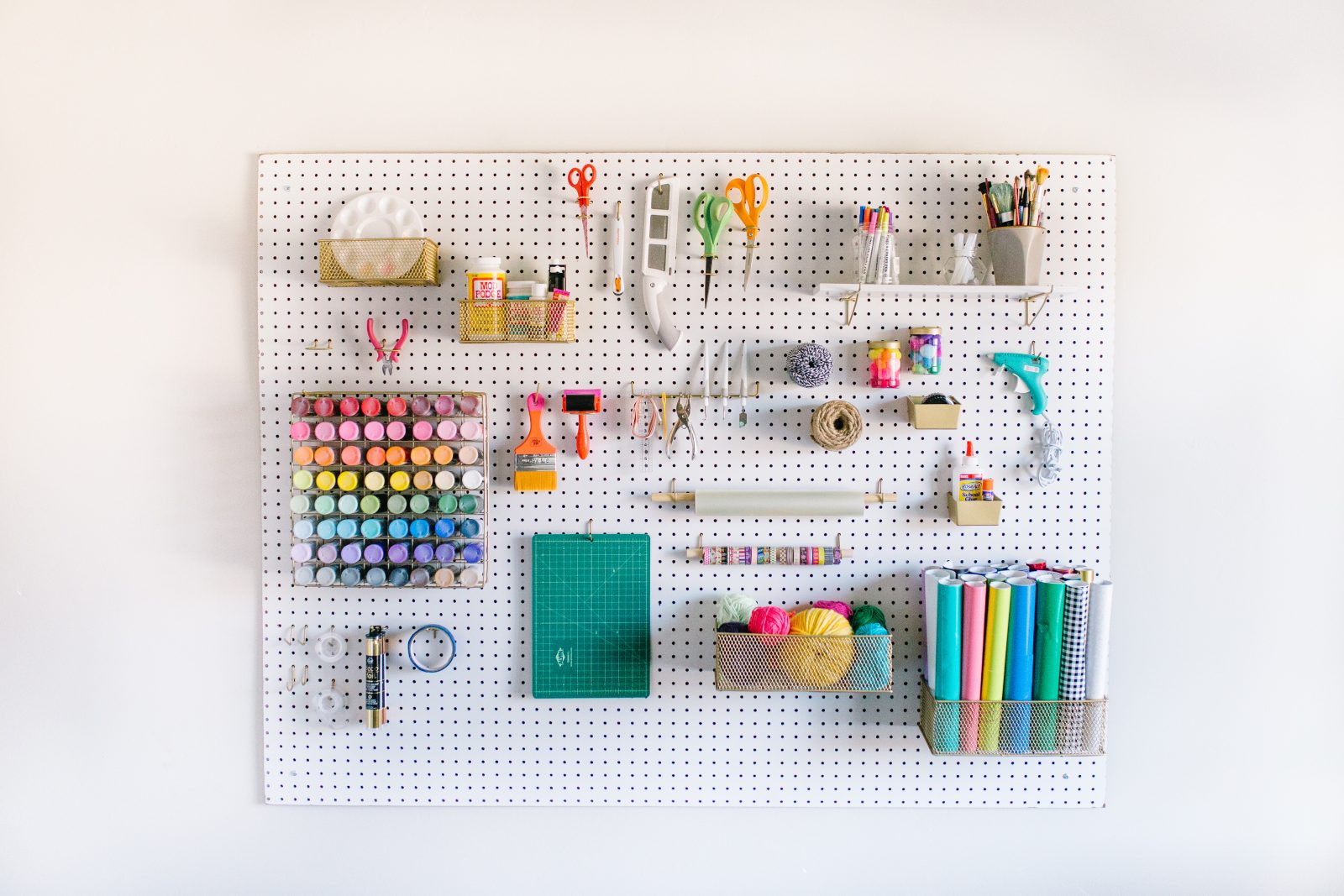
Artists use pegboards to store brushes, paints, and tools. The system keeps supplies visible and inspires creativity.
Medical And Laboratory Settings
Pegboards in hospitals and labs organize medical tools, safety equipment, and instruments—making sure everything is sterile and within easy reach.
Home Décor
Some people use pegboards as decorative features, creating wall art or plant displays. Modern designs blend function with style.
Advantages Of Using A Pegboard
Why do so many people use pegboards? Here are some of the biggest benefits:
- Efficient use of wall space: Pegboards turn empty walls into valuable storage.
- Easy to customize: Move pegs and hooks anytime, no tools required.
- Keeps items visible: No more digging through drawers—everything is right in front of you.
- Reduces clutter: Everything has a place, so workspaces stay tidy.
- Adapts to changing needs: As your collection of tools or supplies grows, your pegboard grows with you.
- Affordable: Most pegboards cost less than custom cabinets or shelving.
Hidden benefit: Pegboards can actually help you work faster. Studies show people spend less time searching for tools in organized spaces, saving up to 30 minutes a day in busy workshops.
Disadvantages And Limitations Of Pegboards
Pegboards are not perfect for every situation. Here are some potential drawbacks:
- Weight limits: Standard hardboard pegboards have limited weight capacity. Heavy items may pull out hooks or damage the board.
- Dust accumulation: Open holes can collect dust and debris, requiring occasional cleaning.
- Not always stylish: Classic brown pegboards may not fit modern décor, although designer options are available.
- Installation required: Wall-mounting takes some effort, especially for large or heavy boards.
- Accessory compatibility: Different brands and sizes may not be compatible—mixing parts can be frustrating.
How To Choose The Right Pegboard
Picking the right pegboard is about more than just size. Here’s what you should consider:
1. Purpose
Think about what you’ll be hanging. Heavy tools? Choose metal. Light art supplies? Plastic or hardboard will do.
2. Size
Measure your wall space carefully. Pegboards come in standard sizes (2×4 feet, 4×8 feet), but custom sizes are also available.
3. Hole Size And Spacing
Match the hole size to the accessories you plan to use. 1/4 inch is most versatile for home workshops.
4. Material
Consider the environment. For damp areas like basements, plastic or metal is better than wood.
5. Accessories
Check if the pegboard comes with starter hooks and baskets. If not, budget extra for these.
6. Mounting System
Some pegboards need furring strips or spacers behind them for hooks to fit. Make sure you understand installation before you buy.
7. Style
If your pegboard will be visible in a living space, look for modern designs in color or acrylic.
Common mistake: Many first-timers buy a pegboard that’s too small. It’s better to have extra space than not enough.
Popular Pegboard Accessories
The real magic of a pegboard lies in its accessories. Here are some of the most useful:
- Standard hooks: For hanging tools, utensils, or cords.
- Curved hooks: For hammers or larger tools.
- Baskets: For holding loose items like screws or markers.
- Shelves: For books, plants, or gadgets.
- Bins and cups: For small items like nails, paper clips, or craft beads.
- Specialty holders: For drills, tape, scissors, or even wine bottles.
- Clips and clamps: For paper, photos, or artwork.
- Magnetic strips: For knives, scissors, or metal tools (works with steel pegboards).
- Cord organizers: For cables or extension cords.
Expert tip: Start with a basic accessory set, then add more as you learn what you need most. Overbuying accessories is a waste if you don’t use them.
Pegboard Vs. Other Storage Systems
How does a pegboard stack up against other popular storage options? Here’s a quick comparison:
| Feature | Pegboard | Shelves | Drawer Units | Magnetic Strips |
|---|---|---|---|---|
| Customization | High | Low | Low | Medium |
| Visibility | High | Medium | Low | High |
| Weight Capacity | Medium | High | High | Low |
| Cost | Low to Medium | Medium to High | Medium | Low |
| Flexibility | High | Low | Low | Medium |
| Ease of Access | High | Medium | Low | High |
Non-obvious insight: Pegboards work best when combined with other systems. For example, use a pegboard for tools you use daily, and drawers for less-used items.
How To Install A Pegboard
Installing a pegboard is a DIY project most people can handle in a few hours. Here’s a step-by-step overview:
1. Choose Your Location
Pick a wall that’s solid and easy to access. Avoid areas with hidden pipes or wires.
2. Measure And Mark
Measure your board and mark the top and bottom edges on the wall. Use a level for straight lines.
3. Attach Furring Strips
For most pegboards, you need to install wooden strips (furring strips) behind the board, running horizontally or vertically. This creates space for hooks to go through the holes.
4. Secure The Pegboard
Screw the pegboard into the furring strips or directly into wall studs. Use screws every 12-16 inches for stability.
5. Add Accessories
Insert hooks, baskets, or shelves. Test with your heaviest items first.
Beginner mistake: Skipping the furring strips. Without them, you can’t insert hooks properly.
Creative Pegboard Ideas For Home And Office
Pegboards aren’t just for holding tools. Here are some creative uses you might not have considered:
- Vertical garden: Hang small pots and create a living wall of plants.
- Jewelry display: Use hooks and small shelves for necklaces, bracelets, and rings.
- Kids’ art station: Store crayons, paints, scissors, and display artwork.
- Coffee station: Hang mugs, coffee filters, and spoons in your kitchen.
- Home command center: Organize mail, keys, calendars, and reminders in your entryway.
- Laptop and device charging station: Add shelves and cord organizers for a tidy tech corner.
Pro insight: Combining pegboards with LED strip lights or colored backgrounds makes them both stylish and functional.
Maintaining And Cleaning Your Pegboard
Pegboards are low-maintenance, but some care keeps them looking and working their best:
- Dust regularly: Use a brush or vacuum attachment for the holes.
- Wipe with damp cloth: For plastic or metal boards, a mild cleaner works well.
- Avoid overloading: Don’t hang items heavier than the board or wall anchors can support.
- Check hooks: Make sure hooks and accessories stay tight and don’t bend.
Hidden problem: In damp areas, hardboard pegboards can swell or mold. Use plastic or metal in basements, bathrooms, or garages.
Pegboard Safety Tips
Safety isn’t always the first thing people think about with pegboards, but it matters:
- Always mount into studs or use heavy-duty wall anchors for large boards.
- Don’t hang heavy items (like power tools or cast iron pans) on lightweight boards.
- Keep sharp tools out of reach of children, especially in homes or classrooms.
- Check for loose pegs and accessories to avoid falling objects.
Environmental Impact Of Pegboards
If you care about sustainability, here’s what you should know:
- Wood/hardboard pegboards are often made from recycled wood fibers, which is good for the environment.
- Metal pegboards are durable and recyclable but require more energy to produce.
- Plastic pegboards are lightweight and moisture-proof but less eco-friendly unless made from recycled material.
Some brands now offer eco-friendly pegboards made from bamboo, recycled plastics, or even biodegradable materials. Choosing the right one helps reduce your footprint.
Pegboards In Modern Design
Pegboards aren’t just for utility—they’ve become a design statement in modern homes and offices. Interior designers use pegboards as flexible, interactive walls that can change with the seasons or the needs of the room.
For example, Scandinavian interiors often use white or pastel pegboards to create a clean, minimalist look. In industrial spaces, raw metal pegboards add a rugged, urban feel. Retail stores use pegboards to switch up displays quickly, keeping things fresh and interesting.
Pro design tip: Painting a pegboard the same color as the wall makes it blend in, while bold colors can turn it into a visual centerpiece.

Case Studies: Pegboards In Action
Let’s look at two real-world examples where pegboards made a big difference:
Case Study 1: Garage Transformation
A family in Ohio turned their cluttered two-car garage into an organized workshop. By covering one wall with a 4×8-foot metal pegboard, they hung all their most-used tools—wrenches, hammers, drills—using heavy-duty hooks and baskets. The result: tools are always visible, and cleanup is fast. The family reports saving at least 20 minutes per project just by not searching for missing items.
Case Study 2: Creative Office Space
A small design firm in London installed modular pegboard panels in their studio. Each designer has their own section, personalized with shelves, bins, and inspirational images. The flexible system encourages creativity and keeps the shared workspace tidy. Staff say the pegboard system helps them “reset” their space for new projects without buying new furniture.
Pegboard Innovations And Trends
Pegboards continue to evolve. Here are some recent trends:
- Smart pegboards: Some brands now offer boards with built-in lighting, USB ports, or Bluetooth speakers.
- 3D printed accessories: Designers are creating custom hooks and holders using 3D printers for unique storage solutions.
- Hybrid systems: Pegboards combined with cork, whiteboards, or magnetic panels for multi-use walls.
- Sustainable materials: Bamboo and recycled plastics are gaining popularity for green-minded consumers.
If you want to stay ahead, look for pegboards that offer tech features or eco-friendly designs.
Common Mistakes To Avoid
Even though pegboards are simple, beginners often make these mistakes:
- Choosing the wrong size: Too small and you run out of space; too large and it dominates the wall.
- Ignoring weight limits: Hanging heavy tools on a weak board leads to damage or accidents.
- Skipping spacers or furring strips: This makes it impossible to use most hooks.
- Buying incompatible accessories: Not all hooks fit all boards—always check size.
- Overcrowding: Too many items make the board messy and hard to use.
- Mounting into weak drywall: Use studs or heavy-duty anchors for safety.
Where To Buy Pegboards
Pegboards are widely available at hardware stores, home improvement centers, and online retailers. Major brands include Wall Control, Azar Displays, IKEA, and Triton. For specialty designs or custom sizes, check local woodworking shops or online marketplaces like Etsy.
When shopping, compare materials, included accessories, and customer reviews. For more details on pegboard types and uses, you can visit the Wikipedia page on pegboards.
Frequently Asked Questions
What Is The Standard Size Of A Pegboard?
Most standard pegboards come in 2×4-foot or 4×8-foot panels, but you can find smaller or custom sizes for home or office use. Always measure your wall space before buying.
Can A Pegboard Hold Heavy Tools Like Drills Or Saws?
Yes, but only if you use a metal pegboard or a reinforced hardboard, mount it into wall studs, and use heavy-duty hooks. Always check the manufacturer’s weight limits.
Are Pegboards Safe To Use In Kitchens Or Bathrooms?
Plastic or metal pegboards are best for areas with moisture. Wood or hardboard boards can warp or develop mold if they get wet.
Can I Paint Or Decorate A Pegboard?
Absolutely. You can paint hardboard or metal pegboards to match your décor. Just use a primer and paint suitable for the material. Some people add wallpaper or decals for extra style.
What Is The Main Advantage Of A Pegboard Over Shelves Or Drawers?
Pegboards keep items visible and within easy reach, and you can change the layout anytime. Shelves and drawers are better for heavy or hidden storage, but pegboards excel at organizing tools, supplies, and everyday items you use often.
A pegboard is more than just a board with holes—it’s a flexible, affordable system that brings order to chaos in almost any space. By understanding how to choose, install, and use a pegboard, you can create a workspace that’s tidy, efficient, and even inspiring.
Whether you’re organizing your first toolbox, redesigning a creative studio, or simply trying to keep your kitchen counters clear, the humble pegboard is a solution that adapts to your life.