
A reciprocating saw might look like a simple tool at first, but it’s a real game-changer for anyone who works with wood, metal, or even demolition jobs. If you’re new to power tools or just curious about their uses, you might wonder: what is a reciprocating saw used for, and why do so many professionals and DIYers rely on it? The answer goes far beyond just “cutting things.” This tool unlocks tasks that other saws simply can’t handle, making it a staple in construction, remodeling, plumbing, and even landscaping.
The secret is in its design. A reciprocating saw uses a push-and-pull (back-and-forth) motion of the blade, which lets you cut through a huge range of materials—even in tight spaces where other saws won’t fit. But there’s much more to know.
Understanding what a reciprocating saw is used for will help you pick the right tool for your project, work more safely, and achieve cleaner results. Let’s explore all the practical, surprising, and even creative ways to use a reciprocating saw, with tips and examples you won’t find in basic guides.
Understanding The Reciprocating Saw
To make the most of this tool, it’s important to first understand what makes a reciprocating saw unique. Unlike a circular saw or a jigsaw, which have fixed bases or are designed for straight, smooth cuts, a reciprocating saw is made for rough cutting in awkward places.
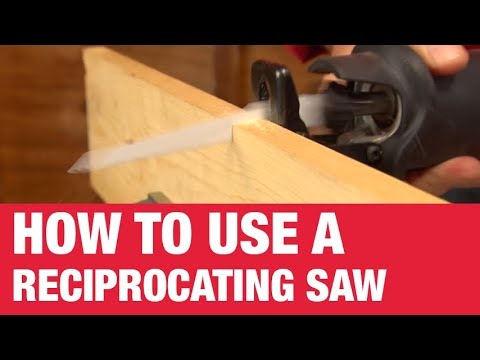
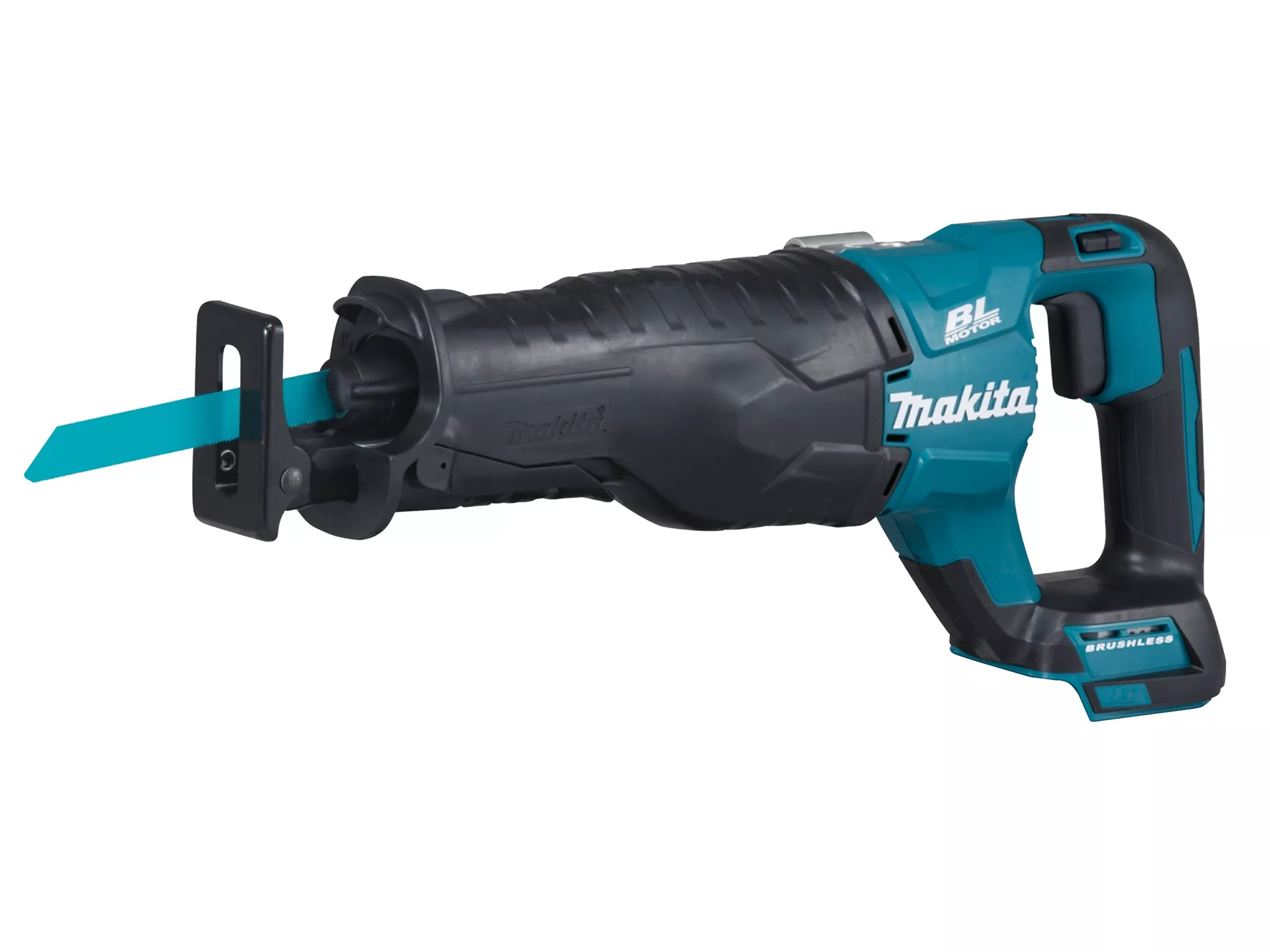
Its exposed blade sticks out straight from the front and moves rapidly back and forth.
These saws are sometimes called Sawzalls (after a famous brand), and they come in both corded and cordless versions. The main advantages are:
- Versatility: Cuts wood, metal, PVC, drywall, and more.
- Portability: Cordless models are great for outdoor or remote jobs.
- Access: Slim body and exposed blade reach into tight spots.
The blade types are interchangeable, so you can choose one for wood, metal, or even pruning. This flexibility is why so many professionals keep one in their tool bag.
Common Uses Of A Reciprocating Saw
While the main job is cutting, the ways you can use a reciprocating saw are much wider. Here are the most popular and practical uses:
1. Demolition Work
One of the top uses for a reciprocating saw is demolition. When you need to tear down walls, remove old fixtures, or cut through nails and screws, few tools are as effective. The saw’s aggressive blade and strong motor eat through studs, plaster, pipes, and fasteners quickly.
- Cutting through wall studs or joists during remodeling
- Removing old window or door frames
- Slicing through drywall and plaster quickly
A key tip: Use a demolition blade, which is stronger and lasts longer when hitting nails or screws.
2. Cutting Metal Pipes And Conduits
Plumbers and electricians often need to cut pipes and conduits in hard-to-reach places. A reciprocating saw, fitted with a metal-cutting blade, can handle copper, steel, aluminum, and PVC with ease.
- Cutting out old plumbing lines
- Trimming metal conduit to size
- Removing stubborn bolts or fasteners
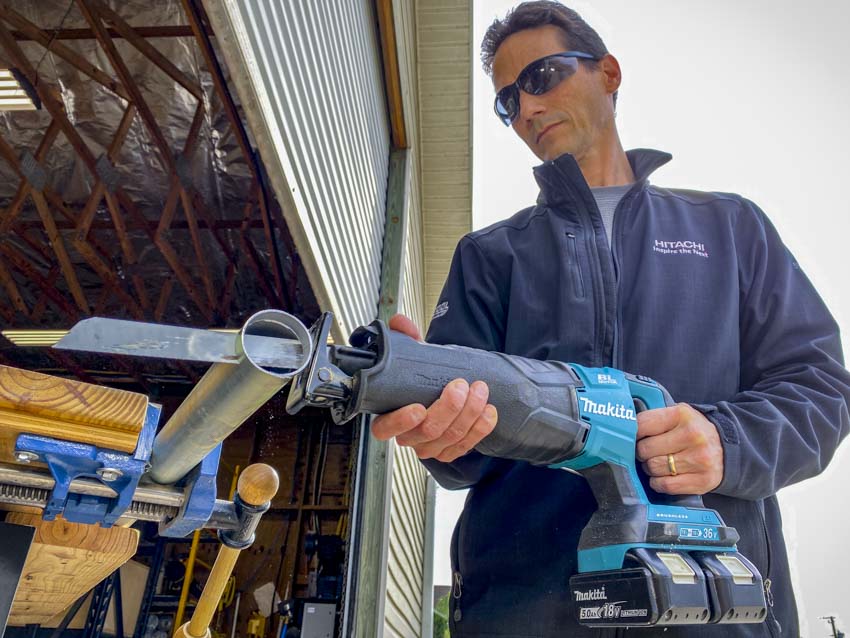
For best results, clamp the pipe if possible to prevent vibration.
3. Pruning Trees And Shrubs
While you might not expect it, a reciprocating saw is a favorite tool for landscaping and pruning. With a coarse-toothed blade designed for wood, you can slice through small branches, roots, or thick shrubs much faster than with a hand saw.
- Pruning overgrown bushes
- Removing small tree limbs
- Cutting roots that block landscaping work
This is especially useful for jobs where a chainsaw would be too bulky or dangerous.
4. Cutting Drywall
When running new wires or pipes behind walls, you often need to cut drywall in precise places. A reciprocating saw can make quick, rough openings for electrical boxes, outlets, or plumbing access.
- Creating holes for new outlets
- Opening walls for repair or inspection
Just be careful to avoid hidden wires or pipes behind the wall.
5. Remodeling And Renovation
Home remodelers rely on reciprocating saws for many tasks. These might include:
- Removing old cabinets or countertops
- Cutting through flooring materials
- Modifying framing or trim
The saw’s ability to cut through mixed materials (wood with nails, for example) saves a lot of time.
6. Cutting Through Nails And Screws
Sometimes, you need to remove old framing, decking, or fencing, but the fasteners are rusted or hidden. A reciprocating saw with a bi-metal blade can cut right through nails, screws, and even bolts.
- Separating wood joined with stubborn nails
- Demolishing old decks or fences
This is much faster and safer than trying to pry boards apart.
7. Salvaging Materials
If you want to recycle old wood, metal, or fixtures, a reciprocating saw can carefully cut them free from their surroundings. This way, you can preserve boards, doors, or pipes for reuse.
- Salvaging old barn wood
- Removing fixtures for donation or resale
Just choose a blade that won’t damage the material you want to keep.
8. Cutting Pvc And Plastic Pipes
Plumbers and DIYers often need to cut PVC or plastic pipes for irrigation, drains, or water lines. A fine-toothed blade gives clean, fast results.
- Cutting pipes to fit under sinks
- Installing sprinkler systems
This is easier than using a hacksaw, especially in tight spaces.
9. Window And Door Openings
When installing new windows or doors, you may need to cut through both framing and siding. A reciprocating saw makes quick work of these materials, even if you hit nails or screws inside the wall.
- Enlarging window openings
- Cutting out old door frames
It’s important to use the right blade for the material to avoid splintering.
10. Trimming And Fitting Materials
During installations, sometimes you need to trim a board or pipe to fit exactly. The reciprocating saw can make fast, rough cuts—even at odd angles.
- Fitting countertops or shelves
- Adjusting wood, metal, or plastic pieces on the fly
For the cleanest results, clamp the material and cut slowly.
Types Of Reciprocating Saw Blades
Choosing the right blade is just as important as choosing the saw itself. The blade’s length, thickness, and tooth design affect the cut quality and speed.
Here’s a quick comparison of common blade types:
| Blade Type | Best For | Key Features |
|---|---|---|
| Wood-cutting | Branches, studs, framing | Large, aggressive teeth, fast cutting |
| Metal-cutting | Pipes, conduit, nails | Fine teeth, strong alloy, slower cut |
| Demolition | Mixed materials, nails in wood | Thick, durable, multi-purpose |
| Pruning | Green wood, shrubs | Extra-long, coarse teeth |
| Specialty | Ceramic, plastic, drywall | Unique tooth shapes, variable materials |
For best results, always match the blade to your material. Using the wrong blade can damage both the tool and your work.
Reciprocating Saw Vs Other Saws
It’s easy to confuse a reciprocating saw with other power saws, but each has its own strengths. Here’s how the reciprocating saw stacks up:
| Saw Type | Best Uses | Strengths | Limitations |
|---|---|---|---|
| Reciprocating Saw | Demolition, awkward cuts, pruning | Versatile, portable, fits tight spaces | Rough cuts, less precise |
| Jigsaw | Curves, detailed cuts | Precise, easy to control | Limited power, can’t handle thick materials |
| Circular Saw | Straight cuts in sheet goods, framing | Fast, accurate, powerful | Bulky, not for tight spots |
| Chainsaw | Large branches, logs | Very fast for thick wood | Heavy, dangerous for small jobs |
A reciprocating saw won’t give you a fine, smooth finish. But for cutting quickly—especially when precision isn’t critical—it’s often the best choice.
Credit: www.youtube.com
Safety Tips When Using A Reciprocating Saw
Because this tool is so powerful, safety is key. Many beginners overlook important safety habits, which can lead to injury or damaged work. Here are some essential tips:
- Wear safety gear: Always use safety glasses to protect your eyes from flying debris. Ear protection and gloves are also smart.
- Check for hidden hazards: Before cutting into walls, floors, or ceilings, scan for hidden wires or pipes.
- Use both hands: Hold the saw firmly with both hands for better control, especially on tough materials.
- Let the blade do the work: Don’t force the saw—let the blade cut at its own pace.
- Keep the shoe pressed: The metal “shoe” at the base of the blade should stay pressed against the material. This reduces vibration and gives a cleaner cut.
- Unplug/change batteries when switching blades: Always disconnect power before changing blades to avoid accidents.
A common mistake is using a dull blade—this can lead to kickback or cause the saw to bind in the material.
Unique And Creative Uses For Reciprocating Saws
While most people use reciprocating saws for demolition and rough cuts, there are several creative tasks where this tool shines:
1. Cutting Out Old Tree Stumps
If you have a small tree stump with roots close to the surface, a reciprocating saw can slice through the roots, making removal easier than digging or using an axe.
2. Removing Rusted Car Parts
Mechanics sometimes use reciprocating saws to cut off old exhaust pipes or rusted bolts when traditional wrenches won’t work.
3. Making Openings In Metal Siding
If you need to add a vent or window to a metal shed, a reciprocating saw with a metal blade can cut through steel siding quickly.
4. Salvaging Scrap Metal
Recyclers use these saws to cut up old appliances or metal furniture for easier transport and sorting.
5. Cutting Up Pallets
DIYers who repurpose wood pallets use reciprocating saws to cut through nails and separate the slats without splintering the wood.
How To Choose The Right Reciprocating Saw
Selecting the right model can make your work much easier. Here are the main factors to consider:
Power Source
- Corded: Usually more powerful and never run out of battery, but you need an outlet.
- Cordless: Great for mobility and outdoor work, but batteries may not last for long jobs.
Stroke Length And Speed
- Longer stroke means faster cutting but can be harder to control.
- Variable speed is helpful for starting cuts or working with different materials.
Weight And Ergonomics
- A lighter saw is easier to use overhead or for long periods.
- Look for comfortable grips and anti-vibration features.
Blade Change System
- Tool-less blade changes save time and make switching blades easier.
Extras
- LED lights, adjustable shoes, and rafter hooks are handy features.
Here’s a quick comparison:
| Feature | Corded Saw | Cordless Saw |
|---|---|---|
| Power | High, consistent | Good, but limited by battery |
| Mobility | Less (needs outlet) | Very high |
| Weight | Heavier (usually) | Lighter, portable |
| Best Use | Long, tough jobs | Quick repairs, outdoor work |
Most professionals own both types to cover all situations.
Pro Tips For Getting The Best Results
Many users miss these advanced tips that make reciprocating saws even more useful:
- Start slow: Begin at a low speed to avoid bouncing, then speed up.
- Use the shoe: Rocking the shoe against the material helps control the cut and reduces vibration.
- Angle the blade: For smoother cuts, tilt the blade slightly instead of pushing straight.
- Lubricate blades: When cutting thick metal, a drop of oil helps the blade last longer and cuts faster.
- Use short blades for tight spots: A long blade can bend or flex, so use short ones when space is limited.
- Keep spare blades: Always carry extras, as hitting metal or nails can dull a blade fast.
One advanced trick: For plunge cuts (starting a cut in the middle of a board), turn the saw sideways and gently press the tip of the blade into the material, increasing speed as the blade breaks through.
Credit: www.protoolreviews.com
Reciprocating Saw Maintenance
To keep your saw running well:
- Clean after use: Wipe down dust and debris, especially around vents.
- Check the blade clamp: Make sure it holds blades tightly—loose clamps can be dangerous.
- Inspect power cords/batteries: Replace any damaged cords or batteries to prevent accidents.
- Store safely: Keep the saw in a dry place and away from children.
Changing blades often is the single best way to improve performance.
When Not To Use A Reciprocating Saw
While this tool is versatile, there are cases where it’s not the best choice:
- Precise carpentry: For cabinet making or trim work, a miter saw or jigsaw is better.
- Very thick metal: For heavy steel beams, a torch or angle grinder may be faster.
- Fine finishing: The rough cut can splinter or tear soft materials.
Using the wrong tool can make your work harder, so always match the saw to the job.
Environmental Impact And Recycling
Many users overlook the impact of tool use on the environment. Always collect your dust and cuttings, and recycle metal or plastic pieces when possible. Used blades can often be recycled with scrap metal. For more on recycling tools and building materials, see EPA’s guidance.
Frequently Asked Questions
Credit: www.careytools.com
What Is The Main Difference Between A Reciprocating Saw And A Jigsaw?
A reciprocating saw is designed for fast, rough cuts and can handle tougher materials, including metal and wood with nails. A jigsaw is better for making curved or detailed cuts in wood or thin metal. The reciprocating saw is more powerful but less precise.
Can A Reciprocating Saw Cut Concrete?
With a special carbide-grit blade, a reciprocating saw can cut through thin concrete, tile, or masonry. However, for thick concrete or large jobs, a dedicated concrete saw or angle grinder is more efficient.
What Size Blade Should I Use For Pruning Trees?
For pruning, use a 9-inch or longer pruning blade with coarse teeth. This length reaches deeper branches and cuts through thick wood quickly. Always check that the blade is labeled for pruning to avoid rapid dulling.
Is A Cordless Reciprocating Saw Powerful Enough For Demolition?
Modern cordless reciprocating saws are very powerful, especially with lithium-ion batteries. For most home demolition tasks—like cutting studs, drywall, or pipes—a cordless saw is sufficient. For heavy, all-day work, a corded model may be better.
How Do I Avoid Damaging Hidden Wires Or Pipes?
Before cutting into walls or floors, use a stud finder or inspection camera to scan for hidden wires or pipes. Cut slowly and be prepared to stop immediately if you feel unusual resistance or see sparks.
—
A reciprocating saw is one of the most useful and versatile power tools you can own. Whether you’re a professional contractor, a plumber, a landscaper, or a weekend DIY enthusiast, understanding what a reciprocating saw is used for opens up a world of faster, safer, and more creative solutions.
With the right blades and techniques, you’ll handle demolition, renovations, landscaping, and even recycling jobs with confidence. Just remember to work safely, match your blade to your material, and maintain your tool for years of reliable service.