
A table saw is one of the most powerful and versatile tools found in woodworking shops, construction sites, and even many home garages. If you have ever seen a large, flat table with a spinning circular blade sticking out from the center, you have seen a table saw.
But what exactly is a table saw used for? Why do both professionals and hobbyists consider it so essential? This article will guide you through everything you need to know about table saws, from their main uses to their different types, safety tips, and even some surprising applications you might not expect.
Whether you are new to woodworking or just curious, understanding the full potential of a table saw can help you work smarter, safer, and with better results. Let’s explore the many uses, features, and secrets of this classic tool.
What Is A Table Saw?
A table saw is a woodworking tool with a circular saw blade mounted on an arbor, driven by an electric motor. The blade protrudes through the surface of a table, providing support for the material being cut. Unlike handheld saws, the table saw is stationary, and the operator pushes the wood through the blade for precise and repeatable cuts.
Table saws can be large and heavy, made for professional workshops, or smaller and portable for job sites. The basic design, however, remains the same: a flat table surface, a spinning blade, a fence for guiding the material, and various safety features.
Main Uses Of A Table Saw
A table saw is not just for cutting straight lines. It is one of the most flexible machines in woodworking, capable of performing many tasks. Here are the core uses:
1. Ripping Lumber
Ripping means cutting wood lengthwise, following the grain. Table saws make this easy and accurate. For example, if you buy a wide board and need narrower strips, you use the table saw’s fence to guide the cut. This is the most common job for a table saw.
2. Crosscutting
Crosscutting is cutting wood across the grain, making boards shorter. With a miter gauge or sled, you can easily make accurate 90-degree cuts or even angled cuts.
3. Making Bevel Cuts
Table saw blades can tilt, allowing you to cut at an angle other than 90 degrees. This is called a bevel cut and is helpful for making frames, boxes, and decorative edges.
4. Cutting Dados And Grooves
With a special blade set called a dado blade, a table saw can cut wide grooves or slots in wood. These are essential for joints like bookshelves, drawers, and cabinets.
5. Rabbet Cuts
A rabbet is a step-shaped cut along the edge of a board. Table saws can make rabbets by adjusting the fence and blade height, often used for frames and boxes.
6. Repetitive Cuts
If you need to cut many pieces of the same size, the table saw is ideal. You can set up stops or jigs for repeatable accuracy every time.
7. Cutting Sheet Goods
Large panels like plywood or MDF can be trimmed or cut to size using a table saw, something that is hard to do with smaller saws.
8. Making Angled Cuts
Besides bevels, you can use a miter gauge to make miter cuts—angled cuts across the width of the wood, useful for picture frames and molding.
9. Resawing Thin Strips
With the right setup, a table saw can take a thick board and slice off thin strips, useful for edge banding or decorative work.
10. Joinery
Some advanced woodworkers use table saws to create complex joints—like tenons, box joints, or finger joints—using jigs and special blades.
Types Of Table Saws
Not all table saws are the same. Each type serves a different purpose, and knowing the difference can help you choose the right one for your needs.
| Type | Main Use | Portability | Power |
|---|---|---|---|
| Bench-Top Table Saw | Small projects, DIY | High (Lightweight) | Low to Medium |
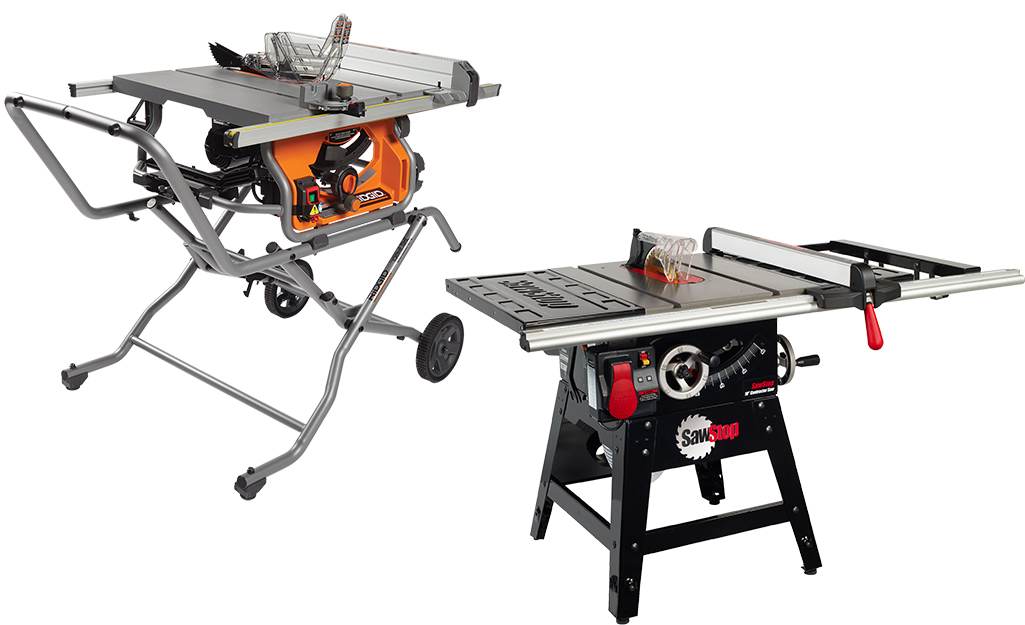
| Contractor Table Saw | Construction, remodeling | Medium (Wheeled base) | Medium |
| Cabinet Table Saw | Professional woodworking | Low (Very heavy) | High |
| Hybrid Table Saw | Serious hobbyists, small shops | Low to Medium | Medium to High |
| Jobsite Table Saw | On-site carpentry | Very High (Foldable) | Medium |
Bench-top Table Saw
This is the smallest and most affordable type. It sits on a workbench and is easy to move. If you only need a saw for occasional DIY projects, this is a good choice. However, it may lack power and cutting capacity.
Contractor Table Saw
Heavier and more stable, contractor saws are popular on job sites. They offer more power and a larger table surface. Wheels often make them easier to move than cabinet saws.
Cabinet Table Saw
These are the largest and most powerful. They are made for professional shops and heavy-duty work. Cabinet saws have strong motors, precise fences, and heavy tables for stability. They are not portable.
Hybrid Table Saw
A mix between contractor and cabinet saws, hybrids offer many cabinet saw features at a lower price and weight. They are perfect for serious hobbyists who need power and precision.
Jobsite Table Saw
Designed for portability, jobsite saws are compact but tough. They fold up for transport and are popular with carpenters who move from site to site.
Key Features Of A Table Saw
A table saw may look simple, but it is full of smart features that make it safe and easy to use.
Blade
The blade is the heart of the saw. Most table saws use 10-inch blades, but 8-inch and 12-inch are also common. Different blades are available for ripping, crosscutting, or cutting special materials.
Motor
The motor powers the blade. More powerful motors can cut thicker materials and last longer. For home use, a 1.5 to 2-horsepower motor is common. Professional shops may use 3 to 5-horsepower motors.
Fence
The fence is a straight guide that keeps the wood moving in a straight line for accurate cuts. A good fence is solid, easy to adjust, and locks securely.
Miter Gauge
The miter gauge slides in a groove on the table and holds wood at a precise angle. This is essential for crosscutting and making miter joints.
Blade Guard
The blade guard covers the spinning blade, helping to prevent accidental contact. Some users remove it for tricky cuts, but it is an important safety feature.
Riving Knife
A riving knife sits behind the blade and moves with it, preventing the wood from pinching the blade and causing kickback.
Dust Collection
Cutting wood creates a lot of dust. Many table saws have dust collection ports for connecting to a vacuum or dust collector, keeping the workspace cleaner and safer.
How To Use A Table Saw Safely
Table saws are powerful but can be dangerous if not used properly. Here are some key safety tips:
- Always use the blade guard and riving knife unless the cut requires removing them.
- Keep hands away from the blade. Use push sticks or push blocks for small pieces.
- Stand to the side of the blade, not directly in line with it, to avoid injury from kickback.
- Check the fence and miter gauge are locked before cutting.
- Do not wear loose clothing or jewelry that could get caught in the blade.
- Disconnect power before changing the blade or making adjustments.
- Keep the workspace clean to avoid slips and distractions.
- Inspect the wood for nails or screws before cutting, as these can damage the blade and cause injury.
Even experienced woodworkers have accidents, so never get too comfortable. Always respect the saw’s power.
Comparing Table Saw Cuts: Examples And Uses
It can be hard to imagine all the types of cuts a table saw can make. Here is a comparison to help you see the differences:
| Cut Type | Direction | Main Use | Tools Needed |
|---|---|---|---|
| Rip Cut | With the grain | Making boards narrower | Fence |
| Crosscut | Across the grain | Shortening boards | Miter gauge or sled |
| Bevel Cut | Angle across thickness | Joining boards, frames | Tilting blade |
| Dado/Groove | Across or with grain | Creating slots | Dado blade set |
| Rabbet | Along edge | Frame joints | Fence, blade height |
| Miter Cut | Angle across width | Picture frames | Miter gauge |
Common Projects Using A Table Saw
A table saw is a workhorse for many woodworking and construction projects. Here are some examples where it shines:
Building Furniture
From tables to shelves and cabinets, the table saw’s accuracy is essential for cutting large pieces and fitting joints.
Home Renovations
If you are remodeling a room, a table saw helps you trim doors, cut flooring, or make custom moldings.
Making Cabinets
Cabinet makers rely on table saws for cutting panels, shelves, and doors to exact sizes and angles.
Deck And Outdoor Projects
For cutting decking boards, railings, and trim, a table saw’s ripping ability is invaluable.
Diy Projects
Even simple jobs like making picture frames, birdhouses, or storage boxes are easier and more accurate with a table saw.
What Materials Can A Table Saw Cut?
While wood is the most common material, table saws can cut a range of materials with the right blade:
- Plywood
- Hardwood
- Softwood
- MDF (Medium Density Fiberboard)
- Plastic (with special blades)
- Laminates
- Aluminum (thin sheets with a fine-tooth blade)
Always check the blade’s recommendations before cutting a new material. Cutting metal or plastic without the correct blade can be dangerous and damage your saw.
Non-obvious Insights: What Beginners Often Miss
Many new users think a table saw is just for long, straight cuts. But there are some less obvious uses and details that even some experienced woodworkers overlook.
1. Jigs Unlock New Possibilities
A jig is a custom-made guide or holder that attaches to your table saw. With jigs, you can cut circles, make perfect tenons, or even duplicate complex shapes. Learning to make and use jigs is like unlocking secret levels on your table saw.
2. Blade Choice Matters More Than You Think
Most beginners use the blade that comes with the saw. However, using a specialized blade—like a fine-tooth blade for plywood or a ripping blade for hardwood—can make a dramatic difference in cut quality and safety.
3. Table Saw Tune-up Is Critical
Over time, your table saw can get out of alignment. Checking that the blade is parallel to the fence and miter slots, and that the fence is square, can greatly improve your accuracy and reduce the risk of kickback.
4. Featherboards And Splitters Add Safety
Featherboards press the wood against the fence, while splitters keep the wood from pinching the blade. These simple add-ons can help prevent many accidents but are often ignored by beginners.
5. Dust Control Impacts Health
Table saw dust is fine and can linger in the air, causing breathing problems. Using a shop vacuum or dust collector is not just about cleanliness—it’s about your long-term health.
Table Saw Vs. Other Saws: How Does It Compare?
Many people wonder if they need a table saw if they already own other saws, like a circular saw or miter saw. Here is a quick comparison:
| Saw Type | Best For | Portability | Cut Accuracy | Versatility |
|---|---|---|---|---|
| Table Saw | Ripping, crosscutting, joinery | Medium to Low | High | Very High |
| Circular Saw | Rough cuts, site work | Very High | Medium | Medium |
| Miter Saw | Angled cuts, trim | High | Very High (for angles) | Low to Medium |
| Band Saw | Curves, resawing | Low | Medium | Medium |
While a circular saw is easier to carry and a miter saw is best for precise angles, the table saw wins for straight cuts and overall flexibility. For many workshops, it is the main cutting tool.
Choosing The Right Table Saw For Your Needs
If you are considering buying a table saw, here are some factors to think about:
Power And Capacity
- Think about the thickest, hardest material you will cut.
- For hardwoods or thick panels, a more powerful motor is better.
Size And Portability
- If you have a small shop or need to move your saw, a portable or contractor model is better.
- For a permanent shop, a cabinet or hybrid saw offers more stability.
Fence Quality
- A solid, easy-to-adjust fence is critical for accurate cuts.
- Try moving the fence on different models to feel the difference.
Safety Features
- Look for a riving knife, blade guard, and emergency stop button.
- Some saws have advanced safety systems that stop the blade instantly if it touches skin, such as the technology found in SawStop brand saws.
Price And Warranty
- Table saws range from under $200 for small bench-top models to over $3,000 for professional cabinet saws.
- Consider the warranty and support from the manufacturer.
Accessories
- Check what comes with the saw: Does it include a miter gauge, push stick, or dado insert?
- Extra features can save you money and make the saw easier to use.
Practical Tips For Getting The Most From Your Table Saw
Start With Simple Projects
If you are new, start with easy projects like cutting boards, simple shelves, or boxes. This helps you practice using the fence, miter gauge, and making repeat cuts.
Keep Your Blade Sharp
A dull blade makes rough cuts and is more likely to cause kickback. Change or sharpen your blade regularly.
Use The Right Blade For The Job
Switch to a fine-tooth blade for plywood or a ripping blade for thick hardwood. This makes a big difference in both safety and the quality of the cut.
Measure Twice, Cut Once
Always double-check your measurements and fence settings before making a cut. Mistakes are hard to fix after the cut is made.
Clean Regularly
Sawdust buildup can hide the blade, clog the motor, and make the table slippery. Clean your saw after each use for safety and long life.
Learn To Make Jigs
Simple jigs can help you cut perfect circles, joinery, or repetitive shapes. There are many free plans online and in woodworking books.
Respect The Tool
Even experienced users get hurt when they become careless. Focus on your work, avoid distractions, and never rush a cut.
Common Mistakes To Avoid
- Cutting without aligning the fence or miter gauge. This can cause binding and kickback.
- Trying to cut material too thick for your saw. This stresses the motor and can burn the wood.
- Removing safety features. Only remove the blade guard or riving knife when absolutely necessary, and replace them as soon as possible.
- Pushing wood too fast or too slow. Let the blade do the work—rushing can cause rough cuts or accidents.
- Ignoring blade alignment. Even a small misalignment can ruin your project and be dangerous.
Surprising Uses For A Table Saw
Many people are surprised to learn that a table saw can be used for more than just woodworking. Here are some creative and less obvious uses:
Cutting Plastic Sheets
With a fine-tooth blade, you can cut plastic sheets cleanly for DIY windows, machine covers, or crafts.
Trimming Aluminum
Thin aluminum strips can be cut with a carbide-tipped blade, useful for metal inlays or home repairs.
Making Custom Moldings
By tilting the blade and using special jigs, you can create unique molding profiles for windows, doors, or picture frames.
Creating Inlays
Advanced users can use a table saw to cut thin strips for inlays, adding decorative touches to furniture or art pieces.
Cutting Laminate Flooring
A table saw is perfect for cleanly cutting laminate or engineered flooring to fit rooms of any shape.
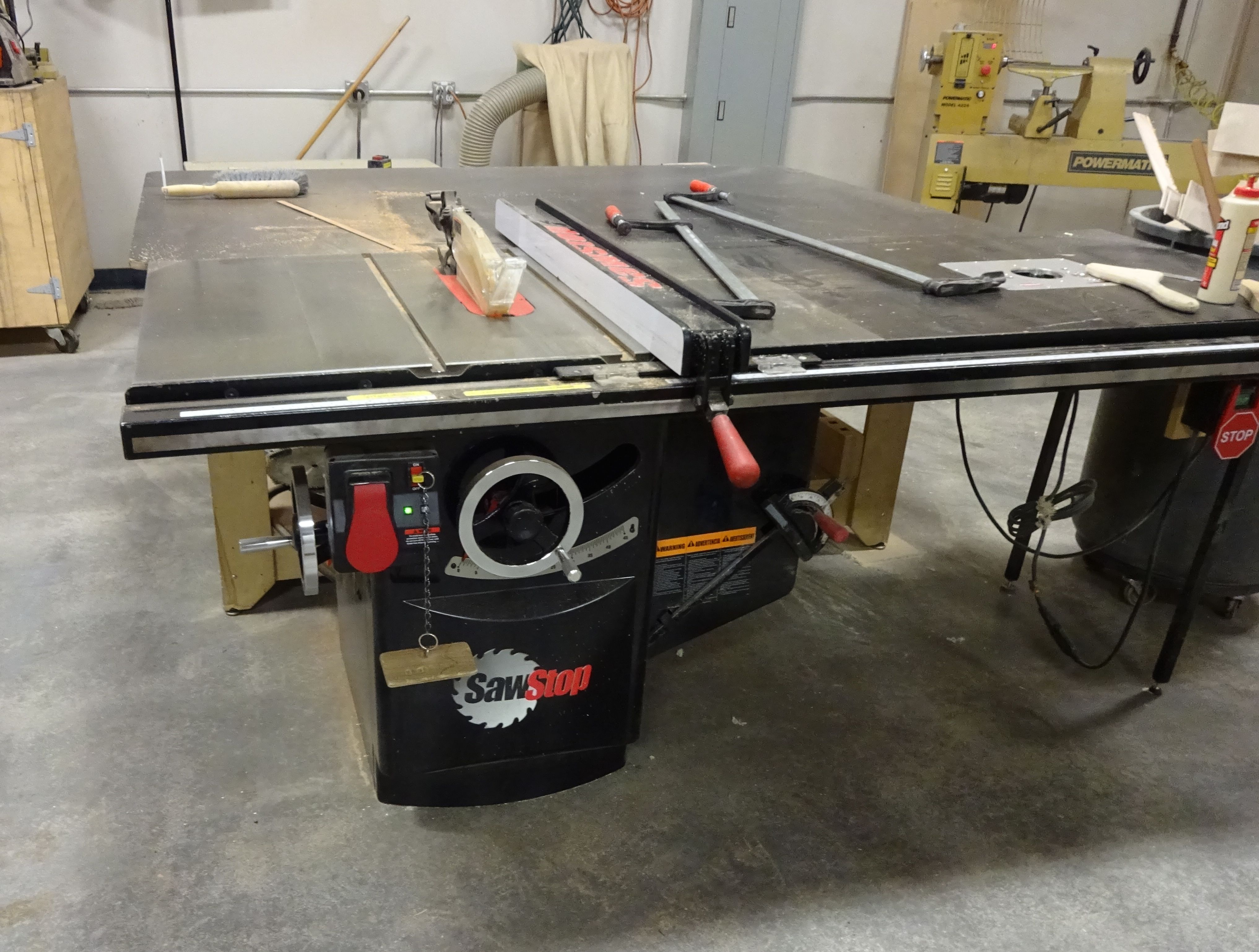
Table Saw Maintenance: Keeping Your Tool In Top Shape
A well-maintained table saw lasts longer, stays safer, and gives better results. Here’s how to keep your saw working well:
- Check blade alignment regularly and adjust if needed.
- Clean dust and debris from the table, motor, and blade area after use.
- Lubricate moving parts like the fence rails and tilt mechanisms.
- Inspect the power cord for wear or damage.
- Check safety features often to ensure they work properly.
Real-world Example: How A Table Saw Transforms A Workshop
Imagine two people building a bookshelf. The first uses only a handsaw and a straight edge. The second uses a table saw. The first person spends hours measuring, marking, and sawing, often ending up with uneven boards and sore arms.
The second person sets the fence, makes quick, accurate cuts, and assembles the bookshelf with perfect joints.
Not only does the table saw save time and effort, but it also raises the quality of the finished product. For anyone serious about woodworking, a table saw is a game-changer.

Where To Learn More
If you want to dive deeper, many woodworking schools, community colleges, and online courses teach safe and creative ways to use a table saw. There are also many helpful forums and videos online, such as those found at Wikipedia, which provide more technical and historical details.
Frequently Asked Questions
What Is The Main Purpose Of A Table Saw?
The main purpose of a table saw is to make precise, straight cuts in wood and other materials. It is used for ripping, crosscutting, and making various joints and grooves.
Can A Table Saw Cut Metal?
Table saws can cut thin, soft metals like aluminum with the right blade. For thick or hard metals, a specialized metal saw is better. Always use a carbide-tipped blade and follow safety recommendations.
How Dangerous Is A Table Saw?
Table saws are powerful and can be dangerous if misused. Most injuries happen from kickback or touching the blade. Using guards, riving knives, and proper technique greatly reduces the risk.
Do I Need A Table Saw For Diy Projects?
You do not need a table saw for every project, but it makes many tasks easier and more accurate. For furniture, cabinetry, or frequent woodworking, a table saw is highly recommended.
What Is The Difference Between A Table Saw And A Miter Saw?
A table saw is best for long, straight cuts and ripping boards. A miter saw is designed for making angled cuts, like those needed for trim and molding. Each has its own strengths.
A table saw is more than just a tool—it is the heart of many workshops. Its power, accuracy, and versatility make it essential for woodworking, home improvement, and even some metal and plastic work. With proper knowledge and respect, it can help you create everything from simple shelves to fine furniture, all with professional results.