
A clean home or workspace is not just about appearances. It’s about safety, health, and comfort. Yet, dust, spills, and debris can make cleaning a challenge, especially when they involve both dry and wet messes. This is where a wet dry vacuum becomes a game-changer. If you’ve ever wondered what makes these machines special, how they work, or why they’re different from regular vacuums, you’re not alone.
A wet dry vacuum is more than just a tool—it’s a solution for nearly every cleaning situation. Whether you’re dealing with sawdust in a garage, a spilled drink in the kitchen, or even a flooded basement, this machine is designed to tackle it all.
But with so many options and features, understanding wet dry vacuums fully will help you choose the right one, use it safely, and get the most value for your investment.
This article dives deep into every aspect of wet dry vacuums. You’ll discover how they work, their main uses, benefits, features, common mistakes, and even the science behind their cleaning power. If you want to make a smart choice or simply get better results from your cleaning, you’re in the right place.
What Is A Wet Dry Vacuum?
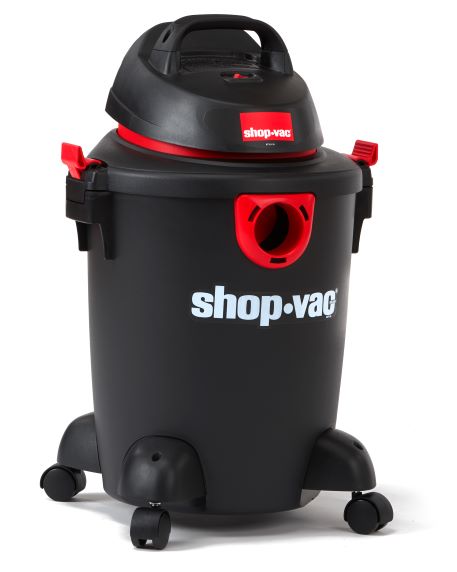
A wet dry vacuum, sometimes called a shop vac, is a cleaning machine that can pick up both dry debris (like dust and dirt) and liquids (such as water or spilled drinks). Unlike regular home vacuums, which are usually only for dry dirt, wet dry vacuums are built with strong motors, special filters, and tanks that can handle wet messes without damage.
The main parts of a wet dry vacuum include:
- Motor for powerful suction
- Large tank to hold liquids and debris
- Special filters that can be changed or cleaned for different jobs
- Flexible hoses and a variety of attachments for different cleaning needs
Wet dry vacuums are popular in garages, workshops, construction sites, and homes. They’re also used by professional cleaners, plumbers, and even car detailers.
How Does A Wet Dry Vacuum Work?
Understanding how a wet dry vacuum works helps you get the best results and avoid mistakes. The process is simple but effective.
- Suction Power: The vacuum’s motor creates strong airflow, pulling air, dust, and liquids through the hose.
- Separation: As the air and debris enter the vacuum, solids are trapped in a filter or bag, while liquids collect in the tank.
- Filtration: The vacuum uses different filters for wet or dry cleaning. For dry cleaning, a fine dust filter or bag is used. For wet cleaning, the filter is often removed or switched to a foam filter that won’t get damaged by water.
- Exhaust: Cleaned air is pushed out of the machine.
Unlike regular vacuums, wet dry vacuums are designed with sealed motors and tanks that prevent water from reaching electrical parts. This makes them safe to use for both wet and dry messes.
Key Features Of Wet Dry Vacuums
Not all wet dry vacuums are the same. Some are small and portable, others are large and powerful. Here are the main features to consider:
Tank Size
The size of the tank affects how much debris or liquid you can pick up before emptying it. Home models may hold 2 to 6 gallons, while industrial models can hold 16 gallons or more. Bigger tanks are better for large spaces or heavy-duty jobs, but they are heavier to move.
Motor Power
The motor power is measured in horsepower (HP) or air watts. More power means stronger suction and faster cleaning. For most home use, 1.5 to 4 HP is enough. For tough jobs, 5 HP or more is useful.
Filters
Good filters are important for trapping dust, allergens, and even fine particles like drywall dust. Look for HEPA filters if you want to remove very fine particles and improve air quality.
Attachments
Wet dry vacuums often come with:
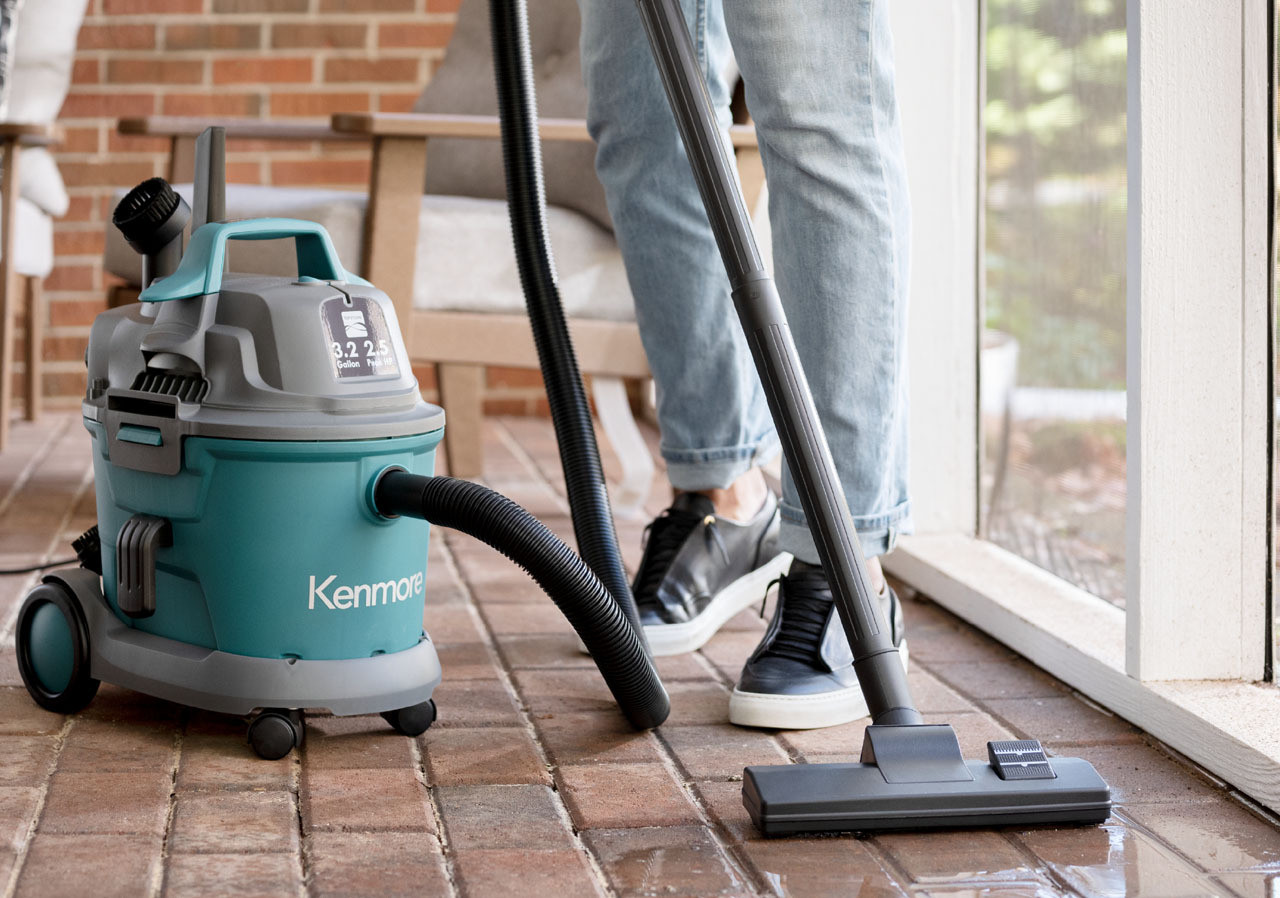
- Crevice tools for corners and tight spaces
- Brushes for carpets or upholstery
- Squeegee tools for picking up water on flat surfaces
- Extension wands for reaching high or distant areas
Portability And Design
Some models have wheels and handles for easy movement. Others are small enough to carry. Consider where you’ll use the vacuum most often.
Blower Function
Many wet dry vacuums can also blow air, not just suck it in. This blower function is useful for clearing leaves, dust, or debris from driveways, garages, or tools.
Cord And Hose Length
Longer cords and hoses give you more reach without moving the vacuum. This can save time, especially in large rooms or workshops.
Noise Level
Some models are designed to be quieter, which is important if you use the vacuum indoors or for long periods.
Main Uses For Wet Dry Vacuums
Wet dry vacuums are versatile. Here are some of the most common ways people use them:
- Cleaning up spills: From water on the kitchen floor to a burst pipe in the basement, wet dry vacuums handle liquids quickly.
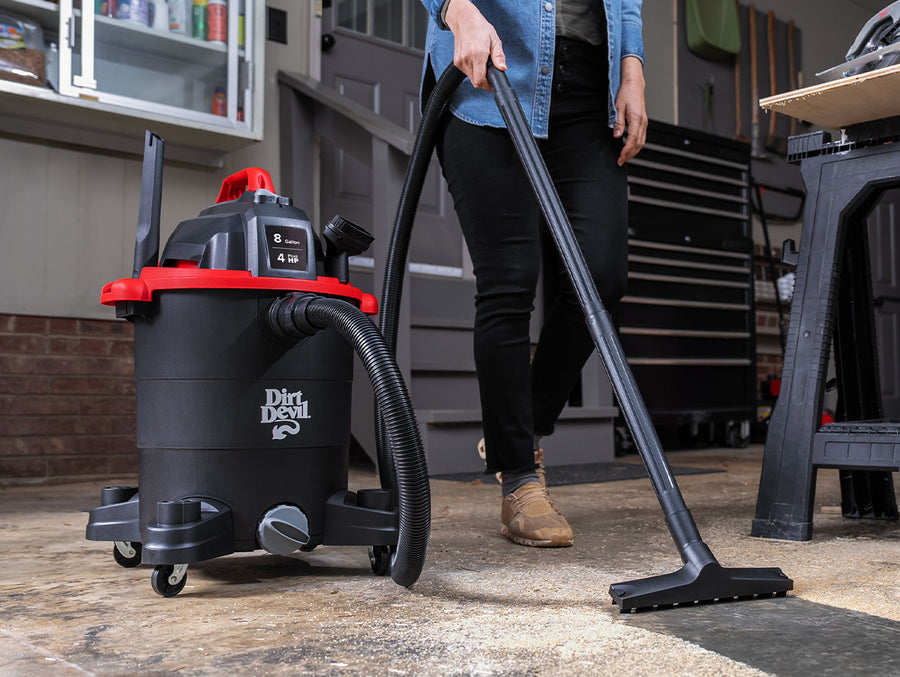
- Garage and workshop cleaning: Sawdust, nails, metal shavings, and other debris are no match for their strong suction.
- Car and vehicle cleaning: Remove sand, pet hair, snacks, or spilled drinks from car seats and floors.
- Home renovation and construction: Suck up drywall dust, wood chips, and other messes that regular vacuums can’t handle.
- Flood recovery: Suck water from carpets, floors, and basements after minor flooding or leaks.
- Outdoor cleaning: Use the blower function to clear leaves, or vacuum grass clippings from patios.
- Unclogging sinks and drains: Some models can remove blockages if you know the proper method.
- Cleaning fireplaces and grills: Special filters can handle cold ashes and soot.
- Pet messes: Quickly clean up wet or dry pet accidents, hair, and litter.
Credit: www.shopvac.com
Wet Dry Vacuum Vs. Regular Vacuum: What’s The Difference?
Many people wonder if they really need a wet dry vacuum or if a regular vacuum is enough. The differences are important:
| Feature | Wet Dry Vacuum | Regular Vacuum |
|---|---|---|
| Handles liquids | Yes | No |
| Suction power | High (strong motor) | Moderate |
| Tank type | Large, can hold water and debris | Small, for dust only |
| Filters | Changeable (wet/dry) | Dry only |
| Outdoor/garage use | Yes | Not recommended |
| Blower function | Often included | Rarely included |
| Noise level | Usually louder | Usually quieter |
A regular vacuum is best for carpets and dust inside the house. A wet dry vacuum is for tough jobs, wet messes, and larger debris.
Main Types Of Wet Dry Vacuums
Not all wet dry vacuums look or work the same. Here are the main types:
Compact (mini) Wet Dry Vacuums
These are small, light, and easy to store. They are perfect for cars, small spills, or apartments.
Portable/medium Wet Dry Vacuums
These are a good balance between size and power. They work well for homes, garages, and small workshops.
Heavy-duty/industrial Wet Dry Vacuums
These are larger, with bigger tanks and stronger motors. They are used in workshops, construction sites, or for large cleanups.
Wall-mounted Wet Dry Vacuums
These are fixed to the wall in garages or workshops. They save floor space and are always ready to use.
Cordless Wet Dry Vacuums
Battery-powered models are good for places without easy access to electricity. They are less powerful but very convenient for quick jobs.
How To Use A Wet Dry Vacuum Safely
Wet dry vacuums are powerful, but safety is important. Here’s how to use them the right way:
- Read the manual: Every vacuum is a bit different. Always check the instructions for your model.
- Choose the right filter: Use a dust filter for dry messes. Switch to a foam or wet filter for liquids.
- Check tank capacity: Do not overfill the tank, especially with water. Most vacuums have a float that stops suction when full.
- Unplug before changing filters or emptying: This prevents electric shocks.
- Do not vacuum hot ashes or flammable liquids: Even wet dry vacuums can be damaged or cause fires.
- Clean and dry after use: Rinse the tank and let filters dry, especially after wet jobs, to prevent mold and bad smells.
- Store correctly: Keep the vacuum in a dry place and wrap the cord neatly.
Benefits Of Using A Wet Dry Vacuum
Why do so many people choose a wet dry vacuum? Here are the biggest benefits:
1. Versatility
One machine can handle almost any mess—wet or dry, big or small. No need for separate tools.
2. Time And Effort Saving
Strong suction and large tanks mean less time spent cleaning and fewer trips to empty the vacuum.
3. Durability
These machines are built tough, with strong motors, thick plastic tanks, and parts that can handle rough jobs.
4. Money Saving
You can use one vacuum for many jobs, reducing the need to buy extra cleaning tools.
5. Health And Safety
Quickly removing water from floors prevents slips and mold growth. Good filters also capture allergens and fine dust.
6. Emergency Helper
A wet dry vacuum can save a carpet or basement from water damage after a leak or flood.
7. Deep Cleaning
These vacuums can reach areas and suck up debris that regular vacuums leave behind, especially in workshops or cars.
Common Mistakes When Using A Wet Dry Vacuum
Even experienced users can make mistakes. Here are the most common ones, and how to avoid them:
- Using the wrong filter: Using a dry filter for liquids (or vice versa) can ruin the filter and the vacuum. Always check before you start.
- Vacuuming hot or burning materials: This can start a fire or melt the tank.
- Ignoring the float shutoff: If you keep sucking liquids after the float rises, water can get into the motor and cause damage.
- Not cleaning after use: Wet debris can grow bacteria or mold if left inside.
- Overfilling the tank: This reduces suction and can spill dirty water.
- Using on delicate surfaces: The strong suction can damage carpets or delicate upholstery if not careful.
- Forgetting to unplug before maintenance: This is a serious safety risk.
How To Choose The Right Wet Dry Vacuum
Choosing the right vacuum means looking at your needs, space, and budget. Here’s what to consider:
Where Will You Use It Most?
If it’s mainly for cars, a small portable model is enough. For garages or basements, a larger tank and stronger motor are better.
How Often Will You Use It?
For daily or heavy use, invest in a high-quality, durable model. For rare jobs, a basic model is enough.
What Messes Do You Expect?
If you expect a lot of water (floods, leaks), get a large tank. For fine dust (like drywall), look for HEPA filters.
How Much Storage Space Do You Have?
Wall-mounted or compact models are best for small spaces.
Cordless Or Corded?
Cordless models are easier to move but have limited run time and power. Corded models are more powerful for big jobs.
Budget
Prices range from $40 for basic models to $400+ for industrial machines. Set your budget, but remember—better quality usually lasts longer.
Practical Tips For Getting The Best Results
A few expert tips can make your wet dry vacuum experience smoother:
- Rinse the tank regularly to prevent smells and bacteria.
- Keep extra filters on hand, so you can swap them out quickly.
- Use the right attachment for the job—crevice for corners, squeegee for water, brush for carpets.
- Check hoses for clogs often, especially after picking up large debris.
- Empty the tank before storing to prevent leaks or mold.
- Check the float shutoff is working before large wet jobs.
Real-world Examples: When A Wet Dry Vacuum Saves The Day
To show just how useful a wet dry vacuum can be, here are some true-to-life scenarios:
- After a heavy rainstorm, a basement floods. A 12-gallon wet dry vacuum removes water quickly, preventing mold and damage.
- In a woodworking shop, sawdust covers every surface. A wet dry vacuum with a HEPA filter cleans the air and surfaces in minutes.
- A family dog knocks over a bucket of water on the carpet. The vacuum sucks up the water before it soaks in, saving the carpet.
- A car owner spills coffee inside the car. With a small portable wet dry vacuum, the mess is cleaned up instantly, and the car smells fresh again.
These are just a few examples. The flexibility and power of a wet dry vacuum mean it’s ready for nearly any mess.
Wet Dry Vacuum Maintenance And Care
Taking care of your machine will keep it working for years. Here’s how:
- Clean filters after each use. Shake off dust or rinse foam filters with water.
- Wash the tank. Use soap and water, then let it dry completely.
- Check hoses and attachments for blockages or damage.
- Inspect the power cord for cuts or frays.
- Store in a dry place. Avoid damp basements or sheds that may rust metal parts.
- Lubricate wheels and moving parts if they get stiff.
- Replace worn filters and parts as recommended in the manual.
Proper care not only extends the life of the vacuum, but also keeps suction strong and cleaning results top-notch.
Environmental Impact Of Wet Dry Vacuums
Wet dry vacuums can help or hurt the environment, depending on how you use them:
- Reusable filters reduce waste compared to disposable bags.
- High-efficiency motors use less power, saving energy.
- Proper disposal of dirty water is important—never pour contaminated water down storm drains.
- Long-lasting machines mean less electronic waste.
Always follow local rules for cleaning up hazardous materials or liquids.
Advanced Features You May Not Know About
Some modern wet dry vacuums come with advanced features that can make cleaning even easier:
- Automatic filter cleaning: Some models shake or blow out filters to keep suction strong.
- Drain ports: For easy emptying of the tank without lifting.
- Variable suction control: Adjust the power for delicate surfaces or tough messes.
- Bluetooth connectivity: Rare, but some vacuums can be controlled with a phone app.
- Accessory storage: Built-in holders for keeping all tools handy.
These extras aren’t always needed, but they can be a big help for frequent users.
Wet Dry Vacuum Statistics And Popular Brands
The global wet dry vacuum market is growing fast. In 2023, the market was valued at over $1. 2 billion, with an expected annual growth of 6% through 2028. The rise in home improvement and DIY trends has boosted demand for these versatile machines.
Some of the most popular and trusted wet dry vacuum brands include:
- Shop-Vac: The original and most famous brand.
- Craftsman: Known for durability and strong suction.
- RIDGID: Popular for industrial and heavy-duty models.
- DeWalt: Trusted for professional tools.
- Bissell: Makes smaller, home-friendly models.
- Vacmaster: Offers a wide range of affordable options.
Each brand offers different models for different needs, so compare carefully.
Credit: kenmorefloorcare.com
Wet Dry Vacuum: Key Specifications Comparison
Here is a side-by-side look at three popular models to help you see how they compare.
| Model | Tank Size | Motor Power | Weight | HEPA Filter | Cord Length |
|---|---|---|---|---|---|
| Shop-Vac 5989300 | 5 Gallons | 4.5 HP | 12 lbs | No | 6 ft |
| Craftsman CMXEVBE17595 | 16 Gallons | 6.5 HP | 26 lbs | Optional | 20 ft |
| DeWalt DXV04T | 4 Gallons | 5 HP | 13 lbs | No | 10 ft |
Wet Dry Vacuum: Misconceptions And Lesser-known Facts
Many people believe wet dry vacuums are only for workshops or professionals, but they’re perfect for homes, cars, and even apartments. Another common myth is that these vacuums are hard to clean or maintain. In reality, with proper care, they can last over a decade.
A key point beginners often miss: even small portable wet dry vacuums can be stronger than large household vacuums. Also, some vacuums can be used for inflating pool toys or air mattresses using the blower port, a handy trick for summer fun.
Real-world Safety And Limitations
While wet dry vacuums are safe when used correctly, they have limits:
- Not for toxic chemicals: Never vacuum gasoline, paint thinner, or similar substances.
- Not for hot materials: Wait for ashes or coals to cool completely.
- Not for medical waste: Use proper disposal methods for dangerous materials.
- Electrical safety: Always keep the plug and cord away from water.
If you’re unsure, check the manual or ask the manufacturer.
Where To Buy Wet Dry Vacuums
You can find wet dry vacuums in hardware stores, big box retailers, and online. When shopping, read reviews, compare specifications, and check for warranties. For more information, visit the Wikipedia page on Wet/Dry Vacuums.
Credit: dirtdevil.com
Frequently Asked Questions
What Can I Use A Wet Dry Vacuum For?
A wet dry vacuum is great for cleaning up both dry debris (dust, dirt, sawdust) and liquids (spills, leaks, floods). It’s useful in homes, garages, cars, and even outdoors for leaves or grass.
Can I Use A Wet Dry Vacuum To Clean My Carpet?
Yes, you can use it to remove dirt and even suck water from carpets after a spill. However, it’s not a replacement for a carpet shampooer if you need a deep clean with soap and water.
Is It Safe To Use A Wet Dry Vacuum For All Liquids?
Not all liquids are safe. You should never vacuum gasoline, paint thinner, or other flammable, toxic, or sticky substances. Stick to water, simple spills, or non-hazardous materials.
How Do I Clean A Wet Dry Vacuum After Use?
Remove and rinse filters, empty and wash the tank, and check hoses for blockages. Always let parts dry before storing to prevent mold or smells.
What Size Wet Dry Vacuum Should I Buy?
Choose based on your main cleaning needs. For cars or small jobs, a 2-6 gallon model is enough. For big workshops, basements, or flood cleanup, 12-16 gallons or more is better.
A wet dry vacuum is a smart investment for anyone who wants a cleaner, safer, and easier-to-maintain space. With the right model and proper care, you’ll handle almost any mess life throws at you—wet or dry.