
An angle grinder is one of those tools that might look simple, but its power and versatility surprise many people. If you walk into any workshop—whether it’s a car garage, a metal fabrication shop, or even a construction site—you’ll probably see someone using this tool. But what exactly is an angle grinder used for? The answer is: a lot more than most beginners realize. This article will open up the full world of angle grinders, showing you not only the basic uses, but also the less obvious ones that make this tool a must-have for many jobs.
What Is An Angle Grinder?
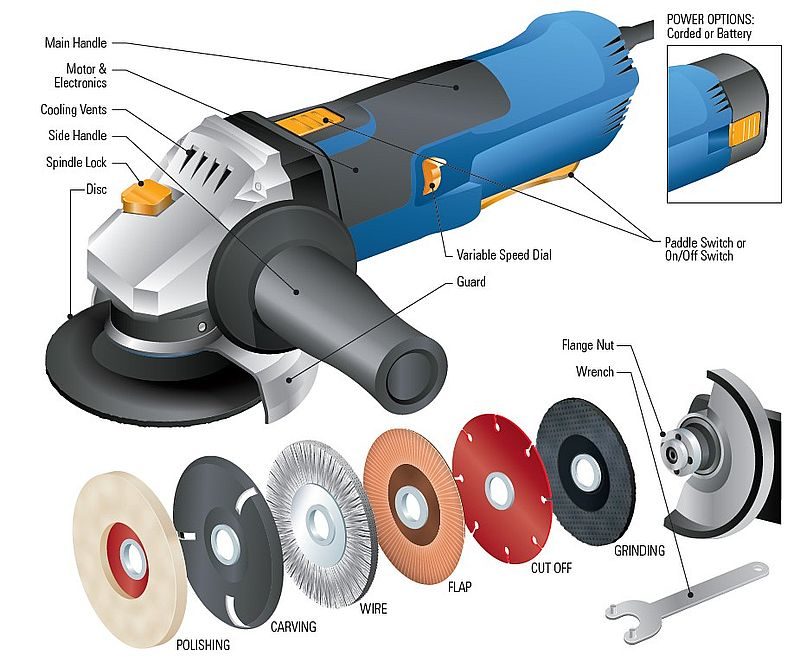
An angle grinder is a handheld power tool with a spinning disc, usually between 4 and 9 inches across. It’s powered by electricity (corded or cordless), compressed air, or sometimes even petrol engines. At its core, the tool is designed to cut, grind, polish, or sand different materials.
What makes it special is how quickly you can swap out the disc, changing its function in seconds.
The motor spins the disc at high speed—often 6,000 to 12,000 revolutions per minute (RPM). This speed allows it to slice through tough materials like metal, concrete, and tile. But with the right attachment, it can also handle delicate jobs like polishing car paint or sharpening a garden tool.
Main Uses Of An Angle Grinder
Angle grinders are famous for their flexibility. They are not limited to one job or one type of material. The secret is in the variety of discs and wheels you can attach. Here are the main uses:
1. Cutting Metal
One of the most common uses is cutting metal. Fit a thin cutting disc, and an angle grinder can slice through steel rods, rebar, sheet metal, or even bolts. This is much faster than using a hacksaw, and the cuts are often cleaner. Construction workers, mechanics, and welders use angle grinders daily for this reason.
Practical Example:
Imagine you need to remove a rusty bolt from a car. A wrench won’t work, but an angle grinder with a cut-off wheel can slice through the bolt in seconds.
2. Grinding And Smoothing Metal
Grinding is different from cutting. Instead of slicing through, you use a thicker wheel to smooth rough edges, remove welds, or clean off rust and paint. After welding two metal pieces, for example, the joint is usually uneven. An angle grinder quickly flattens it, making the joint stronger and better looking.
Non-obvious Insight:
Most beginners do not realize that the right grinder wheel can even shape metal, not just smooth it. You can create beveled edges or round off corners, which is important for safety and appearance.
3. Cutting Tile, Stone, And Concrete
Angle grinders with diamond-tipped blades can cut through tough building materials like ceramic tiles, bricks, or pavers. This is extremely useful for kitchen, bathroom, or patio projects. Plumbers and tilers often rely on this tool to make precise cuts for pipes or corners.
Practical Example:
If you need to fit a tile around a pipe in your bathroom, a small angle grinder makes a clean U-shaped cut, which is almost impossible with a hand tool.
4. Removing Rust, Paint, And Mortar
With a wire brush attachment, you can quickly strip old paint, rust, or even hardened mortar from surfaces. This is useful for restoring car parts, cleaning up old tools, or preparing metal before painting.
Non-obvious Insight:
Many new users forget that wire brushes come in different shapes—flat, cup, or wheel brushes. Each is better for certain jobs: cup brushes for broad surfaces, wheel brushes for corners and edges.
5. Sharpening Tools And Blades
An angle grinder is excellent for sharpening garden tools like shovels, hoes, axes, and lawnmower blades. The abrasive disc can restore a sharp edge much faster than a file.
Practical Example:
If your lawnmower blade is dull, use a grinding disc to bring back the edge. Remember to check the balance of the blade after sharpening—it’s a safety must!
6. Polishing And Buffing
Switch the disc for a polishing pad and special compound, and the angle grinder can polish metal, stone, or even car paint. This is not as common as grinding, but it’s a valuable ability for restoration projects.
Non-obvious Insight:
Use a variable speed grinder for polishing. High speeds can burn paint or damage delicate surfaces.
7. Sanding Wood And Metal
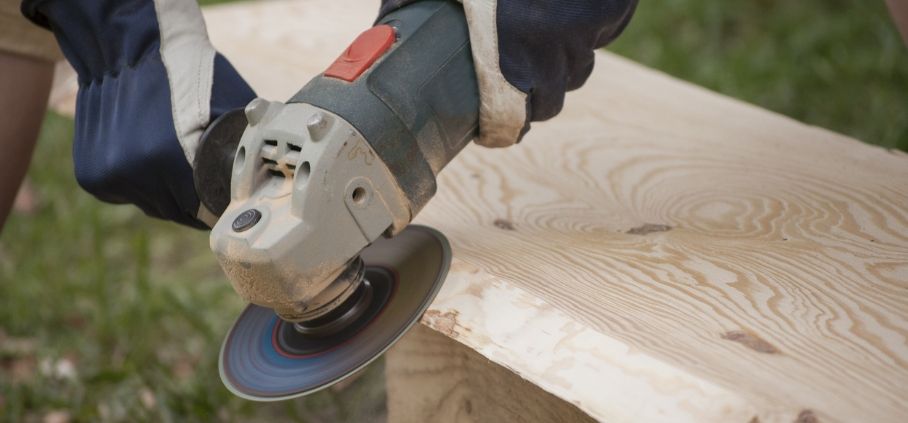
Angle grinders can sand large surfaces quickly using sanding discs. This is handy for rough wood, removing old varnish, or smoothing weld joints in metalwork.
Practical Example:
Furniture makers sometimes use angle grinders to sand reclaimed wood, removing years of paint or dirt in minutes.
8. Carving And Shaping Wood
With special carving discs, you can use an angle grinder to sculpt wood. Artists and carpenters use this for quick removal of material, creating shapes and textures impossible with traditional hand tools.
Non-obvious Insight:
Only use carving attachments designed for grinders. Regular blades are dangerous and can cause serious accidents.
9. Cutting Pipes And Tubes
Plumbers and HVAC technicians often need to cut pipes (steel, copper, or plastic). An angle grinder makes straight, fast cuts in tight spaces where a saw might not fit.
Practical Example:
In a cramped basement, you can use a compact angle grinder to cut an old pipe flush against the wall.
10. Removing Excess Weld
After welding, the joint usually has extra metal (“slag” or “spatter”). An angle grinder with a grinding or flap disc quickly removes excess weld, leaving a neat finish.
Non-obvious Insight:
A flap disc (layers of sandpaper) removes metal more gently than a grinding disc, so it’s perfect for smoothing without gouging the base metal.
11. Cutting Rebar, Wire Mesh, And Fencing
Construction workers use angle grinders to cut rebar in concrete, wire mesh, or metal fencing. The tool’s portability makes it ideal on building sites where other tools are too heavy or slow.
12. Cleaning Metal Surfaces
Before welding or painting, cleaning metal is critical. Angle grinders with wire wheels or brush attachments remove dirt, oil, and rust, making sure the new weld or paint sticks well.
13. Removing Old Mortar (tuckpointing)
Masons use angle grinders to remove old mortar between bricks. With a diamond tuckpointing blade, you can clean out joints quickly before adding new mortar. This helps keep walls strong and prevents water damage.
14. Rescuing Stuck Fasteners
When a screw or bolt is stripped or rusted, a grinder can cut a new slot for a flathead screwdriver or simply cut off the head.
15. Surface Preparation For Coatings
Before applying coatings (like epoxy on a garage floor), angle grinders can roughen concrete for better adhesion. Special diamond “cup wheels” do this job efficiently.
16. Emergency Situations
Firefighters and rescue teams use large angle grinders to cut through locks, chains, or barriers during emergencies, such as car accidents or building rescues.
17. Artistic And Decorative Work
Artists and metalworkers use angle grinders to create textures and finishes on sculptures or furniture. By changing the disc or adjusting the speed, you can get unique patterns and effects.
18. Cutting Roof Tiles And Slates
Roofers use angle grinders to trim tiles or slates to the right size. The tool’s control and speed help get a perfect fit, especially for complicated roof shapes.
19. Deburring And Chamfering
After cutting metal, sharp edges (burrs) are dangerous. Grinders remove burrs and can add a slight angle (chamfer) for safety and easier fitting.
20. Removing Grout
With a special blade, angle grinders can remove grout between tiles—much faster than scraping by hand. This is useful during tile repairs or bathroom remodels.
Types Of Angle Grinders
There are several types of angle grinders, and the right choice depends on your job. Here’s a look at the main types and how they compare:
| Type | Power Source | Typical Disc Size | Main Advantage |
|---|---|---|---|
| Corded | Electricity (mains) | 4-9 inches | Continuous power, no battery limits |
| Cordless | Rechargeable battery | 4-5 inches | Portable, use anywhere |
| Pneumatic | Compressed air | 4-5 inches | Lightweight, used in auto shops |
| Petrol/Gas | Fuel engine | 9 inches or larger | Very powerful, for outdoor heavy use |
Corded grinders are the most common for home and shop use. Cordless models are gaining popularity as batteries improve. Pneumatic grinders are favored in auto body shops because they’re lighter and don’t spark as much.
Understanding Discs And Attachments
The secret to an angle grinder’s versatility is in the discs and attachments you use. Each job requires a different type:
- Cutting discs: Thin, for slicing through metal or stone.
- Grinding discs: Thicker, for smoothing and shaping metal.
- Flap discs: Layers of sandpaper, for smoothing welds and removing material gently.
- Wire brush wheels: For cleaning rust, paint, or dirt.
- Diamond blades: For cutting hard materials like tiles and concrete.
- Polishing pads: For buffing and polishing metals or paint.
- Sanding discs: For removing surface material, paint, or smoothing wood.
- Carving discs: For shaping wood or soft stone.
Changing the disc is simple (though always unplug or remove the battery first!). Be sure to use the correct disc for the material and job.
Key Safety Precautions
Angle grinders are powerful tools, and safety is critical. Here are the main rules:
- Wear eye and ear protection. Discs can shatter, and sparks fly. Always use safety goggles and earplugs.
- Use gloves and a face mask. Gloves protect your hands from sparks, and a mask keeps dust out of your lungs.
- Check the disc before use. Look for cracks or damage. Never use a damaged disc.
- Secure your work. Clamp the material so it doesn’t move.
- Hold the tool firmly. Use both hands and keep a solid grip.
- Let the disc stop on its own. Don’t try to stop it with your hand or anything else.
- Watch the sparks. Make sure they don’t hit anything flammable.
Two Insights Beginners Often Miss:
- Always use the guard that comes with the grinder. Removing it is dangerous, even though it might seem to improve visibility.
- Never use a regular saw blade or anything not designed for grinders. Discs spin much faster than saws, and the wrong attachment can shatter.
How To Choose The Right Angle Grinder
Selecting the right angle grinder depends on the jobs you expect to do. Here’s a comparison of the main features to consider:
| Feature | Why It Matters | Advice |
|---|---|---|
| Power (Watt/Amp) | More power cuts faster and handles tough materials | Pick 750W+ (6+ Amps) for serious metal or masonry work |
| Disc Size | Larger discs cut deeper, smaller ones for detail | 4.5” is most versatile for general use |
| Speed Control | Variable speed is important for polishing or delicate work | Choose variable speed for multi-purpose use |
| Weight & Ergonomics | Lighter tools reduce fatigue | Try holding the tool before buying if possible |
| Power Source | Corded for power, cordless for portability | Match to your main work location |
| Safety Features | Soft start, anti-kickback, good guards | Don’t skip these to save money |
Common beginner mistakes:
- Choosing too large a grinder for small jobs—this is tiring and hard to control.
- Ignoring ergonomics. If the handle isn’t comfortable, you’ll regret it on long jobs.
- Not considering battery life for cordless models. Grinding drains batteries faster than drilling.
Angle Grinder Vs. Other Tools
Many people wonder why not use a saw, sander, or other tool instead of an angle grinder. Here’s how the angle grinder compares:
- Saw: Saws make straight cuts but can’t grind, polish, or carve. Angle grinders are more flexible.
- Bench grinder: Good for sharpening, but not portable. Angle grinders go to the work.
- Oscillating multi-tool: More precise for small jobs, but much slower for cutting or grinding.
- Die grinder: For detail work in tight spaces, but less power than an angle grinder.
Maintenance And Care
To keep your angle grinder working well:
- Clean after every use. Blow out dust and wipe the tool down.
- Check brushes and cords. Replace worn brushes or damaged cords immediately.
- Store discs safely. Keep them dry and flat to avoid warping.
- Lubricate moving parts. Some grinders need a drop of oil—check your manual.
If you notice sparks inside the motor, a burning smell, or poor performance, stop using the tool and get it checked.
Real-world Examples: Who Uses Angle Grinders?
Angle grinders are found in many industries:
- Construction: Cutting rebar, tiles, bricks, and smoothing concrete.
- Metalworking: Fabricating gates, fences, and car parts.
- Automotive: Bodywork repairs, rust removal, and polishing.
- Art: Sculptors creating shapes in metal or stone.
- Rescue services: Emergency cutting through barriers.
Even home DIYers use angle grinders for fence repairs, furniture restoration, and garden tool sharpening.
Cost And Value
Angle grinders are affordable compared to what they can do. Entry-level models start at $30-$60, while professional tools can cost $200 or more. Discs are cheap—usually $2-$10 each, depending on type.
Think about the value: One tool can replace a saw, sander, and polisher for many jobs. For most people, a 4.5-inch corded grinder covers nearly all needs.

Environmental And Safety Considerations
Grinding and cutting produce a lot of sparks, dust, and noise. Here are ways to reduce risks:
- Use a vacuum attachment or work outside for dust.
- Wear ear protection—grinders are loud.
- Never grind near flammable materials.
- Dispose of metal and abrasive dust properly; some materials are hazardous.
When Not To Use An Angle Grinder
Despite its versatility, there are times when another tool is better:
- For very fine, detailed cutting, a multi-tool or die grinder is safer.
- For soft materials like plastic, angle grinders can melt rather than cut.
- For straight, long cuts in wood, a circular saw is faster and smoother.
Innovations And Advanced Uses
Modern angle grinders are getting smarter:
- Brushless motors are more efficient and need less maintenance.
- Automatic speed adjustment helps avoid overheating.
- Bluetooth connectivity on some models allows tracking tool usage.
Some advanced attachments even let you use an angle grinder as a mini chainsaw (with proper safety guards).
Learning Curve: Tips For Beginners
If you’re new to angle grinders, here’s what helps you get started:
- Practice on scrap. Try different discs on waste material to get a feel for speed and pressure.
- Start slow. Let the tool and the disc do the work—don’t force it.
- Watch sparks. The direction of sparks tells you if you’re grinding at the correct angle (around 15-30 degrees for most grinding).
A common mistake is pressing too hard, which overheats the disc and wears it out quickly.
Where To Learn More
If you want to go deeper, many trade schools offer short courses on tool use. YouTube channels like “Essential Craftsman” or manufacturer websites provide detailed videos.
For technical specs and safety standards, check out the official Wikipedia page on angle grinders.
Frequently Asked Questions
What Size Angle Grinder Should I Buy For Home Use?
For most home projects, a 4.5-inch angle grinder is the best choice. It’s small enough for tight spaces but powerful enough to cut and grind metal, tile, or stone. Larger grinders are heavier and usually needed only for big construction jobs.
Can I Use An Angle Grinder To Cut Wood?
You can cut wood with the right disc, but it’s risky. Special wood-cutting discs exist, but they can kick back and are less safe than a saw. For most woodwork, a circular saw or jigsaw is better and safer.
How Do I Change An Angle Grinder Disc?
First, unplug the tool or remove the battery. Press the spindle lock button, use the supplied wrench to loosen the nut, then remove the old disc. Add the new disc, tighten the nut, and release the lock. Always double-check the disc is secure before use.
Why Does My Angle Grinder Keep Stopping?
Common reasons are overheating, a worn-out disc, or a blocked air vent. Sometimes, the motor brushes are worn out or the power supply is weak. Clean the tool, check the disc, and let it cool down between heavy tasks.
Is It Safe To Use An Angle Grinder Without The Guard?
No, it’s not safe. The guard protects you from sparks, flying debris, and disc failure. Always use the guard that comes with your grinder, and never remove it for better visibility.
Angle grinders are powerful, flexible tools that open up many possibilities for builders, artists, and DIYers alike. With the right safety habits and a little practice, this single tool can handle dozens of jobs—saving time, money, and effort. Whether you’re cutting metal, restoring a rusty gate, or polishing a sculpture, the angle grinder is a tool worth mastering.