
Every autumn, as leaves scatter across lawns and driveways, homeowners and groundskeepers reach for their trusted leaf blowers. But when shopping for a new blower or trying to understand your current one, you’ll often see “CFM” listed as a key feature.
What does this number really mean? Is higher always better? And how does it affect your leaf blower’s performance in real-world situations? If you’ve ever wondered about these questions, you’re not alone. Understanding CFM on a leaf blower is essential for making a smart purchase and using your tool effectively.
Let’s break down what CFM means, why it matters, how it compares to other specs like MPH, and how you can use this information to choose the right leaf blower for your needs. We’ll also look at real examples, expert insights, and practical tips so you can clear your yard with confidence.
Understanding Cfm: What Does It Stand For?
CFM stands for Cubic Feet per Minute. This measurement tells you how much air the leaf blower can move in one minute. Imagine a box that’s one foot tall, wide, and deep. If a leaf blower has a CFM of 400, it means it can push 400 of those boxes’ worth of air through its nozzle every minute.
CFM is not just a technical number. It directly affects how well your blower can move leaves, dust, and debris. The more air your blower moves, the more leaves you can push at once.
How Is Cfm Measured?
Manufacturers measure CFM by calculating the volume of air that passes through the blower’s nozzle in one minute. This involves precise testing in controlled environments. However, some companies may use different methods, so numbers can vary slightly between brands.
Why Cfm Matters For Leaf Blowers
- Area Coverage: Higher CFM means you can clear a wider path with each sweep.
- Debris Type: Wet leaves, pine needles, or heavy debris need more air volume to move.
- Efficiency: With better CFM, you spend less time working on large areas.
Cfm Vs. Mph: What’s The Difference?
When looking at leaf blower specs, you’ll also see MPH (miles per hour). While CFM measures air volume, MPH measures air speed coming out of the nozzle.
- CFM = Volume of air moved
- MPH = Speed of air
Think of it like this: If CFM is how much water comes out of a hose, MPH is how fast that water shoots out. Both numbers are important, but for different reasons.
Which Is More Important?
It depends on your needs:
- High CFM is better for moving lots of light debris or covering large areas quickly.
- High MPH is better for stubborn, stuck-on debris where air needs to hit hard.
Ideally, a good leaf blower balances both. For most homeowners, a moderate to high CFM with decent MPH is best.
How Cfm Affects Leaf Blower Performance
The CFM rating affects every part of how your leaf blower works:
- Clearing Leaves: High CFM moves leaves in large piles, saving time.
- Moving Debris: More air volume means you can shift heavier things like pine cones or acorns.
- Efficiency: Clearing large yards is faster with higher CFM, as you make fewer passes.
But there’s a catch: more CFM usually means a bigger, heavier, or more expensive blower. And if you only need to clear a small porch, too much CFM may be overkill.
Real-world Example
Imagine two leaf blowers:
- Blower A: 200 CFM, 180 MPH
- Blower B: 400 CFM, 120 MPH
Blower A’s high speed is great for stuck debris, but its low CFM means you’ll clear a narrow path. Blower B’s high CFM lets you move more leaves at once, even if the wind isn’t as fast. For most yards, Blower B will finish the job faster.
Cfm Ratings: What Numbers Should You Look For?
Leaf blowers come in a wide range of CFM ratings. Here’s what different numbers mean for typical use:
- Under 200 CFM: Good for patios, garages, or very small yards. Mostly found in lightweight cordless blowers.
- 200–400 CFM: Suitable for average suburban yards, driveways, and decks. Most battery-powered models fall here.
- 400–700 CFM: Powerful enough for large yards or heavy leaf fall. Many gas and high-end electric models.
- 700+ CFM: Professional-grade. Used for commercial work, parks, or heavy debris.
How Cfm Compares Across Types
Below is a comparison of typical CFM ratings for different types of leaf blowers:
| Blower Type | Typical CFM Range | Common Uses |
|---|---|---|
| Cordless (Battery) | 150–500 | Small to medium yards, light debris |
| Corded Electric | 200–600 | Medium yards, regular leaf cleanup |
| Gas Handheld | 350–600 | Medium to large yards, heavier debris |
| Gas Backpack | 500–900 | Large yards, commercial use, wet leaves |
| Commercial Walk-Behind | 1000+ | Parks, parking lots, professional landscaping |
How To Choose The Right Cfm For Your Needs
Not everyone needs the most powerful blower on the market. Here’s how to match CFM to your actual yard and tasks:
1. Yard Size
- Small yards (<1/4 acre):200–350 CFM is usually enough.
- Medium yards (1/4–1/2 acre): 350–500 CFM handles most jobs.
- Large yards (>1/2 acre): 500–700 CFM or more is ideal.
2. Debris Type
- Dry leaves and grass clippings: Lower CFM is fine.
- Wet leaves, pine needles, twigs: Go for higher CFM.
- Heavy debris (nuts, gravel, mulch): Choose the highest CFM you can handle.
3. Frequency Of Use
- Weekly or daily use: Invest in a blower with higher CFM for efficiency.
- Occasional cleanup: Moderate CFM is usually enough.
4. Weight And Comfort
Higher CFM often means a larger, heavier blower. Make sure you can comfortably carry and use the machine for the time needed. Backpack blowers offer high CFM with better weight distribution.
Cfm And Battery Life: What’s The Connection?
For cordless leaf blowers, CFM affects battery life. The higher the CFM, the more power the blower uses, and the faster the battery drains. Manufacturers often list “runtime” at different power levels.
Example Runtime Table
Here’s how battery life can change based on CFM settings:
| CFM Setting | Runtime (Minutes) | Typical Use |
|---|---|---|
| Low (200 CFM) | 40–60 | Light sweeping, patios |
| Medium (350 CFM) | 20–30 | Yard work, leaves |
| High (500+ CFM) | 10–15 | Heavy debris, large piles |
This shows why it’s important to balance power and runtime, especially for battery-powered blowers.
How Cfm Is Affected By Nozzle Size And Shape
CFM is measured at the nozzle, but the nozzle size and shape can change how air moves:
- Wide nozzles: Higher CFM, but lower MPH. Great for sweeping big areas.
- Narrow nozzles: Lower CFM, but higher MPH. Useful for stubborn debris.
Some blowers come with adjustable nozzles or attachments, letting you switch between wide and narrow airflow depending on the task.
Hidden Insight: Nozzle Swapping
Many beginners ignore the value of changing nozzles. For example, a flat nozzle can focus air for more power, while a round nozzle spreads air for wider coverage. Using the right nozzle for the job can make a big difference in how fast you finish.
Cfm And Noise Levels
Higher CFM usually means a louder leaf blower. This can be a concern in quiet neighborhoods or places with noise restrictions.
- Low-CFM blowers: Often 60–70 decibels (dB)
- High-CFM models: Can reach 90 dB or higher
If you need a quieter option, look for models with low-noise technology or check the dB rating before buying.
Cfm In Real-world Use: Common Mistakes And Myths
Mistake 1: Only Looking At Cfm
Some buyers focus only on CFM and ignore MPH. You need both for the best results. A blower with high CFM but very low MPH may struggle with stuck leaves.
Mistake 2: Assuming Higher Is Always Better
If your yard is small, a very high CFM blower can be hard to control and might blow away mulch or damage plants. Choose power that matches your task.
Mistake 3: Ignoring Ergonomics
High CFM models can be heavy. Make sure you can use the blower comfortably for the time you need.
Myth: All Cfm Numbers Are Equal
Some brands test CFM at the intake (where air enters), not the nozzle (where air exits). Always check if the CFM is measured at the nozzle for accurate comparison.
Professional And Homeowner Perspectives
Homeowner Needs
Most homeowners are happy with blowers in the 350–500 CFM range. These models clear leaves quickly, are easy to handle, and don’t drain batteries too fast.
Professional Landscaper Needs
Landscaping crews often need 700+ CFM blowers, especially for commercial properties or after storms. These powerful units save time but can be loud and heavy.
Insight: Power Is Not Everything
Some professionals use lower CFM for delicate areas like flower beds, then switch to high-CFM blowers for open lawns. Having both options on hand is ideal.
Comparing Popular Leaf Blower Models By Cfm
Below are examples of popular leaf blowers and their CFM ratings to give you a sense of what’s available:
| Model | Type | CFM | MPH |
|---|---|---|---|
| DEWALT DCBL720P1 | Cordless | 400 | 90 |
| Greenworks 40V 24252 | Cordless | 150 | 135 |
| Toro 51621 UltraPlus | Corded Electric | 410 | 250 |
| Echo PB-580T | Gas Backpack | 510 | 215 |
| Husqvarna 580BTS | Gas Backpack | 908 | 206 |
This range covers everything from small patios to large properties.
Environmental Impact: Cfm And Efficiency
Higher CFM blowers tend to use more energy (in electric models) or fuel (in gas models). This can affect both operating costs and environmental footprint.
- Electric blowers: Lower emissions, but higher CFM can mean faster battery drain and more frequent charging.
- Gas blowers: High CFM means more fuel use, which can increase emissions.
If you want an eco-friendly option, look for efficient electric blowers in the 350–500 CFM range.

Cfm And Safety: What You Should Know
Leaf blowers, especially high-CFM models, can be dangerous if not used properly. Here are some tips:
- Wear eye protection: High CFM can blow dust and small stones.
- Protect your hearing: Use earplugs or earmuffs with loud blowers.
- Be careful around delicate plants: High CFM can damage flowers or blow away mulch.
- Never point at people or pets: The strong airflow can cause injury.
Non-obvious Insights About Cfm
1. Cfm Can Drop With Clogged Filters
Most people don’t realize that dusty or clogged air filters can reduce your blower’s CFM by up to 20%. Regular cleaning helps maintain performance.
2. Altitude Affects Cfm Output
At high altitudes, air is thinner, so both gas and electric blowers push less air. If you live in a mountain area, your actual CFM could be lower than the spec sheet.
How To Measure Cfm Yourself
If you want to check your leaf blower’s real CFM, you can do a basic test:
- Cut a cardboard box to match the size of your blower nozzle.
- Use a garbage bag to capture air from the nozzle for exactly one minute.
- Measure how much the bag expands (in cubic feet).
This is not exact, but it gives you an idea if your blower is performing as advertised.
Tips For Getting The Most From Your Leaf Blower’s Cfm
- Use the right nozzle: Swap attachments for different tasks.
- Clear debris in one direction: Work with the wind, not against it.
- Keep the blower clean: Dirty filters or blocked vents reduce CFM.
- Charge batteries fully: Lower battery means lower CFM on cordless models.
- Adjust power as needed: Use high CFM only when necessary to save energy.
When To Upgrade To A Higher Cfm Model
Consider moving up to a more powerful blower if:
- Your current blower struggles with wet or heavy debris.
- You have expanded your yard or property.
- You want to reduce cleanup time.
- You need to clear large areas regularly.
But remember, bigger isn’t always better. Choose a blower that matches your needs.
Where To Find Reliable Cfm Information
Always check the manufacturer’s website for the most accurate specs. For trusted reviews and comparisons, sites like Consumer Reports offer detailed testing and advice.
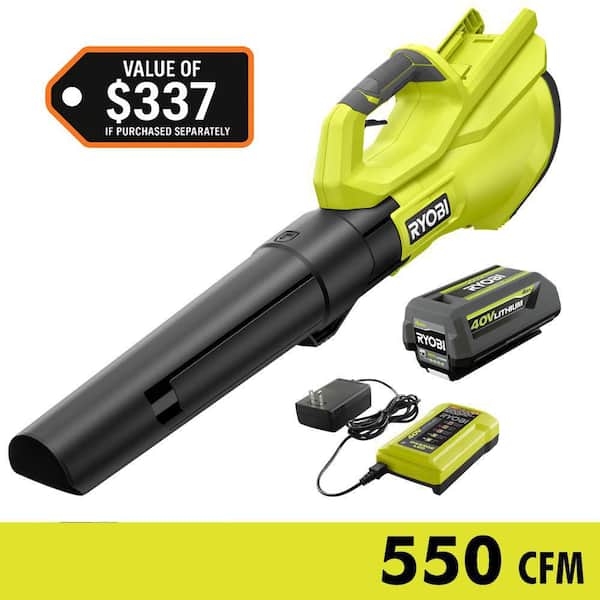
Frequently Asked Questions
What Does Cfm Mean In Simple Terms?
CFM, or Cubic Feet per Minute, means how much air a leaf blower can push out every minute. The higher the CFM, the more leaves and debris you can move at once.
How Much Cfm Do I Need For My Yard?
For small yards, 200–350 CFM is usually enough. Medium yards do well with 350–500 CFM. Large or very leafy yards may need 500 CFM or more.
Is Cfm Or Mph More Important For Leaf Blowers?
Both are important. CFM measures the amount of air, while MPH measures the speed. For most jobs, a good balance is best. High CFM is better for moving lots of leaves, while high MPH is better for stuck debris.
Can Higher Cfm Damage My Plants Or Garden?
Yes, very high CFM can blow away mulch, soil, or even damage delicate plants. Always use the right power setting and nozzle for the area you’re working in.
Does Cfm Affect Battery Life On Cordless Blowers?
Yes, the higher the CFM, the more power the blower uses, which means the battery will drain faster. Using lower settings can help extend battery life.
A clear understanding of CFM can make the difference between a frustrating yard cleanup and a quick, satisfying result. Whether you’re buying your first leaf blower or upgrading to a more powerful model, knowing how to choose the right CFM—and how to use it wisely—will help you keep your property looking its best all year round.