
What Size Pressure Washer Do I Need
Choosing the right pressure washer can feel confusing, especially with so many models, sizes, and technical terms. You might see terms like PSI, GPM, electric vs. gas, and wonder what really matters for your tasks. Picking the wrong size can lead to wasted money or poor cleaning results.
But with the right information, you can find a pressure washer that fits your needs perfectly.
In this guide, you’ll learn exactly how to match a pressure washer’s size to your cleaning jobs. You’ll discover the important differences between types, what the numbers mean, and the hidden details most beginners overlook. Whether you want to clean your car, patio, siding, or heavy-duty equipment, you’ll find clear advice and practical examples here.
Let’s get started so you can make a smart, confident choice.
Understanding Pressure Washer Sizing
Choosing the right pressure washer starts with understanding what “size” means. It’s not about the physical size of the machine, but the power and water flow it delivers.
Psi: Pounds Per Square Inch
PSI measures the force the water delivers. Higher PSI means more cleaning power for tough dirt, but it can also damage delicate surfaces. For example, cleaning a driveway requires more PSI than washing a bicycle.
- Light-duty: 1,300–1,900 PSI (good for cars, patio furniture)
- Medium-duty: 2,000–2,800 PSI (sidewalks, fences, decks)
- Heavy-duty: 2,900–3,300 PSI (driveways, paint stripping)
- Professional: 3,300+ PSI (industrial, large surfaces)
Gpm: Gallons Per Minute
GPM measures how much water the washer uses each minute. More GPM means you can clean large areas faster. It also helps flush away debris. For tough, caked-on grime, higher GPM can be as important as PSI.
- Low GPM: 1.2–1.6 (for small tasks)
- Medium GPM: 1.7–2.5 (most home jobs)
- High GPM: 2.6+ (large areas, professional work)
Cu: Cleaning Units
Some brands use Cleaning Units (CU) to combine PSI and GPM into one number:
> Cu = Psi X Gpm
This can help compare models, but it’s more useful to look at PSI and GPM for your specific needs.
Matching Pressure Washer Size To Your Cleaning Tasks
You need different power for different jobs. Here’s how to match a washer’s size to what you want to clean.
Home And Light-duty Tasks
If you plan to clean cars, bikes, grills, windows, or small patios, you don’t need a huge, expensive washer. Too much power can even damage the paint or delicate surfaces.
- Recommended size: 1,300–1,800 PSI, 1.2–1.5 GPM
- Example: Washing a car with 1,400 PSI is safe and effective.
Medium-duty Household Cleaning
For fences, decks, sidewalks, boats, or brickwork, you’ll want more power to remove mold, dirt, or stains.
- Recommended size: 2,000–2,800 PSI, 1.8–2.5 GPM
- Example: Cleaning a deck with 2,200 PSI removes grime quickly.
Heavy-duty And Large Surface Cleaning
Large driveways, garage floors, or removing paint need a heavy-duty model. These can also handle tough stains, oil, or graffiti.
- Recommended size: 2,900–3,300 PSI, 2.5–3.5 GPM
- Example: Stripping old paint from concrete with 3,000 PSI.
Industrial And Commercial Jobs
Cleaning construction equipment, large parking lots, or preparing surfaces for painting calls for professional models.
- Recommended size: 3,300+ PSI, 3.5+ GPM
- Example: Degreasing machinery with 4,000 PSI.
Common Mistakes When Matching Size
Many people buy a washer that’s too powerful for everyday use. High PSI can etch wood, dent siding, or even break windows. On the other hand, too little power wastes time and water. Always match the washer to your most frequent cleaning needs, not the toughest job you might do once a year.
Electric Vs. Gas Pressure Washers
Choosing between electric and gas pressure washers is a key step. The right type depends on your tasks, mobility, and budget.
Electric Pressure Washers
- Best for: Light to medium jobs (cars, patios, small decks)
- Typical size: 1,300–2,000 PSI, 1.2–1.8 GPM
- Pros: Lightweight, quiet, low maintenance, easy to start
- Cons: Less powerful, needs a power outlet, shorter reach
Example: Washing a bicycle with a 1,500 PSI electric washer is safe and easy.
Gas Pressure Washers
- Best for: Medium to heavy jobs (driveways, large decks, industrial tasks)
- Typical size: 2,500–4,000+ PSI, 2.3–4.0+ GPM
- Pros: More powerful, portable, cleans faster
- Cons: Heavier, louder, needs fuel, more maintenance
Example: Cleaning a farm tractor with a 3,200 PSI gas washer saves time.
Quick Comparison
Here’s a side-by-side look at typical electric vs. gas washers:
| Feature | Electric | Gas |
|---|---|---|
| Typical PSI | 1,300–2,000 | 2,500–4,000+ |
| Typical GPM | 1.2–1.8 | 2.3–4.0+ |
| Noise Level | Low | High |
| Weight | Light | Heavy |
| Maintenance | Low | High |
| Price | Lower | Higher |
Insight: Many beginners think they need a gas washer for all outdoor cleaning. In reality, a strong electric model handles most home tasks with less hassle.
How To Read Pressure Washer Labels
When shopping, you’ll see a mix of numbers, features, and marketing claims. Here’s how to make sense of them.
Psi And Gpm Ratings
Always look for the actual PSI and GPM in the specifications. Some brands list “max” numbers that only happen for a short burst, not during normal use. Check for “working” or “rated” PSI/GPM, which are more reliable.
Cleaning Units (cu)
A washer with 2,000 PSI and 2. 0 GPM has 4,000 cleaning units. But if another model has 2,400 PSI and 1. 5 GPM (3,600 CU), it may not clean large areas as quickly, because lower GPM means less water to rinse away dirt.
Nozzle Types
The nozzle affects how the washer works. Most machines come with several color-coded tips:
- Red (0°): Small, powerful jet (rarely used, can damage surfaces)
- Yellow (15°): For heavy-duty cleaning (concrete, brick)
- Green (25°): General cleaning (decks, siding)
- White (40°): Light cleaning (cars, windows)
- Black (Soap): For applying detergent
A strong washer with the wrong nozzle can still cause damage. Always match the nozzle to the task.
Detergent And Soap Systems
Some washers include a soap tank or siphon hose for detergent. This can help loosen grime, but it’s not a replacement for strong PSI or GPM. Check if the model supports your preferred cleaning solutions.
Hose Length And Build
A short or stiff hose makes cleaning difficult. Look for a washer with at least 20 feet of high-pressure hose and a durable, kink-resistant design.
Credit: aqua-engineers.com
Picking The Right Size By Surface Type
To help you decide, here’s a breakdown of common surfaces and the best pressure washer sizes for each.
Vehicles (cars, Motorcycles, Bikes)
- Ideal PSI: 1,200–1,800
- Ideal GPM: 1.2–1.6
- Tips: Use a wide nozzle (40°), keep distance, and start on lowest pressure.
Wood Decks And Fences
- Ideal PSI: 1,500–2,500
- Ideal GPM: 1.4–2.0
- Tips: Use a 25° or 40° nozzle to avoid gouging the wood.
Concrete Driveways And Patios
- Ideal PSI: 2,500–3,000
- Ideal GPM: 2.0–3.0
- Tips: Use a 15° or 25° nozzle. For oil stains, use detergent.
House Siding (vinyl, Brick)
- Ideal PSI: 1,800–2,800
- Ideal GPM: 1.4–2.5
- Tips: Start with lower PSI to avoid damage.
Heavy Equipment
- Ideal PSI: 3,000+
- Ideal GPM: 3.0+
- Tips: Use the manufacturer’s guidelines and protective gear.
Important Factors Beyond Psi And Gpm
Water Source
Pressure washers need a steady water supply. If your home has low water pressure, a high-GPM washer may not work at full power. Check your faucet flow rate before buying.
Portability And Storage
A large, powerful washer can be hard to move and store. If you have limited space, consider a compact electric model. Wheels and hose reels make a big difference for convenience.
Noise And Emissions
Gas washers are louder and produce fumes. For indoor or enclosed spaces, use electric models to avoid health risks.
Budget And Value
You don’t need to buy the most expensive washer. Focus on what tasks you’ll do most. Spending extra for features you won’t use (like high PSI for a car wash) is a common mistake.
Warranty And Support
Choose a brand with a good warranty and local service centers. Repairs and replacement parts can be expensive if you buy a no-name washer.
Comparing Popular Pressure Washer Sizes
Here’s a quick comparison of three common washer sizes for home use:
| Model Type | PSI | GPM | Best For |
|---|---|---|---|
| Light-duty Electric | 1,500 | 1.2 | Cars, furniture, windows |
| Medium-duty Electric/Gas | 2,300 | 1.7 | Decks, patios, fences |
| Heavy-duty Gas | 3,100 | 2.5 | Driveways, paint removal |
Insight: For most homeowners, a medium-duty washer cleans 90% of tasks. Only go bigger if you regularly tackle large or tough jobs.
Safety And Surface Protection Tips
Pressure washers are powerful tools. Using the wrong size or nozzle can break windows, strip paint, or injure people. Here’s how to stay safe:
- Test on a small area before cleaning the whole surface.
- Wear safety goggles and closed shoes.
- Keep the nozzle moving to avoid etching or gouging surfaces.
- Stay clear of electrical outlets and wires.
- Never aim at people or pets.
Non-obvious tip: Some surfaces, like old bricks or wood, can be damaged by high GPM as well as high PSI. Don’t assume lower pressure is always safe—water volume matters too.
When To Rent Vs. Buy
If you plan to clean once or twice a year, renting a washer may be smarter than buying. Rental shops offer a range of sizes. For frequent use, owning is more convenient.
- Rent if: You only need a heavy-duty washer once or twice per year.
- Buy if: You clean cars, patios, or siding often.
Hidden cost: Renting often includes high-quality commercial machines, which can be overkill for simple home jobs. Always ask for the right size for your task.
Accessories That Affect Washer Size Needs
Sometimes, the right accessory can make a smaller washer do bigger jobs.
Surface Cleaners
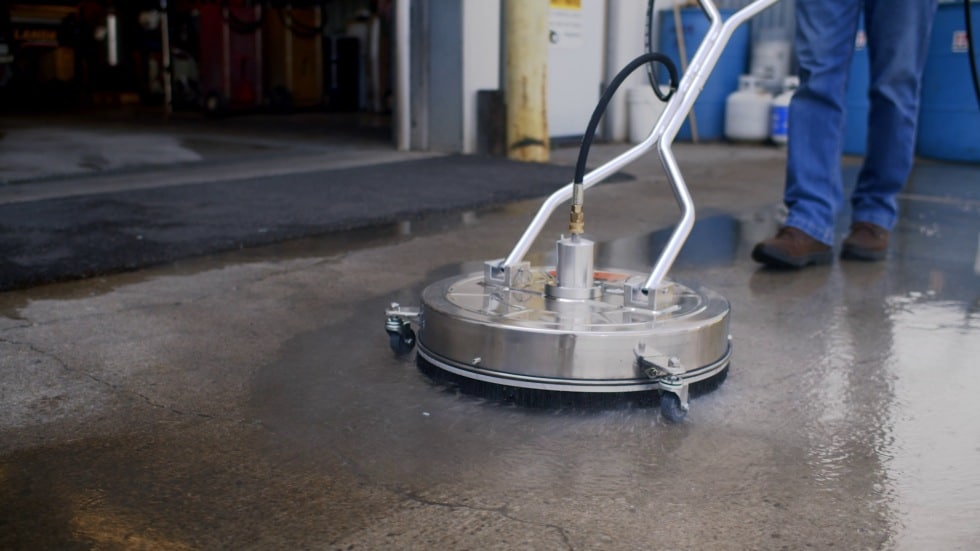
These round attachments clean large, flat areas quickly. They spread the pressure evenly, allowing even a medium-duty washer to clean driveways efficiently.
Extension Wands
For cleaning second-story siding or gutters, an extension wand adds reach. This means you may not need a larger, more powerful washer.
Turbo/rotary Nozzles
These nozzles spin a narrow jet, giving extra cleaning power to smaller washers for tough jobs like moss or old stains. But use with care—these can damage softer surfaces.
Non-obvious insight: Upgrading accessories is often cheaper and safer than upgrading to a much larger, heavier washer.
Credit: www.dultmeier.com
Environmental And Water Usage Considerations
Pressure washers are more water-efficient than garden hoses for most cleaning jobs. A typical garden hose uses 8 gallons per minute, while most washers use 1. 2–2. 5 GPM. That means you clean faster with less water.
However, using too much PSI or GPM can waste water and energy, and send contaminants into storm drains. Always use the lowest pressure and water flow that gets the job done.
Real-world Scenarios: Which Size To Choose?
Scenario 1: Washing A Family Car Every Weekend
- Best size: 1,300–1,700 PSI, 1.2–1.5 GPM (electric)
- Why: Safe for paint, easy to handle, low noise.
- Accessory tip: Use a foam cannon for soap application.
Scenario 2: Cleaning A Large Patio And Driveway Twice A Year
- Best size: 2,400–2,800 PSI, 1.8–2.4 GPM (gas or strong electric)
- Why: Removes moss, mold, and stains quickly.
- Accessory tip: Add a surface cleaner.
Scenario 3: Preparing A Home For Painting
- Best size: 3,000+ PSI, 2.5+ GPM (gas)
- Why: Strips old paint, cleans siding thoroughly.
- Accessory tip: Turbo nozzle for stubborn areas.
Scenario 4: Routine Home Maintenance (siding, Decks, Outdoor Furniture)
- Best size: 2,000–2,400 PSI, 1.4–1.7 GPM (electric or small gas)
- Why: Versatile for mixed tasks, not too aggressive.
- Accessory tip: Quick-connect nozzles for switching tasks.
Scenario 5: Farm Or Commercial Equipment Cleaning
- Best size: 3,200–4,000 PSI, 2.8–4.0 GPM (gas)
- Why: Cuts through grease, mud, and heavy grime.
- Accessory tip: Hot water washers are better for grease.
How Pressure Washer Size Affects Cleaning Time
A higher GPM means you’ll finish big jobs faster. For example, washing a 500-square-foot driveway:
- 1.4 GPM: About 1 hour
- 2.4 GPM: About 35 minutes
- 3.5 GPM: About 20 minutes
But higher flow also means more water use. For small jobs, the time difference is minor, but for large areas, a bigger washer saves a lot of effort.
Pressure Washer Size And Household Water Supply
Not all homes can supply enough water for high-GPM washers. Before buying, test your outdoor faucet:
- Put a 5-gallon bucket under the tap.
- Turn on full blast and time how long to fill.
- If it fills in 2 minutes, your supply is about 2.5 GPM.
If your water supply is lower than the washer’s GPM, the pump can be damaged. Always check this before buying.
Pressure Washer Size For Business Use
For commercial cleaning, size matters even more. Jobs like fleet washing, building exteriors, or large parking lots need machines with higher PSI, GPM, and duty cycles. Professional washers are built for daily use, with longer hoses, hot water options, and quick-change accessories.
Tip: For business, always buy a washer rated for commercial use. Residential models wear out quickly under heavy use.
Maintenance And Longevity By Size
Larger, gas-powered washers need more maintenance: oil changes, spark plug checks, and pump care. Smaller electric models are nearly maintenance-free but may wear out faster if pushed beyond their intended use.
Tip: Regularly clean filters and store hoses properly to extend any washer’s life.
Pressure Washer Size And Detergent Use
A strong detergent can sometimes make up for lower PSI, especially for mold or grease. But using too much soap wastes money and can harm plants and pets. Always follow instructions and rinse thoroughly.
Where To Find Reliable Pressure Washer Size Information
Don’t trust only sales brochures. Look for manufacturer’s manuals, user reviews, and official websites for accurate specs. For a deep dive into cleaning technology, check sources like Wikipedia.

Credit: m.youtube.com
Frequently Asked Questions
What Is The Best Pressure Washer Size For Home Use?
Most homeowners do well with a washer in the 2,000–2,800 PSI range and 1.4–2.4 GPM. This handles cars, decks, driveways, and siding without being too aggressive or hard to manage.
Can A Pressure Washer Be Too Powerful?
Yes. Too much PSI can strip paint, damage wood, and break windows. Always use the lowest pressure that cleans the surface. Start with a wide nozzle and test on a small area.
How Important Is Gpm Compared To Psi?
Both matter. PSI gives cleaning force, while GPM helps rinse and cover large areas quickly. For big surfaces like driveways, higher GPM often matters more than extra PSI.
Should I Get A Gas Or Electric Pressure Washer?
Choose electric for small, routine jobs and easy use. Go gas for heavy-duty work, large areas, or places with no power outlets. Electric is quieter and cleaner; gas offers more power and mobility.
What Size Pressure Washer Do Professionals Use?
Professionals typically use washers with 3,000–4,000 PSI and 2.5–4.0+ GPM. These are built for speed, reliability, and tough jobs like commercial buildings or equipment cleaning.
Making the right choice in pressure washer size is about matching power and features to your real needs. Think about what you’ll clean most often, your water supply, storage space, and safety. With the tips and comparisons above, you’re ready to pick a washer that gets the job done—without wasting money or risking damage.