
Keeping a vegetable garden healthy and free from bugs is a challenge for gardeners everywhere. Whether you grow a few tomatoes on your balcony or manage rows of crops in your backyard, pests are a constant worry. Bugs like aphids, caterpillars, beetles, and mites can damage your plants, reduce your harvest, and make gardening less enjoyable.
Many people ask, “What should I spray on my vegetable garden for bugs? ” The answer isn’t simple—there are many options, from organic solutions to chemical sprays, and each has benefits and drawbacks. This guide will help you understand the best sprays to use, how to apply them safely, and how to keep your garden productive without harming the environment or your health.
Understanding Common Vegetable Garden Pests
Before you choose a spray, it’s important to know which bugs are causing trouble. Not all insects are bad; some are even helpful. However, a few common pests target vegetable gardens:
- Aphids: Small, soft-bodied bugs that suck sap from leaves and stems. They cause leaves to curl and stunt growth.
- Cabbage worms: Green caterpillars that chew holes in leafy greens.
- Spider mites: Tiny, red or yellow bugs that leave fine webs and speckled leaves.
- Whiteflies: Small, white flying insects that suck plant juices and spread diseases.
- Squash bugs: Brownish bugs that attack squash, pumpkins, and related plants.
- Flea beetles: Small, jumping beetles that create small holes in leaves.
- Tomato hornworms: Large green caterpillars that can strip tomato plants of leaves quickly.
Recognizing which pest you have is key. Some sprays work for many bugs, while others are specific. If you spray for the wrong bug, you may not solve the problem.
Types Of Sprays For Vegetable Gardens
There are several spray options for controlling bugs in vegetable gardens. These fall into three main categories: organic sprays, homemade solutions, and chemical pesticides. Each has different ingredients, risks, and effectiveness.
Organic Sprays
Many gardeners prefer organic sprays because they are safer for people, pets, and pollinators like bees.
1. Neem Oil
Neem oil is a natural product made from the seeds of the neem tree. It works by disrupting the life cycle of insects, making it harder for them to eat, grow, and reproduce. Neem oil is effective against aphids, whiteflies, spider mites, and more.
To use neem oil, mix according to package directions (usually 1–2 tablespoons per gallon of water with a little dish soap to help it stick) and spray on all plant surfaces. Apply early morning or late afternoon to avoid burning leaves.
2. Insecticidal Soap
Insecticidal soap is made from potassium salts of fatty acids. It’s safe for most plants and people but deadly for soft-bodied insects like aphids and spider mites. The soap breaks down the bug’s outer layer, causing dehydration.
Spray insecticidal soap directly on affected areas. It must touch the bugs to work. Repeat every 5–7 days until the problem is gone. Avoid spraying in direct sunlight.
3. Pyrethrin-based Sprays
Pyrethrin is a natural insecticide made from chrysanthemum flowers. It paralyzes and kills many types of garden pests, including beetles, caterpillars, and flies.
Pyrethrin sprays act fast, but break down quickly in sunlight, so they are less harmful to the environment. Follow label instructions carefully, as too much can harm beneficial insects.
4. Spinosad
Spinosad is made from soil bacteria. It works by attacking the nervous system of bugs like thrips, leafminers, and caterpillars. Spinosad is safe for most beneficial insects when used correctly.
Apply spinosad to all leaf surfaces, especially the undersides where bugs hide. Don’t spray when bees are active.
5. Horticultural Oil
Horticultural oil is a refined mineral oil that smothers insects and their eggs. It’s especially good against mites, aphids, and whiteflies.
Mix according to directions and spray thoroughly. Do not use on stressed or drought-affected plants.
Homemade Sprays
If you want to avoid store-bought products, you can make your own bug sprays at home using common ingredients.
1. Garlic And Pepper Spray
Garlic and pepper both have strong smells that repel bugs. To make this spray, blend 2–3 garlic cloves, 1 hot pepper, and 2 cups of water. Strain the liquid and add a few drops of dish soap. Spray on your plants every few days.
2. Soap And Water Spray
A simple soap and water mix can kill soft-bodied insects. Mix 1–2 teaspoons of mild liquid soap (not detergent) in 1 liter of water. Spray directly on bugs, repeating as needed.
3. Baking Soda Spray
Baking soda helps control fungal diseases but can also make plant leaves less attractive to some bugs. Mix 1 tablespoon baking soda, 1 tablespoon vegetable oil, and 1 teaspoon mild soap in 1 gallon of water.
4. Tomato Leaf Spray
Tomato leaves contain alkaloids that are toxic to many insects. Soak 2 cups of chopped tomato leaves in 2 cups of water overnight. Strain, add 2 more cups of water, and spray on affected plants.
5. Oil And Soap Emulsion
Mix 1 cup of vegetable oil with 1 tablespoon of mild soap. For use, add 2 teaspoons of this mix per 1 cup of water. Shake well and spray, especially for mites and aphids.
Chemical Pesticides
Some situations call for stronger measures. Chemical pesticides can be effective but should be used carefully.
1. Synthetic Pyrethroids
These are man-made versions of pyrethrin. They last longer but can kill beneficial insects. Only use when other methods fail and always follow label instructions.
2. Carbamates And Organophosphates
These are strong insecticides that target a wide range of bugs. They are not recommended for home gardens unless under expert advice, as they can be toxic to people and pets.
3. Systemic Insecticides
These chemicals are absorbed by plants, making the entire plant toxic to bugs. They are effective but can remain in vegetables for some time. Avoid using on edible crops unless the label specifically says it’s safe.
Comparison Of Spray Types
To help you decide, here’s a quick look at the advantages and disadvantages of each spray type:
| Spray Type | Pros | Cons | Best For |
|---|---|---|---|
| Neem Oil | Natural, effective, safe for most insects | Can burn leaves in sun, strong smell | Aphids, mites, whiteflies |
| Insecticidal Soap | Safe, easy to use, works quickly | Must touch bugs, repeated use needed | Aphids, spider mites |
| Pyrethrin | Fast acting, natural | Short-lived, can harm bees | Beetles, flies, caterpillars |
| Homemade Sprays | Cheap, safe, easy to make | Less powerful, needs frequent use | Light infestations, prevention |
| Chemical Pesticides | Very effective, broad spectrum | Toxic, can harm beneficials, residue risk | Severe infestations |
How To Choose The Right Spray For Your Garden
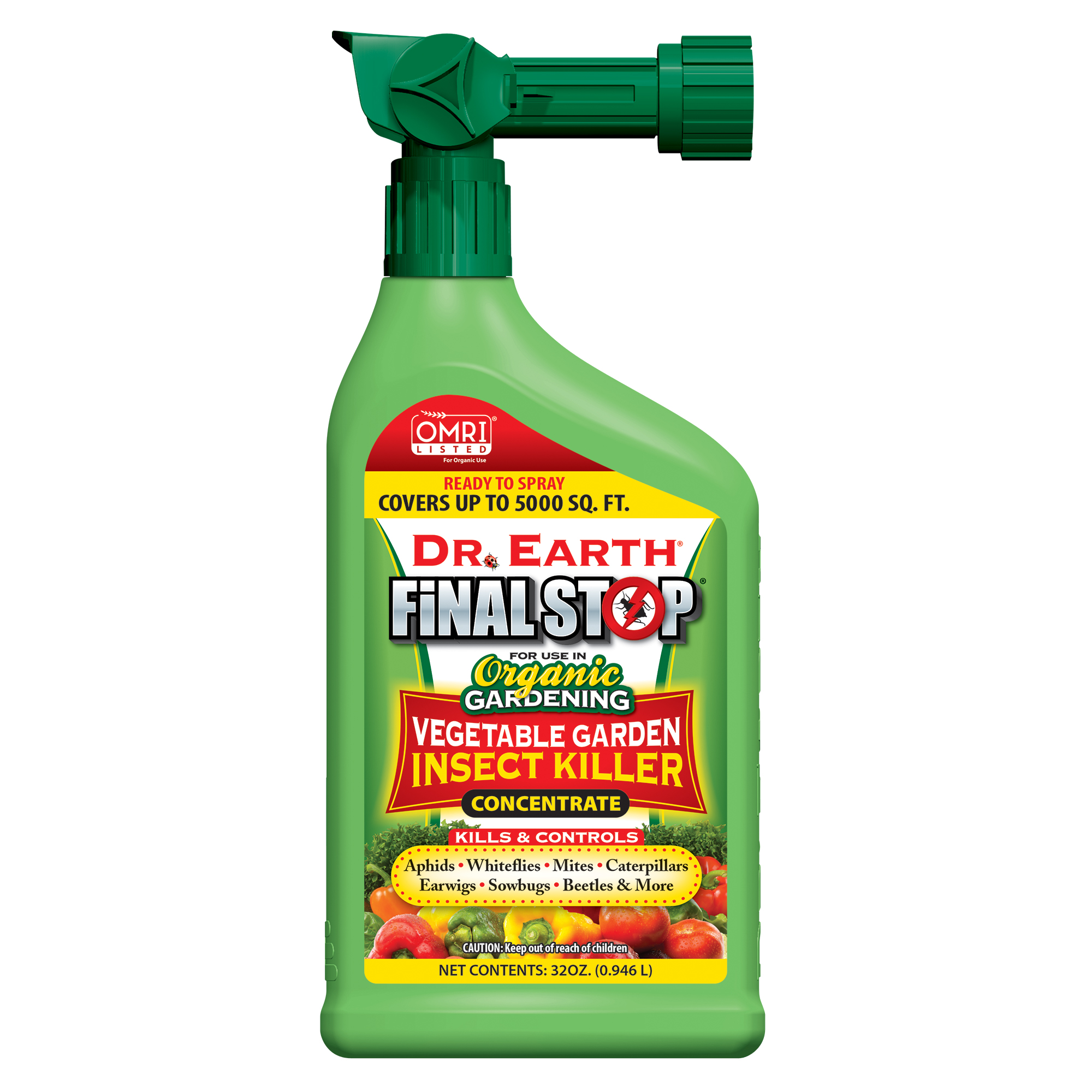
Selecting the best spray depends on several things:
- Type of pest: Identify which bug is the problem. Some sprays work on specific pests only.
- Stage of infestation: For small problems, homemade or organic sprays may be enough. For large infestations, you might need something stronger.
- Type of vegetable: Some sprays are safe for all vegetables; others are not.
- Personal preference: If you want to avoid chemicals, focus on organic and homemade options.
- Weather conditions: Some sprays can burn plants in hot sun. Rain can wash sprays away.
When in doubt, start with the least toxic spray and move up only if the problem continues.
Common Mistakes When Spraying For Bugs
Even experienced gardeners make mistakes when using sprays. Here are some to avoid:
- Spraying at the wrong time of day (midday sun can burn plants)
- Not reading the label or mixing instructions
- Spraying too often, which can harm plants or build pest resistance
- Ignoring beneficial insects (ladybugs, bees, lacewings)
- Using chemical pesticides on edible crops without checking the waiting period before harvest
Step-by-step Guide: How To Spray Your Vegetable Garden Safely
Spraying your garden isn’t just about picking the right product. How you spray matters, too.
1. Identify The Bug
Look closely at your plants and try to see what kind of bug you have. Use a magnifying glass if needed. If you are not sure, take a photo and compare it with online resources or gardening books.
2. Choose The Right Spray
Based on your pest, pick the most suitable spray. Always check if the spray is safe for the vegetable you want to treat.
3. Mix The Solution
Follow the product label or recipe carefully. Don’t guess quantities. Too much can harm your plants, too little may not work.
4. Test First
Spray a small area on one plant and wait 24 hours to see if there is any damage. If not, spray the rest of your garden.
5. Apply Evenly
Spray all sides of leaves, especially the underside. Most bugs hide there. Cover the plant well but avoid dripping.
6. Time Your Application
Spray early in the morning or late in the afternoon. This helps prevent leaf burn and protects pollinators.
7. Repeat As Needed
Some sprays wash off in rain or break down quickly in sunlight. You may need to spray every week or after heavy rain.
8. Watch For Results
Check your plants every few days. If the bugs are still there, repeat spraying or try a different product.
9. Practice Safety
Wear gloves and a mask if using chemical sprays. Keep children and pets away until plants are dry.
Comparing Popular Brands And Products
With so many garden sprays on the market, it can be hard to choose. Here is a comparison of some popular organic and chemical sprays used by home gardeners:
| Brand/Product | Type | Active Ingredient | Pests Controlled | Safe for Edibles |
|---|---|---|---|---|
| Safer Brand Insect Killing Soap | Organic | Potassium Fatty Acids | Aphids, mites, whiteflies | Yes |
| Bonide Neem Oil | Organic | Neem Oil | Aphids, beetles, mites | Yes |
| Monterey Garden Insect Spray | Organic | Spinosad | Caterpillars, thrips | Yes |
| Ortho Bug B Gon | Chemical | Synthetic Pyrethroid | Beetles, flies, caterpillars | Check label |
| Sevin Garden Dust | Chemical | Carbaryl | Broad spectrum | Check label |
Non-obvious Insights For Better Bug Control
Most gardeners know about neem oil and insecticidal soap, but there are lesser-known facts that can make your pest control more effective:
- Rotate Your Sprays: Bugs can become resistant if you use the same product every time. Rotate between different types (for example, neem oil one week, insecticidal soap the next) to keep pests off-balance.
- Target the Nymph Stage: Many bugs are easiest to kill when they are young (nymphs or larvae). Spray at the first sign of infestation for best results.
- Check for Hidden Eggs: Some bugs lay eggs on the underside of leaves or in the soil. Spraying only the top of leaves may miss the next generation of pests.
- Combine Sprays With Physical Barriers: Use row covers, sticky traps, or hand-picking in addition to sprays. This “integrated pest management” approach gives better results.
When To Avoid Spraying
Sometimes, spraying is not the answer. If you only see a few bugs, or if beneficial insects are present, it might be better to wait or use non-spray methods. Overusing sprays, even organic ones, can harm bees and butterflies and upset the balance of your garden.
Environmental And Health Considerations
While it’s tempting to spray at the first sign of trouble, always consider the impact on the environment and your health:
- Choose sprays labeled as safe for food crops.
- Avoid spraying near water sources, as runoff can harm fish and amphibians.
- Be careful with chemical sprays if you have pets or small children.
- Always wash vegetables well before eating, even if you use organic sprays.
For more in-depth information on the safety of different garden sprays and their effects, the U.S. Environmental Protection Agency offers helpful resources.
Natural Alternatives To Spraying
Not all pest problems need a spray solution. There are other ways to manage bugs:
- Hand-picking: For large bugs like hornworms, simply pick them off and remove them.
- Encourage Beneficial Insects: Ladybugs, lacewings, and predatory beetles eat pests. Plant flowers like marigolds or dill to attract them.
- Crop Rotation: Changing where you plant crops each year can disrupt pest life cycles.
- Companion Planting: Some plants (like basil or nasturtium) repel bugs naturally when planted next to vegetables.
Tips For Long-term Bug Prevention
Prevention is always better than treatment. These tips can help keep your vegetable garden bug-free year-round:
- Healthy Soil: Strong plants resist bugs better. Add compost and organic matter to your soil.
- Regular Inspection: Walk your garden every few days. Early detection stops infestations before they spread.
- Remove Weeds and Debris: Bugs hide in weeds and old plant material.
- Use Mulch: Mulch helps keep soil moist and prevents weeds, but don’t pile it against plant stems where bugs can hide.
- Water Wisely: Water early in the day so leaves dry quickly. Wet leaves attract some pests.

Frequently Asked Questions
How Often Should I Spray My Vegetable Garden For Bugs?
Spray only when needed—usually at the first sign of infestation. For organic sprays like neem oil or insecticidal soap, repeat every 5–7 days as needed. Always check the label for specific instructions. Avoid spraying on a set schedule to prevent harming beneficial insects.
Is It Safe To Eat Vegetables After Spraying Them?
If you use sprays labeled as safe for edible crops and follow the waiting period on the label, your vegetables should be safe. Always wash produce well before eating. For chemical sprays, follow the “pre-harvest interval” listed on the product.
Will Spraying Harm Bees And Other Helpful Insects?
Some sprays, especially chemical and broad-spectrum types, can harm bees and other pollinators. To protect them, spray early morning or late evening, and avoid spraying flowering plants. Choose targeted, organic sprays whenever possible.
Can I Mix Different Sprays Together For Better Results?
Mixing sprays is usually not recommended, as some combinations can harm plants or reduce effectiveness. Always use one spray at a time and rotate products instead of mixing.
What Should I Do If Sprays Don’t Work?
If sprays are not solving the problem, try combining methods: hand-picking, using barriers, or introducing beneficial insects. Sometimes, changing the environment (removing weeds, improving soil) is more effective than spraying alone.
Keeping bugs away from your vegetable garden takes patience and smart choices. By understanding the types of sprays available, how and when to use them, and the best ways to prevent pests in the first place, you can enjoy a healthy, productive garden all season long.
Remember, the goal isn’t to kill every bug, but to keep pests under control so your vegetables can thrive.