
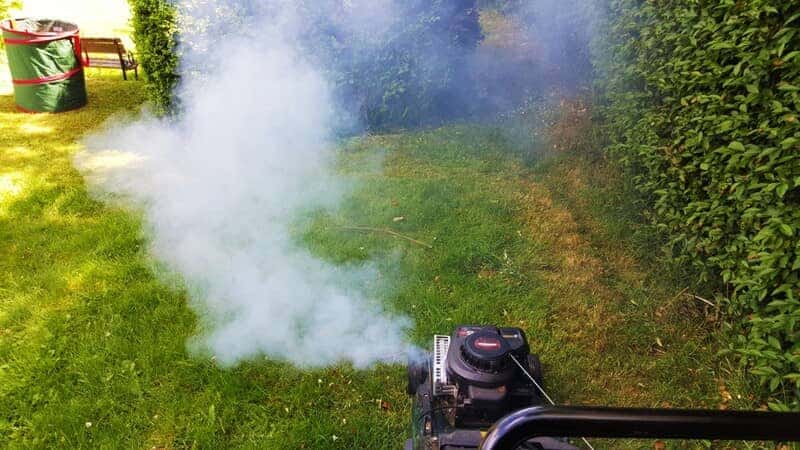
Few things are more worrying for a homeowner than seeing smoke coming from a lawn mower. Whether you use your mower every week or only a few times each season, smoke is a clear sign that something is not right. The problem can be simple or serious, but ignoring it can cause bigger issues or even damage your mower beyond repair. Many people feel lost when smoke appears, not knowing if the mower is safe to use, if repairs are needed, or if the problem is dangerous. This guide will help you understand exactly why your lawn mower might be smoking, what the different smoke colors mean, and what actions you should take. By the end, you will know how to fix the issue—or when to call a professional—so you can get back to a healthy, green lawn.
Understanding Lawn Mower Smoke: What Does It Mean?
When smoke appears, your first job is to notice the color and the situation. Smoke color gives important clues about the source of the problem. Most lawn mower smoke is either white/blue, black, or gray.
White Or Blue Smoke
This usually means oil is burning where it should not. Most often, this happens because:
- Oil is spilled onto the engine or muffler.
- The mower is tilted or turned on its side.
- Too much oil has been added.
- Engine seals or piston rings are worn, letting oil slip into the combustion chamber.
Black Smoke
Black smoke means the engine is burning too much fuel or not enough air is getting in. Common causes include:
- Dirty or clogged air filter.
- Carburetor running too rich.
- Blocked fuel system.
Gray Smoke
Gray smoke is less common but can be a mix of oil and fuel burning together. It often means a more complex problem inside the engine, like worn parts or bad seals.
The Most Common Causes Of Lawn Mower Smoking
To help you solve the issue, let’s look at the main reasons your mower might smoke, what each means, and how to fix them.
1. Oil Spilled On The Engine Or Muffler
Spilling oil during filling or maintenance is a top reason for white or blue smoke. When oil touches hot parts, it quickly burns and makes thick smoke. This is common right after an oil change or if you recently added oil.
What to do:
Turn off the mower and let it cool. Wipe away any visible oil with a rag. Restart after a few minutes. If smoke stops, the problem was just spilled oil.
Tip:
Always use a funnel and pour oil slowly to avoid spills. Keep oil away from the muffler.
2. Overfilling The Oil
Too much oil can cause high pressure inside the engine. This pushes oil into places it should not be, like the combustion chamber. You may see white or blue smoke and sometimes oil leaking.
How to check:
Look at your dipstick. The oil should be between the low and high marks. If it is above, you have too much oil.
Solution:
Drain the extra oil. Most mowers have a plug under the engine, or you can use a small pump. Run the mower for a few minutes to burn off any leftover oil in the wrong spots.
Non-obvious insight:
Too much oil can also cause the engine to run poorly, even if you do not see smoke. Always check the level after adding oil.
3. Tipping The Mower Incorrectly
Many people tilt their mowers to clean under the deck or move them. If you tilt the mower the wrong way, oil can leak into the air filter or carburetor. This causes smoke and poor performance.
Correct tilting:
Always tilt the mower so the spark plug points up. This stops oil from leaking into sensitive parts.
Mistake to avoid:
Never tip the mower with the air filter or carburetor facing down.
4. Clogged Or Dirty Air Filter
A dirty air filter blocks air from reaching the engine. The engine then burns more fuel than needed, creating black smoke. This is one of the easiest problems to fix.
How to check:
Remove the air filter. If it is dark, dirty, or clogged with grass, replace or clean it.
Cleaning tip:
Foam filters can be washed with soap and water, then dried. Paper filters should be replaced.
5. Old Or Bad Oil
Oil breaks down over time, especially if the mower is used rarely or stored in hot places. Old oil can thicken, making it harder for the engine to run. It may also burn, causing smoke.
Prevention:
Change oil at least once a season or after every 25 hours of use. Always use the type recommended by your mower’s manual.
6. Worn Piston Rings Or Cylinder Seals
Inside the engine, piston rings keep oil out of the combustion chamber. If they wear out, oil leaks in and burns, creating blue or white smoke.
Signs:
Smoke continues even after cleaning and changing oil. The engine may lose power or be hard to start.
What to do:
This is a serious problem. You may need a mechanic to replace the rings or rebuild the engine.
7. Carburetor Problems
The carburetor mixes air and fuel. If it is not adjusted correctly, too much fuel enters, causing black smoke. Dirt or old fuel can also clog the carburetor.
Fix:
Clean the carburetor and adjust the settings. Sometimes, a simple cleaning solves the problem.
8. Fuel Issues
Bad, old, or wrong fuel can make the engine run badly. It might not burn correctly, causing smoke, rough running, or hard starting.
How to avoid:
Use fresh fuel. Do not use gas that is more than 30 days old. Add a fuel stabilizer if you store gas for longer periods.
9. Blocked Or Broken Muffler
The muffler controls noise and directs exhaust away from the engine. If it is blocked by grass, dirt, or rust, smoke may come from the exhaust or leak out other places.
Check:
Look for blockages or holes. Clean or replace the muffler if needed.
Pro tip:
A blocked muffler can also cause the engine to overheat.
10. Head Gasket Failure
The head gasket seals the engine block. If it fails, oil and fuel can mix, causing white or blue smoke and loss of power.
Symptoms:
Smoke, loss of power, oil in odd places, or a hissing noise.
Solution:
This is a major repair. Most people need a professional to replace the gasket.
11. Wrong Oil Type
Using the wrong oil can cause it to burn faster or not protect the engine well. This may cause smoke or engine damage.
Advice:
Use oil recommended by your mower’s manual. Most small engines use SAE 30 for warm weather, but check your model.
12. Water In The Fuel Or Oil
Water can get into the fuel tank or oil through condensation, rain, or careless filling. Water does not burn, so it causes smoke, sputtering, and engine problems.
How to spot:
Look for milky oil or sputtering when running.
Action:
Drain and replace the fuel or oil. Clean the tank if needed.
13. Excessive Grass Build-up
Grass, leaves, or debris stuck under the deck or in the engine area can burn against hot parts and create smoke.
Prevention:
Clean under the deck after every use. Remove clumps of grass.
14. Overloading The Engine
Cutting very tall or wet grass puts extra strain on the engine. It may overheat, causing smoke or even engine failure.
Tip:
Mow regularly and avoid cutting more than one-third of the grass height at a time.
15. Mechanical Damage
Broken parts inside the engine, like a bent valve or damaged piston, can cause unusual smoke. This often comes with strange noises or shaking.
Action:
Stop using the mower and have it checked by a professional.
Color Of Smoke: What Each Means
The color of the smoke is a big clue to the root cause. Here’s a quick guide:
| Smoke Color | Likely Cause | What to Check |
|---|---|---|
| White/Blue | Burning Oil | Oil level, oil spills, piston rings, tipping, head gasket |
| Black | Too Much Fuel | Air filter, carburetor, fuel system |
| Gray | Oil and Fuel Mix | Engine seals, old oil, serious damage |
How To Diagnose Lawn Mower Smoke
If your mower starts smoking, follow these steps to find the problem:
- Turn off the mower immediately. Safety first.
- Let the mower cool down before inspecting.
- Check the smoke color. Is it white, blue, black, or gray?
- Look for oil leaks or spills around the engine, muffler, and deck.
- Remove and inspect the air filter. If dirty, clean or replace.
- Check the oil level using the dipstick.
- Smell for fuel. Does the oil or exhaust smell like gas?
- Look for physical damage or broken parts.
- Listen for odd noises when restarting (if safe to do so).
- Check the fuel. Is it fresh and clean?
Pro tip:
Take notes during your checks. This makes it easier to explain the problem if you need help from a repair shop.
Quick Fixes Vs. When To Call A Professional
Some smoke issues are easy to solve at home, but others need expert help.
Diy Fixes
You can often fix these problems yourself:
- Cleaning or replacing the air filter
- Draining excess oil
- Cleaning up oil spills
- Using fresh fuel
- Cleaning the muffler or under the deck
When To Call A Professional
Call a repair shop if you notice:
- Smoke does not stop after simple fixes
- Loud knocking, rattling, or metal noises
- Loss of power or engine won’t start
- Signs of internal damage (oil in air filter, milky oil, leaking head gasket)
Insight beginners miss:
Fixing a head gasket or piston rings yourself is risky without experience. Trying to save money can lead to bigger, more expensive problems.
Preventing Lawn Mower Smoke
Prevention is much easier than repair. Regular care will keep your mower running well and reduce the chance of smoke.
Regular Maintenance Steps
| Task | How Often | Why It Matters |
|---|---|---|
| Check/change oil | Every 25 hours or once per season | Prevents old oil burning and engine wear |
| Clean air filter | Every 10 hours or as needed | Ensures proper air flow, stops black smoke |
| Check spark plug | Once per season | Improves starting and burning of fuel |
| Clean under deck | After every use | Prevents grass build-up and fire risk |
| Use fresh fuel | Every fill | Stops poor burning and smoke |
Storage Tips
- Store the mower in a dry, covered area.
- Drain old fuel before winter.
- Change oil before storing for long periods.
- Cover the engine to keep out dust and water.
Advanced tip:
Use a fuel stabilizer if you store gas for more than a month. This keeps fuel fresh and prevents engine problems.
Electric Lawn Mower Smoking: What’s Different?
With more people using electric mowers, it’s important to know these can smoke too. The causes are different from gas mowers.
Common Causes In Electric Mowers
- Burnt wiring or motor: Overloaded or blocked blades can overheat the motor.
- Battery issues: Damaged batteries can overheat and smoke.
- Clogged vents: Dust or grass in the vents can cause overheating.
Warning:
If you see smoke from an electric mower, turn it off and unplug it right away. Let it cool, then check for burnt parts or call a technician.
Pro insight:
Electric mowers should never be exposed to water. Wet grass or rain can cause short circuits and smoke.
How To Safely Handle A Smoking Lawn Mower
- Turn off the mower as soon as you see smoke.
- Move the mower away from dry grass or flammable materials.
- Do not open the gas cap until the engine cools.
- Do not touch hot parts—wait until cool before inspecting.
- Keep a fire extinguisher nearby when working on engines.

What To Do After A Lawn Mower Fire
Lawn mower fires are rare but can happen, especially if oil or fuel leaks onto hot engine parts.
- Use a Class B fire extinguisher (for oil and fuel).
- Call emergency services if the fire is not small and contained.
- Do not use water on an oil or fuel fire.
- After the fire is out, do not try to restart the mower. Have it checked by a professional.
Comparing Lawn Mower Engine Types And Smoking Risks
Different engine types have different risks for smoking.
| Engine Type | Smoke Risk Level | Common Smoking Cause |
|---|---|---|
| 2-Stroke (Mixes oil and fuel) | High | Oil burning, wrong mix ratio |
| 4-Stroke (Separate oil and fuel) | Medium | Oil leaks, overfilling, worn parts |
| Electric | Low | Overheating, wiring issues |
Interesting fact:
Many beginners forget that 2-stroke engines must have the right oil/fuel mix. Too much oil causes lots of smoke and can foul the spark plug.
Environmental And Safety Concerns
Lawn mower smoke is not just a sign of trouble—it can also be bad for your health and the environment. Burning oil or fuel releases harmful chemicals into the air. Regular maintenance reduces pollution and keeps your yard safe for pets and kids.
If you see thick or colored smoke, avoid breathing it in. Always work outdoors or in a well-ventilated area.
When It’s Time To Replace Your Lawn Mower
Sometimes, fixing a smoking mower costs more than buying a new one. If your mower has:
- Repeated engine failures
- Major internal damage (like a broken piston or cracked block)
- Repair costs more than half the price of a new mower
…it might be time to invest in a new model.
Tip:
Modern electric mowers are quieter, need less maintenance, and do not produce smoke.

Frequently Asked Questions
Why Does My Lawn Mower Smoke After An Oil Change?
If you see smoke right after changing oil, it is likely oil spilled onto the engine or muffler. It can also happen if you overfilled the oil. Let the mower run for a few minutes. If the smoke stops, it was just burning off the spilled oil. If it continues, check the oil level and drain extra if needed.
Is It Safe To Use A Lawn Mower That Is Smoking?
No, it is not safe to use a mower while it is smoking. Turn it off and let it cool. Find the cause before using it again. Some causes are minor, but others can damage the engine or start a fire.
Can A Dirty Air Filter Cause My Lawn Mower To Smoke?
Yes, a clogged air filter is a common cause of black smoke. When the filter is blocked, the engine gets less air and burns too much fuel. Clean or replace the filter regularly to prevent this.
What Does Blue Smoke From A Lawn Mower Mean?
Blue smoke usually means the engine is burning oil. This can happen from overfilling, oil leaks, worn piston rings, or tilting the mower the wrong way. Check the oil level, look for leaks, and avoid tipping the mower on its side.
How Can I Prevent My Lawn Mower From Smoking In The Future?
Do regular maintenance: check and change oil, clean the air filter, use fresh fuel, and store the mower properly. Follow the manual’s tips and only use the oil type it recommends. Keep the deck and engine area clean after every use.
Smoke from a lawn mower is a warning sign you should never ignore. Most smoking problems are easy to fix if you act quickly and know what to look for. By checking the smoke color, following good maintenance habits, and knowing when to call a professional, you can keep your mower running safely for years. Remember, a well-cared-for mower means a healthier lawn and less stress for you. For more details and professional advice, you can always refer to resources like the Briggs & Stratton FAQ on engine smoke.