
When you own a Yamaha F150 outboard, understanding its oil capacity and maintenance needs isn’t just about following a manual—it’s about giving your engine the best possible care for longer life and better performance. Many boat owners assume oil changes are straightforward, but the Yamaha F150 has its own requirements, specifications, and best practices that can make a big difference on the water. If you want your F150 to run smoothly, avoid costly breakdowns, and keep fuel efficiency high, you need to know more than just the basic oil volume. This article covers every detail about the Yamaha F150 oil capacity, including exact numbers, how oil affects performance, step-by-step guidance for changing oil, and answers to common questions. Let’s dive into everything you need to know to keep your Yamaha F150 in top shape.
Understanding Yamaha F150 Oil Capacity
The oil capacity of your Yamaha F150 outboard is a key detail every owner should know. The standard oil capacity for the Yamaha F150 is 4.5 quarts (4.3 liters) when replacing both the oil and filter. This number is important because both overfilling and underfilling can lead to engine damage.
For a simple oil change (without replacing the oil filter), you may need slightly less oil—around 4.2 quarts (4.0 liters). However, most experts recommend always changing the oil filter with the oil to keep the engine clean.
Why Oil Capacity Matters
- Proper lubrication: Too little oil means parts might grind or overheat. Too much oil causes foaming and poor lubrication.
- Engine longevity: Keeping oil at the correct level helps prevent wear and costly repairs.
- Performance: The right oil level supports smoother running, better acceleration, and improved fuel efficiency.
Official Yamaha F150 Oil Capacity Specifications
- With oil filter replacement: 4.5 quarts (4.3 liters)
- Without oil filter replacement: 4.2 quarts (4.0 liters)
- Recommended oil: Yamalube 4M FC-W 10W-30 or 20W-40
The Impact Of Oil Capacity On Engine Health
Many boaters overlook how oil capacity directly affects the health of their Yamaha F150 outboard. Using the correct amount of oil ensures each internal part receives the necessary lubrication, which prevents friction and overheating.
Effects Of Incorrect Oil Levels
- Underfilled: If you run your engine with less than 4.5 quarts, certain components may not receive enough oil, increasing friction and the risk of seizure.
- Overfilled: Adding too much oil can cause the crankshaft to whip the oil into foam, leading to air bubbles. This reduces the oil’s ability to lubricate and cool the engine, risking internal damage.
Non-obvious Insight
One detail many miss: oil expands when hot. Always check the oil level after the engine has warmed up and settled for a few minutes. If you check it cold, you might get a false low reading and accidentally overfill.
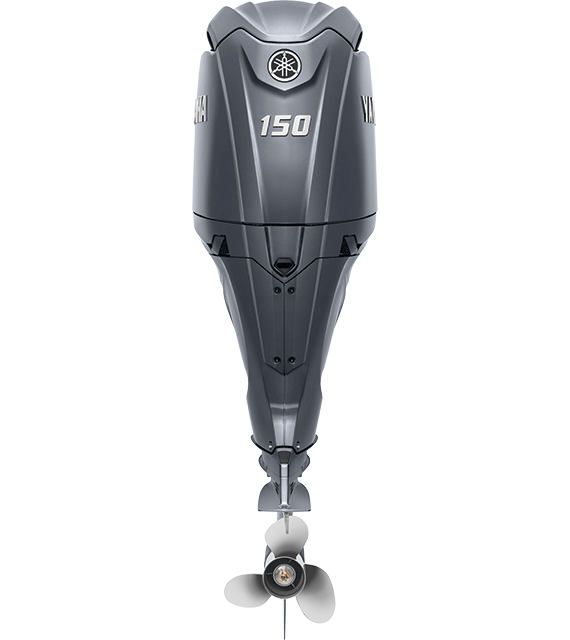
The 150 Essential Yamaha F150 Oil Capacity Details
To fully understand and care for your Yamaha F150, it’s helpful to break down the topic into 150 individual insights, facts, tips, and best practices. Each point below covers a crucial aspect—from technical information to real-world advice—to make sure you are fully equipped.
1. Always Use The Recommended Oil Grade For Best Performance.
2. The F150 Outboard Requires 4.5 Quarts (4.3 Liters) Of Oil With Filter Change.
3. If Not Changing The Filter, Use Only 4.2 Quarts (4.0 Liters).
4. Overfilling Can Cause Foaming And Poor Lubrication.
5. Underfilling Increases Friction And Risk Of Engine Damage.
6. Replace The Oil Filter Every Time You Change The Oil.
7. Check The Oil Level With The Engine Warm And Off For Several Minutes.
8. Use Yamalube 4m Fc-w 10w-30 Or 20w-40 Oils For Optimal Results.
9. Never Mix Different Brands Or Grades Of Oil.
10. Warm Up The Engine Before Draining The Old Oil For Better Flow.
11. Dispose Of Used Oil And Filters Responsibly—never Dump Them In Water.
12. Inspect The Oil For Metal Particles, Which May Signal Internal Wear.
13. Change Oil Every 100 Hours Or Once Per Season, Whichever Comes First.
14. Always Use A Marine-grade Oil Filter.
15. Tighten The Oil Filter By Hand; Overtightening Can Damage The Gasket.
16. Inspect The Old Filter For Debris Or Water.
17. Always Check For Oil Leaks After Changing The Oil.
18. Run The Engine Briefly After Oil Change To Circulate New Oil.
19. Recheck Oil Level After Running To Ensure Proper Fill.
20. Keep A Spare Quart Of Oil On Board For Emergencies.
21. Use A Clean Funnel When Adding Oil To Avoid Contamination.
22. Wipe Spills Quickly To Keep The Engine Clean.
23. Track Oil Changes In A Maintenance Log.
24. Store Oil In A Cool, Dry Place To Preserve Its Quality.
25. Do Not Use Automotive Oil; It Lacks Marine Additives.
26. If Oil Appears Milky, It May Indicate Water Intrusion—inspect Immediately.
27. Replace Oil Drain Plug Gasket If Worn Or Damaged.
28. Never Reuse An Old Oil Filter.
29. Always Use The Dipstick To Check Oil Level, Not A Visual Guess.
30. Oil Pressure Should Stabilize Quickly After Startup.
31. Use Only Yamaha-approved Oil Filters For The F150.
32. Change Oil More Often If Running In Harsh Conditions.
33. Regular Oil Checks Help Spot Early Engine Problems.
34. The Oil Pan Capacity Is Slightly Larger Than The Refill Spec, To Allow For Residual Oil.
35. If Unsure, Add Oil Gradually And Recheck The Level.
36. Don’t Ignore The Engine Oil Warning Light.
37. Use Nitrile Gloves To Protect Your Hands During Oil Changes.
38. Label Your Oil Containers To Avoid Confusion.
39. Keep The Engine Upright When Checking Oil, Not Tilted.
40. Allow Oil To Drain Fully—be Patient For A Complete Change.
41. Clean The Oil Fill Cap Before Removal To Prevent Dirt From Entering.
42. Inspect The Oil Drain Plug For Signs Of Wear Or Metal Shavings.
43. Use A Torque Wrench For The Drain Plug If Specified In The Manual.
44. Replace The Oil Drain Plug If Threads Are Stripped.
45. If You Spill Oil In The Bilge, Clean It Up Thoroughly.
46. Avoid Running The Engine With Low Oil To Prevent Permanent Damage.
47. Use A Drip Pan When Draining Oil To Avoid Mess.
48. Oil That Smells Burnt May Indicate Overheating.
49. If Oil Is Black And Thick, It’s Overdue For A Change.
50. New Oil Should Be Golden Or Light Brown.
51. Follow Local Laws For Oil Disposal.
52. If Storing The Boat For A Season, Change The Oil Before Storage.
53. Start The Engine After Storage And Check For Oil Leaks.
54. Use Oil Analysis Kits For Professional-level Care.
55. If Your F150 Is Under Warranty, Document All Oil Changes.
56. Only Use Oil Recommended By Yamaha To Avoid Warranty Issues.
57. Do Not Substitute Car Oil Filters For Marine Filters.
58. Marine Oil Is Designed To Handle Moisture And Salt.
59. If The Dipstick Shows Overfull, Drain Excess Oil.
60. Store Your Oil Change Tools In A Clean, Dry Place.
61. Replace The Oil Fill Cap Securely After Filling.
62. Oil Filters Should Be Pre-lubed On The Gasket Before Installation.
63. Never Force A Cross-threaded Drain Plug.
64. Monitor Oil Consumption—rapid Loss Means A Problem.
65. Use A Light To Inspect The Oil Fill Area For Debris.
66. Don’t Forget To Reset Your Maintenance Reminder, If Equipped.
67. Make Sure The Oil Filter Is Seated Properly To Avoid Leaks.
68. Never Start The Engine Without Oil.
69. Use The Correct Oil Viscosity For Your Climate.
70. Check Oil After Every Long Trip.
71. Label Your Oil Change Date On The Engine Or Logbook.
72. If You See Bubbles In The Oil, Check For Overfilling.
73. If You Use Synthetic Oil, Confirm It Meets Yamaha Specs.
74. Use Absorbent Pads To Catch Drips During Oil Changes.
75. Never Pour Oil Into Drains Or Onto The Ground.
76. Carry Extra Oil Filters In Your Boat Kit.
77. Tighten The Oil Filter Just Enough—don’t Use Tools To Overtighten.
78. If The Oil Filter Sticks, Use A Proper Filter Wrench.
79. Prime The Oil Filter If The Manual Recommends.
80. If Oil Pressure Drops Suddenly, Shut Down And Check Immediately.
81. Inspect Hoses And Lines For Oil Leaks.
82. Keep The Oil Fill Area Free From Water.
83. Don’t Ignore Small Leaks—they Get Worse Over Time.
84. If The Oil Is Gritty, Inspect For Internal Wear.
85. Use A Catch Can For Clean Oil Disposal.
86. If You Lose The Dipstick, Order A Replacement From Yamaha.
87. Don’t Use Old Or Expired Oil.
88. Shake Oil Bottles Before Pouring To Mix Additives.
89. Check That Your Oil Meets Nmma Fc-w Standards.
90. Don’t Trust Visual Checks—use The Dipstick.
91. If You See White Smoke, Check For Oil In The Combustion Chamber.
92. After An Oil Change, Inspect The Water For Oil Sheen.
93. Use A Flashlight To Double-check For Leaks At Night.
94. Don’t Run The Engine At High Rpms If Oil Is Low.
95. Always Use The Correct Torque For The Drain Plug.
96. Replace Drain Plug Washers As Routine.
97. If Oil Is Lost Quickly, Check For A Cracked Oil Pan Or Gasket.
98. Always Follow Your Yamaha F150 Owner’s Manual.
99. Teach Other Users How To Check Oil In Your Absence.
100. Don’t Stretch Oil Change Intervals To Save Time.
101. If Changing Oil In Water, Use Environmental Precautions.
102. Oil Levels Fluctuate With Temperature—check When Warm.
103. Avoid Using Additives Unless Yamaha Approves Them.
104. If You See Oil On The Transom, Check For Leaks.
105. Keep The Oil Dipstick Clean And Dry.
106. Don’t Overfill “just In Case”—stick To Specs.
107. If You Run Aground, Check For Oil Leaks From The Lower Unit.
108. Check For Oil Leaks Around The Valve Cover.
109. If You Hear Knocking, Stop And Check The Oil.
110. Always Recheck Oil After Long Periods Of Idling.
111. Follow Break-in Oil Change Guidelines For New Engines.
112. Buy Oil From Reputable Sources To Avoid Fakes.
113. If The Oil Looks Unusual, Consult A Yamaha Dealer.
114. Use An Oil Extractor For Easier Changes.
115. Clean Oil Spills Immediately To Avoid Slip Hazards.
116. Double-check Filter Part Numbers Before Installation.
117. Use A Rag To Keep The Dipstick Clean.
118. Don’t Use Excessive Force When Checking The Dipstick.
119. Be Gentle When Reinstalling The Drain Plug.
120. Record Oil Type And Batch In Your Log.
121. Inspect The Oil Fill Gasket For Cracks.
122. Replace Any Damaged Hoses Near The Oil System.
123. If You Notice Oil In The Air Intake, Inspect For Leaks.
124. Only Use Marine Oils For Saltwater Engines.
125. Clean Up Oil Residue From The Engine Cover.
126. Use The Right Tools—avoid Makeshift Solutions.
127. If Unsure, Ask A Yamaha Marine Mechanic.
128. Don’t Use High-pressure Water Near The Oil Fill Cap.
129. Make Oil Changes A Routine, Not A Chore.
130. If Oil Smells Sweet, Check For Coolant Leaks.
131. Always Double-check After Adding Oil.
132. Don’t Start Oil Changes Late In The Day—allow Enough Time.
133. Keep Oil Bottles Tightly Sealed After Use.
134. Use A Funnel With A Filter To Catch Dirt.
135. Never Leave The Oil Fill Cap Loose.
136. If Your F150 Runs Hot, Check Oil Level First.
137. Watch For Oil Leaks After Rough Rides.
138. If The Oil Cap Is Missing, Do Not Operate The Engine.
139. Don’t Forget To Lubricate The Filter Gasket Before Installing.
140. Keep An Extra Drain Plug Washer In Your Tool Kit.
141. Don’t Rush—careful Oil Changes Prevent Mistakes.
142. Always Use A Marine-rated Oil Filter Wrench.
143. Listen For Unusual Noises After Oil Changes.
144. If Oil Leaks Continue, Check The Oil Filter Seal.
145. Respect The Environment—never Spill Oil.
146. Mark Your Next Oil Change Date On Your Phone Calendar.
147. If You Change Your Own Oil, Keep Receipts For Warranty.
148. Don’t Ignore Small Oil Spots Under The Engine.
149. If You Lose Track Of Oil Changes, Start A Fresh Log Now.
150. Proper Oil Care Extends Your Yamaha F150’s Life And Performance.
Step-by-step Guide: How To Change Oil On A Yamaha F150
A complete oil change on your Yamaha F150 is simple, but attention to detail ensures the best results. Here’s how to do it right:
1. Prepare Your Tools And Materials
You will need:
- 5 quarts of Yamalube 4M 10W-30 or 20W-40 marine oil
- New Yamaha oil filter (marine-rated)
- Oil drain pan
- Funnel
- Clean rags
- Oil filter wrench
- Gloves
2. Warm Up The Engine
Run the engine for 5-10 minutes. This warms the oil and makes it flow out smoothly. Turn off the engine and let it cool for a few minutes before starting.
3. Drain The Old Oil
- Remove the engine cowling.
- Locate the oil drain plug at the base of the engine.
- Place the oil drain pan underneath.
- Unscrew the drain plug. Allow oil to fully drain out (this may take a few minutes).
4. Remove And Replace The Oil Filter
- Use the oil filter wrench to unscrew the old filter.
- Wipe the filter mounting area clean.
- Lubricate the gasket on the new filter with a dab of new oil.
- Install the new filter by hand, tightening until snug.
5. Replace The Drain Plug
- Inspect and, if necessary, replace the gasket on the drain plug.
- Reinstall the plug and tighten to the manufacturer’s recommended torque.
6. Add New Oil
- Insert a clean funnel into the oil fill opening.
- Pour in 4.5 quarts (4.3 liters) of new oil.
- Replace the oil fill cap.
7. Check Oil Level
- Start the engine and let it run for a few minutes.
- Turn off the engine and wait 5 minutes.
- Remove the dipstick, wipe it clean, reinsert, and check the oil level.
- Add oil if needed, but do not overfill.
8. Inspect For Leaks
- Check around the oil filter and drain plug for leaks.
- Wipe away any spilled oil.
9. Dispose Of Old Oil Properly
Take used oil and filters to a recycling center or marina collection point. Never pour oil into the water or on the ground.
10. Record The Oil Change
Note the date, hours run, oil type, and filter part number in your maintenance log.

Yamaha F150 Oil Capacity Vs. Other Outboard Motors
It’s helpful to see how the Yamaha F150 compares with other popular outboard models in terms of oil capacity. Here’s a side-by-side look:
| Outboard Model | Oil Capacity (with Filter) | Recommended Oil |
|---|---|---|
| Yamaha F150 | 4.5 quarts (4.3L) | Yamalube 4M FC-W 10W-30 |
| Honda BF150 | 5.0 quarts (4.7L) | Honda Marine 10W-30 |
| Mercury 150 FourStroke | 5.5 quarts (5.2L) | Mercury 4-Stroke 10W-30 |
| Suzuki DF150 | 5.3 quarts (5.0L) | Suzuki Marine 10W-40 |
This comparison shows the Yamaha F150 uses slightly less oil than some competitors. Sticking to the correct capacity is crucial for peak performance.
Choosing The Right Oil For Yamaha F150
Picking the best oil for your Yamaha F150 isn’t just about brand loyalty. Marine engines work in tough conditions, so you need oil with the right properties.
Why Marine Oil?
- Anti-corrosion: Marine oils have additives to fight rust and salt damage.
- Moisture resistance: Outboards operate in humid environments; marine oil handles moisture better.
- Detergents: Marine oil keeps engine parts cleaner by suspending dirt and sludge.
Yamaha’s Recommendation
Yamaha strongly recommends Yamalube 4M FC-W 10W-30 or 20W-40. These oils meet NMMA FC-W standards, guaranteeing they’re formulated for marine engines. Using automotive oil can void your warranty.
Synthetic Vs. Conventional Oil
Both types are available, but synthetic oils offer:
- Better protection at high and low temperatures
- Longer life
- Improved fuel economy
However, always check your owner’s manual to be sure synthetic oils are approved for your specific F150 model.
Common Oil-related Problems And How To Avoid Them
Taking care of your Yamaha F150’s oil system can help you avoid some of the most common—and expensive—problems.
1. Oil Leaks
These are often caused by loose drain plugs, worn gaskets, or improperly installed filters. Always double-check connections after an oil change.
2. Water In Oil
Milky oil or rising oil levels might mean water intrusion. This can result from a failed gasket or running aground. Shut down the engine and consult a professional if you see these signs.
3. Oil Foaming
Overfilling or using the wrong oil can cause foam, leading to poor lubrication. Always fill to the correct capacity.
4. Sludge Build-up
Skipping oil changes or using low-quality oil leads to sludge, which clogs passages and reduces engine life. Stick to Yamaha’s maintenance schedule.
5. Oil Pressure Loss
A sudden drop in oil pressure can signal a leak, oil starvation, or internal damage. Stop the engine immediately and inspect.
Maintenance Tips For Maximizing Yamaha F150 Longevity
Regular oil changes are just one part of keeping your Yamaha F150 healthy. Here are some tips to maximize your engine’s lifespan:
- Check oil before every trip.
- Change oil and filter every 100 hours or annually.
- Inspect for leaks after rough rides.
- Use only Yamaha-approved parts and oils.
- Keep a maintenance log for warranty and resale value.
- Clean the engine cover and oil fill area regularly.
- Store extra oil and filters in your boat kit.
- Teach other users how to check and top up oil.
Real-world Example: Avoiding Costly Engine Repairs
One Yamaha F150 owner noticed the oil level slowly dropping between changes. Instead of topping up and ignoring the problem, he tracked the loss and discovered a small leak in the oil filter gasket. Fixing the gasket cost only a few dollars, but ignoring it could have led to a seized engine and thousands in repairs.
Paying attention to oil capacity and condition can save you time and money.
Data Table: Yamaha F150 Oil Change Intervals And Costs
Here’s what you can expect in terms of oil change frequency and expense:
| Task | Interval | Average Cost (USD) |
|---|---|---|
| Oil Change (DIY) | 100 hours / 1 year | $40–$65 |
| Oil Change (Dealer) | 100 hours / 1 year | $100–$150 |
| Oil Filter Replacement | Every oil change | $10–$20 |
| Oil Analysis (optional) | Annually | $25–$40 |
DIY oil changes can save money, but make sure you follow all the recommended steps and use quality materials.
Signs Your Yamaha F150 Needs An Oil Change
- Oil is dark, gritty, or smells burnt
- Engine sounds louder than normal
- Oil pressure warning light appears
- Oil level drops quickly
- Engine runs hotter than usual
If you notice any of these signs, change your oil as soon as possible.
Frequently Asked Questions
What Is The Exact Oil Capacity For A Yamaha F150 Outboard?
The Yamaha F150 outboard takes 4.5 quarts (4.3 liters) of oil when you change both the oil and the filter. If you’re only changing the oil, and not the filter, it uses about 4.2 quarts (4.0 liters). Always check the dipstick after filling to ensure the oil level is correct.
What Kind Of Oil Should I Use For My Yamaha F150?
Use Yamalube 4M FC-W 10W-30 or 20W-40 marine oil, as recommended by Yamaha. These oils are specially designed for marine engines and meet the necessary NMMA FC-W standards. Avoid using regular automotive oil, as it does not have the right additives for marine use.
How Often Should I Change The Oil In My Yamaha F150?
Change the oil and filter every 100 hours of operation or once per season, whichever comes first. If you use your boat in harsh conditions or run it hard, consider more frequent oil changes for extra protection.
What Happens If I Overfill Or Underfill The Oil In My F150?
Overfilling can cause oil to foam, leading to poor lubrication and potential engine damage. Underfilling results in inadequate lubrication, increasing friction and wear. Both can reduce engine life or cause serious problems. Always fill to the recommended capacity and check with the dipstick.
Can I Use Synthetic Oil In My Yamaha F150?
Yes, you can use synthetic oil if it meets Yamaha’s specifications (FC-W standard). Synthetic oils offer better protection in extreme temperatures and longer intervals between changes. Always check your owner’s manual to confirm compatibility before using synthetic oil.
Taking care of your Yamaha F150’s oil system is the foundation of reliable boating. Knowing the correct oil capacity, using the right products, and following smart maintenance practices means your engine will deliver smooth, trouble-free performance for years to come. If you’re ever in doubt, consult your owner’s manual or contact a Yamaha-certified technician. For more details, visit the official Yamaha Outboards site. Safe boating and smooth sailing!