
If you own a small engine, there’s a good chance it’s powered by a Briggs and Stratton 190cc motor. These engines are popular for their reliability and are commonly found in lawn mowers, pressure washers, tillers, and other outdoor equipment. One of the most important aspects of keeping your 190cc Briggs & Stratton engine running smoothly is maintaining the right oil level. But how much oil does it actually take? And what should you know to get the best performance and longest life from your engine?
This guide covers everything you need to know about Briggs and Stratton 190cc oil capacity. We’ll explain the exact amount of oil required, how to check and change the oil, which types work best, and practical tips many users overlook. Whether you’re a first-time owner or a seasoned DIYer, you’ll find clear, step-by-step advice that makes engine care simple.
Understanding The Briggs And Stratton 190cc Engine
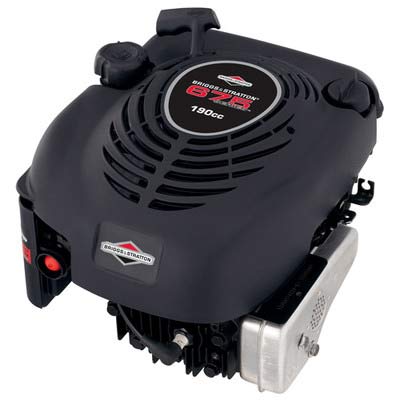
The 190cc Briggs & Stratton engine is a classic choice for many walk-behind mowers and small machines. It’s part of the company’s 600, 625, and 650 Series engines, as well as the newer EXi and E Series. “190cc” refers to the engine’s displacement, or the total volume inside the cylinder. This size offers a good balance between power and fuel efficiency for typical yard work.
These engines are designed for home users. They’re air-cooled, use a splash lubrication system, and are built for simplicity. This means there’s no oil filter and oil changes are straightforward. But using the correct oil and amount is vital, as too little or too much oil can cause engine damage.
Briggs And Stratton 190cc Oil Capacity: The Key Number
The oil capacity for most Briggs & Stratton 190cc engines is 20 ounces, which is about 0.6 liters. This is true for almost all 190cc models made in the past 15 years, including the common 625 and 650EX engines.
Here’s a quick reference:
| Engine Series | Displacement (cc) | Typical Oil Capacity (oz) | Typical Oil Capacity (L) |
|---|---|---|---|
| 600/625/650 Series | 190 | 20 | 0.6 |
| EXi Series | 190 | 18-20 | 0.53-0.6 |
| E Series | 190 | 20 | 0.6 |
Always check your engine’s manual to confirm, as a few rare models can differ. The capacity includes the oil held in the crankcase, but not what remains in the dipstick tube or clings to internal parts after draining.
Why Oil Capacity Matters
Using the correct oil amount is critical because:
- Too little oil: Parts won’t get enough lubrication, causing wear and overheating.
- Too much oil: Can lead to foaming, leaks, smoking, or fouled spark plugs.
Most problems with small engines come from not checking or maintaining proper oil levels.
How To Check Oil Level In A Briggs & Stratton 190cc Engine
Many beginners forget to check the oil regularly, but it’s a fast task that prevents big headaches.
- Place the mower on a level surface. Let the engine cool if recently used.
- Clean around the dipstick cap to prevent dirt from falling into the oil.
- Remove the dipstick (usually yellow or black), wipe it clean with a cloth.
- Reinsert the dipstick fully, then remove it again to check the level.
- The oil should be at or just below the “Full” mark. Add oil if it’s low, but never overfill.
Pro tip: Always check oil before each use, especially in hot weather or after long periods of mowing. Engines can burn or leak small amounts of oil over time.
Step-by-step: Changing Oil In A Briggs And Stratton 190cc Engine
Changing the oil removes dirt and keeps the engine running at its best. Even if you use clean fuel, dust and tiny metal bits collect in the oil over time.
Tools And Supplies You Need
- 20 oz (0.6 L) of SAE 30 or 10W-30 small engine oil
- A drain pan or old container
- Clean rags or paper towels
- Funnel (optional, but helpful)
- Wrench (for some models with drain plugs)
- Gloves
Oil Change Steps
- Run the engine for 2-3 minutes to warm the oil. Warm oil drains faster and carries out more particles.
- Turn off the engine and disconnect the spark plug wire to prevent accidental starting.
- Wipe around the oil fill area to keep debris out.
- Drain the oil:
- Some mowers have a drain plug under the deck—remove it with a wrench.
- If there’s no plug, carefully tilt the mower on its side (air filter up!) And let the oil drain out of the fill tube into your pan.
- Let oil drain completely. This can take a few minutes.
- Refill with new oil. Use the funnel and pour slowly, checking with the dipstick after adding about 18 oz. Add more if needed, but do not overfill.
- Reconnect the spark plug wire. Run the engine for a minute and recheck the oil level, topping off if needed.
How Often To Change Oil
- First use: Change after the first 5 hours (break-in period).
- After that: Change every 25-50 hours of use, or at the start of each mowing season.
If you mow in dusty conditions or extreme heat, change more often.
Choosing The Best Oil For Your Briggs And Stratton 190cc Engine
Not all oils are equal. The right oil keeps your engine safe, especially as temperatures change.
Recommended Oil Types
- SAE 30: Best for most summer conditions above 40°F (4°C).
- 10W-30: Good for variable temperatures, works down to 0°F (-18°C).
- Synthetic 5W-30: Works in all temperatures, offers the best protection and performance.
Briggs & Stratton approves all three, but synthetic oil offers longer life and better start-up protection.
Choosing Oil By Temperature
Here’s a handy guide:
| Oil Type | Temperature Range (°F) | Best For |
|---|---|---|
| SAE 30 | 40 and above | Summer, heavy mowing |
| 10W-30 | 0 to 100+ | Spring/fall, changing weather |
| Synthetic 5W-30 | -20 to 100+ | All climates, best performance |
Conventional Vs. Synthetic Oil
Conventional oil is cheaper and works well for light use. Synthetic oil costs more but lasts longer, resists breakdown in hot weather, and protects better during cold starts. Many owners switch to synthetic after the break-in period for peace of mind.
Common Oil-related Mistakes (and How To Avoid Them)
Many engine problems start with simple oil mistakes. Here are the most frequent, and how to prevent them:
- Overfilling oil. Too much oil causes smoking, leaks, and can damage seals. Always pour slowly and check the dipstick.
- Using the wrong oil type. Never use car oil with additives, or old, dirty oil. Stick to small engine oils.
- Not changing oil at the right time. Old oil loses its ability to protect. Keep track of hours used if possible.
- Forgetting to check oil. Engines can lose oil slowly due to burning or small leaks.
- Tipping mower the wrong way. When draining oil by tilting, always keep the air filter side up to prevent oil from soaking the filter.
Extra insight: If your engine runs rough after an oil change, double-check that the oil level is correct and no dirt entered the crankcase. Sometimes, residual old oil can make fresh oil look dirty after the first mow—this is normal.
Signs Your Engine Oil Needs Changing
Even if you’re not counting hours, your engine will give signals when it’s time for fresh oil.
- Oil looks dark or gritty on the dipstick.
- Engine sounds louder than usual.
- Harder starting or uneven running.
- Excessive smoke from exhaust (especially blue/white).
- Oil level drops quickly (possible burning or leak).
If you notice any of these, change the oil as soon as possible to avoid lasting damage.
How Weather And Usage Affect Oil Needs
Many people don’t realize how much the weather and their mowing habits affect oil life.
- Hot weather: Oil breaks down faster, especially if mowing thick or wet grass.
- Cold starts: Starting a cold engine puts more stress on oil. Synthetic oil helps here.
- Dusty conditions: Dust can mix with oil, creating sludge and reducing lubrication.
- Long idle times: If you run your mower for short periods, condensation can build up in the oil, making it look milky.
Practical tip: If you mow after rain or in heavy dew, wipe off grass and check the oil after mowing—moisture can sometimes sneak in.
How To Dispose Of Used Oil Properly
Never pour used oil down the drain or on the ground. Old oil contains contaminants that harm the environment.
- Collect oil in a sealed, clean container.
- Most auto parts stores or recycling centers will accept small amounts of used oil for free.
- Do not mix oil with gasoline, antifreeze, or other chemicals.
For more details, you can check the EPA’s guide to used oil recycling.
Troubleshooting: Oil Level And Engine Problems
If your Briggs & Stratton 190cc engine isn’t running right, oil level is one of the first things to check.
Engine Is Smoking
- White or blue smoke: Usually means too much oil, or oil is entering the combustion chamber.
- Fix: Drain to the correct level. If smoke continues, check for a saturated air filter.
Engine Is Hard To Start
- Possible causes: Old, dirty oil increases friction. Oil may be too thick (wrong viscosity) for current weather.
- Fix: Change to fresh oil of the correct type.
Oil Level Drops Rapidly
- Possible leak: Check for oil spots under the mower. Inspect seals and gaskets.
- Burning oil: Older engines may burn a little oil; check more often.
Oil Looks Milky
- Water contamination: Can happen if mower is stored outside, or after mowing wet grass.
- Fix: Change oil immediately and store mower in a dry place.
The Importance Of Routine Maintenance
Caring for your engine isn’t just about oil. Good habits extend the life of your equipment and save money.
- Check the air filter every few uses, and replace if dirty.
- Inspect spark plug once per season.
- Keep the mower deck clean to prevent grass buildup.
- Store equipment indoors when not in use.
A well-maintained Briggs & Stratton 190cc engine can last 10+ years with basic care.
Comparing Briggs And Stratton 190cc Oil Capacity To Other Small Engines
You might wonder how the 190cc stacks up to other common engine sizes.
| Engine Size (cc) | Typical Oil Capacity (oz) | Common Uses |
|---|---|---|
| 140 | 15-18 | Small mowers, tillers |
| 160 | 18-20 | Walk-behind mowers |
| 190 | 20 | Medium mowers, pressure washers |
| 225 | 22-24 | Large mowers, generators |
The 190cc is a “sweet spot”—big enough for most home lawns but not so large that it requires a lot of oil or maintenance.
What To Do If You Lost Your Manual
Many people lose their engine manuals. Luckily, you can find most Briggs & Stratton 190cc manuals online by searching the engine model number (stamped on the engine cover). Manuals provide exact oil specs and maintenance schedules.
If you can’t find your manual:
- Use 20 oz (0.6 L) of SAE 30 or 10W-30 oil.
- Change oil at least once per season.
- Check oil before each use.
These basic steps will protect your engine even without the original manual.
Expert Tips For Extending Engine Life
- Warm up before mowing: Let the engine idle for 1-2 minutes before heavy work. This allows oil to reach all moving parts.
- Avoid overfilling the tank: Excess fuel can wash oil from cylinder walls.
- Use fuel stabilizer: Keeps gas fresh, preventing sticky deposits that can mix with oil.
- Store with fresh oil: Old oil contains acids that can corrode engine parts during winter storage.
- Keep air filter clean: Dust in the filter can end up in the oil, causing faster wear.
These small habits can add years to your Briggs & Stratton 190cc’s working life.

Credit: www.youtube.com
When To Seek Professional Help
Most oil changes and checks are easy for DIYers. But call a pro if you notice:
- Persistent blue/white smoke after correct oil fill.
- Loud knocking or metallic noises.
- Oil mixing with fuel (strong gas smell in oil).
- Leaking oil from engine gaskets or seals.
Certified technicians have the right tools and experience to fix deeper problems.

Frequently Asked Questions
What Is The Exact Oil Capacity For A Briggs & Stratton 190cc Engine?
The typical oil capacity is 20 ounces (0.6 liters). Some EXi series models may hold slightly less, about 18 ounces (0.53 liters). Always check your owner’s manual to be sure.
What Kind Of Oil Should I Use In My 190cc Briggs And Stratton Engine?
Use SAE 30 for most summer mowing, or 10W-30 for cooler temperatures. For best results in all weather, use synthetic 5W-30. Avoid car engine oils with additives.
How Often Should I Change The Oil In My 190cc Engine?
Change the oil after the first 5 hours (break-in period), then every 25-50 hours of use or at least once per mowing season. Change more often if you mow in dusty or hot conditions.
Can I Use Synthetic Oil In A Briggs & Stratton 190cc Engine?
Yes, synthetic 5W-30 is approved for use and offers the best protection, especially if you mow in extreme temperatures or want longer oil life.
What Happens If I Overfill The Oil In My 190cc Engine?
Overfilling can cause smoking, leaks, and engine damage. If you add too much, drain oil to the correct level before running the engine.
Final Thoughts
Taking care of your Briggs and Stratton 190cc oil capacity is simple but vital. Using the right amount and type of oil, checking levels regularly, and changing oil on schedule will keep your engine running strong for years. Remember, a few minutes of maintenance each season can save you from costly repairs and downtime. Treat your engine well, and it will reward you with reliable performance season after season.