
The Chevy Tahoe is a trusted SUV for families, outdoor lovers, and those who need a reliable workhorse. Its power and comfort make it a popular choice, but to keep it running smoothly, you need to pay attention to something simple but crucial: the oil capacity. Whether you’re new to car maintenance or have years of experience, understanding the oil needs of your Tahoe is essential. Getting this right means your engine lasts longer, runs better, and saves you money on repairs.
But oil capacity is not just a single number—it depends on the year, engine type, and sometimes even the trim level. In this article, you’ll find a complete guide to Chevy Tahoe oil capacity, why it matters, how to check and change it, and the differences across generations.
You’ll also learn tips that many drivers overlook, helping you avoid common mistakes.
Why Oil Capacity Matters In The Chevy Tahoe
Engine oil acts as the lifeblood of your Tahoe’s engine. It lubricates moving parts, reduces friction, and helps carry away heat. If you run your engine with too little oil, you risk overheating, increased wear, and expensive engine damage. Too much oil can also cause problems like foaming, poor lubrication, and even oil leaks.
For the Tahoe, oil capacity is especially important because these SUVs often carry heavy loads or tow trailers. The right oil level ensures the engine stays protected under stress. Manufacturers set a specific oil capacity for each engine, and following it helps your Tahoe perform at its best.
A detail many drivers don’t realize is that oil also helps trap tiny contaminants and particles. Over time, these can build up if the oil is old or if the engine runs low, leading to sludge and clogging. Tahoe engines are designed for tough conditions, but even these strong V8s need clean, correct oil to avoid long-term issues.
If you often drive in dusty areas or do a lot of city driving with stop-and-go traffic, your oil may pick up more contaminants, making correct capacity and regular changes even more crucial.
Chevy Tahoe Oil Capacity By Year And Engine
The Chevy Tahoe has seen many changes since its introduction in 1995. Oil capacity varies depending on the engine and model year. Below is a breakdown of oil capacities for different generations and common engines.
1995–1999 Chevy Tahoe (1st Generation)
Most early Tahoes came with a 5.7L V8 engine. The oil capacity for this engine is:
- 5.0 quarts (4.7 liters) with filter change
Some rare models had a 6.5L diesel option:
- 7.0 quarts (6.6 liters) with filter change
These engines were designed for simplicity and durability. The smaller oil capacity reflects the simpler engine designs and lower emissions standards of the time. If you own a first-generation Tahoe, using the right amount of oil is extra important because older engines may burn or leak oil more easily.
2000–2006 Chevy Tahoe (2nd Generation)
Engines in this period included 4.8L V8, 5.3L V8, and 6.0L V8 (for certain trims).
- 4.8L V8: 6.0 quarts (5.7 liters)
- 5.3L V8: 6.0 quarts (5.7 liters)
- 6.0L V8: 6.0 quarts (5.7 liters)
All these capacities include the oil filter.
The increase in oil volume compared to the first generation means these engines can run cooler and last longer, even with more power. If you use your Tahoe for towing, the extra oil helps keep the temperature stable, especially on long uphill drives.
2007–2014 Chevy Tahoe (3rd Generation)
This generation introduced new engine technologies and the 6.2L V8 for higher trims.
- 4.8L V8: 6.0 quarts (5.7 liters)
- 5.3L V8: 6.0 quarts (5.7 liters)
- 6.0L V8: 6.0 quarts (5.7 liters)
- 6.2L V8: 6.0 quarts (5.7 liters)
Note: The oil capacity stayed consistent, but always check your owner’s manual, as some variants may differ.
Some engines in these years started using advanced fuel management systems that could deactivate cylinders to save fuel. These systems depend on clean, fresh oil at the right level to function properly. If oil is low or dirty, you might notice rough running or warning lights.
2015–2020 Chevy Tahoe (4th Generation)
Engines included the 5.3L V8 and 6.2L V8.
- 5.3L V8: 8.0 quarts (7.6 liters)
- 6.2L V8: 8.0 quarts (7.6 liters)
This is a significant increase from previous models due to engine redesigns and new oil systems.
The jump in oil capacity is mainly to support the newer, more efficient engines that run at higher pressures and temperatures. These engines also use more advanced variable valve timing, which can be sensitive to oil quality and level.
2021–present Chevy Tahoe (5th Generation)
The latest Tahoe offers three engines: 5.3L V8, 6.2L V8, and for the first time, a 3.0L Duramax diesel.
- 5.3L V8: 8.0 quarts (7.6 liters)
- 6.2L V8: 8.0 quarts (7.6 liters)
- 3.0L Duramax diesel: 7.0 quarts (6.6 liters)
The diesel engine’s oil capacity is slightly lower than the V8s but still higher than early generations.
Diesel engines often need more frequent oil changes, especially if used for short trips or heavy towing. The oil in a diesel picks up soot and contaminants faster, so keeping up with maintenance is critical.
Quick Reference: Chevy Tahoe Oil Capacity By Year And Engine
Here’s a summary table comparing common Tahoe engines and their oil capacities:
| Model Year | Engine | Oil Capacity (quarts) | Oil Capacity (liters) |
|---|---|---|---|
| 1995–1999 | 5.7L V8 | 5.0 | 4.7 |
| 1995–1999 | 6.5L Diesel | 7.0 | 6.6 |
| 2000–2014 | 4.8L/5.3L/6.0L/6.2L V8 | 6.0 | 5.7 |
| 2015–2023 | 5.3L/6.2L V8 | 8.0 | 7.6 |
| 2021–2023 | 3.0L Diesel | 7.0 | 6.6 |
How To Check Your Chevy Tahoe’s Oil Level
Checking your Tahoe’s oil is a simple but critical task. Here’s a step-by-step guide:
- Park on a level surface. This ensures an accurate reading.
- Turn off the engine and let it cool for at least 5–10 minutes. Hot oil can give a false reading.
- Open the hood and locate the dipstick, usually marked with a yellow or orange ring.
- Pull out the dipstick and wipe it clean with a paper towel or rag.
- Re-insert the dipstick fully and then pull it out again.
- Check the oil level. The oil should be between the two marks (“Full” and “Add”).
- Inspect oil color and quality. Healthy oil is amber or brown. If it’s black, gritty, or smells burnt, it’s time to change.
A useful extra tip: check the oil level at the same time of day and after similar drives, if possible. Oil expands a bit when hot and contracts when cold, so consistency helps you spot changes.
Many people forget to check oil color, not just level. Dirty oil can still show a “full” reading, but it won’t protect your engine well. Also, if you see milky or foamy oil, this could be a sign of coolant mixing with oil—a serious issue that needs a mechanic’s attention.
How To Change Oil In A Chevy Tahoe
Changing your own oil saves money and lets you control what goes into your engine. Here’s a practical guide:
What You’ll Need
- The right amount and type of oil (see above for capacity)
- New oil filter
- Oil filter wrench
- Socket wrench
- Oil catch pan
- Funnel
- Gloves and old newspapers (to keep things clean)
If your Tahoe has an engine cover, you might also need a screwdriver or socket to remove it. Having a flashlight nearby can help you see leaks or spills.
Steps To Change The Oil
- Warm up the engine for 2–3 minutes, then shut it off. Warm oil drains faster.
- Lift the Tahoe with ramps or a jack, if needed. Always use jack stands for safety.
- Place the oil pan under the oil drain plug.
- Remove the drain plug with a socket wrench. Let oil drain completely (about 10 minutes).
- Remove the oil filter using the filter wrench. Some oil will spill out—be ready.
- Install the new filter. Apply a little fresh oil to the filter’s rubber gasket before screwing it in by hand.
- Replace the drain plug and tighten securely, but don’t over-tighten.
- Add new oil through the oil filler cap on top of the engine, using a funnel.
- Check the oil level with the dipstick after filling. Add a little more if needed.
- Start the engine for 30 seconds, then turn off and check for leaks.
- Re-check the oil level and top off if necessary.
If you spill any oil, clean it up right away. Oil on engine parts can burn and create smoke or smells. After your oil change, run the engine for a minute and make sure the oil pressure light goes off—this is a good sign you did everything right.
Disposal Tip
Never pour used oil down the drain or on the ground. Take it to an auto shop or recycling center. Many stores that sell oil will take back used oil for free.
You can also recycle your old oil filter. Drain it for 24 hours and place it in a sealed bag before taking it to a recycling center.
Choosing The Right Oil For Your Chevy Tahoe
It’s not just about how much oil, but what kind. Using the correct viscosity and oil type is critical for engine health.
Recommended Oil Types
Most modern Tahoes require synthetic oil, which handles heat and stress better, especially with towing or extreme temperatures. For older models, conventional or synthetic blend oil may be acceptable, but synthetic is often preferred for extra protection.
If you live in a region with very cold winters, synthetic oil will help your engine start more easily and flow better in freezing temperatures. For those who do a lot of stop-and-go driving or heavy towing, synthetic oil’s stability at high temperatures is especially important.
Viscosity Ratings
- 5W-30: Common for most Tahoes, especially in normal climates.
- 0W-20 or 5W-20: Sometimes recommended for newer engines for better fuel efficiency.
Always confirm with your owner’s manual. Using the wrong viscosity can reduce protection and efficiency.
It’s also worth noting that some high-mileage oils contain additives that can reduce leaks and engine wear in older Tahoes. If your SUV has over 100,000 miles, consider these oils as a preventive measure.
Comparing Oil Types
Here’s a quick comparison of synthetic, conventional, and blend oils for the Tahoe:
| Oil Type | Protection Level | Change Interval | Price |
|---|---|---|---|
| Synthetic | Excellent | 7,500 – 10,000 miles | High |
| Conventional | Good | 3,000 – 5,000 miles | Low |
| Synthetic Blend | Better | 5,000 – 7,500 miles | Medium |
A non-obvious tip: Some synthetic oils now come with special detergents that help keep engines clean from deposits. If you have a newer Tahoe with features like turbocharging or cylinder deactivation, these detergents can help extend engine life.
Common Mistakes When Handling Tahoe Oil Changes
Changing oil seems simple, but mistakes can cause long-term problems.
Overfilling Or Underfilling
Adding too much oil can cause high pressure, oil leaks, or even engine damage. Too little oil starves the engine of lubrication. Always check the dipstick after filling.
A less obvious mistake is not accounting for oil left in the system when doing a partial drain. If you’re topping up after a small leak, always measure carefully—estimating can lead to overfill.
Using The Wrong Oil Filter
Some owners grab the cheapest filter or the wrong size. A poor-quality or incorrect filter can let dirt into the engine or cause leaks.
It’s also important to check the filter gasket comes off with the old filter. If it sticks to the engine, installing a new filter on top of the old gasket can lead to sudden oil leaks.
Ignoring The Oil Life Monitor
Since 2007, most Tahoes have an Oil Life Monitoring System. It tells you when to change oil based on use, not just miles. Don’t ignore it—reset it after every oil change.
If you don’t reset the monitor, the warning might come on early or late, making it hard to track real oil condition. Some people forget this step after doing their own oil change.
Not Replacing The Oil Drain Plug Gasket
A worn gasket can lead to slow leaks. Replace it with every oil change for peace of mind.
These gaskets are cheap but easy to forget. If you notice oil spots under your Tahoe after a change, check the plug and gasket first before worrying about bigger leaks.
Rushing The Process
Let all the old oil drain out. If you rush and leave old oil behind, it mixes with new oil and reduces its benefits.
A common overlooked step: after draining, wait a few extra minutes. Sometimes, oil stays in engine nooks and only comes out if you give it time.
Signs Your Tahoe Needs An Oil Change
Even if you follow the schedule, sometimes your Tahoe needs an oil change sooner. Watch for these warning signs:
- Check Engine or Oil Light: Don’t ignore warning lights.
- Dark, dirty oil: Oil that’s black and sludgy means it’s losing effectiveness.
- Engine noise or knocking: Low or old oil can’t cushion moving parts.
- Exhaust smoke: Blue or gray smoke may mean oil burning or leaks.
- Burning oil smell: Leaks can cause oil to burn on hot engine parts.
A non-obvious sign is reduced fuel efficiency. If your Tahoe suddenly uses more gas, old or low-quality oil may be to blame.
Another subtle clue: if you notice the engine is running a little rougher or takes longer to start, it could be due to old or low oil, especially in cold weather.
Oil Change Frequency For Chevy Tahoe
How often should you change your Tahoe’s oil? It depends on the oil type, engine, and your driving habits.
- Synthetic oil: Every 7,500–10,000 miles or once a year, whichever comes first.
- Conventional oil: Every 3,000–5,000 miles.
- Heavy towing or hot climates: Change oil more often, as stress and heat break down oil faster.
Don’t rely only on mileage. Short trips, stop-and-go driving, and extreme weather all shorten oil life.
If your Tahoe sits unused for long periods, change the oil at least once a year, even if you haven’t reached the mileage limit. Oil ages and loses its protective qualities over time.
Finding Your Tahoe’s Exact Oil Capacity
While this guide covers the most common engines and years, always double-check your owner’s manual for your Tahoe’s exact oil capacity. Sometimes there are mid-year changes or special editions with different requirements.
If you don’t have the manual, many online resources list specs. The official Chevy website or reputable auto sites like Edmunds are helpful.
You can also check the oil cap on your engine—some models have the correct oil weight printed right on the cap, which is a good reminder.
How Tahoe Oil Capacity Compares To Other Suvs
Knowing your Tahoe’s oil capacity is useful, but how does it compare to similar full-size SUVs? Here’s a quick look:
| Model | Engine | Oil Capacity (quarts) |
|---|---|---|
| Chevy Tahoe (2021) | 5.3L V8 | 8.0 |
| Ford Expedition | 3.5L V6 EcoBoost | 6.0 |
| Toyota Sequoia | 5.7L V8 | 7.4 |
| Nissan Armada | 5.6L V8 | 6.9 |
| GMC Yukon | 5.3L V8 | 8.0 |
The Tahoe’s oil capacity is on the higher side, reflecting its large, powerful engines and focus on durability.
A higher oil capacity usually means better cooling and more protection for engines used for towing and hauling. It’s one reason why the Tahoe is favored for demanding tasks.

Non-obvious Insights About Tahoe Oil Capacity
Here are two things that even experienced owners sometimes miss:
- Oil capacity includes the filter. When you change oil but not the filter, you may need slightly less oil. It’s always best to change the filter every time.
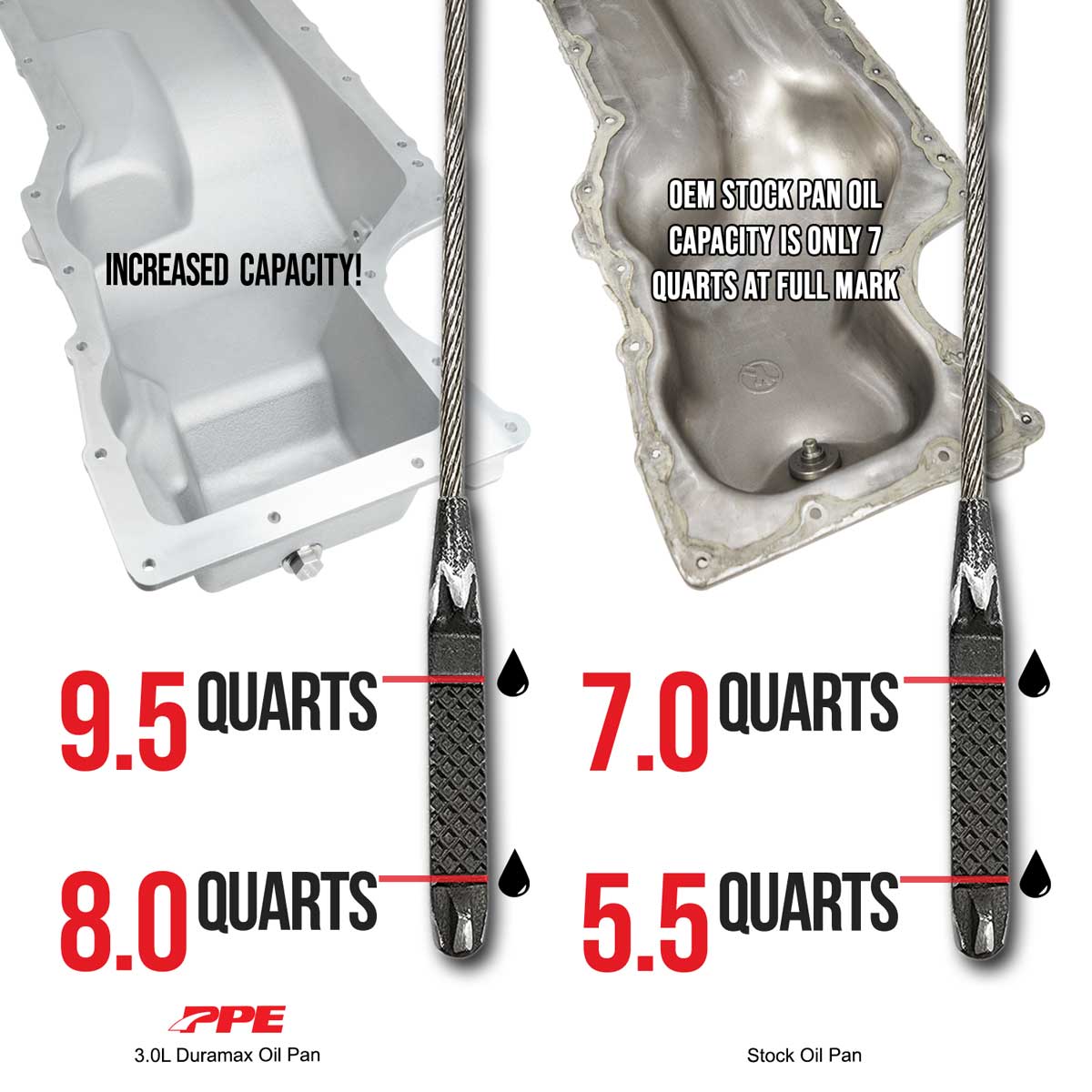
- Aftermarket oil pans and coolers can change capacity. If your Tahoe has custom parts (like a larger oil pan for towing), the standard oil capacity will not be correct. Always check what’s installed if you bought your Tahoe used.
A third tip: In some climates, especially very hot or cold areas, mechanics may recommend a different oil viscosity than the owner’s manual. Always ask why before agreeing—sometimes, it’s for local conditions, but sometimes it’s habit.
Practical Tips For Tahoe Owners
- Record every oil change in a logbook. This helps with maintenance and resale value.
- Use a quality oil filter—cheap filters can cost more in engine wear.
- Don’t mix oil types (for example, synthetic and conventional) unless you have no choice.
- Stock up during sales. Oil doesn’t go bad quickly, so buying in bulk saves money.
- Check oil level before long trips or towing heavy loads.
If you plan to go off-road or drive in dusty areas, check your oil more often. Dust can enter through the air filter and contaminate oil, especially if the filter is old.

Frequently Asked Questions
What Happens If I Overfill My Chevy Tahoe’s Oil?
Overfilling can cause the oil to foam, which reduces its ability to lubricate the engine. This may lead to increased wear, leaks, or even damage to seals and gaskets. If you suspect overfilling, drain some oil to bring it to the correct level.
Can I Use 10w-30 Oil In My Tahoe Instead Of 5w-30?
While 10W-30 may work in emergencies, GM recommends 5W-30 or 0W-20 (for newer models) for the best performance and fuel economy. Using a heavier oil can affect cold starts and fuel efficiency, especially in cold climates.
How Do I Reset The Oil Life Monitor On My Chevy Tahoe?
Turn the ignition to “on” (without starting the engine), press the accelerator pedal fully three times within five seconds, and the system should reset. For newer models, use the menu buttons on the dashboard to navigate to “Oil Life” and select “Reset.
”
Should I Change My Tahoe’s Oil More Often If I Tow A Trailer?
Yes. Towing puts extra stress on the engine, causing oil to break down faster. Change oil at shorter intervals, such as every 5,000 miles, and always use high-quality synthetic oil.
Is It Safe To Switch From Conventional To Synthetic Oil In My Tahoe?
Yes, it’s safe to switch. Synthetic oil offers better protection and lasts longer. Make sure to use the viscosity recommended in your owner’s manual.
Caring for your Chevy Tahoe’s oil needs pays off in reliability, efficiency, and lower repair bills. Whether you drive daily or only for weekend adventures, understanding oil capacity helps you get the most from your SUV for years to come.