
The Kubota D902 is a popular small diesel engine used in many machines, from compact tractors to small construction equipment. Knowing the right oil capacity and how to manage engine oil is important for engine life and smooth operation. This guide explains everything you need to know about Kubota D902 oil capacity, oil type, how to change oil, and common mistakes to avoid.
If you are a beginner or new to engine maintenance, this article will help you keep your Kubota D902 running strong for years.
Understanding Kubota D902 Engine
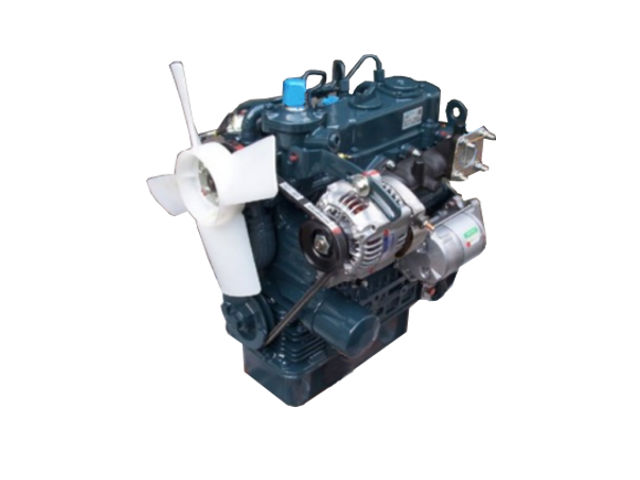
The Kubota D902 is a 3-cylinder, liquid-cooled, 4-cycle diesel engine. It is known for its reliability, fuel efficiency, and low emissions. Many small machines use this engine because it is compact but powerful.
Some common machines with the Kubota D902 engine include:
- Mini tractors
- Small skid steers
- Compact generators
- Utility vehicles
Owners choose this engine because it lasts long, but only if you take care of it. Oil is the most important part of engine health.
Kubota D902 Oil Capacity
The Kubota D902 oil capacity is 3. 8 liters (about 4 US quarts) when you change the oil and the oil filter. If you only change the oil and not the filter, the capacity is slightly less, usually around 3.
5 liters (3. 7 US quarts). Always check your owner’s manual for the exact number for your machine, as some models may have small differences.
Why Oil Capacity Matters
Oil lubricates the moving parts inside the engine. If you use too little oil, parts can rub together and wear out fast. Too much oil can cause pressure problems, leaks, or even damage. Always fill to the recommended level, not more or less.
Common Beginner Mistake:
Some people think “more oil is better. ” This is wrong. Too much oil can cause foaming, which stops oil from protecting the engine. Always stick to the recommended amount.
Best Oil Type For Kubota D902
Choosing the right oil is as important as using the right amount. For the Kubota D902, use a high-quality diesel engine oil. The most common oil grade is SAE 10W-30 or SAE 15W-40, depending on your climate.
- SAE 10W-30: Good for cooler temperatures (below 25°C/77°F)
- SAE 15W-40: Better for hotter climates (above 25°C/77°F)
Always use oil that meets the API classification CF or higher. This means the oil is made for diesel engines and has the right additives to protect against wear, rust, and build-up.
Non-obvious Tip:
Check the oil bottle for the “API” symbol and the right grade. Some car engine oils are not good for diesel engines—they lack the special additives needed for diesel combustion.
How To Check Oil Level
Checking the oil is simple, but it’s easy to do it wrong if you rush. Here’s how to do it step by step:
- Park on flat ground: The engine must be level. If not, the reading will be wrong.
- Let the engine cool: Wait at least 10 minutes after turning off the engine. Hot oil can splash and give a false reading.
- Pull out the dipstick: Wipe it clean with a cloth or paper towel.
- Put the dipstick back in: All the way, then pull it out again.
- Check the level: The oil should be between the LOW and FULL marks on the stick.
- Look at oil color: Clean oil is golden or light brown. Black oil means it’s time to change.
Pro Tip:
If the oil looks milky or has bubbles, water or air may be in the oil. This is a problem—get the engine checked.
How To Change Oil On Kubota D902
Changing the oil is easy if you follow these steps. You don’t need to be a mechanic. Here’s a simple way to do it:
Tools And Supplies Needed
- 4 liters (1 gallon) of diesel engine oil (SAE 10W-30 or 15W-40)
- New oil filter (get the right one for your D902)
- Oil drain pan
- Funnel
- Wrench or filter removal tool
- Clean rags
Steps To Change Oil
- Warm up the engine: Run it for 5 minutes. Warm oil drains better.
- Turn off the engine and let it cool: Wait 10 minutes.
- Remove the oil fill cap: This lets air in, so oil drains out easier.
- Place drain pan under the engine: Find the oil drain plug (bottom of the engine).
- Remove the drain plug: Use a wrench. Oil will come out fast—be careful!
- Let oil drain completely: Wait several minutes.
- Remove the old oil filter: Use a filter wrench if needed.
- Lubricate the new filter’s rubber seal: Dip your finger in new oil and rub it on the seal. This helps it fit tight and not leak.
- Install the new filter: Screw it on by hand—do not overtighten.
- Put the drain plug back in: Tighten it, but do not strip it.
- Add new oil through the fill hole: Use a funnel to avoid spills. Add up to 3.8 liters, but not all at once.
- Check the dipstick: Add more oil slowly until it is just below the FULL mark.
- Start the engine for 1 minute: Let oil circulate. Check for leaks at the filter and plug.
- Turn off the engine and wait 10 minutes: Check the oil level again. Add more if needed.

Oil Change Intervals
How often should you change the oil? For normal use, Kubota recommends every 200 hours of operation or at least once a year, whichever comes first. If you work in dusty, hot, or wet conditions, change oil every 100 hours.
Why Intervals Matter
Old oil loses its protective power. Diesel engines get dirty inside faster than gasoline engines, so clean oil is important. If you wait too long, the engine can wear out early.
Example:
If you use your machine for 4 hours a week, that’s about 200 hours a year. For heavy daily use, you might reach 200 hours in 2–3 months, so change oil more often.
Signs You Need To Change Oil Sooner
Sometimes, you should change oil sooner than the schedule says. Watch for these warning signs:
- Oil is black, thick, or gritty
- Engine runs hotter than normal
- Oil pressure warning light is on
- Engine sounds louder or rougher
- You notice smoke or odd smells
If you see any of these, change the oil right away.
Common Oil Maintenance Mistakes
Even experienced owners make mistakes with oil. Here are some to avoid:
- Using the wrong oil type: Always use oil made for diesel engines.
- Not changing the oil filter: The filter catches dirt. If you skip it, dirty oil stays in the engine.
- Overfilling or underfilling: Too much or too little oil is bad. Always check the dipstick after filling.
- Not warming up the engine first: Cold oil does not drain well, so old oil stays inside.
- Forgetting to check for leaks: After you change oil, always check for leaks around the filter and plug.
Non-obvious Insight:
Some people reuse old oil containers for new oil. This can contaminate the oil with dirt or water. Always use clean, sealed oil containers.
Choosing The Right Oil Filter
The oil filter is as important as the oil itself. The right filter keeps dirt and metal out of your engine. Always use a genuine Kubota filter or a high-quality replacement made for the D902.
What To Look For:
- Proper fit: The filter should screw on easily and seal tight.
- Quality material: Cheap filters may not filter well and can fall apart.
- Check the part number: Your owner’s manual lists the correct filter. Don’t guess.
Example Brands:
- Kubota (genuine parts)
- Baldwin
- Wix
- Fleetguard
Disposal Of Used Oil And Filter
Never pour used oil down the drain or on the ground. Used oil is dangerous for the environment. Put old oil in a sealed container and take it to a recycling center or service shop. Many auto parts stores will take used oil for free.
The old filter can also leak oil. Put it in a plastic bag and take it with your oil. Recycling is the responsible choice.
Practical Tip:
Keep a separate container just for used oil. Label it so you don’t mix it with new oil by mistake.

Frequently Asked Questions
Can I Use Synthetic Oil In The Kubota D902?
Yes, you can use synthetic diesel oil if it meets the required API classification (CF or higher) and the recommended viscosity (10W-30 or 15W-40). Synthetic oil lasts longer, but you should still follow Kubota’s oil change schedule.
What Happens If I Run The Engine With Low Oil?
Running with low oil can cause serious engine damage very quickly. The engine may overheat, parts can seize up, and repairs can be very expensive.
Is It Okay To Mix Different Oil Brands?
It’s best to stick with one good brand and type. In an emergency, you can mix brands if the oil meets the right API rating and viscosity. Do not mix diesel oil with gasoline engine oil.
My Oil Looks Black Soon After Changing. Is This Normal?
Diesel oil turns black faster than gasoline oil. This is normal, but if it becomes thick or gritty quickly, check your air filter and fuel system for problems.
How Do I Know The Oil Filter Is Tight Enough?
Tighten the oil filter by hand until the seal touches the mounting surface, then turn it another 3/4 of a turn. Do not use a wrench to overtighten.
Long-term Engine Care
Changing oil is just one part of taking care of your Kubota D902. Here are a few more tips to keep your engine healthy:
- Check oil level every week, not just at oil change time.
- Keep the air filter clean—dusty air makes oil dirty faster.
- Use high-quality diesel fuel.
- Run the engine regularly, even if you don’t use the machine often.
- Follow the maintenance schedule in your owner’s manual.
Non-obvious Insight:
If your machine sits for months without running, oil can drain away from important parts. Start the engine every few weeks to keep everything lubricated.
Where To Find Official Information
The best source for information is your Kubota D902 owner’s manual. If you lost it, many manuals are available online from Kubota’s official website or from your dealer. For more details about engine oil, visit the American Petroleum Institute (API) to understand oil ratings and classifications.
Taking care of your Kubota D902 engine starts with using the correct oil, the right amount, and changing it on schedule. The oil capacity is 3. 8 liters with a filter change, and you should use high-quality diesel oil (10W-30 or 15W-40).
Always check your oil regularly, watch for warning signs, and use genuine parts. Good oil maintenance keeps your engine strong, saves money, and avoids big repairs.
By following these steps and tips, you can make your Kubota D902 last for many years—protecting your investment and keeping your equipment ready for work.