
The Ford 8N tractor is a classic machine that has worked American fields for decades. Owners and enthusiasts often ask about its oil capacity, and for good reason. Using the correct amount and type of oil keeps the engine running smoothly, protects internal parts, and ensures a long life for this vintage tractor.
But oil capacity is only the start—understanding the oil system, maintenance routines, and best practices are just as important for any Ford 8N owner.
Let’s dive deep into everything you need to know about the Ford 8N oil capacity, including specifications, step-by-step maintenance, common mistakes, and expert tips to keep your tractor in top condition.
Understanding The Ford 8n Engine
The Ford 8N was produced from 1947 to 1952 and quickly became one of the most popular tractors of its era. Its reputation for dependability and simplicity is well-earned. But to keep it dependable, you must pay attention to its lubrication needs.
The 8N uses a simple, rugged four-cylinder gasoline engine. Like all engines, it relies on oil to lubricate moving parts, reduce friction, and carry away heat. Knowing how much oil your engine needs—and how often to change it—protects the heart of your tractor.
Key Engine Specifications
- Displacement: 119.7 cubic inches (1.96 liters)
- Cylinders: 4
- Horsepower: About 23.2 at the PTO
- Oil System: Wet sump (oil resides in the pan beneath the engine)
These numbers are the foundation, but let’s focus on what matters for oil capacity.
What Is The Ford 8n Oil Capacity?
The standard oil capacity for the Ford 8N engine is 5 quarts (4.7 liters), including the oil filter. This is the amount needed during a complete oil change.
If you change only the oil and not the filter, you’ll use slightly less oil—closer to 4. 5 quarts. However, it’s always best practice to change the filter with the oil for full protection.
Quick Reference: Oil Capacity
| Operation | Oil Capacity | Notes |
|---|---|---|
| Oil Change (with filter) | 5 quarts (4.7 L) | Factory recommendation |
| Oil Change (without filter) | 4.5 quarts (4.3 L) | Not recommended—always change filter |
Why Is Oil Capacity Important?
- Prevents engine damage by ensuring all internal parts are lubricated
- Maintains proper oil pressure for smooth operation
- Reduces overheating by carrying heat away from moving parts
Too little oil means poor lubrication and possible engine failure. Too much oil can cause foaming, leaks, and pressure problems.
Choosing The Right Oil For Your Ford 8n
Using the correct oil type is as important as using the right amount. The Ford 8N was designed in a time before modern synthetic oils, but today you have more options.
Recommended Oil Types
- SAE 30 (single grade) for most summer conditions
- SAE 10W-30 (multi-grade) for wider temperature ranges
- SAE 20W for cooler climates
Multi-grade oils like 10W-30 offer better cold start protection and are easier to find today. However, if your tractor operates in hot temperatures, SAE 30 works well.
Api Service Ratings
Look for oils with an API rating of “SJ” or higher. Newer ratings provide better protection and are backward-compatible with the Ford 8N’s engine.
Non-obvious Insight: Zinc Content
Older engines like the Ford 8N benefit from oil with higher zinc (ZDDP) content. Zinc adds extra protection to flat-tappet lifters and camshafts. Some modern oils have reduced zinc, so consider using an oil designed for classic or vintage engines.
Step-by-step: How To Change Oil In A Ford 8n
Changing oil in the Ford 8N is a straightforward task, but doing it right makes a big difference. Here’s a practical guide for owners at any skill level.
What You’ll Need
- 5 quarts of recommended oil
- New oil filter (cartridge type, usually Fram C3 or equivalent)
- Oil drain pan
- Funnel
- Wrenches (usually 1-1/16” for the drain plug)
- Rags for cleanup
Steps To Change The Oil
1. Warm Up The Engine
Run your tractor for 5-10 minutes. Warm oil drains faster and carries away more contaminants.
2. Shut Off And Secure
Turn off the engine. Allow it to sit for a minute, then set the parking brake.
3. Locate Drain Plug
The oil pan drain plug is under the engine. Place your drain pan beneath it.
4. Drain Old Oil
Remove the drain plug and let all oil drain out. Be patient—old oil can be thick.
5. Replace Drain Plug
Wipe the plug, check for damage, and reinstall. Do not overtighten.
6. Change The Oil Filter
The oil filter is on the right side of the engine. Remove the cover, pull out the old filter, and wipe the housing clean. Insert the new filter and replace the cover.
7. Add New Oil
Use a funnel and pour in 5 quarts of oil. Go slowly to avoid spills.
8. Check Oil Level
Wait a minute, then use the dipstick to check the level. Add more oil if needed, but do not overfill.
9. Start And Inspect
Run the engine for a minute. Check for leaks around the drain plug and filter.
10. Recheck Level
Shut off the engine and check the oil again, topping off if necessary.
Oil Change Frequency
Change oil every 100 hours of operation or at least once per year, whichever comes first. If you use your tractor in dirty or dusty conditions, change oil more often.
Common Mistakes With Ford 8n Oil Changes
Even experienced owners sometimes make mistakes. Avoid these common pitfalls to protect your tractor.
1. Overfilling Or Underfilling Oil
Adding too much oil can cause pressure problems, oil leaks, or foaming. Too little oil leads to rapid wear or even engine failure. Always use the dipstick to confirm the right level after filling.
2. Using The Wrong Oil Type
Modern low-zinc oils are not ideal for vintage engines. Use an oil with adequate zinc content or choose a product labeled for classic engines.
3. Not Changing The Filter
Old oil filters can clog and restrict flow. Always change the filter with the oil for best results.
4. Ignoring Oil Leaks
The 8N’s gaskets may leak over time. Small leaks can turn into big problems if ignored. Check for drips under the engine and fix leaks promptly.
5. Skipping Oil Changes
Some owners wait too long between oil changes, especially if the tractor isn’t used often. Oil degrades over time and loses protective properties, even if hours are low.
The Ford 8n Oil System Explained
Understanding how oil moves through your engine helps you maintain it properly.
The Oil Path
- Oil Pan: Oil starts in the pan at the bottom of the engine.
- Oil Pump: Driven by the camshaft, it pulls oil from the pan.
- Oil Filter: Oil passes through the filter, removing dirt and debris.
- Oil Galleries: Clean oil is sent through passages to lubricate bearings, camshaft, lifters, and valve train.
- Returns: Oil drains back to the pan, repeating the cycle.
Oil Pressure
The 8N’s system operates at 35-55 psi when hot and running. Low oil pressure can signal worn bearings, a clogged filter, or low oil level.
Non-obvious Insight: Oil Filter Orientation
Some 8N owners accidentally install the oil filter backward, which restricts flow. Always check the filter’s orientation—arrows or instructions should show which end faces out.

Credit: www.youtube.com
How Oil Capacity Impacts Engine Life
The right oil capacity is not just a number—it directly affects the health of your tractor.
- Proper lubrication: Prevents metal-on-metal contact and reduces wear.
- Correct cooling: Oil carries away heat from pistons, bearings, and valves.
- Contaminant removal: Oil suspends dirt and combustion byproducts, which are trapped by the filter.
Running with too little oil can cause sudden engine damage. Overfilling can create excessive crankcase pressure, leading to gasket failure or leaks.
Case Example
A farmer running a Ford 8N with only 3 quarts of oil noticed rising temperatures and poor oil pressure. After topping up to the correct 5 quarts, the engine ran cooler, quieter, and lasted several more years without issues.
Comparing Ford 8n To Other Vintage Tractors
It’s useful to see how the 8N compares with similar tractors from its era.
| Tractor Model | Engine Oil Capacity | Oil Type Recommendation |
|---|---|---|
| Ford 8N | 5 quarts (4.7 L) | SAE 30 or 10W-30 |
| John Deere Model B | 4.5 quarts (4.3 L) | SAE 30 |
| Farmall H | 6 quarts (5.7 L) | SAE 30 |
| Allis-Chalmers WD | 5 quarts (4.7 L) | SAE 30 |
The Ford 8N’s oil capacity is typical for its class, balancing engine needs with service simplicity.
How To Check Oil Level Correctly
Checking oil level in a Ford 8N is simple, but accuracy matters.
- Park on level ground for a true reading.
- Wait a few minutes after shutting off the engine, letting oil settle.
- Pull the dipstick (located on the right side of the engine).
- Wipe clean, reinsert, and pull again.
- Check the mark—oil should be between “Add” and “Full.”
If oil is low, add small amounts and recheck until correct. Overfilling is as risky as running low.
Signs Of Oil-related Problems In The Ford 8n
Catching issues early can save you from expensive repairs.
Watch For These Symptoms
- Low oil pressure warning light (if equipped)
- Knocking or ticking noises from the engine
- Blue or gray exhaust smoke
- Oil leaks under the tractor
- Unusual engine heat or overheating
- Foamy or milky oil (can indicate coolant leak)
If you spot any of these, check your oil level and quality immediately.
Oil Change Tips For Long Engine Life
A few extra steps go a long way in keeping your 8N’s engine healthy.
1. Use High-quality Filters
Cheap filters may not trap fine particles. Use filters from known brands or those meeting OEM specs.
2. Add Oil Slowly
Pour oil in slowly, giving it time to drain into the pan. This prevents overfilling and splash-back.
3. Inspect Old Oil
Look for metal flakes, sludge, or unusual color. These can warn of engine wear or internal problems.
4. Replace Gaskets As Needed
Old gaskets harden and leak. If you notice drips, replace the oil pan or filter housing gaskets.
5. Keep Records
Write down each oil change’s date and hours. This helps you follow a regular maintenance schedule.
Seasonal Oil Considerations
Different seasons can affect your oil choice and change intervals.
Warm Weather Operation
If you use your 8N mainly in summer, SAE 30 is usually sufficient. It provides stable viscosity in hot conditions.
Cold Weather Use
In cold climates, a multi-grade oil like 10W-30 makes starting easier and protects the engine during warmup. Never use thick oil (like SAE 40) in freezing weather—it will not flow well and can starve the engine of lubrication.
Storage Tips
If storing your 8N for winter, change the oil before putting it away. Old oil contains acids and contaminants that can damage engine internals during storage.
Troubleshooting Common Oil System Issues
Problems with oil pressure, leaks, or contamination are not uncommon in tractors this old.
Low Oil Pressure
Possible causes:
- Low oil level
- Worn bearings or oil pump
- Clogged filter
Check oil level first, then inspect the filter. If pressure is still low, a mechanic should check the pump and bearings.
Oil Leaks
Most leaks come from:
- Oil pan gasket
- Valve cover gasket
- Oil filter housing
Tighten bolts to spec, replace worn gaskets, and clean surfaces before installing new ones.
Foamy Oil
Foam in the oil is a sign of air mixing in. Causes include overfilling, using the wrong oil, or a failing oil pump. Drain excess oil and refill to the correct capacity.
How To Dispose Of Old Oil Safely
Never pour used oil on the ground or down drains. Collect oil in a sealed container and take it to a recycling center or auto shop that accepts used oil. This protects your land and local environment.
Credit: msfparts.com
Ford 8n Oil System Upgrades
Some owners want modern reliability for their classic tractor. A few upgrades can help.
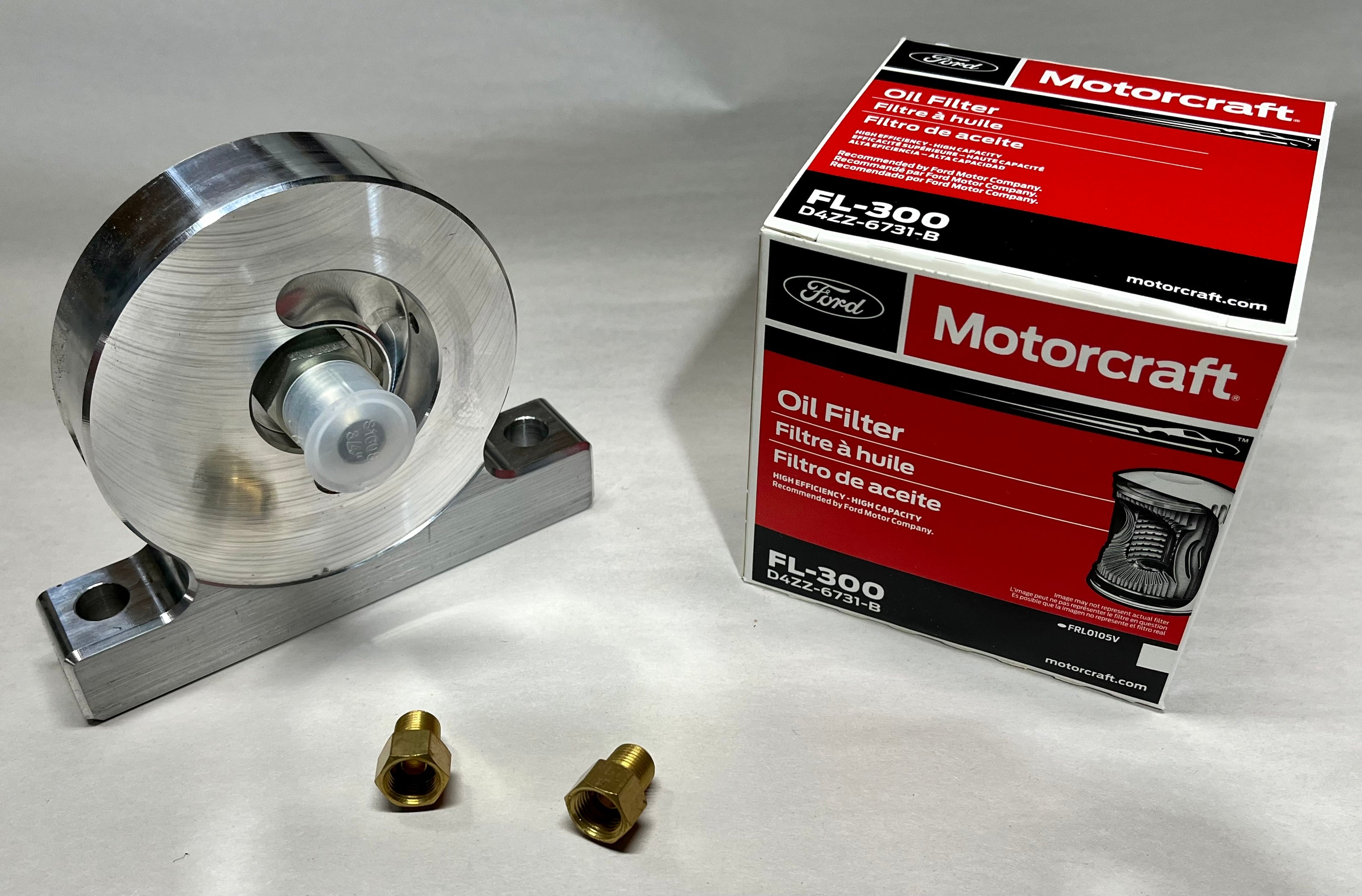
1. Spin-on Oil Filter Conversion
A kit allows you to switch from the old cartridge filter to a modern spin-on filter. Benefits include easier changes and better filtration.
2. High-zinc Oil Additives
If you cannot find high-zinc oil, an additive boosts protection for camshafts and lifters. Follow the instructions carefully—do not overdose.
3. Oil Pressure Gauge
Adding or upgrading an oil pressure gauge helps you monitor the engine’s health in real time.
Original Manuals And Resources
The Ford 8N operator’s manual provides essential oil specs, capacities, and maintenance intervals. You can find official manuals online or at vintage tractor clubs. For more technical details, the Wikipedia page on Ford N-series tractors is a reliable starting point.
Comparing Engine Oil And Hydraulic Oil In The Ford 8n
Some new owners confuse engine oil with hydraulic oil. These are separate systems in the 8N.
| System | Oil Type | Oil Capacity | Purpose |
|---|---|---|---|
| Engine | SAE 30/10W-30 | 5 quarts (4.7 L) | Lubricates engine |
| Hydraulic/Transmission | Universal Tractor Fluid (UTF) or 80W-90 | 5 gallons (18.9 L) | Runs hydraulics and transmission |
Never mix engine oil and hydraulic fluid—they serve different functions.
Practical Advice For New Ford 8n Owners
Owning a classic tractor is rewarding, but maintenance is key. Here are a few tips to get the most from your 8N:
- Always keep an extra quart of oil and a spare filter on hand.
- Learn to spot small leaks and fix them early.
- Check oil before every use, especially if your tractor sits for weeks at a time.
- Join an online community or local club for support—many 8N owners are happy to share experience and advice.
Remember, even if you use your tractor lightly, oil changes are not optional. Old oil can cause big problems down the road.
Frequently Asked Questions
What Is The Oil Capacity For The Ford 8n Engine?
The Ford 8N holds 5 quarts (4.7 liters) of oil, including the oil filter. This is the amount you should use during a full oil and filter change.
What Type Of Oil Is Best For The Ford 8n?
The best oil for most Ford 8Ns is SAE 30 or 10W-30 engine oil with an API rating of SJ or higher. In cold weather, use a multi-grade oil for easier starting.
How Often Should I Change The Oil In My Ford 8n?
Change the oil every 100 hours of use or at least once per year. If you use your tractor in dusty or hot conditions, change it more often.
Can I Use Modern Synthetic Oil In My Ford 8n?
You can use synthetic oil if it matches the correct viscosity and API rating. However, ensure it has adequate zinc (ZDDP) content for older engines.
What Happens If I Overfill The Oil In My Ford 8n?
Overfilling can cause oil foaming, leaks, and pressure issues. Always fill to the correct mark on the dipstick and check after running the engine briefly.
The Ford 8N is more than a piece of history—it’s a practical tool that, with proper care, can serve for generations. Paying attention to oil capacity and quality is the simplest way to protect your investment and enjoy reliable service from your tractor year after year.