
The Subaru Forester has earned a strong reputation for reliability, safety, and practicality. But one detail that many owners and future buyers overlook is the oil capacity. This simple number plays a major role in the car’s health and long-term performance. Choosing the right oil capacity, understanding how it changes across different Forester models, and knowing how to check or change the oil yourself can save money, prevent engine problems, and give you more confidence as a Subaru owner.
In this guide, you’ll find every important detail about the Subaru Forester’s oil capacity. Whether you drive a 2003 Forester or the latest 2024 model, you’ll discover specific oil capacities, why they differ, and what oil types Subaru recommends. You’ll also learn tips that most beginners miss, such as how climate or driving style can affect your oil change habits.
By the end of this article, you’ll have complete, clear knowledge to help you care for your Forester with confidence.
Why Oil Capacity Matters For Subaru Forester Owners
Oil capacity is not just a number in your owner’s manual. For a vehicle like the Subaru Forester, it’s tied to engine life, fuel efficiency, and maintenance costs. Too little oil means poor lubrication and overheating. Too much can lead to leaks and engine pressure problems. Both situations risk expensive repairs.
Subaru engines—especially the popular Boxer engine—have unique designs that depend on the right oil levels. Because the Forester is often used for family trips, outdoor adventures, and daily commuting, its engine experiences a wide range of driving conditions. This makes correct oil capacity even more important.
Many new owners assume all Foresters use the same amount of oil. In reality, oil capacity varies based on:
- Model year (older vs. newer Foresters)
- Engine type (2.5L vs. 2.0L Turbo, etc.)
- Oil filter changes (capacity changes if you replace the filter)
Ignoring these differences can lead to mistakes. For example, overfilling by just half a quart can increase engine wear over time.
Subaru Forester Oil Capacity By Model Year And Engine
Let’s break down the oil capacities for different generations and engine types. This section helps you find the right number for your specific Forester.
First Generation (1997–2002)
The first Subaru Forester arrived in the late 1990s and quickly became popular. These models used the 2.5L EJ25 engine.
- Oil capacity (with filter): 4.2 quarts (4.0 liters)
- Oil capacity (without filter): 4.0 quarts (3.8 liters)
This capacity stayed consistent across all trims. The EJ25 engine is known for its reliability, but regular oil changes are critical, especially as these vehicles age.
Second Generation (2003–2008)
Subaru improved the Forester for the second generation, keeping the 2. 5L engine but offering a turbocharged variant.
- 2.5L non-turbo (EJ253):
- With filter: 4.2 quarts (4.0 liters)
- Without filter: 4.0 quarts (3.8 liters)
- 2.5L Turbo (EJ255):
- With filter: 4.2 quarts (4.0 liters)
- Without filter: 4.0 quarts (3.8 liters)
Key insight: Many owners mistakenly add more oil to the turbo models, thinking they need extra cooling. In reality, the turbo and non-turbo engines use the same capacity.
Third Generation (2009–2013)
This generation introduced the FB25 engine, a newer design with improved efficiency.
- 2.5L FB25 non-turbo:
- With filter: 5.1 quarts (4.8 liters)
- Without filter: 4.8 quarts (4.5 liters)
- 2.5L Turbo (EJ255):
- With filter: 4.2 quarts (4.0 liters)
- Without filter: 4.0 quarts (3.8 liters)
Notice the non-turbo engine’s increased oil capacity. This was done to extend oil life and improve engine cooling.
Fourth Generation (2014–2018)
The Forester continued with updated FB and turbo engines.
- 2.5L FB25 non-turbo:
- With filter: 5.1 quarts (4.8 liters)
- Without filter: 4.8 quarts (4.5 liters)
- 2.0L Turbo (FA20F):
- With filter: 5.1 quarts (4.8 liters)
- Without filter: 4.8 quarts (4.5 liters)
Practical tip: The 2.0L turbo engine has the same oil capacity as the 2.5L non-turbo. This confuses many mechanics and owners.
Fifth Generation (2019–present)
The latest Foresters use updated versions of the FB25 engine, with small tweaks for emissions and efficiency.
- 2.5L FB25:
- With filter: 4.4 quarts (4.2 liters)
- Without filter: 4.1 quarts (3.9 liters)
These models have slightly lower oil capacity than the previous generation, mainly due to engine updates and lighter components.
Hybrid Models (e-boxer)
Some markets offer hybrid Foresters.
- 2.0L e-BOXER hybrid:
- With filter: 4.2 quarts (4.0 liters)
- Without filter: 4.0 quarts (3.8 liters)
Hybrid models use less oil, similar to older Foresters.
Oil Capacity Comparison By Model And Year
For easier comparison, here’s a summary:
| Model Year | Engine | With Filter | Without Filter |
|---|---|---|---|
| 1997–2008 | 2.5L (EJ25/EJ255) | 4.2 qt (4.0L) | 4.0 qt (3.8L) |
| 2009–2018 | 2.5L (FB25) | 5.1 qt (4.8L) | 4.8 qt (4.5L) |
| 2014–2018 | 2.0L Turbo (FA20F) | 5.1 qt (4.8L) | 4.8 qt (4.5L) |
| 2019–2024 | 2.5L (FB25) | 4.4 qt (4.2L) | 4.1 qt (3.9L) |
| Hybrid | 2.0L e-BOXER | 4.2 qt (4.0L) | 4.0 qt (3.8L) |
How To Check Your Subaru Forester’s Oil Level
Checking oil is simple but easy to get wrong. Here’s how to do it correctly:
- Park on level ground: Make sure the car is off and cooled down for 5–10 minutes.
- Open the hood: Locate the yellow or orange dipstick—usually near the front of the engine.
- Pull out the dipstick: Wipe it clean with a paper towel.
- Insert dipstick fully: Remove again and check the oil level against the “Full” and “Low” marks.
- Check oil quality: Oil should be amber, not dark or gritty. If it smells burnt, change it soon.
Common mistake: Checking oil right after shutting off the engine. Hot oil takes time to settle; otherwise, you’ll get a false low reading.
Choosing The Right Oil Type For Your Forester
Oil capacity is only half the story. Using the correct oil type is just as important. Subaru recommends different oils for different engines and climates.
Recommended Oil Types By Generation
- 1997–2010 (EJ engines): 5W-30 conventional or synthetic
- 2011–Present (FB/FA engines): 0W-20 full synthetic
Why 0W-20? This modern oil reduces engine wear, improves fuel economy, and works well in cold climates. Using thicker oils (like 5W-30) in newer engines can reduce efficiency and void your warranty.
Can You Use Synthetic Oil In Older Foresters?
Yes! Switching to full synthetic oil in older Foresters can help with engine cleaning and better protection, especially if you drive in hot or cold climates.
What About Oil Brands?
Subaru does not require a specific brand, but it’s smart to use reputable names like Castrol, Mobil 1, Subaru Genuine Oil, or Valvoline. Cheap, generic oils may not provide the same protection.
When To Change Oil
- Older Foresters (conventional oil): Every 3,000–5,000 miles
- Newer Foresters (synthetic oil): Every 6,000 miles (Subaru’s official interval)
Driving in extreme conditions—mountains, stop-and-go traffic, or towing—means you should change oil more often.
How To Change Your Subaru Forester’s Oil Yourself
Changing oil at home can save money and help you understand your car better. Here’s a step-by-step guide:
What You’ll Need
- Correct amount of oil (see capacity chart above)
- New oil filter (Subaru Genuine or compatible)
- Oil catch pan
- Wrench (for drain plug)
- Funnel
- Rags or paper towels
- Car jack and stands (if needed)
- Gloves
Step-by-step Instructions
- Warm up the engine for 2–3 minutes. This helps oil drain faster.
- Turn off engine and let it cool for 10 minutes.
- Lift the car (if needed) and secure with jack stands.
- Place pan under drain plug (bottom of engine).
- Remove drain plug with wrench. Let oil drain fully.
- Replace washer (if needed) and tighten drain plug.
- Remove old oil filter (use filter wrench if tight).
- Rub a little new oil on the rubber seal of the new filter.
- Install new filter by hand—tighten snug, not too hard.
- Add new oil using a funnel. Pour about 90% of the required capacity.
- Start engine for 20 seconds, then turn off and check for leaks.
- Check oil level with dipstick. Add oil as needed to reach “Full” mark.
Beginner insight: Many people overfill after an oil change. Always start with less and add slowly. It’s much easier to add oil than remove extra.
Oil Filter And Oil Change Frequency
Why Change The Oil Filter Every Time?
The oil filter collects dirt, metal particles, and old oil residues. Changing it every time you change oil prevents contaminants from entering the fresh oil. Skipping the filter change can undo the benefits of new oil.
How Often Should You Change The Oil Filter?
Change the oil filter with every oil change. This is Subaru’s official recommendation. Filters are inexpensive compared to engine repairs.
What Happens If You Don’t Change Oil On Time?
Old oil loses its protective ability. It can cause:
- Engine sludge
- Poor fuel economy
- Increased engine wear
- Expensive repairs (like head gasket failure)
Subaru’s Boxer engines are especially sensitive to oil quality. Neglecting oil changes is one of the main reasons older Foresters develop engine problems.
Subaru Forester Oil Consumption: What’s Normal?
All engines burn a small amount of oil between changes, but Subaru Foresters (especially 2011–2015 models) are known for higher oil consumption. Subaru says using up to 1 quart every 1,200 miles is normal for some models. However, if you notice blue smoke, oil puddles, or frequent “add oil” warnings, get your engine checked.
Practical advice: Check your oil level every 1,000 miles, especially if you drive an older Forester or notice faster oil drops.
Oil Capacity And Climate: What You Need To Know
Most Foresters have the same oil capacity worldwide, but climate can affect oil performance. In very hot areas, oil breaks down faster. In cold climates, thicker oil can struggle to flow at startup.
Non-obvious tip: In extreme climates, you may need to change oil more often—even if the capacity stays the same. Also, always use the oil viscosity Subaru recommends for your region.
Subaru Forester Oil Capacity: Owner Mistakes To Avoid
- Overfilling the oil: More is not better. Overfilling can cause leaks, engine pressure problems, and damage to seals.
- Using the wrong oil type: Using 5W-30 instead of 0W-20 (in newer models) can affect engine performance.
- Ignoring oil filter changes: New oil needs a new filter every time.
- Not checking oil level regularly: Especially important for older Foresters or those with oil consumption issues.
- Relying only on the dashboard light: The oil warning light means you’re already low—don’t wait for it.
Subaru Forester Oil Capacity And Maintenance Cost
Changing your own oil saves money, but even at a shop, knowing the oil capacity helps. Here’s a cost breakdown:
| Service Type | DIY Cost (USD) | Shop Cost (USD) | Notes |
|---|---|---|---|
| Oil & filter change (older Forester) | $35–$50 | $70–$100 | Uses 4.2 quarts oil, basic filter |
| Oil & filter change (newer Forester) | $45–$60 | $80–$120 | Uses 4.4–5.1 quarts synthetic oil |
| Hybrid Forester oil change | $40–$55 | $90–$130 | Slightly less oil than non-hybrid |
Non-obvious insight: Using the right amount of oil can make your engine last 50,000 miles longer. Small mistakes add up over time.
Subaru Forester Oil Capacity And Warranties
Subaru warranties require you to use the recommended oil type and capacity. Keeping records of oil changes (receipts, dates, mileage) protects you if you ever need warranty work for engine problems.
If a dealer finds you used the wrong oil or overfilled/underfilled, they can deny engine repair claims. Always check your manual and keep a record.
What To Do If You Overfill Or Underfill Oil
- Overfilled: Remove extra oil using a siphon or have a shop drain it. Do not drive with too much oil.
- Underfilled: Add oil immediately. Driving with low oil can cause permanent engine damage.
- Unsure: Check oil level after driving a few miles and letting the engine cool for 10 minutes. Add or remove as needed.
Subaru Forester Oil Capacity In Other Markets
While the US, Europe, and Asia all use similar Forester models, some differences exist in oil capacity due to emissions laws or engine options. Always check your local owner’s manual.
For example, Japanese models with smaller engines (1. 8L) may use less oil. European diesel Foresters (not sold in the US) have different oil needs.
Subaru Forester Oil Capacity And Engine Upgrades
If you’ve modified your Forester—added a turbo, swapped engines, or use a larger oil pan—your oil capacity may be different. Always check with your mechanic or tuner after major engine changes.
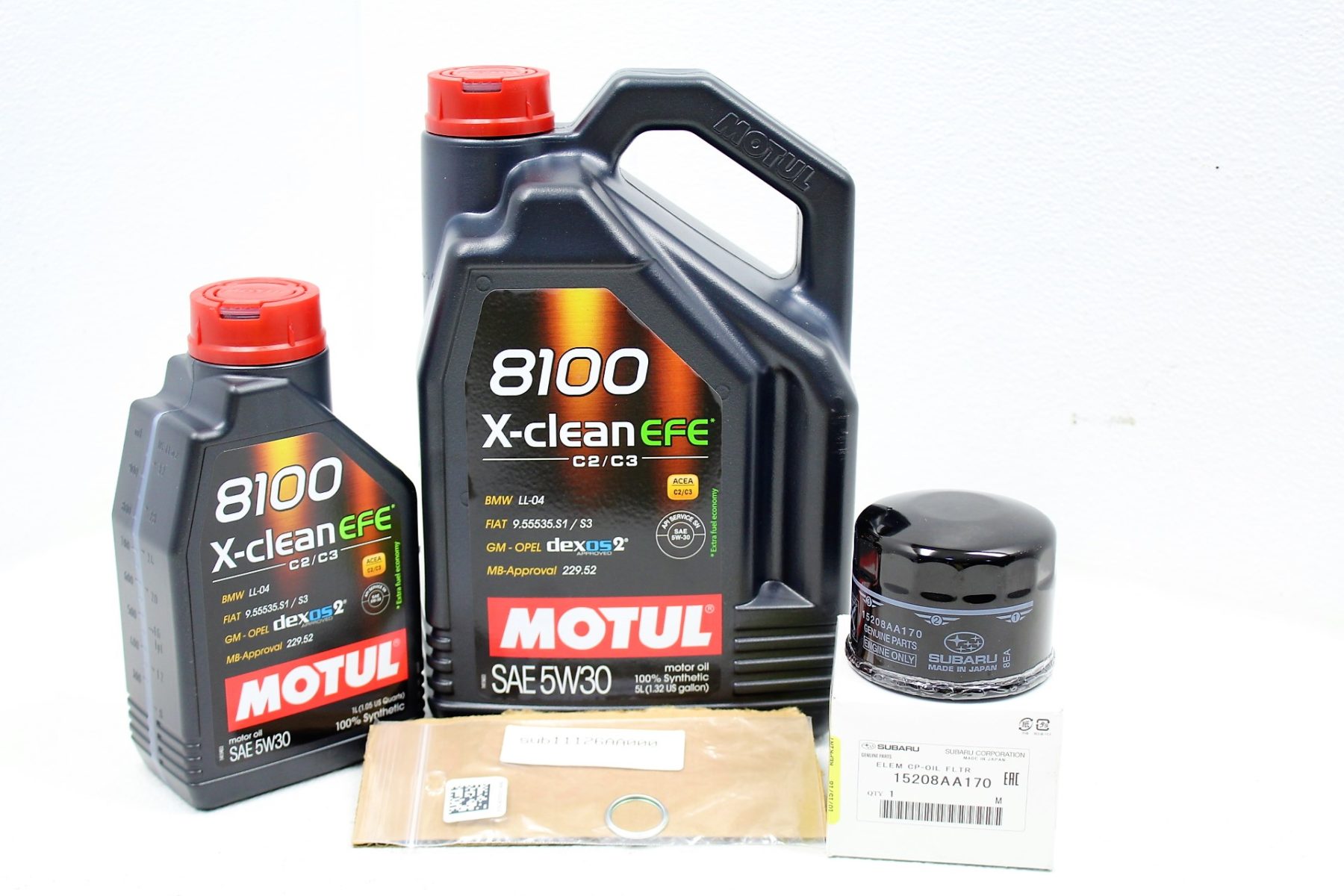
Subaru Forester Oil Capacity And High Mileage Engines
If your Forester has over 150,000 miles, monitor oil levels more often. Older seals and engine parts can lead to oil leaks or higher consumption. Using high-mileage oil can help reduce leaks and slow oil burning.
Environmental Impact Of Used Oil
Used oil can pollute water and soil. Always recycle oil at an authorized center. Never pour oil down a drain or on the ground. Many auto shops accept used oil for free.

Where To Find Official Subaru Forester Oil Capacity Information
Your owner’s manual is the best source. Subaru’s official website also publishes service guides. For more technical info, see this Subaru Forester Wikipedia page.

Frequently Asked Questions
How Much Oil Does A 2015 Subaru Forester Take?
A 2015 Subaru Forester with the 2.5L non-turbo engine uses 5.1 quarts (4.8 liters) with filter. If you have the 2.0L turbo, it’s also 5.1 quarts. Always check your owner’s manual for confirmation.
What Happens If I Put Too Much Oil In My Subaru Forester?
Overfilling oil can cause engine leaks, damage seals, and increase pressure inside the engine. In some cases, it can lead to engine failure. If you overfill, remove the extra oil as soon as possible.
Can I Use 5w-30 Oil In My Newer Forester?
Subaru recommends 0W-20 synthetic oil for Foresters built after 2011. While 5W-30 may not harm the engine short-term, it can affect fuel economy and may void your warranty.
How Often Should I Check My Forester’s Oil Level?
Check your oil level at least once a month or every 1,000 miles. If your car burns oil or has high mileage, check more often.
Do I Need To Change The Oil Filter Every Time I Change The Oil?
Yes, Subaru recommends changing the oil filter with every oil change. This keeps your new oil clean and protects your engine from old contaminants.
Owning a Subaru Forester means you care about reliability and performance. Understanding your oil capacity—and using the right oil—protects your engine for years to come. Pay attention to the details, and your Forester will reward you with smooth, worry-free driving.