
The Ford 3.5 EcoBoost engine has become a key part of Ford’s lineup, powering everything from the F-150 to the Explorer and even the sporty Taurus SHO. If you own or maintain one of these vehicles, knowing the correct oil capacity is not just a technical detail—it’s essential for long engine life and top performance. Many drivers get confused about how much oil the 3.5 EcoBoost needs, especially since the answer can change based on the model year, the type of oil filter used, and even the specific vehicle it powers.
This article will be your complete guide to the Ford 3. 5 EcoBoost oil capacity. We’ll break down exactly how much oil you need for different versions of this engine, walk you through why oil capacity matters, and explain how to get your oil change right every time.
We’ll also cover the 5 key items that every EcoBoost owner should know, from oil types to the effects of overfilling. Let’s dive deep so you can give your engine the care it deserves.
Understanding The Ford 3.5 Ecoboost Engine
The 3.5L EcoBoost is a twin-turbocharged V6 engine that blends power and efficiency. First introduced in 2010, it’s now found in many popular Ford vehicles, including the F-150, Expedition, Explorer, and Flex, plus some Lincoln models. This engine is known for its balance of strong towing ability, quick acceleration, and reasonable fuel economy.
The 3.5 EcoBoost has gone through several updates, with the major ones being:
- First Generation (2010–2016)
- Second Generation (2017–present)
Each generation has slightly different oil requirements, so it’s important to know which one you have. Both generations share the same basic architecture, but improvements in the newer models affect oil change intervals and sometimes even capacity.
Why Oil Capacity Matters
Choosing the right oil capacity is not just about following rules—it’s about protecting your engine. Oil lubricates moving parts, reduces heat, and traps dirt and metal particles. Too little oil means your engine runs hot and wears out faster. Too much oil can cause foaming, poor lubrication, and even damage seals or gaskets.
If you use the wrong amount of oil, you risk:
- Reduced performance
- Increased fuel use
- Possible engine damage
- Warranty problems
Many DIY oil changers make mistakes in this area, either by underfilling or overfilling. Even some professional shops rush the job and don’t check the dipstick after filling. That’s why it’s so important to know the numbers for your specific EcoBoost.
Ford 3.5 Ecoboost Oil Capacity: 5 Key Items Explained
Let’s break down the five most important things every Ford 3. 5 EcoBoost owner needs to know about oil capacity. Each of these items is often misunderstood or overlooked, but they make a real difference in keeping your engine healthy.
1. Factory-recommended Oil Capacity
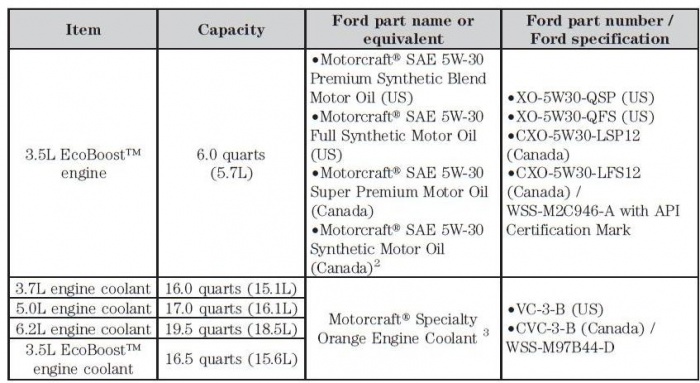
The factory oil capacity is the amount of oil Ford specifies for your engine, including the oil filter. For most 3.5 EcoBoost engines, this is:
- 6.0 quarts (5.7 liters) with filter
This is the most common figure for both the first and second generation EcoBoost engines. However, some vehicles or model years may have small differences due to oil pan design or filter size. Always check your owner’s manual to confirm.
Examples By Vehicle
- F-150 (2011–2020): 6.0 quarts
- Explorer (2016–2021): 6.0 quarts
- Expedition (2015–2021): 6.0 quarts
- Taurus SHO (2010–2019): 6.0 quarts
Some Lincoln models, like the MKS and MKT, also use the same capacity. But always double-check, as some special editions or performance versions may differ.
What About Without The Filter?
If you change the oil but leave the old filter in place (not recommended), the capacity drops slightly. Usually, you’ll use about 5. 5 quarts, but always check with the dipstick. The extra oil the filter holds is important for full protection.
2. Oil Type And Viscosity
Knowing how much oil to use is only part of the equation. The type of oil you choose is just as critical. Ford recommends:
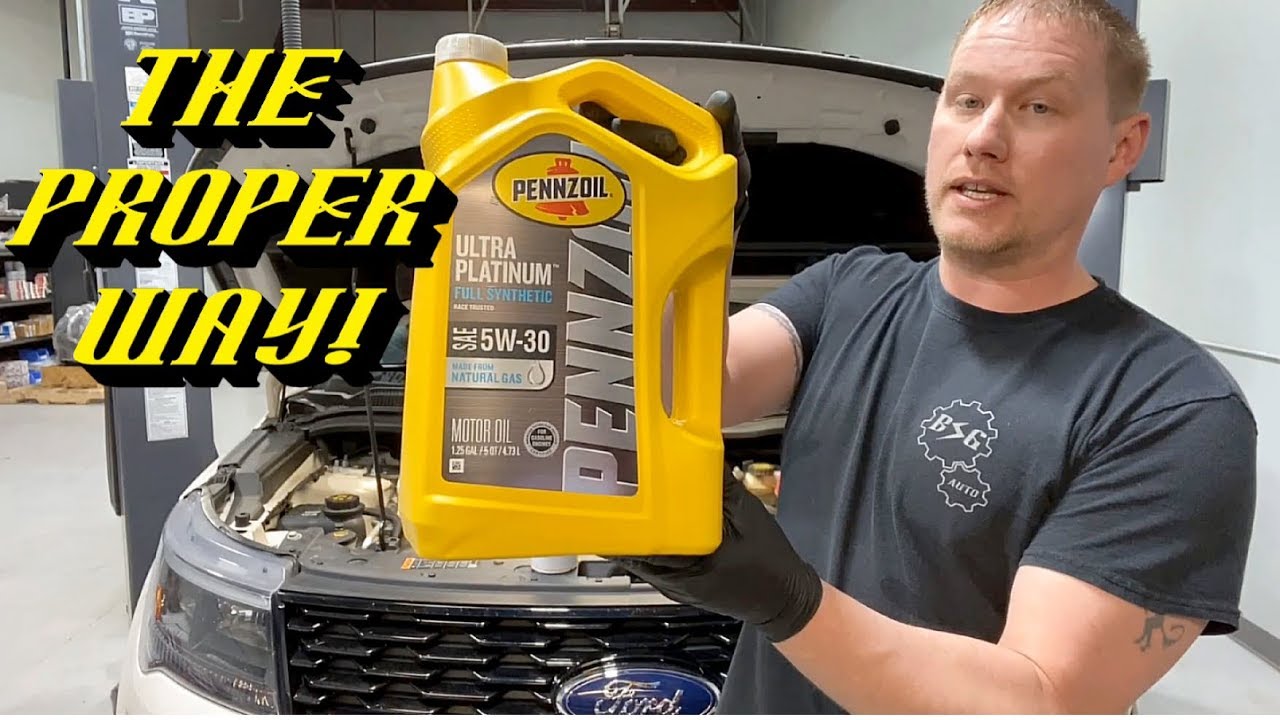
- SAE 5W-30 synthetic blend or full synthetic
In extreme climates (very hot or cold), you may see alternative weights like 0W-30 or 5W-20, but 5W-30 is the standard for the 3. 5 EcoBoost. Synthetic oil is preferred because of the high heat and stress in turbo engines.
It resists breakdown and keeps the turbochargers safe.
Why Synthetic Matters
- Better protection at high temps
- Improved cleaning power
- Longer oil life
Some owners try to save money by using conventional oil. This is a mistake. The turbos in the 3. 5 EcoBoost run very hot, and conventional oil can break down, leading to sludge, turbo failure, or even engine damage.
What About Oil Brands?
Stick to well-known brands like Motorcraft (Ford’s own brand), Mobil 1, Castrol, or Valvoline. Make sure the oil meets the Ford WSS-M2C946-B1 standard or newer.
3. Oil Change Interval And Capacity Impact
How often should you change the oil in your 3.5 EcoBoost? Ford generally recommends:
- Every 7,500 to 10,000 miles (12,000 to 16,000 km) or once a year, whichever comes first
But if you tow, drive short distances, or idle a lot, change it more often—every 5,000 miles is safer.
Why Does Oil Capacity Matter For Intervals?
A larger oil capacity means the oil can handle more dirt and heat before breaking down. But even with 6. 0 quarts, the EcoBoost’s turbos work hard, so don’t stretch intervals too far. If you notice dark or gritty oil, change it sooner.
Real-world Insight
Some owners who tow heavy loads or drive in hot climates find that changing the oil every 4,000–5,000 miles gives extra peace of mind. The oil stays cleaner, and the engine runs smoother. This is especially true for the first-generation EcoBoost, which can be harder on oil.
4. How To Measure Oil Correctly
Adding oil is only half the job—the other half is making sure you have the right level. Here’s how to do it right:
- Warm up the engine for a few minutes, then shut it off and wait 5–10 minutes for the oil to settle.
- Pull out the dipstick, wipe it clean, and reinsert fully.
- Remove and check the oil level. It should be between the two holes or marks labeled “MIN” and “MAX.”
Non-obvious Insight
Don’t just fill to the top mark and stop. After running the engine for a minute, recheck the level. Sometimes the oil filter or galleries take a little extra oil after the first fill.
Common Mistake
Some people overfill, thinking “more is better. ” This can cause the oil to foam, which reduces lubrication and can even trigger warning lights. Always aim for the top mark, not above.
5. Overfilling And Underfilling: Risks And Solutions
It’s easy to think a little extra oil is harmless, but with the EcoBoost engine, that’s not true. Here’s what can happen:
Overfilling
- Foaming: Air gets mixed into the oil, reducing protection.
- Oil leaks: Extra pressure can cause seals and gaskets to fail.
- Catalytic converter damage: Too much oil can enter the exhaust and harm emissions systems.
Underfilling
- Increased wear: Less oil means hotter, less-protected parts.
- Turbo damage: Turbos need steady oil flow. Low oil can ruin bearings.
What To Do If You Overfill
If you add too much oil, don’t run the engine. Use a suction pump or drain plug to remove the excess. Even a half-quart too much can cause issues in the 3. 5 EcoBoost.
What To Do If You Underfill
If you realize you’re low after starting the engine, shut it down, wait for the oil to settle, and add until you reach the correct mark. Never drive with low oil, even for a short distance.
Different Ford Models With 3.5 Ecoboost: Oil Capacity Breakdown
While the standard oil capacity is 6.0 quarts, there are small differences depending on the vehicle and year. Here’s a comparison to help you find the right number for your Ford:
| Model | Year Range | Engine Generation | Oil Capacity (with filter) |
|---|---|---|---|
| F-150 | 2011–2020 | 1st & 2nd Gen | 6.0 quarts |
| Expedition | 2015–2021 | 2nd Gen | 6.0 quarts |
| Explorer | 2016–2021 | 2nd Gen | 6.0 quarts |
| Taurus SHO | 2010–2019 | 1st Gen | 6.0 quarts |
| Flex | 2013–2019 | 1st & 2nd Gen | 6.0 quarts |
If you have an older or rare model, always confirm with your owner’s manual or a trusted Ford dealer.
Credit: www.youtube.com
Step-by-step Oil Change Guide For 3.5 Ecoboost
Changing your oil at home? Here’s a simple step-by-step process. Having the correct oil capacity ensures you do it right.
Tools And Supplies Needed
- 6 quarts of 5W-30 full synthetic oil
- New oil filter (Motorcraft FL-500S or equivalent)
- Oil drain pan
- Wrench (for drain plug)
- Funnel
- Clean rags
- Gloves
Oil Change Steps
- Warm up the engine for a few minutes to thin the oil.
- Turn off engine and let it cool for 5–10 minutes.
- Lift the vehicle with ramps or a jack and jack stands for safety.
- Place the drain pan under the oil pan.
- Remove the drain plug with a wrench and let old oil drain completely.
- Replace the drain plug and tighten securely (don’t overtighten).
- Remove the old oil filter (use a filter wrench if tight). Some oil will spill—be ready!
- Lubricate the new filter’s gasket with a bit of new oil, then install it hand-tight.
- Add 6.0 quarts of new oil through the oil fill cap.
- Start the engine and let it run for 1–2 minutes.
- Shut off and wait 5 minutes. Check the oil level with the dipstick.
- Add more oil if needed, but do not exceed the “MAX” mark.
Dispose of old oil and filter responsibly at a recycling center.
Pro Tips
- Always check for leaks after starting the engine.
- Reset your oil change reminder if your vehicle has one.
- Don’t forget to record the mileage and date for your next change.
Comparing The 3.5 Ecoboost To Other Ford Engines
How does the 3.5 EcoBoost’s oil capacity compare to other popular Ford engines? Here’s a quick look:
| Engine | Displacement | Oil Capacity (with filter) |
|---|---|---|
| 3.5 EcoBoost V6 | 3.5L | 6.0 quarts |
| 5.0 Coyote V8 | 5.0L | 8.8 quarts |
| 2.7 EcoBoost V6 | 2.7L | 6.0 quarts |
| 3.3 V6 | 3.3L | 6.0 quarts |
| 6.2 Boss V8 | 6.2L | 7.0 quarts |
This shows that the 3. 5 EcoBoost uses a similar amount of oil as other Ford V6 engines, but less than the larger V8s.
Credit: www.f150forum.com
Signs You Might Have An Oil Issue
Even if you follow all the rules, sometimes things go wrong. Watch for these warning signs:
- Oil pressure warning light
- Knocking or ticking noise from the engine
- Blue smoke from the exhaust (can mean burning oil)
- Oil spots under your vehicle
- Check engine light
If you see any of these, check your oil level right away. If it’s low or dirty, change it before driving further.
Non-obvious Insights: What Most Owners Miss
Many people focus on oil capacity and forget about other key details:
- Oil filter quality matters. A cheap filter can cause low oil flow, which is bad for turbos. Always use a high-quality filter with the correct anti-drainback valve.
- Short trips hurt your oil. If you often drive less than 10 miles at a time, your oil may get contaminated faster. Change it more often, even if you haven’t reached the mileage limit.
- Turbo cooling period. After hard driving or towing, let your engine idle for a minute before shutting off. This keeps oil flowing to the turbos and prevents coking (burned oil).
Frequently Asked Questions
What Is The Correct Oil Capacity For The Ford 3.5 Ecoboost?
For most Ford 3.5 EcoBoost engines, the correct oil capacity is 6.0 quarts (5.7 liters) with a new oil filter. This applies to both first and second-generation engines in vehicles like the F-150, Explorer, and Expedition. Always check your owner’s manual to confirm, as some models may vary slightly.
Can I Use 5w-20 Or 0w-30 Oil Instead Of 5w-30?
Ford recommends 5W-30 for the 3.5 EcoBoost due to its balance of flow and protection. In extremely cold or hot climates, Ford may allow 0W-30 or 5W-20, but sticking with 5W-30 ensures the best performance and turbo protection. Always use full synthetic or synthetic blend oil that meets Ford’s standards.
What Happens If I Overfill My 3.5 Ecoboost With Oil?
Overfilling can cause the oil to foam, leading to poor lubrication and possible engine or turbo damage. It can also cause leaks or damage emissions parts. If you overfill, remove the extra oil before starting the engine.
How Often Should I Change The Oil In My 3.5 Ecoboost?
Ford suggests changing the oil every 7,500 to 10,000 miles (12,000 to 16,000 km) or once a year, whichever comes first. If you tow, drive in hot weather, or make lots of short trips, change it every 5,000 miles for extra safety.
What Oil Filter Should I Use For The 3.5 Ecoboost?
Use a high-quality oil filter such as the Motorcraft FL-500S or a trusted brand that meets Ford’s specs. The right filter protects your engine and turbos by ensuring steady oil flow and good filtration.
Giving your Ford 3.5 EcoBoost the right oil and the correct amount is the best way to keep it running strong for years. Taking the time to measure, choose the right oil, and change it at the proper interval can save you from costly repairs and boost your vehicle’s reliability. For more technical details, always consult your owner’s manual or visit the official Ford EcoBoost Support page. With the right care, your EcoBoost will deliver the power and efficiency that made you choose it in the first place.