
The Nissan Maxima has stood out as a full-size sedan for decades, known for its sporty character and reliable performance. One of the most important aspects of keeping any car running smoothly is regular oil changes—and for that, knowing the oil capacity of your Nissan Maxima is essential. Whether you are an owner who likes to do maintenance yourself, a new car buyer, or just someone who wants to understand how to care for your Maxima, this guide will give you everything you need to know. We will cover oil capacity for all Maxima generations, why the right amount matters, how to change the oil yourself, recommended oil types, common mistakes, and much more. By the end, you’ll be ready to keep your Maxima’s engine healthy for years.
What Is Oil Capacity And Why Does It Matter?
Oil capacity simply means the total amount of motor oil your engine needs for proper lubrication and cooling. This measurement is usually given in quarts or liters. Having the right oil level is crucial because:
- Too little oil can cause excessive engine wear, overheating, or even engine failure.
- Too much oil can lead to increased pressure, oil foaming, leaks, and poor performance.
The oil not only lubricates moving parts but also cleans, cools, and protects the engine from corrosion. Since each Nissan Maxima generation and engine option can have a different oil capacity, using the correct amount is a basic but vital step in maintenance.
Nissan Maxima Oil Capacity By Generation
Oil capacity can vary significantly across different years and engine types. Below, you’ll find a detailed breakdown for each Maxima generation sold in the US market. These figures include both with and without filter changes, as adding a new filter usually requires a bit more oil.
| Model Years | Engine | Oil Capacity (with filter) | Oil Capacity (without filter) |
|---|---|---|---|
| 2020–2023 | 3.5L V6 (VQ35DE/HR) | 5.1 quarts (4.8 L) | 4.8 quarts (4.5 L) |
| 2016–2019 | 3.5L V6 (VQ35DE/HR) | 5.1 quarts (4.8 L) | 4.8 quarts (4.5 L) |
| 2009–2015 | 3.5L V6 (VQ35DE/HR) | 5.1 quarts (4.8 L) | 4.8 quarts (4.5 L) |
| 2004–2008 | 3.5L V6 (VQ35DE) | 4.5 quarts (4.3 L) | 4.2 quarts (4.0 L) |
| 2000–2003 | 3.0L V6 (VQ30DE) | 4.2 quarts (4.0 L) | 3.9 quarts (3.7 L) |
| 1995–1999 | 3.0L V6 (VQ30DE) | 4.2 quarts (4.0 L) | 3.9 quarts (3.7 L) |
| 1989–1994 | 3.0L V6 (VG30E) | 3.7 quarts (3.5 L) | 3.4 quarts (3.2 L) |
| 1985–1988 | 3.0L V6 (VG30E) | 3.7 quarts (3.5 L) | 3.4 quarts (3.2 L) |
| 1981–1984 | 2.4L I6 (L24E) | 3.7 quarts (3.5 L) | 3.4 quarts (3.2 L) |
As you can see, most modern Maximas use 5.1 quarts (about 4.8 liters) of oil with a filter change, but older models and engines may use less.
Insight: Small Differences Matter
Many owners assume a small difference (like 0. 2 quarts) is not important. However, engines are designed for a specific oil level. Even half a quart too much or too little can affect oil pressure and engine health over time.
Example: 2017 Nissan Maxima
A 2017 Maxima with the 3.5L V6 engine takes 5.1 quarts with an oil filter change. If you only put in 4.5 quarts, you risk running low. If you pour in 6 quarts, you might cause excess pressure, leading to leaks or foaming.
How To Check Your Nissan Maxima’s Oil Level
Checking your oil level is a simple but important habit. Here’s how to do it right:
- Park on Level Ground: Always check oil when the car is parked on a flat surface.
- Engine Should Be Cool: Wait at least 10 minutes after turning off the engine. Hot oil expands and gives a false reading.
- Find the Dipstick: Usually marked with a yellow or orange handle.
- Pull and Wipe: Remove the dipstick, wipe it clean with a rag, then insert it fully back.
- Check the Level: Pull it out again and look at the oil mark. There are usually two lines or holes—between them is the safe range.
- Top Up if Needed: Add oil slowly, checking after each small pour. Never overfill.
Pro Tip: Oil Condition Matters, Too
While checking the level, also look at the oil’s color and texture. Fresh oil is usually amber and clear. If it’s black, gritty, or smells burnt, it’s time for a change, even if the level is fine.
Oil Change Intervals For The Nissan Maxima
How often should you change your oil? This depends on several factors:
- Model Year: Newer Maximas with modern engines and synthetic oil can go longer between changes.
- Driving Habits: Frequent short trips, stop-and-go traffic, or extreme temperatures require more frequent changes.
- Oil Type: Synthetic oil lasts longer than conventional oil.
General guidelines:
- Modern Maximas (2016+): Every 5,000–7,500 miles or 6 months (whichever comes first) with synthetic oil.
- Older Maximas (pre-2004): Every 3,000–5,000 miles or 3–6 months.
Always check your owner’s manual for Nissan’s official recommendation for your year and engine.
Non-obvious Insight: Oil Life Monitors Aren’t Foolproof
Some newer Maximas have an oil life monitor that estimates when to change oil. These are helpful but do not directly measure oil quality. If you drive in dusty, hot, or city conditions, you may still need to change oil sooner than the monitor suggests.
Recommended Oil Types For Nissan Maxima
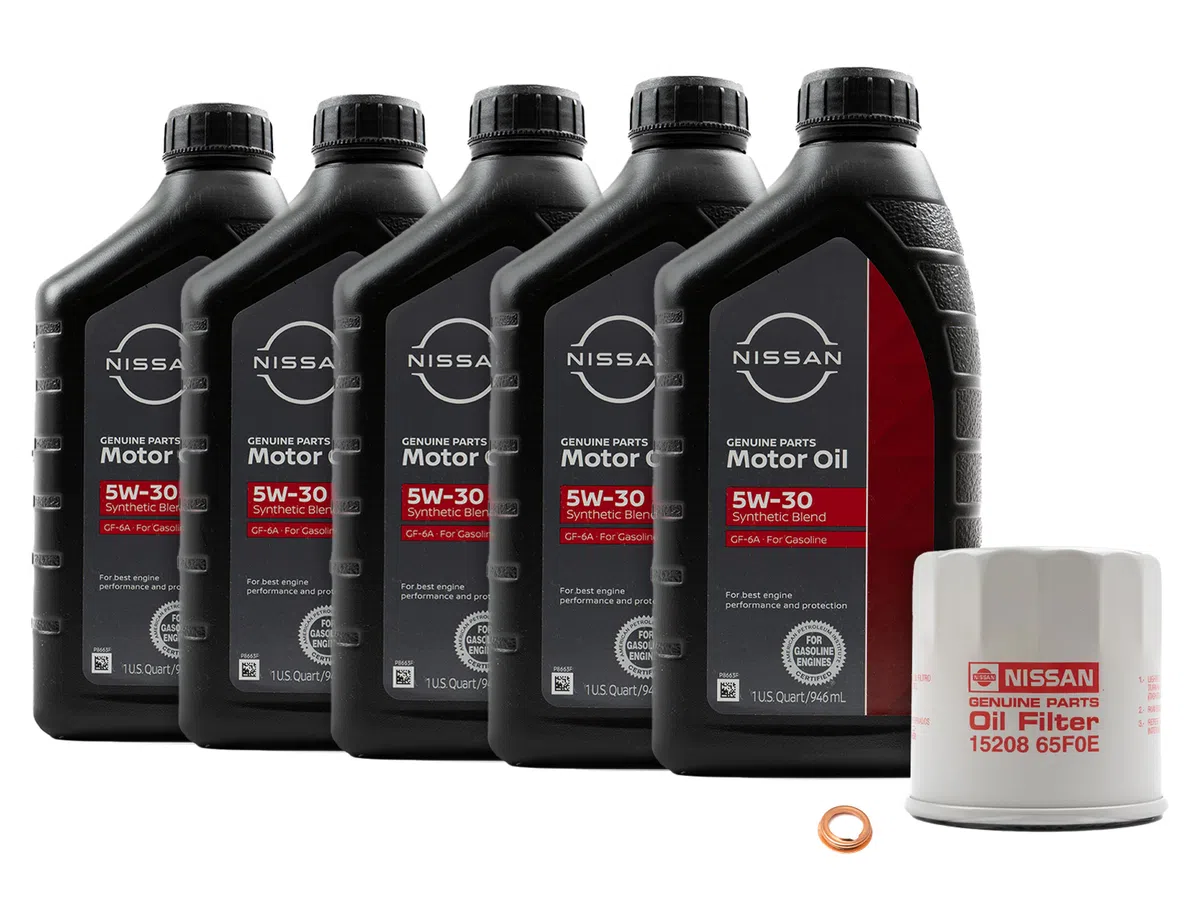
Using the correct oil type is just as important as the right amount. Here’s what Nissan recommends for most Maxima models:
- 2016–2023 Maxima: SAE 5W-30, full synthetic
- 2009–2015 Maxima: SAE 5W-30, synthetic or high-quality conventional
- 2004–2008 Maxima: SAE 5W-30, conventional or synthetic
- Pre-2004: SAE 5W-30 or SAE 10W-30, depending on climate
For best results, always use oil that meets or exceeds the API certification listed in your owner’s manual.
Synthetic Vs. Conventional Oil
- Synthetic oil resists breakdown, flows better in cold, and protects at high heat.
- Conventional oil costs less but requires more frequent changes.
Synthetic oil is usually worth the extra cost, especially for newer Maximas.
Example: Why 5w-30 Is Standard
The “5W” part means the oil flows well at cold temperatures (important for startups), while “30” means it’s thick enough to protect at engine operating temperature. Using a different grade can affect engine wear, fuel economy, and warranty coverage.
How To Change Oil In A Nissan Maxima: Step-by-step
Changing your own oil is a great way to save money and learn more about your car. Here’s a guide for most modern Maxima models (especially 2009+), but always check your manual for specific instructions.
Tools And Materials Needed
- Correct amount of engine oil (see capacity table above)
- Oil filter (specific to your Maxima’s year and engine)
- Wrench or socket set
- Oil catch pan
- Funnel
- Gloves and rags
- Car jack and stands (or ramps)
- New drain plug washer (optional but recommended)
Step-by-step Instructions
- Warm Up the Engine: Run for 2–3 minutes, then shut off. Warm oil drains faster.
- Secure the Vehicle: Park on level ground, set the parking brake, and use jack stands or ramps for safety.
- Drain Old Oil: Place catch pan under the drain bolt, unscrew with wrench, and let oil drain completely.
- Remove Oil Filter: Use an oil filter wrench if necessary. Some oil will spill—be ready with rags.
- Install New Filter: Lightly oil the new filter gasket, then screw on by hand until snug.
- Replace Drain Plug: Install with a new washer for best seal; tighten to specified torque (usually 22–29 ft-lbs).
- Add New Oil: Pour in the correct amount using a funnel. Wait a minute, then check dipstick and add if needed.
- Start Engine: Let it run for 1–2 minutes, then shut off and check for leaks under the car.
- Recheck Oil Level: After 5–10 minutes, check the dipstick again and top up if needed.
Disposal Tip: Recycle Used Oil
Never pour used oil down drains or on the ground. Most auto parts stores accept used oil for recycling.
Nissan Maxima Oil Capacity: Model Year Comparisons
Some Maxima owners want to know how their car’s oil capacity compares to other popular sedans or even between Maxima generations. Here’s a helpful comparison.
| Model | Engine | Oil Capacity (quarts) |
|---|---|---|
| Nissan Maxima (2022) | 3.5L V6 | 5.1 |
| Toyota Camry (2022) | 3.5L V6 | 6.4 |
| Honda Accord (2022) | 2.0L I4 Turbo | 4.6 |
| Hyundai Sonata (2022) | 2.5L I4 | 5.1 |
| Ford Fusion (2020) | 2.5L I4 | 5.7 |
As shown, the Maxima’s oil capacity is typical for a V6 sedan—less than the Camry’s V6, but more than many four-cylinder models.
Insight: Oil Capacity And Performance
Some drivers believe a higher oil capacity always means better protection. Actually, oil capacity is matched to the engine’s design. Overfilling does not add safety; it can cause harm. Nissan’s engineers chose 5. 1 quarts for a reason.
Common Oil-related Mistakes Nissan Maxima Owners Make
Even experienced drivers and DIY mechanics make mistakes when it comes to oil. Here are some of the most frequent errors:
- Overfilling or Underfilling: Always measure carefully. Use the dipstick as your final check.
- Using the Wrong Oil Grade: Double-check your owner’s manual before buying oil.
- Skipping the Filter Change: Some try to save money by not changing the oil filter. This can allow dirt and old oil to remain.
- Ignoring Oil Change Intervals: Waiting too long between changes leads to sludge and engine wear.
- Not Checking for Leaks: Always inspect under the car after an oil change.
- Using Poor-Quality Oil: Cheap, unbranded oil may lack proper additives and protection.
Pro Tip: Don’t Trust “universal” Filters
Some oil filters claim to fit many models, but always use one that is specifically recommended for your Maxima’s engine. The wrong filter can leak or allow dirt into the engine.

Symptoms Of Incorrect Oil Level In Your Maxima
If you have too much or too little oil, your car may give you some warning signs. Watch for:
- Oil Pressure Warning Light: Usually red or yellow on your dashboard.
- Engine Ticking or Knocking: Low oil can cause noisy lifters or bearings.
- Blue Smoke from Exhaust: Too much oil can get burned in the engine.
- Leaking Oil: Overfilled engines often push oil out through seals.
- Rough Idle or Poor Acceleration: Both overfilling and underfilling can cause performance problems.
If you notice any of these, stop and check your oil immediately.
How To Read Your Nissan Maxima Oil Dipstick Correctly
Reading the dipstick is easy, but there are a few details many people miss:
- Look for Two Marks: “L” (low) and “H” (high), or two holes/lines.
- Oil Should Be Between Marks: Below “L” is too little; above “H” is too much.
- Check After Sitting: Let the car sit 5–10 minutes after running before checking.
- Wipe, Insert, Pull: Always wipe clean first for an accurate reading.
Why Color And Smell Matter
If the oil is milky, it could mean coolant is leaking into the oil (a sign of engine trouble). If it smells burnt or feels gritty, it’s overdue for a change.
Nissan Maxima Oil Filter Types And How They Affect Capacity
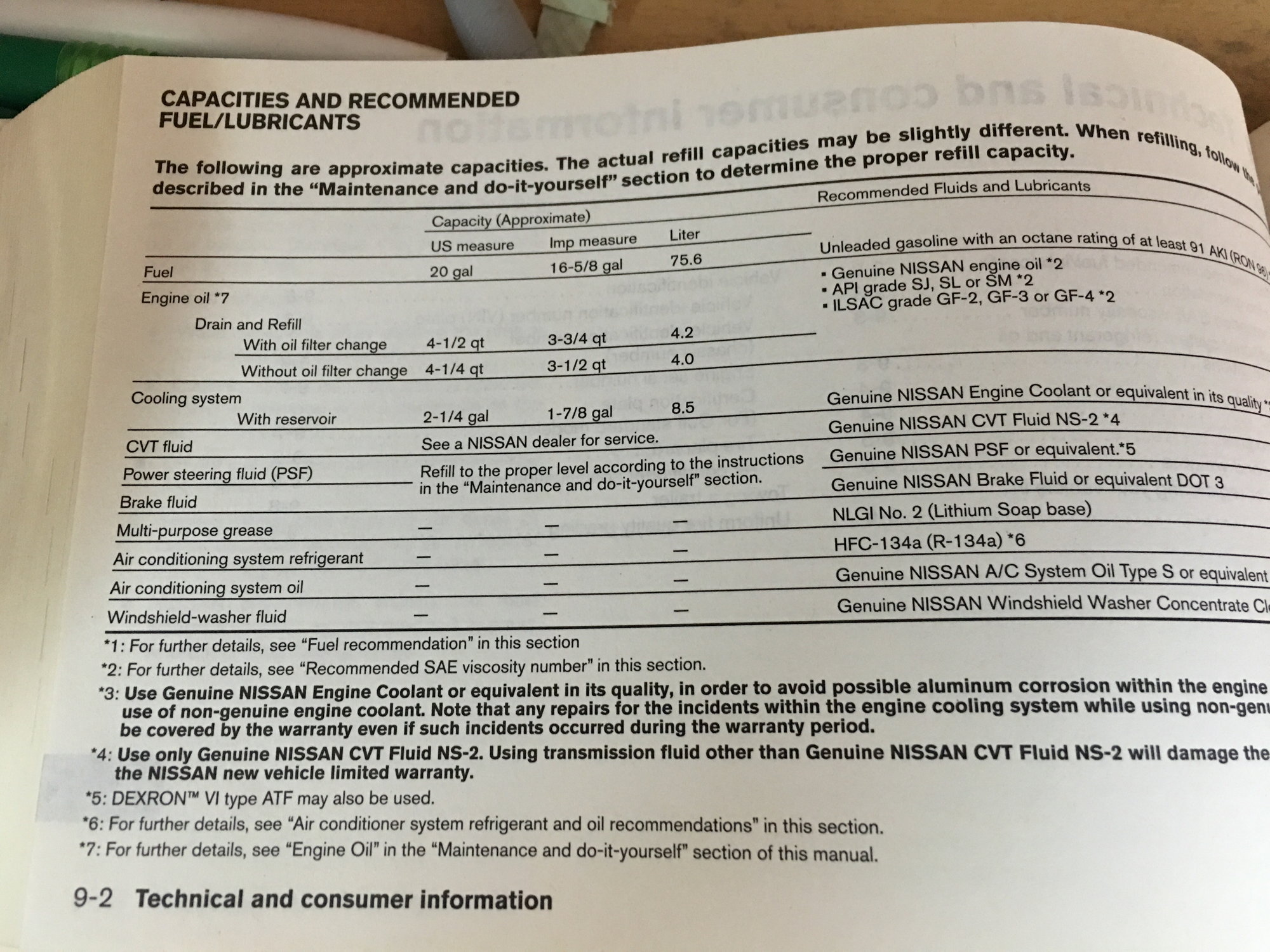
Not all oil filters are the same. The filter’s size and design can affect how much oil your engine needs. Here are the main types for Maxima models:
- Cartridge Filter: Used on some older models. Fits inside a permanent housing.
- Spin-On Filter: The most common for modern Maximas. It screws onto the engine block.
A larger filter may hold slightly more oil, but always use the recommended filter type and size for your year and engine.
Example: 2013 Maxima
Using a longer aftermarket filter might mean your engine holds 0. 1–0. 2 quarts more oil, but this is rarely necessary and not recommended unless Nissan specifies.
How Oil Capacity Connects To Engine Longevity
Keeping your Maxima’s oil at the right level and changing it on time is one of the best ways to make your engine last. Oil that is too old or at the wrong level can lead to:
- Sludge Build-Up: Dirty oil leaves deposits, clogging passages.
- Increased Wear: Metal parts grind together without enough oil.
- Overheating: Oil helps cool the engine; too little means higher temps.
- Poor Fuel Economy: Old or low oil makes the engine work harder.
Engines with regular oil changes, using the correct oil and capacity, can easily last over 200,000 miles.
Non-obvious Insight: Oil Capacity And Engine Upgrades
Some Maxima owners upgrade their engines with turbochargers or performance parts. These modifications may require a larger oil pan or different oil capacity. Always check with a professional before making changes.
Special Considerations For High-mileage Maximas
If your Maxima has over 100,000 miles, you may want to:
- Use high-mileage synthetic oil with special additives for seals.
- Check for oil leaks more often, as seals can shrink with age.
- Consider shorter oil change intervals, especially if you notice oil consumption.
High-mileage oils help reduce leaks and protect older engines, but always stay within the recommended capacity.
Nissan Maxima Oil Capacity And Warranty
If your Maxima is under warranty, always use the oil type, grade, and capacity listed in your owner’s manual. Using the wrong oil or too much/little can affect warranty coverage. Dealers may check your oil and filter during service visits, especially if you have an engine problem.
Tip: Save Your Oil Change Receipts
If you do your own oil changes, keep all receipts for oil and filters, plus a log of dates and mileage. This can help with warranty claims.
Nissan Maxima Oil Capacity: Climate And Driving Style
Oil capacity does not usually change with weather, but your oil change interval and type might. For example:
- Hot climates: Synthetic oil handles heat better and lasts longer.
- Frequent short trips: More frequent changes are needed, as oil doesn’t get hot enough to burn off moisture.
- High-speed driving: Increases oil consumption; check level more often.
No matter the climate, always refill to the correct capacity.
Trusted Resources For Nissan Maxima Oil Information
For technical data and updates, it’s best to use reliable sources. The Nissan owner’s manual remains the most accurate guide. For community support, forums like Maxima.org or the Wikipedia Nissan Maxima page provide insights from other owners.
Frequently Asked Questions
What Happens If I Put Too Much Oil In My Nissan Maxima?
Overfilling can cause the oil to foam, lose lubrication properties, and create extra pressure. This may lead to leaks, burning oil, or even engine damage. If you suspect you’ve added too much, drain the excess right away.
How Do I Know If My Oil Filter Needs Changing With Every Oil Change?
It is best practice to change the oil filter every time you change the oil. An old filter can leave dirty oil and contaminants in your engine. This is especially important for Maxima’s V6 engine, which relies on clean oil for tight clearances.
Can I Use 10w-30 Oil Instead Of 5w-30 In My Nissan Maxima?
Only if your owner’s manual says it is acceptable. In most climates, 5W-30 is recommended for modern Maximas because it flows better at cold start and provides enough protection when hot. Using 10W-30 may reduce cold-start protection.
How Often Should I Check My Nissan Maxima’s Oil Level?
Check your oil at least once a month, or before long trips. Frequent checks help catch leaks or slow oil consumption before they become serious problems.
Does The Nissan Maxima Use More Oil As It Gets Older?
Many engines use a bit more oil as they age, especially after 100,000 miles. This can be due to worn seals or piston rings. If your Maxima’s oil level is dropping quickly between changes, have it checked for leaks or burning oil.
Keeping your Nissan Maxima’s oil at the right capacity, using the recommended oil type, and changing it at the right intervals are some of the easiest ways to protect your investment. With the correct information and a little attention, your Maxima will reward you with smooth, reliable performance for many miles to come.