
The Ford Fusion is a popular sedan known for its comfort, reliability, and efficient performance. One of the most important aspects of keeping your Fusion running smoothly is using the right oil type and knowing the exact oil capacity for your specific model year and engine.
Oil is the lifeblood of any vehicle’s engine—it lubricates moving parts, reduces friction, and helps keep the engine cool. But using the wrong oil or overfilling/underfilling can lead to problems and even damage your car over time. Whether you’re a new Ford Fusion owner or someone who wants to do their own maintenance, understanding these details can save you money and increase your car’s lifespan.
If you’ve ever been confused by oil types like 5W-20 or 0W-30, or wondered why your owner’s manual lists different oil capacities for different engines, you’re not alone. Many drivers overlook these details, but small mistakes can affect performance, fuel economy, and even your warranty. In this article, you’ll learn everything you need to know about Ford Fusion oil type and capacity—with clear explanations, real numbers, practical advice, and expert tips to make sure you get it right every time.
Why Engine Oil Matters For The Ford Fusion
Engine oil is more than just a fluid—it’s a critical part of your Ford Fusion’s health. The right oil type ensures:
- Lubrication: Reduces friction between moving parts.
- Cooling: Helps disperse heat away from the engine.
- Cleaning: Carries away dirt and contaminants.
- Protection: Prevents rust and corrosion.
- Sealing: Helps seal gaps between piston rings and cylinder walls.
Choosing the correct oil type and amount is especially important for modern engines, which are designed with tighter tolerances and advanced technologies.
Common Issues From Wrong Oil Or Capacity
Many Fusion owners make mistakes with oil. Here are some common problems:
- Using the wrong viscosity: Too thick or too thin oil can lead to poor lubrication, increased wear, and even engine damage.
- Overfilling: Too much oil increases pressure, causing leaks or seal failures.
- Underfilling: Too little oil leads to overheating and more friction.
- Mixing oil types: Mixing synthetic and conventional oils can reduce effectiveness.
Even experienced drivers sometimes overfill their oil during a DIY oil change, not realizing that small differences (even half a quart) can make a big impact on engine health.
Ford Fusion Engines: A Quick Overview
The Ford Fusion has been produced from 2006 to 2020 in North America. Over the years, it has offered several engine options, each with specific oil requirements. The most common engines include:
- 2.5L Duratec I4
- 1.5L EcoBoost I4
- 1.6L EcoBoost I4
- 2.0L EcoBoost I4
- 2.7L EcoBoost V6
- 3.0L Duratec V6
- 3.5L Duratec V6
- 2.0L Atkinson Hybrid/Plug-in Hybrid
Each engine has unique needs. Using the wrong oil for your specific engine can affect performance and may void your warranty.
Ford Fusion Oil Type And Capacity By Year And Engine
Let’s break down the recommended oil types and capacities for the most common Ford Fusion models. Always double-check with your owner’s manual, as there can be slight changes in late or early production models.
2006–2009 Ford Fusion
| Engine | Oil Type | Capacity (with filter) |
|---|---|---|
| 2.3L Duratec I4 | 5W-20 | 4.5 quarts (4.3 liters) |
| 3.0L Duratec V6 | 5W-20 | 6.0 quarts (5.7 liters) |
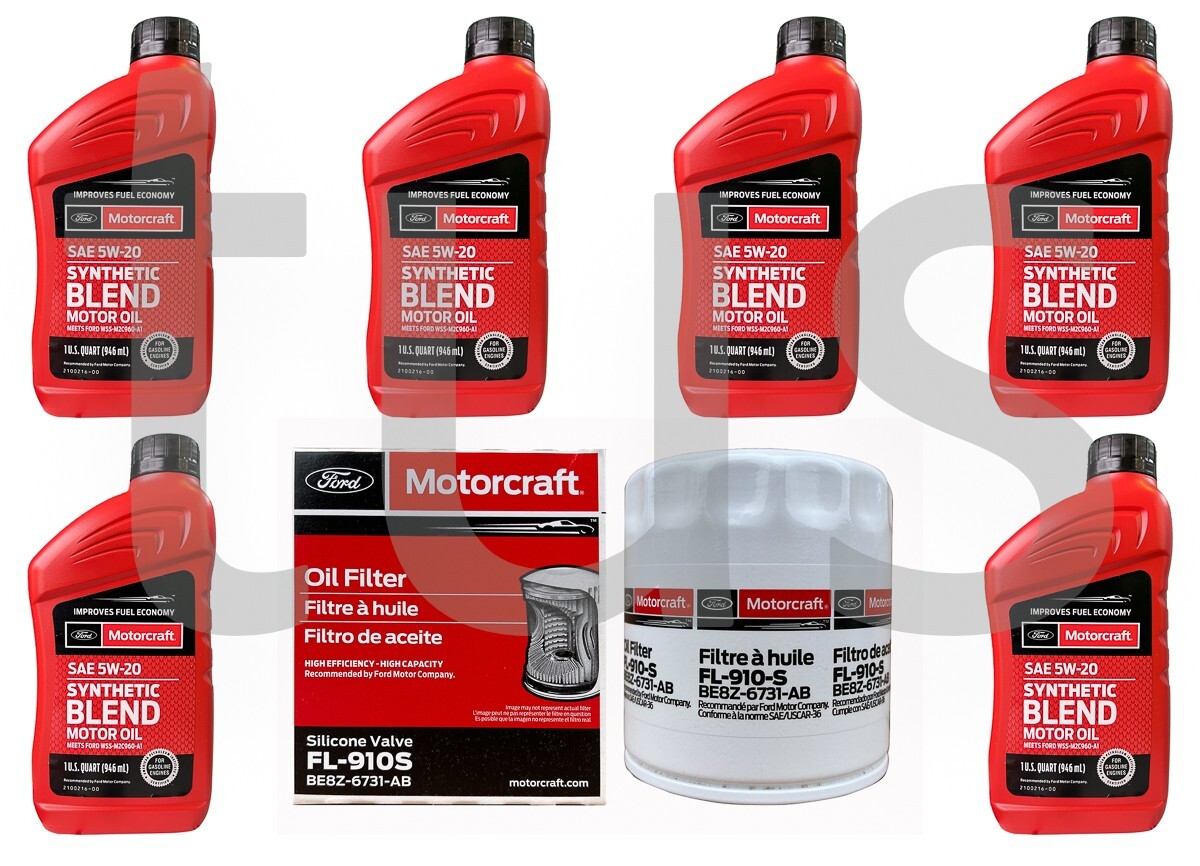
- Best oil: For both engines, Ford recommends SAE 5W-20 synthetic blend for best fuel economy and protection.
- Tip: Always replace the oil filter when changing oil to maintain cleanliness.
2010–2012 Ford Fusion
| Engine | Oil Type | Capacity (with filter) |
|---|---|---|
| 2.5L Duratec I4 | 5W-20 | 5.3 quarts (5.0 liters) |
| 3.0L Duratec V6 | 5W-20 | 6.0 quarts (5.7 liters) |
| 3.5L Duratec V6 | 5W-20 | 6.0 quarts (5.7 liters) |
| 2.5L Hybrid | 5W-20 | 4.5 quarts (4.3 liters) |
- Hybrid Note: The hybrid system uses less oil due to its unique engine design and frequent engine shutdowns.
- Oil filter: Always ensure you are using a filter rated for your engine size.
2013–2020 Ford Fusion
During these years, Ford introduced new EcoBoost turbocharged engines and hybrids. Oil type and capacity can vary more, so accurate information is crucial.
| Engine | Oil Type | Capacity (with filter) |
|---|---|---|
| 2.5L Duratec I4 | 5W-20 | 5.7 quarts (5.4 liters) |
| 1.5L EcoBoost I4 | 5W-20 | 4.3 quarts (4.1 liters) |
| 1.6L EcoBoost I4 | 5W-20 | 4.3 quarts (4.1 liters) |
| 2.0L EcoBoost I4 | 5W-30 | 5.7 quarts (5.4 liters) |
| 2.7L EcoBoost V6 | 5W-30 | 6.0 quarts (5.7 liters) |
| 2.0L Atkinson Hybrid | 5W-20 | 4.5 quarts (4.3 liters) |
| 2.0L Atkinson Plug-in Hybrid | 5W-20 | 4.5 quarts (4.3 liters) |
- EcoBoost engines: Require synthetic oil for turbo protection and better high-temperature performance.
- 5W-30 or 5W-20? : Always follow your engine’s label. The 2.0L and 2.7L EcoBoost engines switched to 5W-30 for better turbo lubrication.
- Hybrid/Plug-in: These engines run cooler and use less oil, but regular changes are still crucial for longevity.
Oil Type Explained: What Does 5w-20 Or 5w-30 Mean?
Many drivers see numbers like 5W-20 or 5W-30 and feel confused. These numbers are the oil’s viscosity rating, telling you how thick or thin the oil is in different temperatures.
- First number (5W): Indicates how oil flows in cold weather (the “W” stands for winter). Lower numbers mean better flow when starting the engine in cold temperatures.
- Second number (20 or 30): Shows how the oil flows when hot. Higher numbers mean thicker oil at engine operating temperature.
For example, 5W-20 oil is thinner at high temperatures than 5W-30. Thinner oil helps newer engines with tight spaces, while thicker oil can protect older engines or turbocharged models that get hotter.
Synthetic Vs. Conventional Oil For Ford Fusion
Most modern Ford Fusions recommend or require synthetic or synthetic blend oil. Here’s why:
- Synthetic Oil: Made from chemical compounds for the best performance. It resists breaking down at high temperatures, flows better in cold, and protects engines longer.
- Synthetic Blend: A mix of synthetic and traditional oil. Better than conventional, but not as strong as full synthetic.
- Conventional Oil: Made from crude oil. Cheaper, but breaks down faster and doesn’t protect as well in modern engines.
Tip: For any Ford Fusion with a turbocharged EcoBoost engine, always use full synthetic oil for maximum protection.
Oil Capacity: Why Precise Measurement Matters
Adding the right amount of oil is more important than many think. Too much or too little can cause real problems.
- Overfilling: Can cause foaming, increased pressure, and leaks. Extra oil can get whipped by moving parts and create bubbles—reducing lubrication.
- Underfilling: Not enough oil means poor lubrication and overheating, especially on long drives.
Practical advice: Always check your oil with the dipstick after filling. Run the engine for 30 seconds, shut it off, then wait a minute before checking. Add oil in small amounts until the level is perfect.
Ford Fusion Oil Change Intervals
How often should you change the oil in your Fusion? This depends on your engine, your driving style, and the oil type you use.
- Conventional oil: Every 3,000–5,000 miles (4,800–8,000 km)
- Synthetic blend: Every 5,000–7,500 miles (8,000–12,000 km)
- Full synthetic: Up to 10,000 miles (16,000 km), but check your manual
For turbocharged EcoBoost engines, oil breaks down faster under heat and pressure, so don’t stretch intervals too far. Hybrids can go longer between changes, but it’s still important to follow Ford’s recommendations.
Special Oil Needs For Ford Fusion Hybrid And Plug-in Hybrid
Ford Fusion hybrid models use an Atkinson-cycle engine, which operates differently from traditional gasoline engines. They often start and stop the engine, meaning oil can get contaminated faster with fuel and moisture.
- Oil type: Always use 5W-20 synthetic blend or full synthetic, as recommended by Ford.
- Capacity: 4.5 quarts (4.3 liters) for most hybrid and plug-in hybrid models.
- Change interval: Ford suggests every 10,000 miles (16,000 km) or once a year, whichever comes first—but many experts recommend every 7,500 miles (12,000 km) for best protection.
Non-obvious insight: Because hybrids run their engines less often, it’s easy to forget oil changes. But oil can age due to time, not just mileage, so don’t ignore the calendar.
Ford Fusion Oil Filter Choices
The oil filter is just as important as the oil itself. A good filter traps dirt, metal particles, and sludge, keeping your engine clean.
- OEM filter: Ford’s Motorcraft filters are built to match your Fusion’s engine, with the right filtration and flow rate.
- Aftermarket filters: Brands like Fram, Bosch, and Wix make quality filters. Always choose one rated for your engine size and year.
- Tip: Avoid the cheapest filters, as they can clog faster or let dirt through, reducing oil life and engine protection.
Non-obvious insight: Some high-performance oil filters can extend oil change intervals by holding more contaminants, but never ignore the manufacturer’s recommended change schedule.
How To Check And Add Oil To Your Ford Fusion
Checking and adding oil is simple, but there are a few steps you should always follow:
- Park on a level surface: This ensures an accurate reading.
- Wait for the engine to cool: Hot oil expands and can give a false reading.
- Locate the dipstick: It usually has a yellow or orange handle.
- Pull out, wipe, reinsert, and read: The oil should be between the MIN and MAX marks.
- If low, add oil slowly: Use a funnel, add half a quart, wait a minute, then recheck.
- Don’t overfill: Stop when oil reaches the upper mark.
Extra tip: Always check oil level after an oil change. Sometimes, oil takes time to flow into every part of the engine, especially if you’ve changed the filter.
Oil Change Diy: Step-by-step Guide For Ford Fusion
Doing your own oil change can save money and help you spot problems early. Here’s a simple process for most Fusion models:
- Gather tools and supplies: New oil, new filter, wrench, oil drain pan, funnel, gloves, and a new drain plug washer (if needed).
- Warm up the engine: Run for 5 minutes to thin the oil.
- Lift the car: Use ramps or jack stands for safety.
- Remove drain plug: Place the pan under the oil pan, and unscrew the plug. Let oil drain completely.
- Replace the oil filter: Use an oil filter wrench if needed. Rub a little new oil on the gasket of the new filter.
- Install new filter and plug: Tighten both securely but don’t over-tighten.
- Add new oil: Pour slowly, check the dipstick frequently to avoid overfilling.
- Start the engine: Run for 30 seconds, check for leaks, then shut off and recheck the oil level.
- Dispose of old oil properly: Many auto parts stores accept used oil for recycling.
Safety tip: Always let the engine cool before starting to avoid burns.
How To Choose The Best Oil Brand For Ford Fusion
Not all oils are created equal. Here’s what really matters:
- API certification: Look for the “API Donut” seal. It shows the oil meets industry standards.
- Ford WSS-M2C945-A/B approval: Many Ford engines require oil that meets this specific Ford standard.
- Brand reputation: Stick with well-known brands like Motorcraft, Mobil 1, Castrol, or Valvoline.
- Synthetic or synthetic blend: For EcoBoost and modern Fusions, full synthetic is best.
Common mistake: Some drivers choose the cheapest oil on sale, not realizing it may lack important additives or Ford approvals.

Ford Fusion Oil Capacity Chart (all Years And Engines)
Here’s a handy summary to help you quickly find your Fusion’s oil capacity and type.
| Model Year | Engine | Oil Type | Capacity (with filter) |
|---|---|---|---|
| 2006-2009 | 2.3L I4 | 5W-20 | 4.5 qt (4.3L) |
| 2006-2009 | 3.0L V6 | 5W-20 | 6.0 qt (5.7L) |
| 2010-2012 | 2.5L I4 | 5W-20 | 5.3 qt (5.0L) |
| 2010-2012 | 3.0L V6 | 5W-20 | 6.0 qt (5.7L) |
| 2010-2012 | 3.5L V6 | 5W-20 | 6.0 qt (5.7L) |
| 2010-2012 | 2.5L Hybrid | 5W-20 | 4.5 qt (4.3L) |
| 2013-2020 | 2.5L I4 | 5W-20 | 5.7 qt (5.4L) |
| 2013-2020 | 1.5L EcoBoost | 5W-20 | 4.3 qt (4.1L) |
| 2013-2020 | 1.6L EcoBoost | 5W-20 | 4.3 qt (4.1L) |
| 2013-2020 | 2.0L EcoBoost | 5W-30 | 5.7 qt (5.4L) |
| 2017-2020 | 2.7L EcoBoost | 5W-30 | 6.0 qt (5.7L) |
| 2013-2020 | 2.0L Hybrid/Plug-in | 5W-20 | 4.5 qt (4.3L) |
Practical Tips For Ford Fusion Oil Maintenance
- Stick to one oil brand: Switching brands often isn’t harmful, but sticking to one can help the engine stay clean and consistent.
- Use the right funnel: A clean, dedicated funnel prevents dirt or leftover oil from entering your engine.
- Check for leaks: After each oil change, look under your car for drips.
- Monitor oil color and smell: Dark, dirty, or burnt-smelling oil should be changed sooner.
- Reset the oil change reminder: Most Fusions have a dashboard reminder. Reset it after every change to keep your maintenance on track.
Extra insight: If your Fusion sees lots of short trips, the oil may not get hot enough to burn off moisture, so more frequent changes are smart.
Ford Fusion Oil-related Problems To Watch For
Even with the best oil and care, issues can happen. Here are a few warning signs:
- Oil warning light: Stop and check your oil level immediately.
- Engine knocking: Could be a sign of low or old oil.
- Blue smoke from exhaust: Oil may be burning—could mean worn piston rings or valve seals.
- Oil leaks on driveway: Check the drain plug, filter, and gaskets.
If you notice any of these, address them right away to avoid expensive repairs.
Where To Find Official Ford Fusion Oil Specifications
The most reliable source for your Fusion’s exact oil type and capacity is your owner’s manual. If you’ve lost it, you can find digital versions on the official Ford website or trusted sources like the Ford Fusion Wikipedia page for general information.
Many oil brands also have online tools where you enter your car’s year, make, and model to get recommendations. But always double-check with official Ford data for accuracy.
Frequently Asked Questions
What Happens If I Use 5w-30 Instead Of 5w-20 In My Ford Fusion?
Using 5W-30 instead of 5W-20 can make the oil thicker at operating temperature. For some engines, this is fine (like the 2.0L EcoBoost that requires 5W-30), but for engines designed for 5W-20, it can reduce fuel economy and may not lubricate as well in tight spaces. Always use the oil weight Ford recommends for your engine.
Can I Switch From Conventional To Synthetic Oil In My Ford Fusion?
Yes, you can switch from conventional to synthetic oil at any time. Synthetic oil offers better protection and lasts longer. Just make sure you use the correct viscosity and change your oil filter when you switch.
How Do I Know If My Ford Fusion Has An Ecoboost Engine?
Check your owner’s manual, look under the hood (EcoBoost badges are often on the engine cover), or find your VIN and use an online VIN decoder. EcoBoost engines are turbocharged and require synthetic oil for best protection.
How Often Should I Check My Oil Level?
It’s smart to check your oil at least once a month or before long trips. If your Fusion is older or has high mileage, check more often to spot leaks or burning oil early.
What Should I Do If I Accidentally Overfill My Engine Oil?
If you add too much oil, don’t drive your car. Too much oil can cause damage. Drain the excess oil until the level is between MIN and MAX on the dipstick. If you’re unsure, visit a mechanic for help.
Taking care of your Ford Fusion’s oil needs is one of the best ways to ensure a long, reliable life for your car. With the right oil type, proper capacity, and regular maintenance, your Fusion will serve you well for many miles to come.