
The Nissan Sentra is one of the most recognizable compact sedans on the road today. For decades, it has earned a reputation for reliability, comfort, and reasonable maintenance costs. But while many drivers appreciate its smooth ride and fuel efficiency, fewer pay attention to a simple but crucial detail: oil capacity. Choosing the right amount of oil, and knowing when to change it, can extend the life of your Sentra’s engine and save you money on repairs. Yet, oil capacity is not the same for every Sentra. It changes by model year, engine type, and even driving conditions.
If you’re unsure about how much oil your Nissan Sentra needs, you’re not alone. Many drivers overlook this detail until it’s too late. Using too little or too much oil can both lead to engine problems. In this guide, you’ll discover everything you need to know about Nissan Sentra oil capacity: exact numbers for each engine, why it matters, how to check and refill oil, common mistakes, practical tips, and much more. Whether you’re a seasoned DIYer or just want to ask smarter questions at the service shop, you’ll walk away with clear, actionable knowledge.
Why Oil Capacity Matters For Your Nissan Sentra
The oil capacity of a car is the total volume of engine oil required for safe, efficient operation. For the Nissan Sentra, proper oil capacity is more than a number—it’s essential for:
- Protecting the engine: Oil lubricates moving parts, reducing friction and wear. Too little oil leaves parts unprotected, while too much can foam or leak.
- Cooling internal components: Oil carries heat away from pistons, valves, and bearings. Low oil means hotter parts, which can warp or seize.
- Cleaning out debris: Oil picks up tiny particles and carries them to the filter. Not enough oil means less cleaning, which leads to faster buildup.
- Ensuring proper pressure: Modern engines rely on oil pressure for variable valve timing and hydraulic lifters. Wrong oil levels can trigger warning lights or poor performance.
Ignoring oil capacity isn’t a small mistake. It shortens engine life, increases fuel usage, and may even void your warranty. Understanding your specific Sentra’s needs is a smart move.
Nissan Sentra Oil Capacity By Model Year And Engine
Over the years, the Nissan Sentra has been offered with several engines. Each has a unique oil capacity. Below, you’ll find a detailed breakdown of oil capacities for the most common Sentra engines from 2000 to 2024. These numbers include the oil filter, as is standard practice.
2000–2006 Nissan Sentra
During these years, two main engines were common: the 1.8L 4-cylinder and the 2.5L 4-cylinder (SE-R).
| Model Year | Engine | Oil Capacity (with filter) | Oil Type |
|---|---|---|---|
| 2000–2006 | 1.8L QR18DE | 2.9 qt (2.7 L) | 5W-30 |
| 2000–2006 | 2.5L QR25DE (SE-R) | 4.5 qt (4.3 L) | 5W-30 |
A common mistake with these engines is overfilling. The difference between the low and high marks on the dipstick is only about 0. 5 quarts, so pour slowly when refilling.
2007–2012 Nissan Sentra
The 2.0L MR20DE engine became the standard. For the SE-R and SE-R Spec V, the 2.5L QR25DE remained an option.
- 2.0L MR20DE: 4.2 qt (4.0 L) with filter
- 2.5L QR25DE: 4.5 qt (4.3 L) with filter
Most owners find the MR20DE easier to service due to its more accessible oil filter location. However, always check the filter type—some aftermarket filters are taller and may slightly change the total needed.
2013–2019 Nissan Sentra
The Sentra moved to the 1.8L MRA8DE engine for all trims:
- 1.8L MRA8DE: 4.2 qt (4.0 L) with filter
This engine is known for being sensitive to oil quality. Regular changes with the right amount keep it smooth and quiet.
2020–2024 Nissan Sentra
The latest Sentra uses the 2.0L MR20DD direct-injection engine:
- 2.0L MR20DD: 4.8 qt (4.5 L) with filter
Direct-injection engines like the MR20DD run hotter and generate more contaminants. The increased oil capacity helps manage this, but it’s even more important not to overfill. Stick to the recommended amount.
Comparing Oil Capacities By Engine
To make things clearer, here’s a summary table:
| Engine | Years Used | Oil Capacity | Notes |
|---|---|---|---|
| 1.8L QR18DE | 2000–2006 | 2.9 qt (2.7 L) | Smallest capacity; check dipstick carefully |
| 2.0L MR20DE | 2007–2012 | 4.2 qt (4.0 L) | Standard for most Sentras |
| 1.8L MRA8DE | 2013–2019 | 4.2 qt (4.0 L) | All trims, sensitive to oil quality |
| 2.0L MR20DD | 2020–2024 | 4.8 qt (4.5 L) | Direct injection; do not overfill |
| 2.5L QR25DE | 2000–2012 | 4.5 qt (4.3 L) | SE-R and SE-R Spec V models |
How To Check Your Sentra’s Oil Level
Checking your engine oil level is one of the easiest ways to protect your car. Here’s how to do it right:
- Park on a level surface and turn off the engine.
- Wait at least 5–10 minutes for oil to drain back into the pan.
- Pull out the dipstick (usually with a yellow or orange handle).
- Wipe it clean with a paper towel or rag.
- Reinsert the dipstick fully, then pull it out again.
- Check the oil level. It should be between the Low and High (or Min and Max) marks.
- If the level is near or below the Low mark, add oil. If it’s above the High mark, some oil needs to be removed.
Two insights most new owners miss:
- The “add” and “full” marks on the dipstick are usually less than a quart apart. Adding a full quart when only slightly low can cause overfilling.
- Oil color is not always a good indicator of oil life. Modern oils can turn dark quickly but still protect well. Trust the maintenance schedule and oil life monitor.
How To Add Or Change Oil In A Nissan Sentra
Performing an oil change or topping off oil in your Sentra doesn’t require advanced skills, but a few details make a difference.
Materials You’ll Need
- Correct engine oil (see owner’s manual or section above)
- New oil filter
- Oil drain pan
- Funnel
- Wrench (usually 14mm or 17mm for drain plug)
- Rag or gloves
Step-by-step Oil Change Instructions
- Warm up the engine slightly (2–3 minutes is enough). This helps old oil drain faster.
- Raise the front of the car with ramps or a jack and secure with jack stands.
- Place your oil pan under the drain plug.
- Remove the drain plug and allow oil to drain fully.
- Remove the old oil filter (use an oil filter wrench if tight).
- Rub a bit of new oil on the gasket of the new filter.
- Install the new filter by hand (do not overtighten).
- Replace the drain plug, tightening to spec (usually 22–29 ft-lbs).
- Pour in the correct amount of new oil. Go slow as you approach the full amount.
- Start the engine for 30 seconds, then turn it off and check for leaks.
- Check the oil level with the dipstick. Add small amounts if needed to reach the correct mark.
Practical tip: Always double-check the filter and drain plug for leaks after the first drive. A loose filter or plug is the number one cause of oil leaks after a home oil change.
Choosing The Right Oil For Your Sentra
Oil capacity is only half the story. The type of oil you use also matters. Nissan recommends:
- 5W-30 for most older Sentras (up to 2019)
- 0W-20 for the 2020–2024 Sentra (MR20DD engine)
Always use API SN or newer specification oils. Synthetic oil is recommended for modern engines, especially those with direct injection.
Common mistake: Mixing oil types (synthetic and conventional) is usually safe, but always stick to one type for best results. Switching brands is fine as long as the grade and specs match.
Oil Filter Considerations
An often-overlooked detail is the oil filter. Using a filter that’s too small or too large can slightly change the total oil needed, and may even cause leaks or poor filtration.
- Stick to OEM or high-quality aftermarket filters.
- If your filter is taller or shorter than stock, check the oil level after refill and adjust as needed.
- Change the filter with every oil change—reusing the old filter leads to faster oil contamination.
Factors That Affect Oil Capacity
While factory specs are a starting point, a few factors can influence how much oil your engine actually needs.
1. Oil Filter Size
Some aftermarket filters have a different internal volume. Always check the dipstick after filling the recommended amount.
2. Engine Wear
Older engines sometimes consume oil or have larger internal gaps. If you notice the oil level dropping between changes, check for leaks or burning oil.
3. Driving Habits
Frequent short trips cause more fuel and water to mix with the oil, sometimes requiring more frequent changes (but not more oil per change).
4. Temperature
Extreme cold or heat won’t change the amount of oil needed, but using the recommended viscosity (like 0W-20 in cold climates) is critical.
What Happens If You Use The Wrong Oil Capacity?
Both too much and too little oil can damage your Nissan Sentra.
Too Little Oil
- Insufficient lubrication: Parts rub dry, causing quick wear.
- Overheating: Oil can’t carry heat away.
- Warning lights: Oil pressure light may flash or stay on.
If you notice engine noise, ticking, or the oil light, stop the engine immediately and check the level.
Too Much Oil
- Aeration (foaming): Crankshaft whips air into the oil, reducing its ability to lubricate.
- Oil leaks: Excess pressure can force oil past gaskets and seals.
- Catalytic converter damage: Overflowing oil can reach the exhaust, ruining the converter.
If you accidentally overfill, drain some oil out. Driving with too much oil is risky—even one extra quart can cause problems.

Maintenance Schedule For Oil Changes
Nissan generally recommends changing oil every 5,000 to 7,500 miles (8,000 to 12,000 km), depending on driving conditions. Extreme conditions—lots of stop-and-go, short trips, or high heat—mean you should change oil closer to 5,000 miles.
Insight: The oil life monitor in newer Sentras is a helpful guide, but always check your oil at least once a month. Monitors can fail or be reset accidentally.
Signs You Need An Oil Change
Don’t just rely on the mileage. Look out for these signs:
- Oil change warning light appears on the dash
- Oil feels gritty or smells burnt on the dipstick
- Engine becomes noisier or develops a ticking sound
- Exhaust smoke increases or turns blue
- Oil level drops noticeably between changes
If you’re unsure, it’s safer to change early than to risk engine wear.
Environmental And Cost Considerations
Proper oil changes not only protect your Sentra but also the environment.
- Never dump oil: Used oil is toxic. Most auto parts stores accept used oil for free.
- Synthetic oils last longer: They reduce waste and need fewer changes.
- DIY saves money: Changing your own oil can cost half as much as a shop visit, and gives you peace of mind.
Model-specific Advice
Each Sentra generation has unique quirks:
- 2000–2006: Watch for oil leaks around the timing chain cover. Check oil every 1,000 miles if the car has over 100,000 miles.
- 2007–2012: The MR20DE engine is reliable, but some owners report oil consumption as the engine ages. Check monthly.
- 2013–2019: The MRA8DE’s CVT transmission is sensitive to low engine oil, which can affect performance. Never run low.
- 2020–2024: The MR20DD likes high-quality synthetic oil. Follow the oil life monitor, but check the dipstick monthly, especially in hot climates.
How To Avoid Common Oil Capacity Mistakes
Many Sentra owners make the same errors. Here’s how to avoid them:
- Don’t “eyeball” the refill: Always measure. Use the recommended amount, then check with the dipstick.
- Replace the filter every time: Old filters contaminate new oil quickly.
- Use the right oil weight: 5W-30 or 0W-20 as recommended.
- Tighten the drain plug and filter properly: Overtightening can strip threads; undertightening causes leaks.
- Reset the oil change reminder: Forgetting this step can leave you guessing when the next change is due.
Real-world Example: 2022 Nissan Sentra Oil Change
Let’s walk through a typical oil change for a 2022 Nissan Sentra (2.0L MR20DD engine).
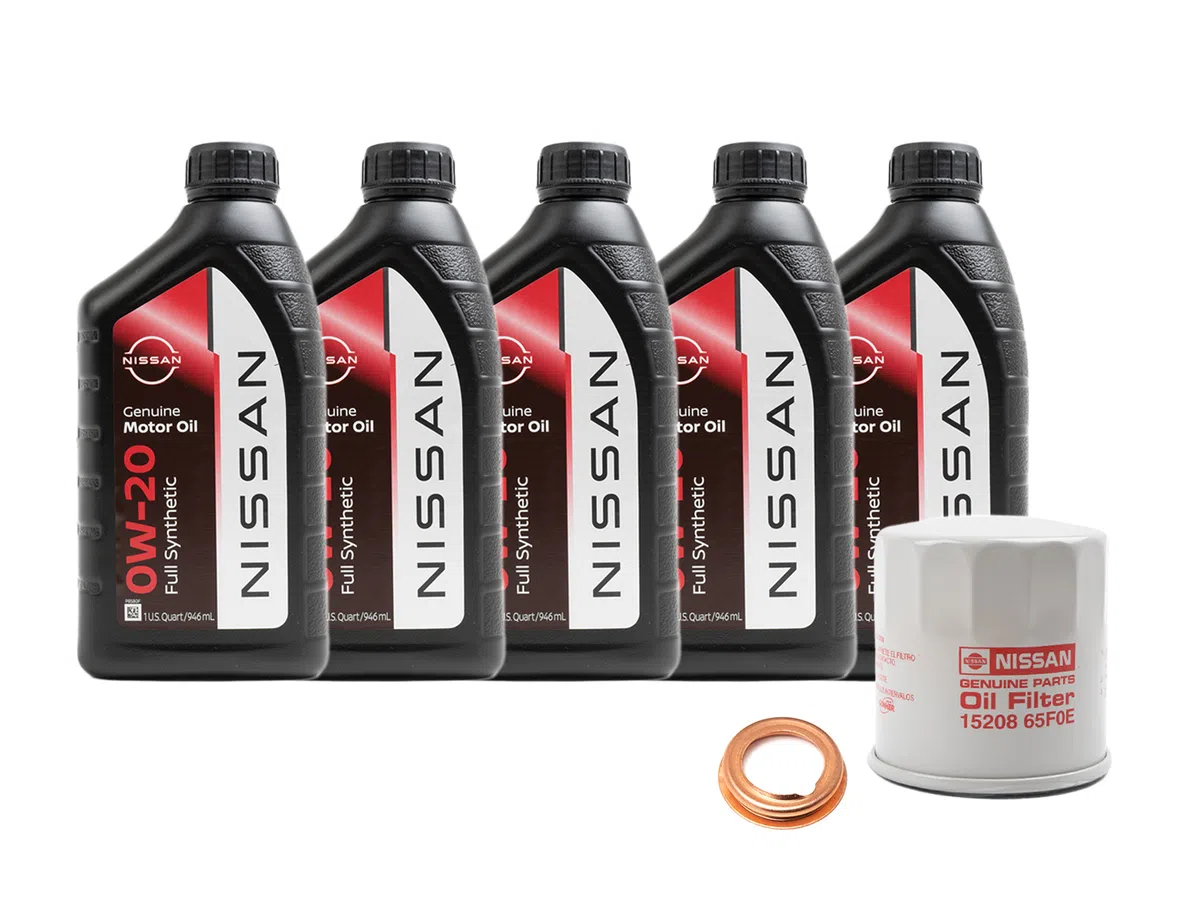
- Oil needed: 4.8 quarts (4.5 liters) of 0W-20 synthetic oil
- Oil filter: Nissan 15208 65F0E or equivalent
- Steps: Warm up the engine, drain old oil, replace filter, add new oil, check level, look for leaks, reset oil life monitor.
Most owners report the process takes about 30 minutes, and the only tricky part is reaching the oil filter (located low on the engine). Using a filter wrench and gloves makes the job easier.
Tip: Always pour in 4.5 quarts, check the level, and add the final 0.3 quarts slowly to avoid overfilling.

Where To Find Reliable Oil Capacity Information
For accuracy, your owner’s manual is the best source. It lists oil type, capacity, and filter specs. If you lost your manual, Nissan’s official website or trusted resources like Wikipedia provide detailed specifications.
Be cautious with internet forums—while helpful, they sometimes give incorrect numbers or advice based on different engines.
Frequently Asked Questions
What Is The Oil Capacity For A 2015 Nissan Sentra?
The 2015 Sentra uses the 1.8L MRA8DE engine. Its oil capacity is 4.2 quarts (4.0 liters) with a new oil filter installed. Always check the dipstick after filling.
Can I Use 5w-30 Oil In My 2020+ Nissan Sentra?
No, Nissan recommends 0W-20 synthetic oil for the 2020 and newer Sentra models with the 2.0L MR20DD engine. Using 5W-30 can affect engine performance and may void your warranty.
What Happens If I Overfill My Sentra’s Engine Oil?
Overfilling can cause foaming, oil leaks, and even engine damage. If you accidentally add too much, drain the excess until the level is between the dipstick marks.
How Often Should I Check My Oil Level?
Check your oil level at least once a month and before any long trips. Older Sentras or those with higher mileage may need more frequent checks.
Do I Need To Change The Oil Filter Every Time I Change The Oil?
Yes, always replace the oil filter with every oil change. An old filter leaves contaminants in the engine and reduces the life of new oil.
Understanding and maintaining the right Nissan Sentra oil capacity is one of the simplest ways to keep your car running well for years. With a few basic checks and careful attention to the numbers, you’ll avoid costly engine problems and enjoy a quieter, more reliable drive. Whether you change your oil yourself or visit a trusted shop, always double-check your oil level and follow the advice for your specific model. Your Sentra—and your wallet—will thank you.