
If you own a Ford NAA tractor or plan to work on one, understanding its oil capacity is essential. The Ford NAA, also known as the “Golden Jubilee,” is a classic tractor model produced in the early 1950s. Many of these machines are still running strong today, thanks to their simple yet solid design. But keeping an old tractor in good shape requires regular maintenance, especially when it comes to oil changes. The right oil type and amount ensure the engine, transmission, and hydraulics work smoothly and last longer.
Yet, many first-time owners, and even some experienced mechanics, get confused about the exact oil capacities for different parts of the NAA. There are also important differences between engine oil, transmission fluid, and hydraulic oil in this tractor. If you use the wrong type or amount, you could face leaks, reduced performance, or even severe engine damage.
This guide will cover every detail you need to know about the Ford NAA oil capacity. You’ll learn the correct numbers for each system, how to check and fill fluids, what oil types are best, and what mistakes to avoid. We’ll also include practical tables, tips, and answers to common questions, so you can keep your Ford NAA running at its best.
A Quick Overview Of The Ford Naa Tractor
The Ford NAA made its debut in 1953 to celebrate Ford’s 50th anniversary in tractor manufacturing—hence the “Golden Jubilee” nickname. It was the first Ford tractor with a completely new design since 1939, introducing features that set the standard for future models.
Key specifications:
- Engine: 4-cylinder gasoline, 134 cubic inches
- Power: Around 31 horsepower
- Transmission: 4-speed manual
- Hydraulic system: Live hydraulics, a major upgrade from earlier Ford tractors
Because of its age and continued use, the Ford NAA needs careful maintenance, especially when it comes to oil and fluids.
Why Oil Capacity Matters
Many people think oil is just for lubrication, but it’s much more. In a tractor like the Ford NAA, oil helps cool moving parts, removes dirt, and reduces wear. If you use too little oil, you risk overheating and damaging engine or transmission parts. Too much oil can cause leaks, foaming, or pressure problems.
Each system—the engine, transmission, and hydraulics—has its own reservoir and specific oil requirements. Mixing them up or using the wrong amount can cause serious issues.
Engine Oil Capacity For The Ford Naa
The engine is the heart of your Ford NAA. Keeping it well-oiled is the best way to ensure a long life and reliable performance. Let’s look at the details:
Standard Engine Oil Capacity
The Ford NAA engine oil capacity is:
- 5 quarts (4.7 liters) with a filter change
- 4.5 quarts (4.3 liters) without changing the oil filter
Always include the filter when doing a full oil change. This ensures all old oil is removed and the system is clean.
Oil Fill And Drain Locations
The engine oil fill cap is located on top of the engine, usually marked or easy to spot. The drain plug is underneath the oil pan. The oil filter is mounted on the side of the engine, and it’s best to change the filter every time you change the oil.
How To Check Engine Oil
- Park the tractor on a flat surface and let the engine cool.
- Pull out the dipstick, wipe it clean, and insert it fully.
- Pull it out again and check the oil level. It should be between the “full” and “add” marks.
If it’s low, add oil slowly and recheck. Never overfill.
Best Oil Type For The Ford Naa Engine
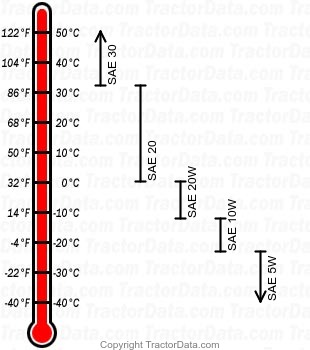
The original manual recommended 10W-30 or 20W-20 oil for most temperatures. Today, many owners use high-quality 10W-30 detergent oil, which works well in various climates and helps keep the engine clean.
If you live in a very hot or cold area, adjust the oil viscosity as needed. For example:
- Below 32°F (0°C): Use 5W-20 or 5W-30
- Above 90°F (32°C): 20W-50 can be used
But for most users, 10W-30 is a safe bet.
Oil Change Interval
Change the engine oil every 100 hours of operation or at least once a year. If the tractor is used in dusty conditions or for heavy work, change it more often.
Common Mistakes
- Using non-detergent oil (modern engines need detergent oil to keep them clean)
- Forgetting to change the oil filter
- Overfilling or underfilling the oil
- Not checking for leaks after a change
Transmission Oil Capacity For The Ford Naa
The transmission is another critical system in the Ford NAA. It’s responsible for transferring power from the engine to the wheels. The right oil keeps gears lubricated and operating smoothly.
Standard Transmission Oil Capacity
The transmission oil capacity is:
- 5 quarts (4.7 liters)
This is the total amount needed after fully draining the transmission.
Where To Fill And Check Transmission Oil
The transmission fill plug is usually on top of the transmission case, behind the gear shifter. The drain plug is underneath.
To check the oil level:
- Remove the check/fill plug.
- The oil should be level with the bottom of the plug hole.
- Add oil if needed.
Best Transmission Oil Type
The original Ford NAA manual recommended SAE 80 or 90 weight gear oil for the transmission. Today, many owners use SAE 80W-90 gear oil, which provides good protection in a range of temperatures.
Avoid using universal tractor hydraulic/transmission fluid in the NAA’s transmission, as it may not provide enough protection for the gears.
Oil Change Interval
Change the transmission oil every 600 hours or if it becomes dirty or contaminated with water.
Special Note: Water Contamination
Older tractors like the Ford NAA often develop water in the transmission due to condensation or leaks. If you see milky oil, change it immediately and check the seals.

Hydraulic Oil Capacity For The Ford Naa
The Ford NAA was one of the first Ford tractors with live hydraulics, making it easier to use implements. The hydraulic system needs clean, correct oil to work well.
Standard Hydraulic Oil Capacity
The hydraulic reservoir holds 2 gallons (7.6 liters).
Where To Fill And Check Hydraulic Oil
The hydraulic fill cap is located on top of the hydraulic reservoir, behind the seat. There’s a dipstick or sight plug to check the oil level.
Steps to check:
- Park on level ground and lower all implements.
- Remove the dipstick or sight plug.
- The oil should be at the “full” mark.
Best Hydraulic Oil Type
The original recommendation was Ford M-4864-A hydraulic oil (no longer made). The closest modern replacement is Universal Tractor Hydraulic Fluid (UTF) that meets Ford/New Holland M2C134D specs.
Many owners use:
- ISO 32 or 46 hydraulic oil in mild climates
- UTF for year-round use
Never use engine oil or gear oil in the hydraulic system—they can damage seals and reduce performance.
Oil Change Interval
Change hydraulic oil every 600 hours or if it looks dirty or milky.
Signs Of Low Or Bad Hydraulic Oil
- Slow or weak hydraulic lift
- Noisy hydraulic pump
- Jerky or uneven movement
If you notice these, check and change the oil right away.
Rear Axle Oil Capacity
The rear axle and differential on the Ford NAA share the same oil as the transmission in some cases, but they have their own fill and drain plugs.
Standard Rear Axle Oil Capacity
- 8 quarts (7.6 liters)
Where To Fill And Check
There’s a fill plug on top of the rear axle housing, and a drain plug below. The oil should be level with the bottom of the fill hole.
Best Oil Type
Use the same SAE 80W-90 gear oil as in the transmission.
Change Interval
Every 600 hours or if oil is dirty or contaminated.
Complete Oil Capacity Reference Table
For quick reference, here is a summary of all key oil capacities for the Ford NAA:
| System | Capacity | Recommended Oil Type | Change Interval |
|---|---|---|---|
| Engine | 5 quarts (4.7 liters) | 10W-30 detergent | 100 hours |
| Transmission | 5 quarts (4.7 liters) | SAE 80W-90 gear oil | 600 hours |
| Hydraulics | 2 gallons (7.6 liters) | UTF or ISO 32/46 | 600 hours |
| Rear Axle | 8 quarts (7.6 liters) | SAE 80W-90 gear oil | 600 hours |
How To Change Oil In The Ford Naa
Changing oil in the Ford NAA is straightforward but requires attention to detail.
Engine Oil Change Steps
- Start the engine and let it warm up for a few minutes.
- Turn off the engine and let it cool slightly.
- Place a drain pan under the oil pan.
- Remove the drain plug and let the oil drain completely.
- Remove the old oil filter.
- Install a new filter, lightly coating the gasket with clean oil.
- Replace the drain plug.
- Add new oil through the fill cap.
- Check the dipstick and top off as needed.
- Run the engine for a minute, then check for leaks and recheck the oil level.
Transmission Oil Change Steps
- Park the tractor on a level surface.
- Remove the transmission drain plug and let old oil drain out.
- Replace the drain plug.
- Add new gear oil through the fill/fill plug until it reaches the bottom of the hole.
- Replace the fill plug.
Hydraulic Oil Change Steps
- Lower all implements.
- Remove the hydraulic drain plug and let oil drain.
- Replace the drain plug.
- Add hydraulic oil through the fill cap, checking the dipstick.
- Cycle the hydraulic system to remove air and check the level again.
Rear Axle Oil Change Steps
- Remove the drain plug under the axle housing.
- Let oil drain completely.
- Replace the plug.
- Add gear oil through the fill plug until full.
Tip: Dispose of used oil properly. Many auto parts stores recycle oil for free.
Choosing The Right Oil For Your Climate
Oil performance changes with temperature. If you use your Ford NAA in different seasons, pick the oil that matches your climate.
| Temperature Range | Engine Oil | Transmission/Rear Axle Oil | Hydraulic Oil |
|---|---|---|---|
| Below 32°F (0°C) | 5W-20 or 5W-30 | SAE 80W | ISO 32 |
| 32°F to 90°F (0°C to 32°C) | 10W-30 | SAE 80W-90 | ISO 32 or UTF |
| Above 90°F (32°C) | 20W-50 | SAE 90 | ISO 46 or UTF |
Non-obvious insight: Even if the oil type matches your climate, always check that it meets modern detergent and anti-wear standards. Many old-style oils lack additives needed for today’s fuel quality and operating conditions.
Common Problems From Incorrect Oil Levels
Many Ford NAA owners run into trouble because of simple oil mistakes. Here are some issues that can happen:
- Low engine oil – Causes overheating, noisy valves, and can lead to engine seizure.
- Overfilled engine oil – Can lead to foaming, leaks, or blown gaskets.
- Low transmission oil – Gears may grind or stick, leading to costly repairs.
- Wrong hydraulic oil – Sluggish lift, leaks, or pump failure.
- Water in oil – Milky appearance, poor performance, and rust inside components.
Pro tip: If you see foaming, milky oil, or leaks after a change, stop using the tractor and check the oil immediately.
How To Identify And Fix Oil Leaks
Old tractors like the Ford NAA often develop leaks. Here are some signs and fixes:
- Oil spots under the tractor – Check gaskets, drain plugs, and seals.
- Wet areas around the engine or transmission – Inspect for worn gaskets.
- Hydraulic fluid leaks – Look at hoses and cylinder seals.
Fixes:
- Tighten loose bolts or plugs (but don’t overtighten).
- Replace worn gaskets and seals.
- Clean surfaces before installing new gaskets.
Non-obvious insight: Sometimes, leaks come from overfilled oil or blocked breather vents. Always check oil levels and clean vent holes regularly.
How To Read Dipsticks And Sight Plugs
Each oil system has a different way to check levels:
- Engine: Dipstick with “full” and “add” marks.
- Transmission: Remove fill plug; oil should be at the bottom of the hole.
- Hydraulics: Dipstick or sight glass on the reservoir.
- Rear Axle: Fill plug; oil should touch the bottom of the hole.
If unsure, always check the owner’s manual or ask a trusted mechanic.
Upgrades And Modern Oils: What’s Safe?
Many owners wonder if they can use synthetic or multi-purpose oils. Here’s what experts recommend:
- Engine: Modern 10W-30 or 15W-40 (diesel-rated) oils are safe, as long as they are detergent type.
- Transmission/Rear Axle: Use only SAE 80W-90 gear oil, not modern synthetic “universal” tractor fluids.
- Hydraulics: UTF meeting Ford/New Holland M2C134D is safe.
Never mix different oil types in the same system.
Ford Naa Oil Capacity Compared To Other Ford Tractors
Let’s see how the NAA stacks up against other classic Ford tractors:
| Model | Engine Oil (quarts) | Transmission Oil (quarts) | Hydraulic Oil (gallons) |
|---|---|---|---|
| Ford NAA | 5 | 5 | 2 |
| Ford 8N | 6 | 5 | 5 (combined) |
| Ford 600 | 5 | 5 | 2 |
| Ford 3000 | 6 | 8 | 2.5 |
As you see, the Ford NAA’s oil capacities are similar to later Ford models, but always check the specific numbers for your tractor.
Tips For Extending The Life Of Your Ford Naa
- Stick to the right oil type and capacity for each system.
- Change oils at the recommended intervals—don’t wait for problems.
- Check for leaks and fix them quickly.
- Keep oil containers clean to avoid adding dirt to the system.
- Store the tractor indoors or cover it to reduce water contamination.
- Warm up the engine before heavy work to circulate oil.
These simple steps help your Ford NAA last for decades.
Where To Find More Information
If you need detailed technical information, original manuals, or advice from other NAA owners, check reliable resources like the Wikipedia Ford NAA page and tractor forums.
Frequently Asked Questions
What Is The Engine Oil Capacity For A Ford Naa Tractor?
The engine holds 5 quarts (4.7 liters) of oil when you change the filter. Always check with the dipstick after filling.
What Type Of Hydraulic Oil Should I Use In My Ford Naa?
Use Universal Tractor Hydraulic Fluid (UTF) that meets Ford/New Holland M2C134D specs, or ISO 32/46 hydraulic oil for mild climates. Do not use engine or gear oil in the hydraulic system.
How Often Should I Change The Oil In My Ford Naa Tractor?
Change the engine oil every 100 hours of use or at least once a year. Transmission, hydraulic, and rear axle oils should be changed every 600 hours.
Can I Use Modern Synthetic Oil In My Ford Naa Engine?
Yes, you can use modern synthetic or semi-synthetic 10W-30 detergent oil in the NAA engine. Always use the correct viscosity and avoid non-detergent oils.
What Happens If I Overfill Or Underfill The Oil In My Ford Naa?
Overfilling can cause leaks, foaming, and pressure problems. Underfilling can lead to overheating, poor lubrication, and engine or transmission damage. Always fill to the correct level and check after running the engine.
Regular oil checks and correct capacities keep your Ford NAA tractor reliable, efficient, and ready for any job. With proper oil care, this classic workhorse will serve you for years to come.