
Keeping your engine running smoothly depends on more than just regular use—it starts with understanding the basics, like oil capacity. If you own equipment powered by the Kawasaki FR651V engine, you know it’s built for reliability and strength. But even the best engines need the right oil and correct amount. Using too much or too little can cause serious problems, from poor performance to engine damage.
Many users, especially first-time owners, overlook details like oil type, changing intervals, and what happens if you overfill or underfill. That’s why this article dives deep into the Kawasaki FR651V oil capacity, covering not just the basic numbers but also practical advice for safe maintenance. Whether you use this engine for your mower, tractor, or other equipment, you’ll find clear answers and guidance here.
Understanding The Kawasaki Fr651v Engine
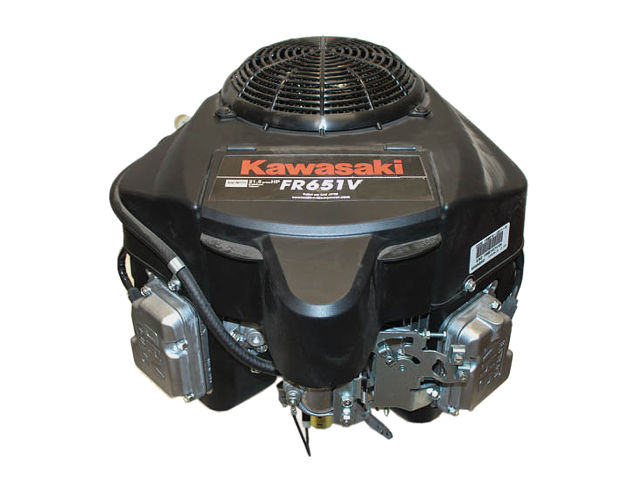
The Kawasaki FR651V is a popular V-twin, four-stroke engine used in commercial and residential mowers. It is known for its smooth operation, fuel efficiency, and durability. With a displacement of 726cc and a maximum power output of around 22 horsepower, this engine is a workhorse in its class.
Some key features include:
- V-twin cylinder design for reduced vibration and smoother operation
- Overhead V-valve for efficient combustion
- Pressurized lubrication system to protect moving parts
- Heavy-duty air filter for dusty environments
But even with these strengths, the engine’s performance depends heavily on using the correct oil, in the right amount.
Kawasaki Fr651v Oil Capacity: The Core Details
The official oil capacity for the Kawasaki FR651V is 2.1 U.S. quarts (2.0 liters) when including the oil filter. This means that, during a standard oil change with filter replacement, you should add around 2.0 liters of oil.
Here’s a breakdown:
- With filter change: 2.1 U.S. quarts (2.0 liters)
- Without filter change: 1.9 U.S. quarts (1.8 liters)
This small difference is because the filter itself holds a bit of oil. Always check the owner’s manual for your specific mower or equipment, as sometimes the engine’s installation can influence oil filling.
Fr651v Oil Capacity Comparison
To help you see how this engine stacks up, here’s a quick comparison with similar Kawasaki models:
| Engine Model | Oil Capacity with Filter (U.S. quarts) | Oil Capacity (Liters) |
|---|---|---|
| FR651V | 2.1 | 2.0 |
| FR730V | 2.1 | 2.0 |
| FS691V | 2.1 | 2.0 |
| FX730V | 2.0 | 1.9 |
As you see, Kawasaki V-twin engines in this class have similar oil capacities, but small differences can matter in tight tolerances.
Why Oil Capacity Matters
It’s easy to underestimate the importance of oil capacity. Some users think “more oil means more protection,” or “a little low is no big deal. ” Both ideas can lead to trouble.
- Too much oil: Overfilling can cause foaming, loss of lubrication, oil leaks, and even damage seals.
- Too little oil: Underfilling increases friction, causes overheating, and shortens the engine’s life.
Proper oil level ensures every part gets lubricated and cooled. For the FR651V, sticking to the 2.1-quart mark (with filter) is critical for engine health.
Choosing The Right Oil For Kawasaki Fr651v
Oil capacity is just the start. What oil should you use?
Recommended Oil Type
Kawasaki recommends SAE 10W-40 or SAE 10W-30 detergent oil for the FR651V. The choice depends on your local climate:
- 10W-40: Best for most temperatures, especially if you use your equipment in hot weather.
- 10W-30: Works well in moderate to slightly cool temperatures.
The oil should meet API Service Classification SJ or higher. Never use non-detergent or two-stroke oil.
Oil For Different Climates
If you operate your mower in extreme cold or heat, here’s what to consider:
| Temperature Range | Recommended Oil |
|---|---|
| Above 32°F (0°C) | SAE 10W-30, 10W-40 |
| Below 32°F (0°C) | SAE 5W-30 |
| Above 80°F (27°C) | SAE 10W-40 |
Non-obvious insight: Many users forget that using oil meant for colder climates in high heat can result in faster oil breakdown and less protection.
Synthetic Vs. Conventional Oil
You can use synthetic oil in the FR651V. Synthetic oil has several advantages:
- Better protection at high temperatures
- Longer intervals between changes (but still follow Kawasaki’s guidelines)
- Reduced engine deposits
However, synthetic oil is more expensive, and you should only switch to synthetic after the break-in period (usually after the first 50 hours).
Tip: Always use a high-quality oil filter when using synthetic oil to match the oil’s longer life.
How To Check Oil Level Properly
Checking oil sounds simple, but mistakes are common.
- Park on Level Ground: Always check oil with the engine cold, on a flat surface.
- Clean Around the Dipstick: Wipe away dirt to keep it from falling into the oil fill.
- Remove and Wipe Dipstick: Pull it out, wipe clean, then reinsert it fully.
- Check the Level: Remove again and look at the oil mark. It should be between the “Low” and “Full” lines.
- Do Not Overfill: If the oil is at the “Full” mark, do not add more.
Common mistake: Some users check oil after running the engine, when oil is still draining down. This can show a false low reading, leading to overfilling.
How To Change Oil In The Kawasaki Fr651v
Changing oil is an essential skill for every FR651V owner. Here’s a step-by-step guide:
Supplies Needed
- 2.1 quarts (2.0 liters) of recommended oil
- Kawasaki oil filter (if changing filter)
- Oil drain pan
- Funnel
- Clean rag
Step-by-step Oil Change
- Warm the Engine: Run for 2-3 minutes to thin the oil (never change cold oil).
- Park Safely: Place equipment on a flat surface. Turn off and let cool slightly.
- Remove Dipstick: This helps oil drain faster.
- Drain Oil: Place pan under drain plug (usually on the side). Unscrew plug and let oil drain completely.
- Replace Oil Filter: If needed, unscrew old filter. Wipe the gasket surface. Apply a little new oil to the new filter’s seal. Install hand-tight.
- Replace Drain Plug: Tighten securely, but don’t overtighten.
- Add New Oil: Use a funnel to pour in oil. Start with about 2 quarts.
- Check Level: Wait a minute, then check with the dipstick. Add a little more if needed to reach the “Full” line.
- Run and Recheck: Start the engine for 30 seconds. Turn off, wait a minute, then recheck oil level. Add if needed.
Non-obvious insight: Always double-check for leaks around the drain plug and filter after running the engine.
How Often To Change Oil
Kawasaki recommends the following for the FR651V:
- First oil change: After 8 hours (break-in period)
- Regular oil changes: Every 100 hours or annually, whichever comes first
If you use your mower in dusty or hot conditions, change more often—every 50 hours is safer.
Tip: Always replace the oil filter with every oil change for maximum protection.
Signs Of Oil Problems In The Fr651v
Even when you follow the manual, problems can arise. Watch for these warning signs:
- Oil level drops quickly: Possible leak or burning oil
- Oil looks milky or foamy: Water contamination (often from a blown gasket)
- Dark, gritty oil: Overdue for a change or engine wear
- Excessive exhaust smoke: May signal overfilled oil or engine issues
If you see these symptoms, stop using the engine and check oil immediately.
What Happens If You Overfill Or Underfill?
Overfilling
Putting in too much oil can create air bubbles (foaming), which reduces lubrication. This causes:
- Loss of power
- Engine smoking
- Oil leaks
- Damaged seals
If you overfill, drain some oil until the level returns to normal.
Underfilling
Running low on oil is even more dangerous. It leads to:
- Increased engine friction
- Overheating
- Permanent engine damage
Always use the dipstick, not just the measured amount, to confirm the correct level.
Dealing With Oil Leaks
Oil leaks are a common problem, especially in older engines. Causes include:
- Worn gaskets or seals
- Loose drain plug
- Damaged oil filter gasket
- Cracked engine block (rare)
If you find oil under your mower, check these spots first. Tighten connections, replace worn parts, and use the correct gasket for the filter.
Tip: Clean the engine before checking for leaks. Dirt can hide the true source.
Choosing The Best Oil Filter
While oil capacity and oil quality are critical, the oil filter also plays a big role. The filter traps dirt and metal particles, stopping them from recirculating.
Genuine Vs. Aftermarket Filters
- Genuine Kawasaki filters are designed for your engine. They fit perfectly and use the correct filtration material.
- Aftermarket filters vary in quality. Some work well, others can restrict flow or filter poorly.
Practical advice: If you choose aftermarket, pick a well-reviewed brand with a proven track record, not just the cheapest option.
When To Replace The Oil Filter
Replace the oil filter with every oil change. Even if the oil looks clean, the filter can become clogged and restrict oil flow.
Oil Capacity Mistakes Beginners Make
Many first-time users make avoidable errors when dealing with oil capacity:
- Assuming all V-twin engines use the same amount: Even small differences matter. Always check your manual.
- Not counting the filter: Skipping the filter means you’ll underfill (or overfill if you forget to remove the old oil).
- Pouring in the full amount at once: Add most, check the dipstick, then top up as needed.
- Reusing old oil: Never reuse drained oil, even if it looks clean. Old oil loses its protective properties.
- Ignoring temperature changes: Cold weather needs slightly different oil types and sometimes affects how oil drains or settles.
Storing Oil And Engine Between Uses
If you only use your FR651V-powered equipment seasonally, proper oil storage and preparation is important.
- Store oil in sealed, original containers away from sunlight.
- Before long-term storage, change the oil. Old oil contains acids and dirt that can damage engine parts.
- Run the engine briefly after changing oil to coat internal parts.
Pro tip: Add a fuel stabilizer and run the engine for a few minutes to prevent carburetor problems during storage.
Troubleshooting Common Oil Issues
Sometimes, even with proper maintenance, you’ll see oil-related problems. Here’s how to troubleshoot:
Oil Consumption Seems High
- Check for leaks: Look under the engine and around seals.
- Check for smoke: White or blue smoke can mean burning oil.
- Check oil filter: A loose or cracked filter can leak oil.
Oil Pressure Warning Light (if Equipped)
- Low oil level: Add oil to the full mark.
- Bad sensor: Sometimes the oil pressure switch fails.
- Oil pump problem: If oil level is correct but light stays on, seek professional help.
Oil Looks Dirty Right After Change
- Dirty engine: Changing oil can loosen old sludge, making new oil look dirty fast.
- Short change interval: Consider using engine flush (only if recommended).
Environmental Impact Of Used Oil
Proper disposal of used oil is essential. Pouring oil on the ground or down drains is harmful and illegal in many areas.
- Collect used oil in a sealed container.
- Take it to a recycling center or auto parts store that accepts used oil.
- Never mix oil with other fluids like gasoline or antifreeze.
For more on safe disposal, see the EPA guidelines.
Comparing Kawasaki Fr651v Oil Capacity To Other Brands
Knowing how the FR651V compares with competitors can help you make informed choices:
| Brand & Model | Oil Capacity (quarts) | Oil Type |
|---|---|---|
| Kawasaki FR651V | 2.1 | 10W-40/10W-30 |
| Kohler 7000 Series | 2.0 | 10W-30 |
| Briggs & Stratton 44N6 | 2.0 | 10W-30 |
| Honda GXV690 | 2.3 | 10W-30 |
The FR651V sits right in the middle—neither unusually high nor low for its class.

Credit: alanslawn.com
Practical Tips For Long Engine Life
To get the most from your FR651V, follow these tips:
- Check oil before every use
- Change oil and filter on schedule
- Use the correct oil type and filter
- Clean the area around the dipstick and fill cap before opening
- Don’t run engine low or overfilled
- Store equipment properly between seasons
Unexpected advice: If your mower sits for more than a month, run the engine for 5–10 minutes every few weeks. This keeps oil circulated and prevents rust.
Frequently Asked Questions
What Is The Oil Capacity Of The Kawasaki Fr651v With And Without The Oil Filter?
With the oil filter, the FR651V holds 2.1 U.S. quarts (2.0 liters). Without changing the filter, it holds about 1.9 U.S. quarts (1.8 liters). Always check the dipstick after filling to ensure proper level.
How Often Should I Change The Oil In My Kawasaki Fr651v?
Change the oil after the first 8 hours (break-in), then every 100 hours or once per season. In hot or dusty conditions, every 50 hours is better. Always change the oil filter with the oil.
Can I Use Synthetic Oil In My Fr651v Engine?
Yes, synthetic oil is safe and may offer better protection. Only switch to synthetic after the break-in period. Use high-quality oil filters with synthetic oil and stick to Kawasaki’s change intervals.
What Happens If I Overfill The Oil In The Fr651v?
Overfilling can cause foaming, leaks, smoking, and seal damage. If you add too much oil, drain the excess until the level is at the “Full” mark on the dipstick.
What Oil Should I Use If I Operate My Mower In Very Cold Weather?
If you use your FR651V in temperatures below 32°F (0°C), use SAE 5W-30 oil for easier starting and better lubrication.
Caring for your Kawasaki FR651V’s oil system isn’t just about pouring in the right amount. It’s about understanding how oil affects engine life, performance, and reliability. By following the advice in this guide—using the correct oil type, changing it on time, checking levels properly, and watching for problems—you’ll keep your engine running strong for years. When in doubt, consult the owner’s manual or a trusted dealer, and remember: small details make a big difference in engine care.