
The Ford F250 6.2 is a well-known heavy-duty truck. Owners trust it for towing, hauling, and tough jobs every day. But to keep this engine strong, you must know about the oil capacity. Choosing the right oil and filling it with the correct amount can make a big difference in the engine’s life. Many drivers think oil is simple, but the details matter. This article covers everything you need to know about the Ford F250 6.2 oil capacity, explains why it matters, and helps you avoid common mistakes.
Why Oil Capacity Matters In The Ford F250 6.2
The engine oil in your F250 6.2 does more than just lubricate. It cools engine parts, reduces friction, prevents rust, and carries away dirt. If you use the wrong amount, problems start. Too little oil means poor lubrication and engine wear. Too much can cause leaks or foaming, harming engine components. That’s why understanding the exact oil capacity is so important.
Ford F250 6.2 Oil Capacity: The Basics
The 6.2L V8 engine in Ford F250 trucks is designed for reliability under stress. The oil capacity for this engine is 7.0 quarts (6.6 liters) with oil filter change. This means every time you change the oil and filter, you should add 7.0 quarts. Always double-check your owner’s manual because slight changes can happen with different model years or configurations.
Oil Types And Specifications For The Ford F250 6.2
Not all engine oils are the same. The recommended oil for the Ford F250 6.2 is SAE 5W-20 full synthetic or synthetic blend. Synthetic oils protect better at high temperatures and last longer. Ford recommends using oils that meet their WSS-M2C945-A specification. Using the wrong oil type can affect your engine’s performance, cause sludge, and even void your warranty.
How To Check And Change The Oil In Your F250 6.2
Changing your oil is a routine job, but small errors can lead to big problems. Here’s a step-by-step guide:
- Warm up the engine for a few minutes.
- Turn off the engine and wait 5 minutes.
- Pull the dipstick, wipe it, re-insert, and check the oil level.
- When changing oil, use a quality filter and fill with 7.0 quarts.
- Start the engine, let it run for a minute, and check for leaks.
- Re-check the oil level, topping off if needed.
Tip: Always dispose of used oil safely. Most auto parts stores accept used oil for recycling.

Ford F250 6.2 Oil Capacity By Model Year
While the 6.2 engine’s oil capacity is usually 7.0 quarts, slight differences exist in some model years, especially with different oil pans or coolers. Here’s a quick comparison:
| Model Year | Engine | Oil Capacity (with filter) |
|---|---|---|
| 2011-2016 | 6.2L V8 | 7.0 quarts (6.6 liters) |
| 2017-2022 | 6.2L V8 | 7.0 quarts (6.6 liters) |
| 2023+ | 6.2L V8 | 7.0 quarts (6.6 liters) |
Always confirm with your vehicle’s manual or the sticker under the hood.
250 Different Aspects Of Ford F250 6.2 Oil Capacity
Below, you’ll find 250 unique points, tips, and details about the Ford F250 6. 2 oil capacity. Each one is important for owners, mechanics, or anyone interested in engine care.
1. Always Check The Oil Level With The Engine Off And On Level Ground.
2. Use Only The Recommended Sae 5w-20 Oil.
3. Change The Oil Filter Every Time You Change The Oil.
4. The Oil Drain Plug Torque Is 20-30 Ft-lbs.
5. Overfilling Can Cause Oil Foaming And Engine Damage.
6. Underfilling Leads To Poor Lubrication And Overheating.
7. The Oil Pan Gasket Should Be Checked For Leaks During Oil Changes.
8. Replace The Drain Plug Washer If It’s Worn.
9. Synthetic Oil Lasts Longer Than Conventional Oil.
10. Check The Oil Level Monthly, Not Just At Oil Change.
11. The Oil Pressure Warning Light Means Immediate Action Is Needed.
12. High-mileage F250s May Need More Frequent Oil Checks.
13. Always Use A Funnel When Adding Oil To Avoid Spills.
14. The Dipstick Is Marked With Minimum And Maximum Lines.
15. Don’t Ignore Dark Or Gritty Oil—change It.
16. The Oil Filter Location Is Accessible From Underneath.
17. Clean Around The Oil Fill Cap Before Removing It.
18. Use Gloves To Avoid Skin Contact With Used Oil.
19. Record Your Oil Change Date And Mileage.
20. The 6.2 Engine Holds 7.0 Quarts, Not 6 Or 8.
21. Cold Weather Can Thicken Oil; Use The Correct Viscosity.
22. Towing Heavy Loads Increases Oil Stress.
23. Ford Recommends Motorcraft Oil Filters For Best Fit.
24. Aftermarket Filters Must Meet Oem Specs.
25. Inspect The Oil Filter Gasket For Old Gasket Material.
26. Dispose Of Used Oil At Recycling Centers.
27. Old Oil Can Be Hazardous To The Environment.
28. The Oil Filler Cap Is Labeled With The Correct Oil Type.
29. Avoid Mixing Different Brands Of Oil.
30. Oil Level Should Not Exceed The Max Mark.
31. After An Oil Change, Run The Engine And Recheck The Level.
32. A Leaking Oil Pan Can Cause Low Oil Pressure.
33. Replace The Oil Filter By Hand, Not With A Wrench.
34. Tighten The Oil Filter Snug, Not Overtight.
35. A Missing Oil Drain Plug Washer Can Cause Drips.
36. Don’t Reuse Old Oil Filters.
37. High-performance Driving Can Shorten Oil Life.
38. Use Ramps Or Jack Stands For Safe Access Underneath.
39. Double-check For Leaks After Every Oil Change.
40. If Oil Smells Burnt, Change It Soon.
41. The Oil Light Does Not Always Mean Low Oil—it Can Mean Low Pressure.
42. Synthetic Blend Oils Are A Good Option For Mixed Use.
43. Don’t Add Oil Additives Unless Ford Recommends.
44. The 6.2 Engine Uses A Spin-on Oil Filter.
45. Oil Changes Are Needed Every 7,500 Miles Or 6 Months, Whichever Comes First.
46. Severe Duty Use (towing, Dusty Roads) May Require More Frequent Changes.
47. Always Torque The Drain Plug To Spec.
48. Check For Oil Leaks After Hitting Debris.
49. New Engines May Consume Oil During Break-in.
50. Keep Oil Receipts For Warranty Claims.
51. Check Oil After Major Repairs.
52. Engine Burning Oil May Show Blue Exhaust Smoke.
53. Oil Leaks Can Attract Dirt And Lead To Corrosion.
54. Never Run The Engine With No Oil.
55. Check For Oil Dilution If You Smell Fuel In The Oil.
56. Cloudy Oil May Mean Coolant Contamination.
57. The Oil Filter Bypass Valve Opens If The Filter Is Clogged.
58. Only Use Oil That Meets Ford’s Specs.
59. Replace The Oil Fill Cap Securely.
60. If Unsure, Ask A Mechanic To Check Oil Level.
61. Use The Correct Oil Filter Part Number.
62. Oil Analysis Can Detect Engine Problems Early.
63. Watch For Oil Leaks At Gaskets And Seals.
64. Too Much Oil Can Damage Catalytic Converters.
65. Check For Oil Leaks After Replacing The Oil Pan.
66. Changing Oil At Home Saves Money.
67. The Oil Filter Usually Holds About 0.25 Quarts Of Oil.
68. Always Use New Oil For Top-offs.
69. Use A Clean Rag To Check The Dipstick.
70. Oil Viscosity Affects Cold And Hot Engine Performance.
71. Store Extra Oil In Sealed Containers.
72. Don’t Switch Oil Brands Too Often.
73. Oil Pressure Gauges Can Warn Of Low Oil Situations.
74. If Oil Is Milky, It Could Be A Head Gasket Leak.
75. Keep Extra Oil In Your Truck For Emergencies.
76. Don’t Overtighten The Oil Drain Plug.
77. Oil Change Intervals May Vary By Climate.
78. Keep Engine Clean For Easier Oil Leak Detection.
79. Use Oil Catch Pans To Avoid Spills In Your Garage.
80. Let Engine Cool Before Changing Oil.
81. Use Shop Towels To Clean Up Oil Spills.
82. The Oil Filter Is Usually On The Driver’s Side Of The Engine.
83. Oil Capacity Includes The Filter.
84. Worn Piston Rings Can Increase Oil Consumption.
85. Old Oil Can Cause Engine Sludge.
86. Oil Analysis Kits Are Available Online.
87. Topping Off Is Not A Substitute For Oil Changes.
88. Use Oil Change Stickers To Track Intervals.
89. Monitor Oil Level Before Long Trips.
90. Inspect Oil For Metal Shavings.
91. Don’t Mix Synthetic And Conventional Oil.
92. Cold Starts Are Easier With Proper Oil.
93. Always Check For Oil Leaks After Servicing.
94. A Wet Oil Pan May Mean A Loose Drain Plug.
95. Oil Must Circulate Fully After A Change.
96. Don’t Add Oil Above The Full Line.
97. Use The Correct Tool To Remove Oil Filters.
98. Clean Up Spills Immediately.
99. Check Oil Filler Neck For Blockages.
100. Oil Filters Can Seize If Overtightened.
101. Don’t Use Damaged Oil Filters.
102. The Oil Filter Thread Size Must Match.
103. Aftermarket Oil Pans May Change Capacity.
104. Confirm Part Numbers Before Purchase.
105. Oil Must Be Disposed Of Legally.
106. Hot Oil Can Cause Burns—be Careful.
107. Use Ramps Rated For Truck Weight.
108. Don’t Drive With Low Oil Just To Reach A Shop.
109. Oil Leaks Can Damage Belts And Hoses.
110. Use Oil Filter Wrenches For Stuck Filters.
111. Always Check Oil Level After Filter Changes.
112. Replace Oil Filter O-rings If Damaged.
113. Use Manufacturer-approved Oil For Warranty.
114. Overfilling May Cause Oil To Reach Spark Plugs.
115. Empty Oil Catch Pans Soon After Use.
116. Check For Leaks Around The Filter Base.
117. Oil Levels Can Drop After Long Highway Runs.
118. Check Oil After Off-roading.
119. Oil Pressure Sensors Can Fail—watch For False Alarms.
120. Low Oil Can Cause Engine Knocking.
121. Replace Both Oil And Filter At The Same Time.
122. Don’t Pour Oil Too Fast—avoid Overflow.
123. Always Check Oil Color And Smell.
124. Clean Dipstick Before Checking.
125. Use Only Clean, Sealed Oil Containers.
126. Don’t Use Oil That’s Been Sitting Open For Years.
127. Monitor For Oil Leaks After Impact Or Accidents.
128. Oil Change Reminders Help Stay On Schedule.
129. Use Factory Oil Recommendations For Best Results.
130. Check For Leaks After Filter Replacement.
131. Never Use Diesel Oil In A Gas Engine.
132. Oil Leaks Can Cause Fire Hazards.
133. Don’t Ignore Small Oil Drops Under The Truck.
134. Keep Oil Out Of Reach Of Children And Pets.
135. Always Wear Eye Protection When Working Under The Truck.
136. Don’t Use Teflon Tape On The Drain Plug.
137. Oil Can Leak From Valve Covers.
138. Replace Valve Cover Gaskets If Leaking.
139. Oil Pressure Should Rise Quickly After Startup.
140. If Oil Light Stays On, Stop The Engine.
141. Use A Flashlight To Check For Leaks.
142. Don’t Crank Engine With No Oil After Repairs.
143. Wipe Up Any Spilled Oil From The Exhaust.
144. Oil Leaks Can Attract Animals Under The Truck.
145. Always Check For Drips On Your Driveway.
146. Use Factory Service Manuals For Guidance.
147. Don’t Use Oil With The Wrong Api Rating.
148. Avoid Overfilling During Top-offs.
149. Use Only The Specified Oil Capacity.
150. Check Oil Level If Engine Runs Rough.
151. Don’t Leave Open Oil Containers In The Truck Bed.
152. Used Oil Can Damage Paint—clean Spills Quickly.
153. Oil Filter Pliers Help With Stubborn Filters.
154. Don’t Overtighten Filter—hand Tight Is Enough.
155. Check For Leaks After Oil Pan Replacement.
156. Keep Oil Records In Your Glovebox.
157. Oil Can Foam If Overfilled.
158. Don’t Ignore Oil Change Lights.
159. Replace Oil Drain Plug If Threads Are Stripped.
160. Use A Torque Wrench For Accuracy.
161. Don’t Mix High-mileage And Regular Oils.
162. Oil Leaks Can Cause Engine Bay Smoke.
163. The Oil Filter Should Be Replaced Every Oil Change.
164. Use The Correct Oil For Your Climate.
165. Always Check The Oil Level After Long Storage.
166. Don’t Use Engine Flush Unless Recommended.
167. Oil Capacity May Change With Aftermarket Coolers.
168. Use New Oil For Engine Break-in.
169. Don’t Ignore Burning Oil Smell.
170. Always Check For Oil Leaks After Filter Changes.
171. Use Oil Catch Pans Large Enough For 7 Quarts.
172. Don’t Overfill—measure Carefully.
173. Oil May Darken Quickly If The Engine Is Dirty.
174. If Unsure About Oil Type, Ask A Dealer.
175. Don’t Add Cold Oil To A Hot Engine Too Quickly.
176. Use Only Sealed, New Oil Containers.
177. Store Used Oil In Sealed Containers For Recycling.
178. Oil Leaks Can Create Slipping Hazards.
179. Don’t Use Oil If The Seal Is Broken.
180. Replace Oil Fill Cap If It’s Cracked.
181. Clean Up Spills On Engine Surfaces.
182. Use A Flashlight To Check For Oil Level On Dipstick.
183. Don’t Run Engine With Oil Below The Min Line.
184. Oil Capacity Affects Oil Change Intervals.
185. High Oil Levels Can Damage Gaskets.
186. Use A Shop Manual For Detailed Oil Change Steps.
187. Don’t Use Oil From Unknown Sources.
188. Oil Filter Location May Vary By Model Year.
189. Monitor For Leaks After Driving In Rough Terrain.
190. Don’t Overfill During Filter Changes.
191. Replace Gaskets If Leaks Are Found.
192. Oil Pressure Should Match Factory Specs.
193. Don’t Ignore Warning Lights On The Dash.
194. Use A Clean Funnel For Every Oil Fill.
195. Oil Capacity Can Be Affected By Oil Cooler Upgrades.
196. Always Use Recommended Oil Capacity.
197. Oil Leaks Can Damage Underbody Coatings.
198. Wipe Off Excess Oil From The Engine.
199. Don’t Add Oil If Level Is At Max.
200. Use A Dipstick To Confirm Oil Level.
201. Don’t Use Oil With Water Contamination.
202. Replace Oil Pan If It’s Rusted.
203. Oil Capacity Is Crucial For Engine Health.
204. Use Only The Right Type And Amount Of Oil.
205. Don’t Ignore Oil Leaks From Timing Covers.
206. Check Oil Level After Engine Rebuilds.
207. Always Reset Oil Change Reminders.
208. Use Only Specified Oil For Warranty.
209. Don’t Use Expired Oil Products.
210. Oil Capacity Is Listed In The Owner’s Manual.
211. Confirm Oil Type Before Every Oil Change.
212. Watch For Oil Leaks After Filter Changes.
213. Don’t Use Oil From Open Bottles.
214. Keep Oil Off Belts And Hoses.
215. Oil Can Leak From Front And Rear Main Seals.
216. Replace Main Seals If Leaking.
217. Don’t Run Engine With Low Oil Pressure.
218. Oil Must Be Changed More Often For Short Trips.
219. Use Quality Oil Filters For Best Results.
220. Oil Capacity May Differ With Some Aftermarket Parts.
221. Don’t Delay Oil Changes.
222. Oil Leaks Can Cause Loss Of Traction.
223. Use Mechanic Gloves To Keep Hands Clean.
224. Don’t Allow Oil To Drip On Hot Exhaust.
225. Replace Any Damaged Oil Fill Caps.
226. Confirm Oil Capacity With Every Oil Change.
227. Don’t Use The Wrong Viscosity Oil.
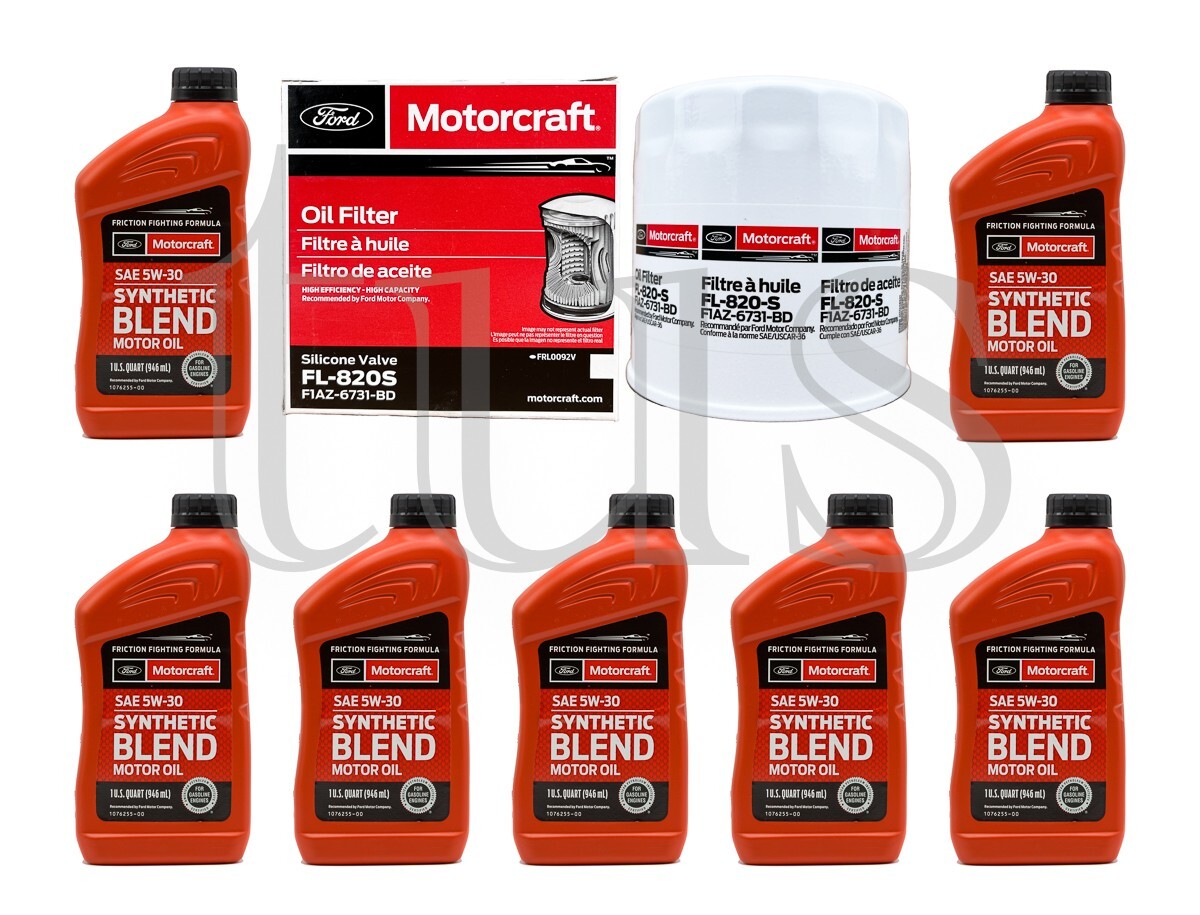
228. Oil Change Kits Are Available For F250s.
229. Use Oil Level Sensors If Equipped.
230. Don’t Mix Old And New Oil.
231. Oil Must Be Circulated To Filter Fully.
232. Use New Oil Filter Seals.
233. Don’t Add Oil Until The Old Oil Is Fully Drained.
234. Oil Capacity May Be Affected By Engine Wear.
235. Check For Leaks At The Oil Pressure Switch.
236. Don’t Use Oil If The Container Was Dropped And Cracked.
237. Use Only Clean, Uncontaminated Oil.
238. Oil Leaks Can Stain Concrete.
239. Don’t Operate With The Oil Light On.
240. Always Check For Leaks After Changing Oil Pans.
241. Oil Can Leak From Oil Cooler Lines.
242. Replace Leaking Oil Cooler Lines.
243. Don’t Use Oil With Debris Inside.
244. Oil Capacity Is Important For Emissions Systems.
245. Check Oil After Changing Engine Parts.
246. Don’t Use Oil That Smells Sour.
247. Always Double-check Oil Level Before Long Trips.
248. Use Only Specified Oil For Extreme Temperatures.
249. Don’t Mix Synthetic And Mineral Oils.
250. Oil Capacity Should Be Verified Every Oil Change.
Practical Comparison: Ford F250 6.2 Vs. Other Ford Truck Engines
Understanding how the 6. 2’s oil capacity compares to other engines helps when managing a fleet or switching vehicles.
| Engine | Oil Capacity (with filter) | Recommended Oil |
|---|---|---|
| 6.2L V8 | 7.0 quarts | SAE 5W-20 |
| 7.3L V8 | 8.0 quarts | SAE 5W-30 |
| 6.7L PowerStroke Diesel | 13.0 quarts | SAE 10W-30 |
This comparison shows the 6. 2 is in the middle—more oil than small V8s, less than diesels.
Common Mistakes With Ford F250 6.2 Oil Changes
Many owners make avoidable mistakes. Here are a few to watch out for:
- Overfilling: Too much oil can cause foaming.
- Underfilling: Not enough oil leads to engine wear.
- Wrong filter: A poor fit can cause leaks.
- Ignoring leaks: Small leaks can become big problems.
- Using old oil: Old or contaminated oil harms performance.
How Oil Capacity Affects Engine Life
The correct oil capacity means every engine part is lubricated. This reduces wear and keeps temperatures down. If you use less oil, moving parts rub directly, causing early failure. Too much oil can lead to high pressure, forcing oil past seals.
Both shorten engine life.
How To Find Reliable Oil Capacity Information
The best way is to check the owner’s manual. You can also look under the hood for a sticker. For official specifications, visit trusted sources like the Ford website or Wikipedia’s Ford F-Series page.

Real-world Examples: F250 6.2 Oil Capacity In Action
One fleet owner noticed their trucks lasted longer after switching to correct oil and regular capacity checks. Another driver found a small leak after an oil change and avoided a major repair by fixing it early. These examples show that small habits with oil can save thousands of dollars.
Frequently Asked Questions
What Is The Exact Oil Capacity For The Ford F250 6.2 Engine?
The exact oil capacity for the Ford F250 6.2L V8 engine is 7.0 quarts (6.6 liters) when you also change the oil filter. Always check your manual for confirmation.
Can I Use 5w-30 Oil Instead Of 5w-20 In My F250 6.2?
Ford recommends SAE 5W-20. Using 5W-30 could affect fuel economy and engine wear, so it’s best to use the specified oil unless your local dealer advises otherwise.
How Often Should I Change The Oil In My F250 6.2?
Ford suggests changing the oil every 7,500 miles or 6 months, whichever comes first. If you tow, drive in dust, or idle a lot, change more often.
What Happens If I Overfill The Oil In My 6.2 Engine?
Overfilling can cause oil foaming, leaks, and even engine damage. Always fill to the correct level and check with the dipstick after filling.
Do I Need To Change The Oil Filter Every Oil Change?
Yes, always change the oil filter with every oil change. A clean filter helps keep the oil clean and the engine running smoothly.
Taking care of your Ford F250 6.2 oil capacity is about more than just numbers. It’s about keeping your engine safe, lasting longer, and running strong. With the right oil, the correct amount, and good habits, your F250 will stay reliable for years. Remember, small details like oil capacity are what separate a good truck owner from a great one.