
The Honda Pilot is a popular midsize SUV, well known for its reliability, comfort, and performance. One of the most important aspects of keeping your Honda Pilot running smoothly is knowing and maintaining the correct oil capacity. This may sound simple, but it gets a bit more complex as you consider different model years, engine types, and oil change habits. If you want to maximize engine life and avoid costly repairs, understanding oil capacity is not just helpful—it’s essential.
Many drivers assume all Honda Pilots use the same amount of oil, but that’s not true. Over the years, Honda has made changes to the Pilot’s engine, which means oil capacity can differ from one year or trim to another.
Missing this detail might lead to overfilling or underfilling, both of which can cause engine problems.
In this guide, you’ll learn everything you need to know about Honda Pilot oil capacity. We’ll cover each generation and model year, discuss how oil capacity impacts maintenance, explain how to check and refill oil properly, and answer common questions.
Whether you’re a first-time Honda owner or a seasoned DIY mechanic, you’ll find practical advice you can trust.
Honda Pilot Engine Overview
Before diving into the specifics of oil capacity, it’s important to understand the different engine types used in the Honda Pilot. Since its launch in 2003, the Pilot has mostly come with a V6 engine, but there have been updates and improvements over time.
- First Generation (2003–2008): 3.5L J35A4/J35A6 V6 engine.
- Second Generation (2009–2015): 3.5L J35Z4 V6 engine.
- Third Generation (2016–2022): 3.5L J35Y6 V6 engine (with Variable Cylinder Management).
- Fourth Generation (2023–present): 3.5L V6 engine, but with new features and slight design changes.
While the displacement stays at 3. 5 liters, internal changes mean oil capacity is not always exactly the same.
Why Oil Capacity Matters
Filling your engine with the correct amount of oil is critical for several reasons:
- Lubrication: Too little oil means not all engine parts are properly lubricated, leading to increased wear.
- Heat Dissipation: Oil helps carry heat away from engine components. Insufficient oil can cause overheating.
- Contaminant Removal: Oil traps dirt and particles, keeping them away from sensitive parts.
- Engine Protection: Overfilling can also be harmful, causing excess pressure and foaming.
A small mistake in oil quantity can lead to big problems, including engine damage. That’s why it’s worth double-checking your model’s specs every time you change the oil.

Credit: www.amsoil.ca
Honda Pilot Oil Capacity By Model Year
The oil capacity of the Honda Pilot has changed across generations and even between trims. Below are the details for each generation and model year.
First Generation (2003–2008)
The first-generation Honda Pilot uses the 3.5L J35A4/J35A6 V6 engine. For these models, the oil capacity is:
- Without oil filter change: 4.2 US quarts (4.0 liters)
- With oil filter change: 4.5 US quarts (4.3 liters)
Always check your owner’s manual for confirmation, but these values are standard for all first-gen Pilots.
Second Generation (2009–2015)
With the second generation, the Pilot still uses a 3.5L V6, but the J35Z4 engine brings slight changes.
- Without oil filter change: 4.2 US quarts (4.0 liters)
- With oil filter change: 4.5 US quarts (4.3 liters)
Again, these capacities are similar to the first generation but always verify for your specific trim.
Third Generation (2016–2022)
For this generation, Honda refined the V6 engine further, introducing the J35Y6 engine with Variable Cylinder Management.
- Without oil filter change: 4.0 US quarts (3.8 liters)
- With oil filter change: 5.7 US quarts (5.4 liters)
Notice the larger difference here. When changing the oil filter, you need significantly more oil. Many DIYers miss this, leading to underfilling after an oil and filter change.
Fourth Generation (2023–present)
The latest Honda Pilot models continue with a 3. 5L V6, but with updated technology.
- With oil filter change: 5.7 US quarts (5.4 liters)
Honda now only publishes the “with filter change” number in most new models, as filter changes are standard practice.
Here’s a quick comparison of oil capacities by generation and typical model year:
| Model Year | Engine | Oil Capacity (w/ filter) | Oil Capacity (w/o filter) |
|---|---|---|---|
| 2003–2008 | 3.5L V6 (J35A4/J35A6) | 4.5 qt (4.3L) | 4.2 qt (4.0L) |
| 2009–2015 | 3.5L V6 (J35Z4) | 4.5 qt (4.3L) | 4.2 qt (4.0L) |
| 2016–2022 | 3.5L V6 (J35Y6) | 5.7 qt (5.4L) | 4.0 qt (3.8L) |
| 2023–present | 3.5L V6 | 5.7 qt (5.4L) | — |
Two insights many owners miss:
- The oil filter itself holds a significant amount of oil (especially on 2016+ models).
- After an oil change, always check the dipstick after running the engine briefly. The new filter absorbs oil and the level drops.
How To Check Oil Level And Add Oil
Keeping your Honda Pilot’s oil at the correct level is not just about pouring in the right amount. The process matters. Here’s the recommended way:
- Warm up the engine for a few minutes, then turn it off. Wait 3–5 minutes to let the oil drain back to the pan.
- Pull out the dipstick, wipe it clean, reinsert fully, then remove again to check the level.
- The oil should be between the two marks (minimum and maximum) on the dipstick.
- If it’s low, add oil in small amounts (about 0.5 quart at a time), waiting a minute and rechecking each time.
- Never fill above the maximum mark.
If you just changed the oil, run the engine for 2–3 minutes, let it sit for 5 minutes, then check again. This ensures the oil filter is filled and you get an accurate reading.
Tip: Always use a funnel when adding oil to avoid spills, which can cause smoke and odors if oil hits hot engine parts.

Credit: techinfo.honda.com
Types Of Oil For Honda Pilot
Choosing the correct oil type is as important as the amount. Honda recommends using SAE 0W-20 for most modern Pilots (2011 and newer). Older models (before 2011) use 5W-20. Both types can be synthetic or conventional, but synthetic oil is often better for long-term engine health.
Why Use Synthetic Oil?
- Better protection at high temperatures
- Improved cold-weather performance
- Longer intervals between changes
While synthetic oil costs more, it can protect your engine better, especially if you drive in extreme conditions or tow often.
Oil Change Intervals For Honda Pilot
Changing your oil at the correct interval is as important as using the right amount and type. Honda recommends:
- Every 7,500 miles or 12 months under normal driving conditions (for 2011+ Pilots with Maintenance Minder).
- Every 3,000–5,000 miles for older models or severe driving (frequent short trips, towing, extreme temperatures).
If your dashboard shows the maintenance minder or “oil life” percentage, follow it. It uses sensors and algorithms to recommend the best change time.
Common mistake: Waiting for the oil life to hit 0% before changing oil. It’s best to change it by 15%, especially if you drive in harsh conditions.
Oil Filter Importance
Every oil change should include a new oil filter. The filter removes dirt and metal particles, preventing them from circulating through the engine. Reusing old filters can lead to clogs and reduced oil flow.
- Honda Genuine Oil Filters are recommended for best fit and performance.
- Aftermarket filters can also work but check for quality and correct size.
Pro tip: Always lubricate the new oil filter gasket with a bit of fresh oil before installing. This ensures a good seal and makes removal easier at the next change.
Step-by-step: Changing Honda Pilot Oil Yourself
If you want to save money and enjoy working on your car, here’s how to change the oil on a Honda Pilot:
- Gather supplies: Correct oil (see above), new filter, oil drain pan, funnel, wrench, and gloves.
- Warm up the engine for 2–3 minutes. Warm oil flows out more easily.
- Lift the vehicle safely with ramps or a jack and stands.
- Place the oil drain pan under the oil pan plug.
- Remove the drain plug (use a 17mm wrench for most Pilots) and let oil drain fully.
- Replace the drain plug, tightening to the recommended torque (usually 29 lb-ft).
- Remove the old oil filter (use an oil filter wrench if needed). Watch for hot oil.
- Lubricate the new filter’s gasket and install by hand, tightening until snug.
- Add new oil through the oil filler cap, starting with the amount for your model/year.
- Start the engine and let it run for 2–3 minutes. Check for leaks around the filter and drain plug.
- Turn off the engine and check the oil level again, topping off if needed.
Dispose of old oil and filter responsibly. Most auto parts stores will accept used oil for recycling.
What Happens If You Use The Wrong Oil Capacity?
Using too much or too little oil can cause several issues:
- Too little oil: Increased friction, overheating, premature engine wear, risk of engine seizure.
- Too much oil: Excess pressure, oil leaks, foaming, possible catalytic converter damage.
Non-obvious insight: On newer Pilots with variable cylinder management (VCM), incorrect oil levels can cause VCM to malfunction, leading to rough running and poor fuel economy.
If you suspect you’ve overfilled, drain some oil immediately. If underfilled, add the correct amount as soon as possible.
Oil Capacity And Engine Performance
Many drivers overlook the connection between oil capacity and engine performance. When oil is at the correct level:
- Fuel efficiency stays optimal.
- Engine noise is reduced.
- Emissions systems work as designed.
For example, if your Honda Pilot seems louder after an oil change or the “check engine” light comes on, double-check oil level before seeking expensive repairs.
Oil Capacity And Towing
If you use your Honda Pilot for towing, oil capacity matters even more. Towing puts extra stress on the engine, making proper oil quantity and quality critical.
- Always use the maximum recommended oil capacity (with filter).
- Consider changing oil more often during heavy towing seasons.
- Use full synthetic oil for best protection.
Honda’s official towing guidelines also recommend checking oil level before every long trip.
Honda Pilot Oil Pan And Sump Design
The oil pan is where the engine’s oil collects at the bottom before being pumped through the engine. Over the years, Honda has made changes to the oil pan shape and sump design, especially with the introduction of VCM.
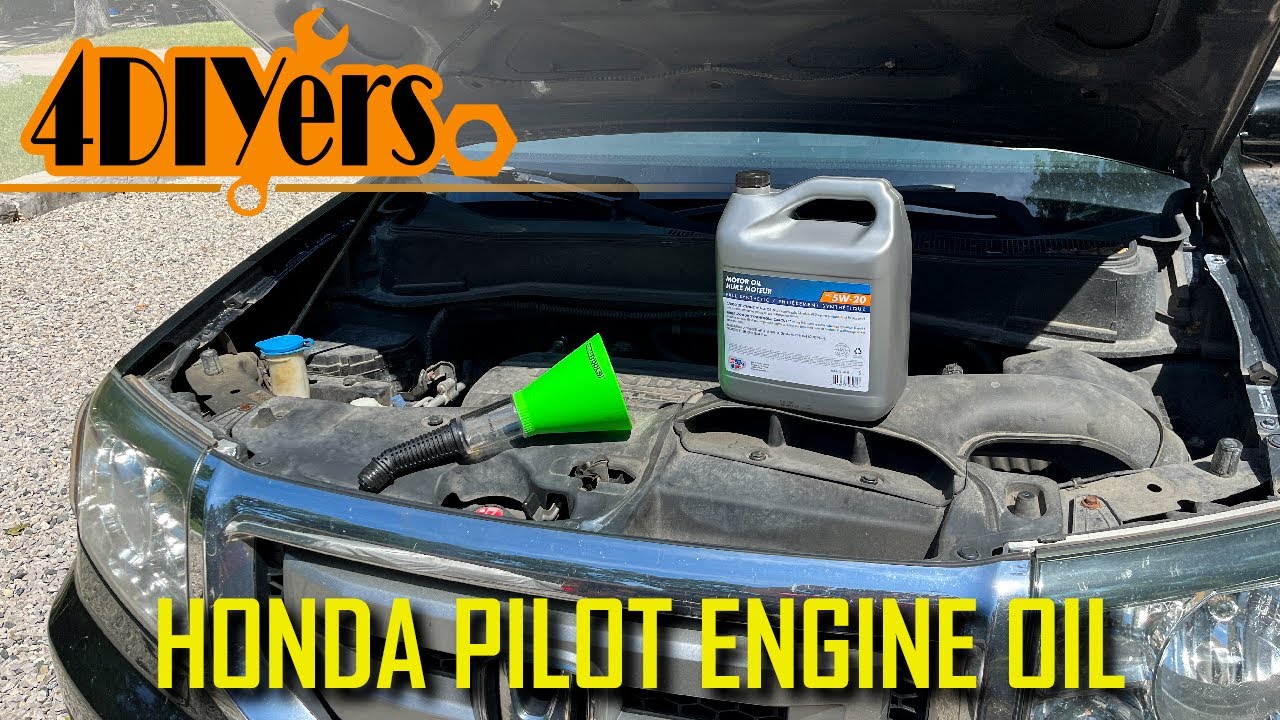
Why does this matter? An incorrectly installed drain plug or damaged oil pan can cause leaks, reducing oil level and risking engine damage. Always check for leaks after an oil change and replace the oil pan gasket if you see oil spots under your Pilot.
Credit: www.youtube.com
Comparing Honda Pilot Oil Capacity To Other Suvs
Some drivers wonder how the Honda Pilot compares to similar SUVs. Here’s a quick look at typical oil capacities for midsize SUVs:
| Model | Engine | Oil Capacity (w/ filter) |
|---|---|---|
| Honda Pilot (2023) | 3.5L V6 | 5.7 qt (5.4L) |
| Toyota Highlander (2023) | 3.5L V6 | 5.8 qt (5.5L) |
| Ford Explorer (2023) | 2.3L Turbo | 5.7 qt (5.4L) |
| Chevrolet Traverse (2023) | 3.6L V6 | 6.0 qt (5.7L) |
| Kia Telluride (2023) | 3.8L V6 | 6.3 qt (6.0L) |
The Honda Pilot’s oil capacity is in line with most competitors, but always check your specific year and engine.
Signs Of Low Or High Oil Level
It’s not always obvious when your oil level is wrong. Watch for these symptoms:
Low oil signs:
- Oil warning light on the dash
- Ticking or knocking sounds from the engine
- Higher engine temperature
- Reduced engine power
High oil signs:
- White exhaust smoke (oil burning)
- Oil leaks under the engine
- Rough idle or stalling
If you notice any of these, stop the engine and check the oil immediately.
Practical Tips For Accurate Oil Changes
Getting the oil level right is easier if you follow these tips:
- Measure oil in quarts or liters, not just by eye.
- Use the dipstick as your final check, not just the amount you pour in.
- If the filter is hard to access, use an oil filter wrench made for Honda Pilots.
- Always replace the crush washer on the drain plug to prevent leaks.
- Record the date and mileage of every oil change in a logbook or app.
Non-obvious tip: If you drive on steep hills, check your oil more often. Slopes can shift oil in the pan, exposing the pickup tube if the level is low.
Frequently Asked Questions
What Is The Oil Capacity For The 2022 Honda Pilot?
The 2022 Honda Pilot with the 3.5L V6 engine uses 5.7 US quarts (5.4 liters) of oil when changing the filter. If you only drain the oil and do not replace the filter, the capacity is 4.0 US quarts (3.8 liters). Always confirm with your owner’s manual.
Can I Use 5w-30 Oil In My Honda Pilot?
Honda recommends 0W-20 (2011 and newer) or 5W-20 (older models). Using 5W-30 is not recommended as it may affect fuel economy and engine performance. Always use the viscosity grade specified by Honda for your model year.
How Do I Know If My Oil Level Is Correct After An Oil Change?
After changing oil and filter, start the engine for 2–3 minutes, turn it off, and wait 5 minutes. Pull the dipstick, wipe clean, reinsert, and check. The oil should be between the minimum and maximum marks. Add small amounts if needed.
Is It Safe To Drive If I Overfilled The Oil?
Driving with too much oil can be risky. Excess oil can cause leaks, foaming, and damage to engine components. If you overfilled, drain the extra oil as soon as possible. Don’t drive far until the level is correct.
Where Can I Find The Official Oil Specifications For My Honda Pilot?
The most reliable source is your owner’s manual or the official Honda website. For more details, you can also check the Honda Owners Site for up-to-date specifications.
Owning a Honda Pilot means enjoying reliable performance and comfort, but only if you pay attention to details like oil capacity. Taking a few extra minutes to check and refill oil correctly can save you thousands in repairs and keep your SUV running strong for years.
Whether you do your own maintenance or visit a shop, understanding your Honda Pilot’s oil needs gives you confidence behind the wheel.