
If you’re thinking about owning a Nissan GT-R, you probably want the thrill without the headaches. But not all GT-R model years are created equal.
Some come with quirks and issues that can turn your dream car into a costly repair project. You don’t want to get stuck with a version that drains your wallet or tests your patience. You’ll discover which Nissan GT-R years you should steer clear of, why they’re problematic, and how to pick the right one for your garage.
Read on to make a smart, confident choice and enjoy the legendary performance of the GT-R without the unexpected troubles.
Early Nissan Gt-r Models
The early Nissan GT-R models, mainly produced in the late 2000s, are often seen as a mixed bag. These first-generation GT-Rs brought a new level of performance but came with some issues. Many enthusiasts enjoy their raw appeal. Still, some problems make these years less desirable for buyers seeking reliability and comfort.
These early models are sometimes called CBA models. They have unique features but also some flaws that owners should know. Understanding these common issues helps in making a better purchase decision.
Bellhousing Rattle Issues
One major complaint is the bellhousing rattle. This noise is a loud clanking sound from the transmission area. It happens due to looseness inside the bellhousing. The rattle does not usually mean serious damage right away, but it is annoying.
Fixing the bellhousing rattle is costly. It requires removing and repairing parts inside the transmission. Many owners find this repair expensive and time-consuming. This issue is more common in early GT-Rs and less so in newer models.
Harsh Suspension Problems
The suspension on early GT-R models is very stiff. It gives a harsh ride, especially on normal roads. This stiffness makes daily driving uncomfortable for some people. The car feels rough over bumps and uneven surfaces.
Later GT-R models improved the suspension for better comfort. They kept the performance but added more smoothness. For those who want a GT-R for everyday use, early models may not be the best choice due to this harsh ride.
Improvements In Later Models
The Nissan GT-R has evolved significantly over the years. Later models show clear improvements in key areas. These changes enhance comfort, performance, and style. Understanding these upgrades helps buyers avoid older models with known issues.
Suspension Upgrades
The suspension system in later GT-R models became softer and more refined. This change reduces the harshness felt during daily driving. It offers better handling without sacrificing comfort. The improved suspension allows smoother rides on rough roads. This upgrade makes the GT-R more practical for everyday use.
Interior Redesign
The interior saw a major overhaul in newer GT-Rs. The dashboard design became cleaner and more modern. Higher-quality leather materials replaced earlier, less durable fabrics. The infotainment system was simplified to reduce button clutter. These changes create a more pleasant driving environment. The cabin feels more luxurious and user-friendly.
Exterior Restyling
Later models received updates to their exterior design. Aerodynamics improved with a redesigned front and rear fascia. The hood was made stiffer to enhance durability. These tweaks not only boost performance but also refresh the car’s look. The restyling makes the GT-R appear sharper and more aggressive on the road.
Common Gt-r Mechanical Problems
The Nissan GT-R is a powerful sports car with a strong engine and advanced technology. Still, some mechanical issues can affect certain model years. Understanding these common problems helps buyers avoid costly repairs.
Many GT-R owners report that the car performs well overall. However, some parts like the transmission and differential may wear faster on earlier models. Using launch control frequently can also cause extra stress on components.
Transmission Concerns
The GT-R uses a dual-clutch transmission known for fast shifts. Some early models experienced transmission issues like harsh gear changes or slipping. These problems often appear after heavy use or lack of maintenance.
Replacing or repairing the transmission can be expensive. Regular fluid changes and inspections reduce the risk of failure. Buyers should check service history carefully to avoid trouble.
Differential Wear
The GT-R’s all-wheel-drive system depends on a complex differential. Some owners report premature differential wear, especially on models driven hard. Symptoms include unusual noises and poor handling.
Replacing the differential is costly and labor-intensive. Proper fluid maintenance and avoiding aggressive driving help extend its life. Look for signs of wear during inspections.
Launch Control Impact
Launch control helps the GT-R accelerate quickly from a stop. While fun, frequent use adds extra strain on the transmission and drivetrain. This can lead to faster wear and possible damage.
Owners who use launch control often should expect more maintenance. Cars with heavy launch control use may need parts replaced sooner. Consider this when buying a used GT-R.
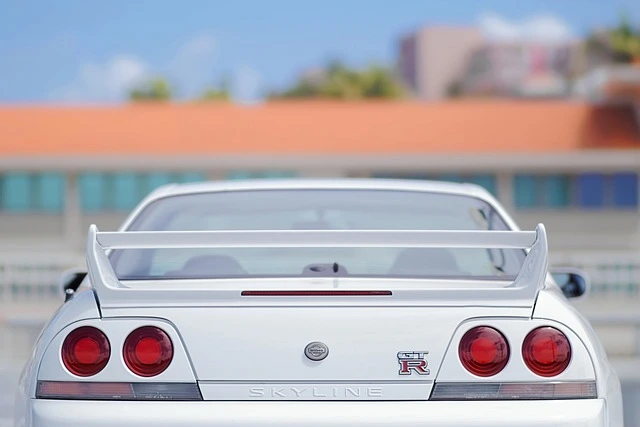
Credit: www.copilotsearch.com
Models To Avoid
The Nissan GT-R is a powerful sports car with a loyal fan base. Yet, some models carry risks that buyers must know. Certain years and modifications can lead to costly repairs or poor driving experiences.
Understanding which GT-R models to avoid helps you make a smarter purchase. Below are key categories to watch out for.
Early Production Years (cba Models)
The earliest GT-Rs, known as CBA models, have several issues. Many enthusiasts and mechanics avoid these years.
- Bellhousing Rattle: These cars often make a rattling noise from the bellhousing. It does not cause immediate failure but can be expensive to fix.
- Stiff Ride: The suspension is very harsh and uncomfortable for daily driving. Later models improved ride comfort significantly.
Later GT-R models fixed these problems by adding better suspension and interior upgrades.
Heavily Modified Cars
GT-Rs are a favorite among car tuners. Many owners modify their cars for more power and style.
Modifications can be risky without proper care. Some builds lack quality parts or professional work.
- Full Bolt-On (FBO) Kits: These kits increase power but can strain the engine and transmission.
- Unverified Power Tunes: Large power increases without expert tuning may cause reliability issues.
- Unknown Maintenance: Modified cars often have unclear service histories, increasing repair risks.
Stick to stock or lightly modified GT-Rs from trusted sources. Always check for detailed maintenance records.
Maintenance Tips For Buyers
Maintaining a Nissan GT-R properly is key to enjoying its full performance. Buyers should take extra care to avoid costly surprises. Understanding maintenance needs helps keep the car reliable and fun to drive. Regular upkeep protects your investment in this high-performance machine.
Checking Maintenance Records
Always ask for full maintenance records before buying. These records show if the car had regular oil changes and fluid flushes. A well-documented history means the previous owner cared for the GT-R. Missing or sparse records could signal neglect or hidden problems.
Dealer Pre-purchase Inspection
Get a dealer pre-purchase inspection from a Nissan specialist. They know the common issues and can spot trouble early. This inspection covers the engine, transmission, and electronics. It helps avoid buying a GT-R with costly hidden defects.
Avoiding Costly Repairs
Stick to GT-Rs with a clean service history to avoid big repair bills. Watch out for cars with heavy modifications that can cause extra wear. Replace fluids and filters on schedule to keep parts working well. Catch small issues early before they turn expensive.
Finding Reliable Gt-rs
Finding a reliable Nissan GT-R requires careful research and smart choices. The GT-R is a high-performance car with complex engineering. Some model years have known issues that can lead to costly repairs. Knowing where to find trustworthy sellers and expert mechanics helps avoid these problems. This section highlights key resources to find dependable GT-Rs.
Certified Dealerships And Mechanics
Certified Nissan dealerships offer GT-Rs that meet strict quality standards. They provide thorough inspections and detailed service histories. Buying from a certified dealer reduces the risk of hidden problems. These dealerships often offer warranties and official maintenance plans. Their mechanics are trained specifically on Nissan GT-R models. They can spot early signs of trouble before you buy. Certified mechanics also use genuine Nissan parts for repairs. This ensures the car stays reliable and performs well.
Online Marketplaces And Forums
Online marketplaces list many GT-Rs from private sellers and dealers. Sites like AutoTrader and Cars.com let you filter by year and condition. Always check seller ratings and read buyer reviews. Forums dedicated to Nissan GT-R owners provide valuable insights. Experienced owners share tips on which years to avoid. They discuss common problems and trusted sellers. Forum members often post maintenance histories and photos. This helps you make informed decisions and avoid bad buys. Joining a GT-R community also offers ongoing support after purchase.
Gt-r Reliability Overview
The Nissan GT-R has earned a strong reputation for reliability over the years. It offers a robust mechanical setup that handles power and stress well. Many owners report few major issues even after long-term use.
This reliability is a key reason why the GT-R remains popular among sports car enthusiasts. Still, some model years have quirks that buyers should know about. Understanding these helps avoid costly repairs and ensures a smoother ownership experience.
Long-term Owner Experiences
Owners of the GT-R often praise its solid build and durable engine. Many have driven their cars for over 100,000 miles with little trouble. Routine maintenance is important to keep the car running well.
Some early models experienced minor issues like bellhousing rattles and stiff suspension. These problems tend to be more annoying than harmful but can lead to expensive fixes. Later versions improved ride comfort and reduced common faults.
Overall, GT-R owners find the car reliable if cared for properly. Regular fluid changes and inspections prevent major failures. The GT-R’s engineering supports long-term performance under normal driving conditions.
Comparison With Other Supercars
Compared to many supercars, the GT-R stands out for its practicality and dependability. It costs less to maintain and repair than many European rivals. This makes it a sensible choice for daily use.
While some supercars demand frequent, costly service, the GT-R’s engine and transmission are known for lasting longer. It handles high power without frequent breakdowns. This reliability helps owners avoid unexpected repair bills.
The GT-R blends supercar performance with strong mechanical durability. It offers a balance that few others match in its price range. This combination appeals to drivers who want speed without constant worry.
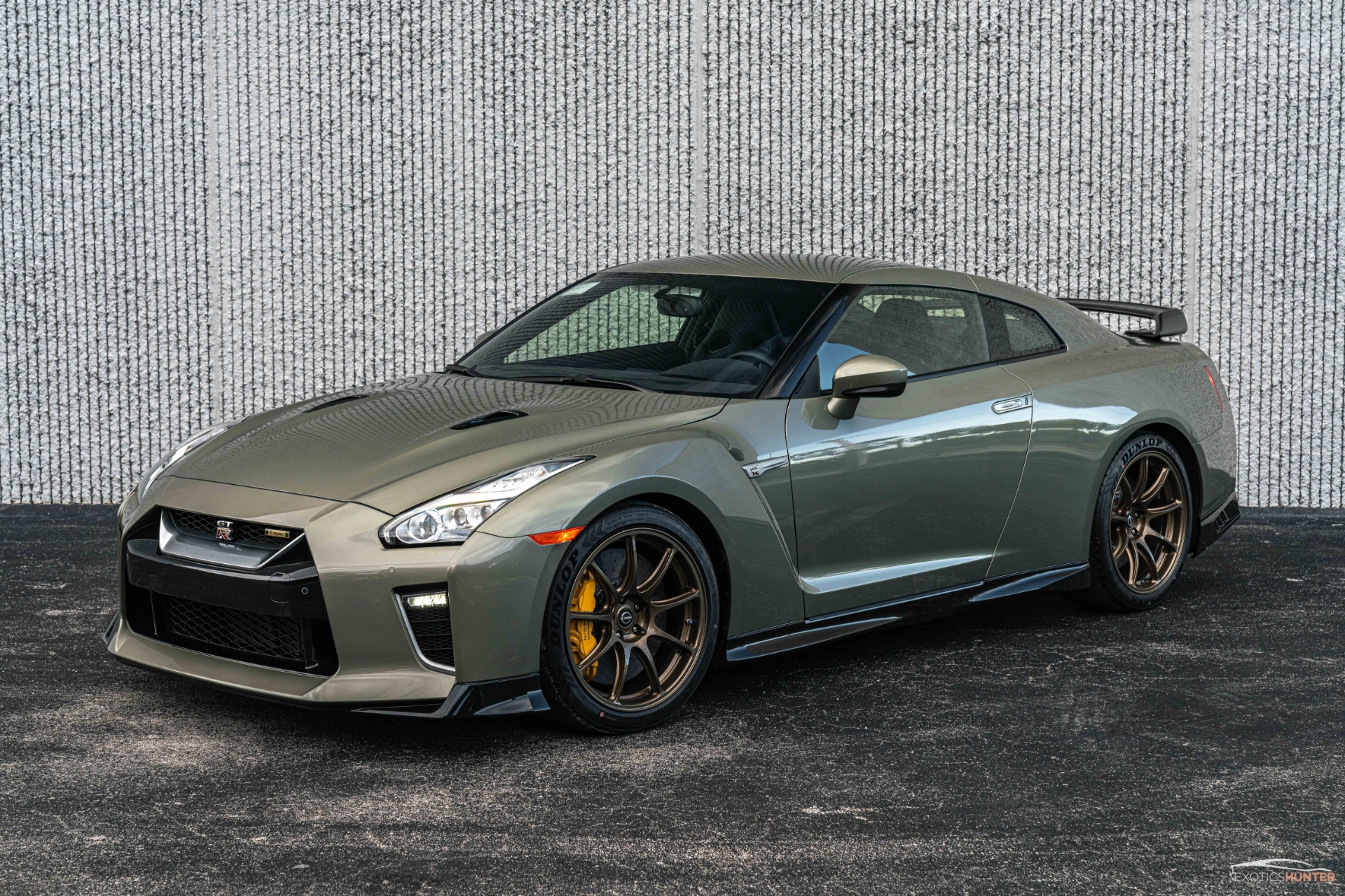
Credit: www.exoticcarhacks.com
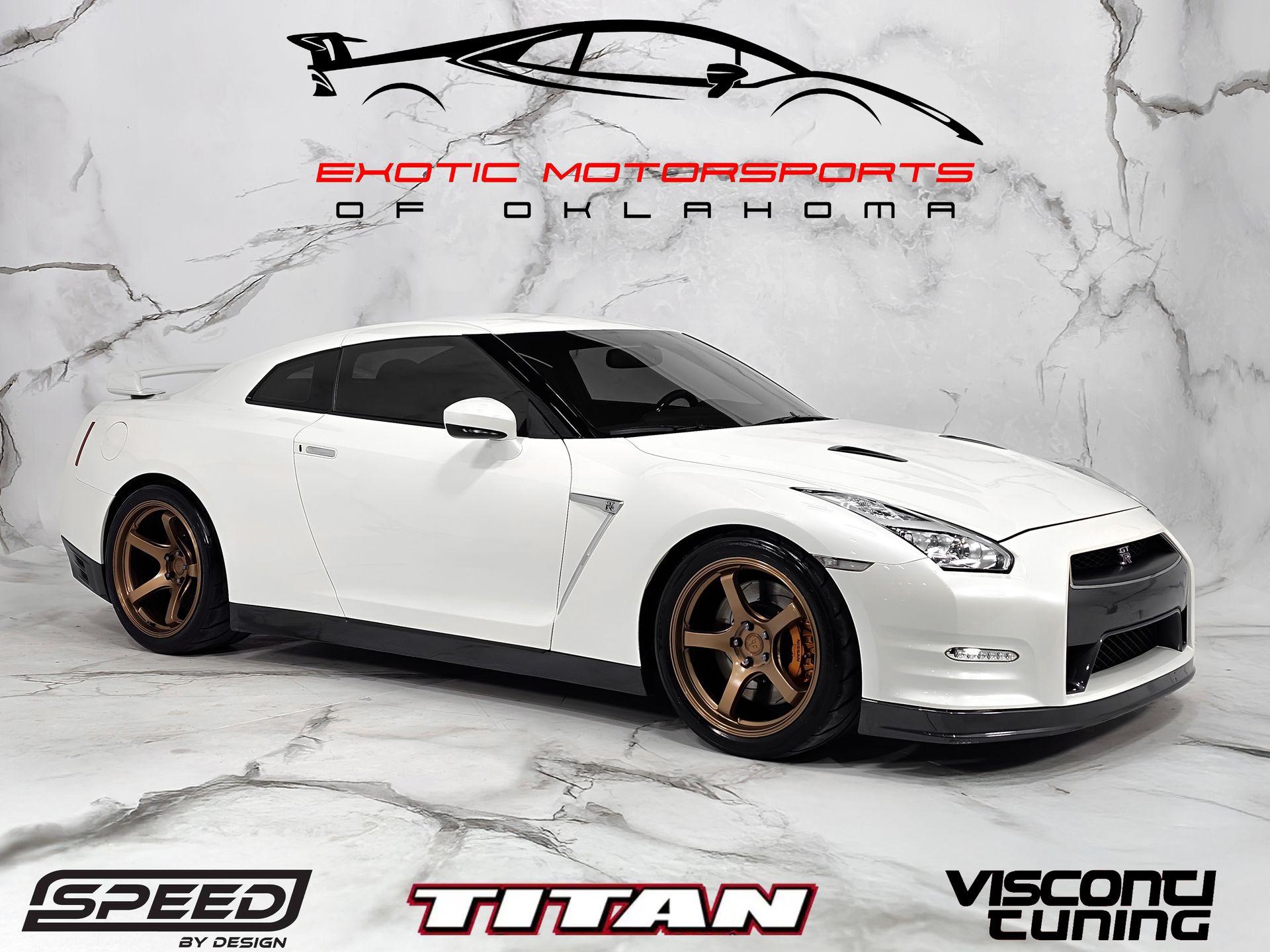
Credit: www.exoticmotorsportsok.com
Frequently Asked Questions
What Year Is The Most Reliable Nissan Gt-r?
The 2012 Nissan GT-R is the most reliable model year, offering improved suspension, interior, and fewer mechanical issues.
Are The Nissan Gt-r Reliable?
The Nissan GT-R is generally reliable with a robust mechanical package. Avoid early CBA models due to bellhousing noise and stiff suspension. Regular maintenance and careful inspection of modifications ensure long-term dependability. Choose later models for improved comfort and fewer issues.
What Is A Godzilla Car?
A Godzilla car is the Nissan GT-R, a high-performance sports car known for speed, power, and advanced technology.
What’s The Average Lifespan Of A Gt-r?
The average Nissan GT-R lifespan ranges from 150,000 to 200,000 miles with proper maintenance and care. Regular servicing ensures longevity.
Which Nissan Gt-r Years Are Best To Avoid?
Early 2009-2010 models often have bellhousing rattles and harsh suspension. These issues make daily driving less comfortable and repairs costly.
Conclusion
Avoid early Nissan GT-R models due to common mechanical issues. Later years offer better suspension, interior, and reliability. Always choose stock or lightly modified cars with full maintenance records. A dealer pre-purchase inspection helps reveal hidden problems. Careful research prevents costly repairs and keeps your GT-R experience enjoyable.