
The Jeep TJ is a legendary vehicle among off-road fans and everyday drivers alike. Known for its durability, simple mechanics, and classic styling, the TJ model, produced from 1997 to 2006, holds a special place in the hearts of many Jeep owners. Yet, one area that often confuses both new and experienced owners is the Jeep TJ oil capacity. Understanding this is not just about pouring in the right amount of oil. It’s about protecting your engine, extending its life, and keeping your Jeep running smoothly on and off the road.
If you’ve ever wondered how much oil your TJ actually needs, why it matters, or what happens if you get it wrong, this guide is for you. Here, you’ll find everything you need to know about Jeep TJ oil capacity, including specific numbers for each engine, how oil capacity affects engine health, step-by-step oil change advice, and tips to avoid common mistakes.
Whether you’re a DIYer or just want to be informed before your next service, you’ll be equipped to make smart choices for your Jeep.
Jeep Tj Engine Types And Oil Capacity
The Jeep TJ came with several engine options during its production years. Each engine has its own specific oil capacity, which is important to know for proper maintenance. Let’s break down the details for each engine commonly found in the Jeep TJ.
2.5l Inline-4 Engine (1997–2002)
The 2.5L inline-4 was available in early TJ models. It’s known for its simplicity and reliability, especially for light off-road use and daily driving. For this engine:
- Oil capacity (with filter): 4 quarts (3.8 liters)
- Recommended oil weight: 5W-30 or 10W-30, depending on climate
4.0l Inline-6 Engine (1997–2006)
The most popular engine option, the 4.0L inline-6, is famous for its torque and longevity. Most Jeep TJs on the road today have this engine.
- Oil capacity (with filter): 6 quarts (5.7 liters)
- Recommended oil weight: 10W-30 or 5W-30
2.4l Dohc Inline-4 Engine (2003–2006)
Later TJ models (mainly SE trim) used the 2.4L DOHC engine, offering improved fuel efficiency and a modern design.
- Oil capacity (with filter): 4 quarts (3.8 liters)
- Recommended oil weight: 5W-30
Oil Capacity Comparison
Here’s a simple comparison table for quick reference:
| Engine | Year Range | Oil Capacity (w/ filter) | Recommended Oil |
|---|---|---|---|
| 2.5L Inline-4 | 1997–2002 | 4 quarts (3.8L) | 5W-30 / 10W-30 |
| 4.0L Inline-6 | 1997–2006 | 6 quarts (5.7L) | 10W-30 / 5W-30 |
| 2.4L DOHC Inline-4 | 2003–2006 | 4 quarts (3.8L) | 5W-30 |
Knowing these numbers is your first step to proper Jeep TJ maintenance. But there’s more to oil capacity than just numbers.
Why Oil Capacity Matters For Your Jeep Tj
It’s easy to think of oil changes as a simple, routine task. But the right oil capacity is crucial for engine health. Here’s why:
- Proper Lubrication: The correct amount of oil ensures all moving parts are coated and protected. Too little oil means parts can rub together, causing wear and possible engine damage.
- Heat Dissipation: Oil helps remove heat from the engine. If you run low, heat builds up, which can warp metal parts and cause expensive problems.
- Contaminant Removal: Oil traps dirt, carbon, and other debris. More oil means more capacity to hold these contaminants until your next oil change.
- Oil Pressure: Too much or too little oil affects pressure. Low pressure can starve the engine of lubrication, while high pressure can cause leaks or even blow out seals.
Hidden Dangers Of Incorrect Oil Capacity
Many beginners don’t realize that both overfilling and underfilling are risky. Overfilling can cause the oil to foam, reducing its ability to lubricate. It can also put extra pressure on seals and gaskets, leading to leaks. Underfilling is even worse; it means your engine parts are not properly protected.
An often-missed insight: after an oil change, always check the oil level with the dipstick after running the engine for a minute. This allows the oil filter to fill up and gives an accurate reading.
Signs You Have The Wrong Oil Level
How do you know if you’ve added too much or too little oil? Watch for these signs:
- Oil pressure warning light: This could mean low oil or low pressure, both of which are dangerous.
- Blue smoke from exhaust: This is often a sign of too much oil burning off.
- Unusual engine noises: Knocking, ticking, or tapping could mean your engine isn’t getting enough oil.
- Oil leaks: Too much oil can blow out seals, causing leaks under your Jeep.
If you notice any of these, stop driving and check your oil level immediately.
How To Check Jeep Tj Oil Level
Checking the oil isn’t just for mechanics. It’s an easy skill every Jeep owner should know. Here’s how:
- Park on level ground. Wait a few minutes after shutting off the engine to let oil settle.
- Open the hood and find the dipstick, usually with a yellow or orange handle.
- Pull out the dipstick and wipe it clean with a rag or paper towel.
- Re-insert the dipstick fully, then pull it out again.
- Check the oil level. The oil should be between the “MIN” and “MAX” marks. If it’s below “MIN,” add oil. If it’s above “MAX,” you may need to drain some out.
An easy-to-miss detail: oil color matters too. Clean oil is amber; dark, gritty oil means it’s time to change it.
Jeep Tj Oil Change: Step-by-step Guide
Changing your Jeep’s oil at home is a great way to save money and stay connected to your vehicle. Here’s a full guide tailored for the TJ:
What You’ll Need
- Correct amount and type of engine oil (see earlier section)
- New oil filter (get a quality brand for your engine)
- Oil drain pan
- Funnel
- Wrench or socket set (usually 5/8” or 16mm for the drain plug)
- Clean rags or paper towels
- Jack and jack stands (if you need extra clearance)
- Gloves (optional, but keeps hands clean)
Steps To Change Oil
- Warm up the engine. Run your Jeep for 3–5 minutes. Warm oil drains faster and takes more dirt with it.
- Raise the vehicle if needed and secure with jack stands.
- Place drain pan under the oil pan (bottom of the engine).
- Remove the oil fill cap on top of the engine. This helps oil drain smoothly.
- Remove the oil drain plug with a wrench. Let oil drain completely (usually 5–10 minutes).
- Replace the drain plug and tighten securely (don’t over-tighten).
- Move the drain pan under the oil filter.
- Unscrew the oil filter (use an oil filter wrench if tight). Some oil will spill.
- Rub a little new oil on the gasket of the new filter. This helps it seal properly.
- Install the new oil filter. Tighten by hand—do not use a wrench.
- Add new oil through the fill hole using a funnel. Add the correct amount for your engine.
- Start the engine and let it run for 1–2 minutes. Check for leaks under the Jeep.
- Turn off the engine, wait a minute, and re-check the oil level. Add oil if needed.
Oil Change Interval
The usual recommendation is to change oil every 3,000 to 5,000 miles (4,800–8,000 km) for conventional oil. If you use full synthetic oil and mostly drive on highways, you might go up to 7,000 miles (11,000 km). But for Jeeps used off-road, dusty areas, or in hot climates, stick to the shorter interval.
Choosing The Right Oil For Your Jeep Tj
Oil is not “one size fits all.” Using the right oil for your engine, climate, and driving habits is essential. Here’s how to choose:
Viscosity
Viscosity is the oil’s thickness. The numbers (like 5W-30) show how oil flows at different temperatures. For most Jeep TJs:
- 5W-30: Good for cold climates, easier starts in winter.
- 10W-30: Better for hot climates, protects at higher temperatures.
Conventional Vs. Synthetic
- Conventional oil is cheaper and works fine for daily driving.
- Synthetic oil costs more but protects better under extreme heat, heavy loads, or off-road driving.
A practical tip: If you do a lot of short trips where the engine doesn’t fully warm up, synthetic oil can reduce wear.
Oil Quality
Always choose oil that meets or exceeds API SJ, SL, or SM standards for gasoline engines. This information is on the oil bottle.

Oil Filter: What You Need To Know
Changing the oil filter every oil change is just as important as the oil itself. The filter catches dirt and particles that can damage your engine.
- OEM filters (original equipment) are always a safe bet.
- Aftermarket filters from quality brands (like Wix, Fram, or K&N) can offer good protection. Avoid cheap, no-name filters.
A common mistake is reusing the old filter or buying the wrong size. Always double-check your engine and model year before buying.
Oil Capacity And Other Fluids: Complete Jeep Tj Fluid Chart
Your engine oil isn’t the only fluid your Jeep depends on. Here’s a quick overview of other essential fluids:
| Fluid | System | Capacity | Notes |
|---|---|---|---|
| Engine Oil | Engine | 4–6 quarts (see engine) | Change every 3,000–5,000 miles |
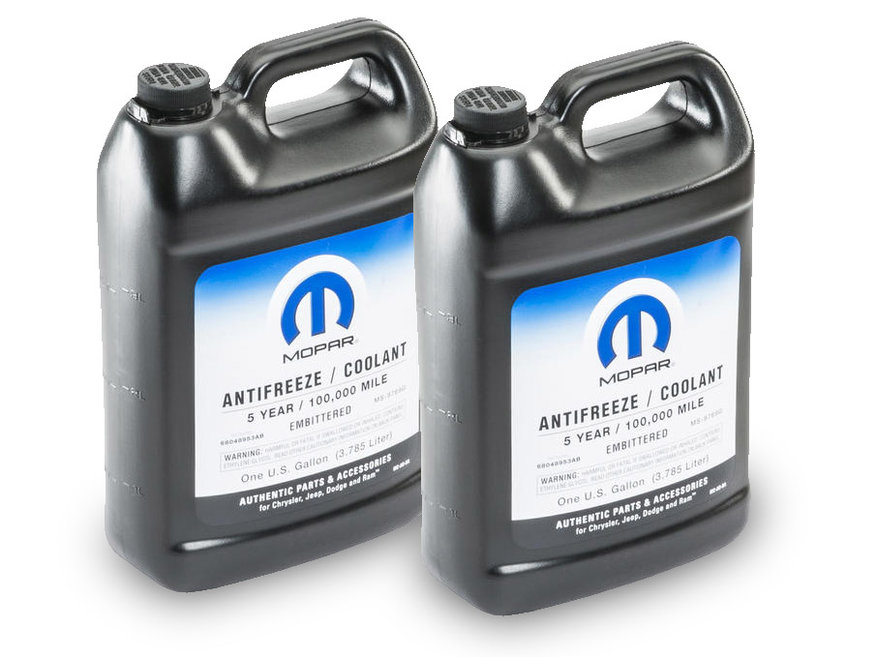
| Coolant | Radiator | 10–11 quarts (9.5–10.4L) | Use HOAT or correct type |
| Transmission Fluid | Manual/Auto | 2–4 quarts (1.9–3.8L) | Varies by transmission type |
| Transfer Case Fluid | 4WD system | 1–2 quarts (0.9–1.9L) | Check for leaks regularly |
| Differential Fluid | Front/Rear Axle | 2–3 pints (0.9–1.4L) | Use gear oil 75W-90 |
| Brake Fluid | Brakes | Fill to “MAX” line | DOT 3 or DOT 4 |
This complete fluid chart helps you plan all your Jeep TJ maintenance, not just oil changes.
Common Oil Capacity Mistakes Jeep Tj Owners Make
Even experienced owners can make mistakes with oil changes. Here are some to avoid:
- Guessing the oil amount: Always check your owner’s manual or reliable sources for your specific engine. Don’t assume.
- Not replacing the filter: Some skip the filter, thinking it’s fine. This reduces oil life and engine protection.
- Pouring oil too fast: Pour slowly to prevent overfilling. Let the oil settle before checking the dipstick.
- Forgetting to check after running: After starting the engine, re-check the level. The filter holds some oil.
- Using the wrong viscosity: Oil that’s too thick or thin for your climate can hurt performance and engine life.
A detail many miss: always buy a little extra oil. Sometimes, a small spill or a filter that holds more oil means you’ll need a bit more than the listed capacity.
Jeep Tj Oil Capacity And Extreme Driving Conditions
If you use your Jeep for off-roading, towing, or in very hot/cold climates, you need to pay extra attention to oil choice and level.
- Off-roading: High RPMs and steep angles can cause oil to slosh away from the pickup tube, risking oil starvation. Keep your oil at the upper “full” mark.
- Towing: The engine works harder and gets hotter. Synthetic oil offers extra protection.
- Cold weather: Use the thinnest oil recommended (like 5W-30) for easier starts and better flow.
Some drivers install an aftermarket oil pan with higher capacity for extra protection in harsh conditions. This is advanced but can be a smart upgrade for frequent off-roaders.
Checking Oil Capacity After Major Engine Work
If you’ve had engine repairs, or replaced the oil pan or filter adapter, double-check the oil capacity. Sometimes, aftermarket parts change the amount of oil the engine holds. Always fill to the recommended level on the dipstick, not just by the number of quarts.
Using Additives: Should You Increase Oil Capacity?
Some products claim to improve performance by increasing oil volume or adding extra “protection. ” In most cases, these are not necessary for a well-maintained engine. Your Jeep TJ is designed to run best with the factory-recommended oil capacity. Only use additives if a trusted mechanic suggests it for a specific problem.
Jeep Tj Oil Capacity: Myths Vs. Facts
There’s a lot of advice online, but not all of it is accurate. Here are some common myths and the real facts:
- Myth: More oil is always better. Fact: Too much oil is just as dangerous as too little.
- Myth: All Jeep engines use 5 quarts. Fact: The 4.0L engine uses 6 quarts; smaller engines use 4 quarts.
- Myth: Synthetic oil increases capacity. Fact: Synthetic and conventional oil have the same capacity. The difference is in protection and longevity.
A non-obvious tip: Always check for oil leaks after every change, especially if you drive off-road. Rocks and debris can damage the oil pan or filter.
Real-world Example: 2004 Jeep Tj Oil Change
Let’s walk through a real scenario to see these tips in action.
- Jeep: 2004 Wrangler TJ, 4.0L inline-6
- Oil used: 10W-30 synthetic, 6 quarts
- Oil filter: Mopar MO-090
Steps followed:
- Warmed up engine for 5 minutes.
- Raised vehicle and placed drain pan.
- Removed oil cap and drain plug, let oil drain.
- Replaced drain plug, changed filter, oiled gasket.
- Poured in 5.5 quarts, started engine, ran for 2 minutes.
- Topped up to 6 quarts after checking dipstick.
Result: No leaks, oil level perfect, engine ran smoother. Owner checked again after a short drive to confirm.
Environmental Tips: Handling Used Oil
Never pour used oil down the drain or on the ground. It’s illegal and harms the environment. Most auto parts stores accept used oil for recycling. Store it in a clean, sealed container and drop it off responsibly.
Jeep Tj Oil Capacity Reference By Year
For those who want a quick reference by year and engine:
| Year | Engine Options | Oil Capacity (w/ filter) |
|---|---|---|
| 1997–2002 | 2.5L I4 / 4.0L I6 | 4 qt / 6 qt |
| 2003–2006 | 2.4L I4 / 4.0L I6 | 4 qt / 6 qt |
Always verify with your owner’s manual for your exact model year and trim.
Where To Find Reliable Oil Capacity Information
The best sources are your official owner’s manual, the fill cap (sometimes shows oil weight), and reputable Jeep forums. For technical details, the Jeep Wrangler (TJ) Wikipedia page is also helpful.
Frequently Asked Questions
What Happens If I Overfill My Jeep Tj With Oil?
If you overfill, the oil can foam, reducing lubrication. This can lead to engine damage or blown seals. If you realize you’ve added too much, drain the extra oil as soon as possible.
How Often Should I Check My Jeep Tj’s Oil Level?
Check at least once a month and before any long trip. If you drive off-road or in extreme conditions, check more often.
Can I Switch From Conventional To Synthetic Oil In My Jeep Tj?
Yes, you can switch at any time. Synthetic oil offers better protection, especially under hard use. Make sure to use the correct viscosity.
Does A Larger Oil Filter Increase Oil Capacity?
A slightly larger filter may add a few ounces but does not significantly change the total oil capacity. Always fill to the dipstick’s “full” line.
Where Can I Recycle Used Engine Oil?
Most auto parts stores, service stations, and recycling centers accept used oil. Never dispose of oil in the trash, on the ground, or down drains.
Understanding your Jeep TJ oil capacity is more than just a maintenance detail—it’s a key part of keeping your legendary Jeep running strong for years. By following the right steps, using the correct oil and filter, and checking your oil regularly, you’ll avoid costly mistakes and enjoy worry-free adventures on and off the road. Stay proactive and your Jeep TJ will reward you with reliability and performance every time you turn the key.