
The Kawasaki FX691V is a popular engine found in many commercial mowers and heavy-duty outdoor equipment. If you own or maintain machines powered by this engine, understanding its oil capacity is more important than you might think. Using the right amount and type of oil doesn’t just help the engine run smoothly—it can make the difference between years of reliable service and costly breakdowns.
Unfortunately, many people overlook the details, leading to problems that could have been avoided.
Let’s dig deep into the Kawasaki FX691V oil capacity, why it matters, and how to get oil changes right every time. Along the way, you’ll discover tips that even experienced operators sometimes miss, and you’ll gain the confidence to keep your engine running at its best.
Getting To Know The Kawasaki Fx691v
The Kawasaki FX691V is a two-cylinder, air-cooled, 4-cycle vertical shaft engine. It’s designed for commercial use—think of zero-turn mowers, ride-on mowers, and other turf equipment that work for hours at a time. The engine is known for durability, strong torque, and easy maintenance.
Some key specifications:
- Displacement: 726 cc (44.3 cu in)
- Bore x Stroke: 78 x 76 mm (3.07 x 2.99 in)
- Power Output: Up to 22.0 HP at 3,600 rpm
- Fuel: Regular unleaded gasoline
But for engine life, the most critical details are related to oil: capacity, type, and change intervals.
Kawasaki Fx691v Oil Capacity: The Precise Number
When you change the oil in your FX691V, you need to know how much to add. Too much or too little can cause problems.
- Oil capacity (with filter change): 2.1 US quarts (2.0 liters)
- Oil capacity (without filter change): 1.9 US quarts (1.8 liters)
It’s essential to include the oil filter in your regular oil changes, so most of the time, you’ll be using 2. 1 US quarts. Always check the dipstick after filling, as small variations may occur due to residual oil or engine position.
Tip: Pour in about 80% of the total capacity, wait a minute, then check the dipstick. Top up slowly to avoid overfilling.
Why Oil Capacity Matters
Using the correct oil capacity ensures:
- Proper lubrication: Every moving part is coated, reducing wear.
- Cooling: Oil helps remove heat from critical areas.
- Contaminant removal: Oil carries away dirt and combustion by-products.
Too little oil means parts wear faster and overheating can occur. Too much oil causes foaming, poor lubrication, and can damage seals.
What Type Of Oil Should You Use?
Oil type matters as much as oil amount. The Kawasaki FX691V is designed for multi-grade engine oils. The manufacturer recommends using SAE 10W-40 for most temperatures. This oil is thin enough to flow quickly at startup, but thick enough to protect at high operating temperatures.
You can also use:
- SAE 10W-30 for cooler climates
- SAE 20W-50 for very high temperatures
API Service Classification: Use oils with an API rating of SJ or higher.
Oil Type And Temperature Chart
Choosing the right oil for your climate ensures easy starting and strong protection. Here’s a quick reference:
| Ambient Temperature Range | Recommended Oil Type |
|---|---|
| Below 32°F (0°C) | SAE 5W-20, 5W-30 |
| 0°F to 104°F (-18°C to 40°C) | SAE 10W-30 |
| Above 32°F (0°C) | SAE 10W-40 |
| Above 50°F (10°C) | SAE 20W-50 |
Insight: Many users stick to 10W-30 all year, but switching to 10W-40 or 20W-50 during hot summers can help the engine last longer.
When And How Often Should You Change The Oil?
Kawasaki recommends changing the oil in the FX691V every 100 hours of operation or at least once a year—whichever comes first. For brand-new engines, change the oil after the first 8 hours to remove any break-in debris.
However, if you operate in dusty, hot, or wet conditions, changing the oil more often (every 50 hours) is smart. Dirty oil loses its protective properties quickly in harsh environments.
Oil Change Interval Table
Here’s a quick summary for easy reference:
| Operating Condition | Oil Change Interval |
|---|---|
| Normal (clean, moderate temp) | Every 100 hours |
| Severe (dusty, hot, wet) | Every 50 hours |
| First Oil Change (new engine) | After 8 hours |
| Storage (before long-term storage) | Change before storing |
Hidden detail: Many users forget to change oil after long periods of storage, but old oil can cause corrosion inside the engine.
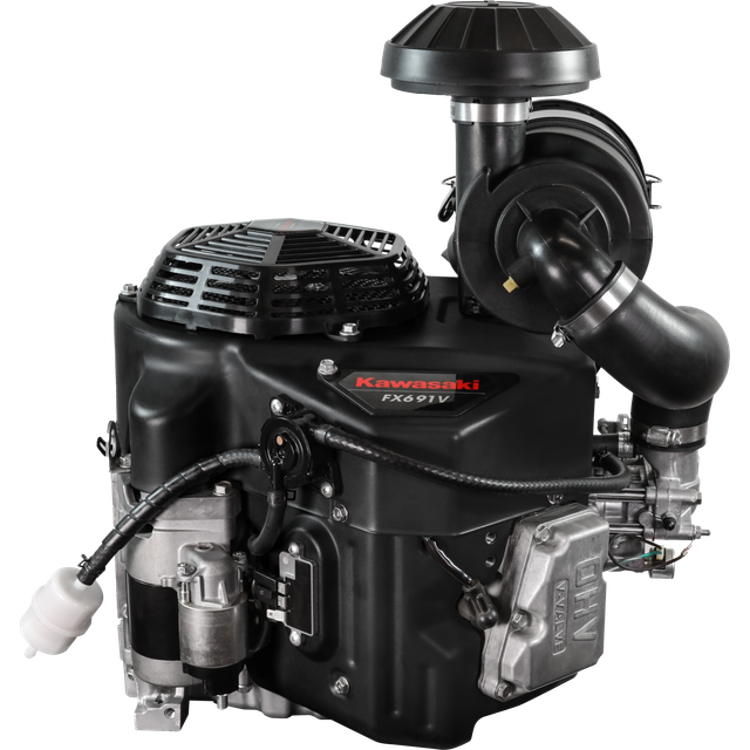
Credit: www.kawasaki-engines.eu
Step-by-step Oil Change For Kawasaki Fx691v
Changing oil in the FX691V is straightforward. Here’s how to do it right, even if you’re new to engine maintenance.
- Warm up the engine for 5 minutes. Warm oil flows better and carries out more dirt.
- Turn off the engine and remove the key. Let it cool until it’s safe to touch.
- Place a drain pan under the drain plug or hose.
- Remove the oil drain plug (or open the drain valve if equipped). Allow oil to drain completely. Be patient—wait a few minutes.
- Remove the oil filter using an oil filter wrench. Some oil will spill—have rags ready.
- Install a new oil filter. Lightly oil the rubber gasket before tightening by hand.
- Replace the drain plug and tighten securely.
- Add new oil. Pour in about 80% of the required capacity first.
- Check the oil level with the dipstick. Add oil slowly until it reaches the full mark.
- Start the engine and let it run for 1–2 minutes. Check for leaks.
- Shut off the engine and re-check the oil level. Top up if needed.
Practical Tips For A Clean Oil Change
- Use a funnel to avoid spills.
- Always use a genuine Kawasaki oil filter for best fit and filtration.
- Dispose of used oil properly—never pour it down the drain.
Non-obvious tip: If your engine is mounted at an angle (common in some mowers), double-check oil level after running the engine and letting it sit for a minute. The dipstick reading can change if the mower is on a slope.
Common Mistakes With Oil Capacity And Changes
Even experienced users sometimes make errors when it comes to oil capacity. Here are the most frequent mistakes—and how to avoid them.
- Overfilling the oil. Adding too much oil is a top mistake. It can cause foaming, leaks, and can damage seals. Always check the dipstick, not just the amount you pour in.
- Forgetting to change the oil filter. The filter traps dirt and debris. Reusing an old filter means dirty oil circulates.
- Not warming the engine before draining. Cold oil drains slowly and leaves more residue inside.
- Using the wrong oil type. Using oil that is too thin or thick for your climate can cause engine wear or hard starting.
- Ignoring the dipstick markings. The correct level is between the “FULL” and “ADD” marks. Never guess—always use the dipstick.
Expert insight: Some people rely only on hours of use for oil changes, but short trips or a season of storage can break down oil too. Time is as important as usage hours.
Signs Your Engine Oil Needs Attention
Knowing the warning signs of oil issues can save your engine. Watch for:
- Engine runs hotter than normal
- Strange noises (tapping or knocking)
- Oil appears very dark, gritty, or smells burnt
- Oil level drops quickly
- Smoke from exhaust
If you notice any of these, check your oil immediately. Running the engine with bad oil can cause permanent damage.
Choosing The Best Oil And Filter Brands
While Kawasaki recommends their own branded oils and filters, other top-quality brands are suitable if they meet the required specifications.
Popular oil brands:
- Kawasaki
- Mobil 1
- Valvoline
- Shell Rotella
Filter brands:
- Kawasaki OEM
- Fram
- Wix
Always double-check that the filter is designed for your FX691V model. Genuine filters often have better anti-drainback valves and gasket quality.
Oil And Filter Price Comparison
Let’s compare average retail prices for oil and filters:
| Product | Brand | Average Price (USD) |
|---|---|---|
| Engine Oil (10W-40, 1 qt) | Kawasaki | $8.00 |
| Engine Oil (10W-40, 1 qt) | Mobil 1 | $9.50 |
| Oil Filter | Kawasaki | $14.00 |
| Oil Filter | Wix | $9.00 |
Tip: Buying oil in gallon containers is often more cost-effective than single quarts.

Credit: www.kawasakienginestore.com
Storing And Handling Oil Properly
Many people don’t think about oil storage, but it matters for engine health.
- Keep oil containers sealed and in a cool, dry place.
- Never use oil from a container that’s been left open for months.
- Check the expiration date on synthetic oils—yes, they do expire!
- Dispose of old or contaminated oil at a recycling center.
Lesser-known fact: Oil can absorb moisture from the air over time, especially if the cap is loose. Moisture in oil can harm engine parts.
How To Read The Oil Dipstick Correctly
Reading the dipstick seems simple, but doing it right is key.
- Pull out the dipstick and wipe it clean.
- Reinsert fully, then pull out again to check the level.
- The oil should be between the “FULL” and “ADD” marks.
- If the oil is at the “ADD” mark or lower, add oil in small amounts and recheck.
Insight: Some dipsticks can be hard to read if oil is very clear. Tilt the dipstick in the light to spot the oil line.

Credit: www.kawasakienginestore.com
Environmental Impact: Why Proper Oil Management Matters
Used oil is a major pollutant if not handled responsibly. One gallon of used oil can contaminate one million gallons of water. Always:
- Use proper containers for disposal.
- Take used oil and filters to a recycling center.
- Never mix oil with other fluids (like coolant or gasoline).
You can find collection centers at many auto parts stores and local recycling facilities. For more on responsible oil disposal, see the EPA’s Used Oil Management page.
What Happens If You Use The Wrong Oil Capacity?
It’s tempting to just pour oil in until it “looks right,” but this is risky.
If you underfill:
- The engine may overheat.
- Bearings and moving parts wear out faster.
- Oil pressure can drop, causing severe damage.
If you overfill:
- The crankshaft can whip the oil into foam.
- Air bubbles cause poor lubrication.
- Oil can leak past seals and gaskets.
- The spark plugs may foul, causing hard starting or stalling.
Key advice: Always use a measuring cup or oil container with markings. Double-check with the dipstick before and after running the engine.
Real-world Example: Mistakes Cost Money
One landscaping company had three Kawasaki FX691V engines. One operator consistently overfilled the oil, thinking “more is better.” After a few months, one engine developed leaks and started smoking. The repair shop found blown seals and a fouled plug—repair cost: over $500. By simply following the correct oil capacity, this could have been avoided.
Maintenance Schedule For Long Engine Life
Besides oil changes, a full maintenance routine keeps your FX691V running strong.
- Every use: Check oil level, air filter, and fuel level.
- Every 100 hours: Change oil and oil filter, clean air filter, check spark plugs.
- Annually: Check valve clearance, replace air filter, inspect cooling fins.
Tip: Keep a logbook of maintenance. It helps spot problems early and increases resale value.
Troubleshooting Oil-related Problems
If you see oil leaks or have trouble keeping oil at the right level, check:
- Oil filter and drain plug: Tighten if loose, replace gasket if leaking.
- Breather hose: Make sure it’s not clogged or cracked.
- Crankcase seals: Look for signs of oil around the engine base.
If you find milky oil, water may be entering the engine—a sign of a bad gasket or seal.
Kawasaki Fx691v Oil Capacity Compared To Other Engines
How does the FX691V’s oil capacity compare to similar engines? Here’s a quick comparison:
| Engine Model | Displacement (cc) | Oil Capacity (w/ filter, quarts) |
|---|---|---|
| Kawasaki FX691V | 726 | 2.1 |
| Kawasaki FX730V | 726 | 2.1 |
| Kohler Command PRO CH730 | 725 | 2.0 |
| Briggs & Stratton Commercial Turf 44T877 | 724 | 2.0 |
Observation: Oil capacities are similar across comparable commercial engines, but always check your owner’s manual.
Extra Tips For Engine Longevity
- Let the engine idle for 30 seconds before shutting down. This helps oil cool the engine evenly.
- Use fuel stabilizer if storing for long periods. Old fuel can cause oil contamination.
- Replace the air filter regularly. Dirty air filters let dust in, which mixes with oil and increases wear.
- Inspect cooling fins and keep them clean. Overheating can break down oil faster.
Advanced tip: Some professionals send a used oil sample for analysis every season. This can reveal early signs of engine wear.
Frequently Asked Questions
What Is The Exact Oil Capacity For The Kawasaki Fx691v?
The Kawasaki FX691V oil capacity is 2.1 US quarts (2.0 liters) when changing the oil and filter together. If you do not change the filter, use 1.9 US quarts (1.8 liters). Always check the dipstick to confirm the level after filling.
What Type Of Oil Should I Use In My Fx691v Engine?
Use SAE 10W-40 oil for most climates. In very cold or hot conditions, you can use 10W-30 or 20W-50. Make sure the oil meets at least API SJ service classification or higher for best performance.
How Often Should I Change The Oil In A Kawasaki Fx691v?
Change the oil every 100 hours of operation or at least once a year. If you use your engine in dusty, dirty, or hot environments, change oil every 50 hours. For new engines, do the first oil change at 8 hours.
What Happens If I Put Too Much Oil In My Fx691v Engine?
Overfilling can cause the oil to foam, leading to poor lubrication, leaks, and possible engine damage. Always fill to the correct capacity and use the dipstick to verify the level is between the “FULL” and “ADD” marks.
Can I Use Synthetic Oil In The Kawasaki Fx691v?
Yes, synthetic oil is suitable as long as it meets the viscosity and API service recommendations. Synthetic oils can offer better protection in extreme temperatures and may extend oil change intervals, but always follow the manufacturer’s guidance.
Keeping your Kawasaki FX691V oil capacity correct is a small step that pays off with years of reliable engine service. By using the right oil, changing it on schedule, and paying attention to details, you’ll enjoy smooth performance and avoid costly repairs. Remember, a little care today saves a lot of trouble tomorrow.