
The Kawasaki FJ180V is a small but powerful engine found in many commercial walk-behind mowers, specialty turf equipment, and even some industrial machines. Despite its compact size, this engine is trusted by landscaping professionals and homeowners who need reliable performance and easy maintenance.
One of the most critical aspects of keeping your FJ180V running smoothly is managing its oil capacity and maintenance routine. If you miss the basics, you risk engine wear, overheating, or even complete failure.
A surprising number of users are unsure about the correct oil volume, the best oil type, or how often to change it. Some even guess the oil level, which can be risky. This guide removes the confusion. Here, you will find everything you need about Kawasaki FJ180V oil capacity, including step-by-step instructions, expert tips, and answers to common questions. Whether you are a seasoned technician or a first-time mower owner, this article will help you protect your investment and get the most from your engine.
Understanding The Kawasaki Fj180v Engine
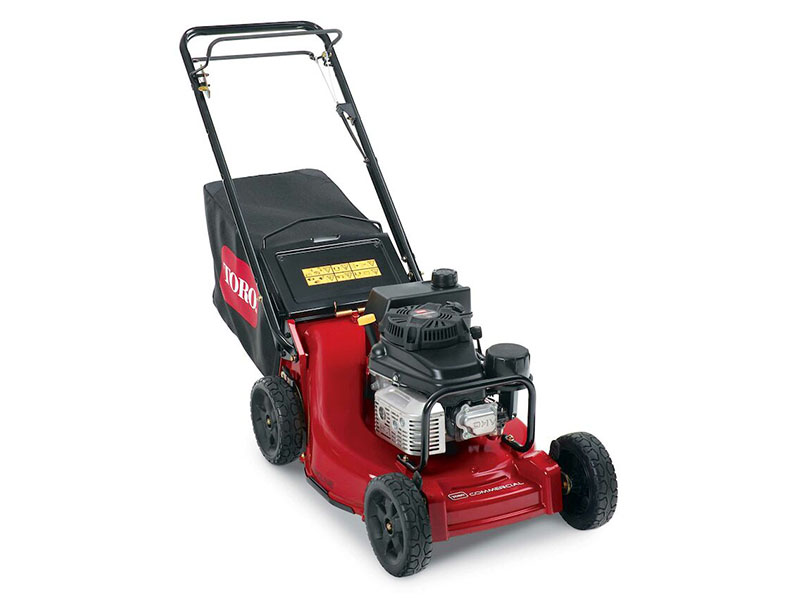
The Kawasaki FJ180V is a single-cylinder, air-cooled, 4-stroke gasoline engine. It’s frequently chosen for its durability, fuel efficiency, and straightforward design. The engine is used by many brands, so you’ll see it powering mowers from Scag, Exmark, Toro, and others. Its output is typically around 6 horsepower, making it ideal for heavy-duty lawn work.
Unlike larger twin-cylinder engines, the FJ180V keeps things simple. Still, like all engines, it relies on clean, properly filled oil to lubricate moving parts, reduce friction, and keep the temperature down. Failing to keep the oil at the correct level or using the wrong type can quickly lead to engine damage.
Kawasaki Fj180v Oil Capacity: The Core Facts
The oil capacity of the Kawasaki FJ180V is a key specification for anyone who owns or services this engine. Here are the essential details:
- Standard oil capacity: 0.6 liters (600 ml), or about 20.3 fluid ounces (US)
- With oil filter: The FJ180V does not use an external oil filter, so the capacity remains the same
- Recommended oil level: Always fill to the “FULL” mark on the dipstick
Most owners manuals and Kawasaki technical documents confirm this figure. Overfilling or underfilling can harm the engine. If you’re unsure, always stick to the 0. 6-liter guideline.
Quick Reference: Oil Capacity Table
Here’s a quick comparison of the FJ180V’s oil capacity with similar engines:
| Engine Model | Oil Capacity (Liters) | Oil Capacity (US fl oz) |
|---|---|---|
| Kawasaki FJ180V | 0.6 | 20.3 |
| Kohler XT675 | 0.6 | 20.3 |
| Honda GXV160 | 0.65 | 22.0 |
| Briggs & Stratton 850EX | 0.6 | 20.3 |
Notice that many engines in this class use nearly identical oil amounts. This makes it easier to remember, but you should always check the manual for your specific engine.
Choosing The Right Oil For The Fj180v
Selecting the correct oil type is as important as using the right amount. For the FJ180V, Kawasaki recommends:
- SAE 10W-30 oil for most temperatures
- API Service Classification: SJ or higher
This oil gives good protection in a wide range of climates. If you often mow in very hot or cold weather, there are some adjustments you can make.
Oil Viscosity And Temperature Table
You can use this table to match oil viscosity to your climate:
| Ambient Temperature | Recommended Oil Viscosity |
|---|---|
| -10°C to 40°C (14°F to 104°F) | SAE 10W-30 |
| Above 0°C (32°F) | SAE 30 |
| Below 0°C (32°F) | SAE 5W-30 |
Non-obvious tip: If you use SAE 30 in cold weather, the engine may be hard to start and oil flow will be slow at first. If you run 10W-30 in extremely hot weather, check the oil level more often as some engines consume a little more oil in heat.
Synthetic Vs. Conventional Oil
Both types can be used, but synthetic oil offers better protection at extreme temperatures and lasts longer between changes. For heavy commercial use, synthetic 10W-30 is often worth the extra cost.
How To Check The Oil Level
Checking the oil level is simple, but there are a few small mistakes that many people make. Here’s the right process:
- Park the mower on a level surface. If the engine is tilted, the oil reading will be inaccurate.
- Wait for the engine to cool. Checking hot oil can give a false reading and risk burns.
- Remove the dipstick. Wipe it clean with a rag.
- Reinsert the dipstick fully. On the FJ180V, screw it in completely, then remove again to check the level.
- Read the oil level. Oil should be at or near the “FULL” mark. If it’s below “ADD,” fill carefully.
Beginner’s mistake: Many people just rest the dipstick on top without screwing it in. On this engine, you must screw it in for an accurate reading. This single habit prevents both overfilling and underfilling.

How To Change Oil In A Kawasaki Fj180v
Changing oil is the most important routine task for engine health. Here’s a practical, step-by-step guide to doing it right:
Tools And Supplies Needed
- Oil drain pan
- Funnel
- 0.6 liters of 10W-30 oil (or as recommended for your climate)
- Clean rag or paper towels
- Adjustable wrench (if needed for drain plug)
- Gloves
Step-by-step Instructions
- Warm up the engine for 2-3 minutes. Warm oil drains faster and carries away more contaminants.
- Turn off the engine and disconnect the spark plug wire for safety.
- Locate the oil drain plug under the engine. Place the drain pan underneath.
- Remove the drain plug using a wrench. Let oil drain completely (takes about 5 minutes).
- Replace and tighten the drain plug. Do not overtighten.
- Remove the oil fill cap/dipstick and place a funnel in the opening.
- Add new oil slowly, checking the dipstick every few seconds. Avoid overfilling.
- Replace the dipstick, reconnect the spark plug, and start the engine for 30 seconds.
- Turn off and recheck the oil level. Add a small amount if needed.
Pro tip: On some walk-behind mowers, space is tight. Tilting the mower slightly away from the oil fill hole (not towards the carburetor) can help drain the last bit of old oil.
How Often To Change Oil
Kawasaki recommends:
- First oil change: After 5 hours of operation (break-in period)
- Regular oil change: Every 50 hours or at least once per season
If you use the engine in dusty or very hot conditions, change oil more often. Neglecting oil changes is the fastest way to shorten engine life.
Example Oil Change Schedule
If you mow 1 hour per week for 6 months, that’s about 24 hours per season. One oil change per year may be enough. For commercial users who run the engine 10+ hours per week, you’ll need to change oil every month or sooner.
Signs Of Low Or Old Oil
Knowing when your oil needs attention can prevent engine disasters. Watch for these signs:
- Louder engine noise: Old or low oil can’t lubricate well, causing metal parts to grind.
- Hard starting: Lack of lubrication increases friction.
- Higher engine temperature: Oil removes heat. Old oil loses this ability.
- Dark or gritty oil: Clean oil is usually amber. Black, thick, or dirty oil needs changing.
- Oil warning light (if equipped): Some mowers have a light or alert for low oil.
Ignoring these signs can lead to seized pistons or ruined bearings.
Common Mistakes When Managing Oil
Even experienced users sometimes make these errors:
1. Overfilling The Oil
Adding too much oil is nearly as bad as not enough. Overfilled oil can foam, lose its lubricating power, and even cause leaks or blown gaskets. Always add slowly and check the dipstick.
2. Wrong Oil Type
Using 2-stroke oil, the wrong viscosity, or low-quality oil increases engine wear. Stick to 10W-30 or what Kawasaki recommends, and buy from trusted brands.
3. Neglecting Oil Changes
Many people forget to change oil, thinking it “looks fine. ” Oil breaks down chemically over time, even if it appears clean. Stick to the schedule.
4. Not Warming Up The Engine
Changing oil cold leaves more sludge in the engine. Always warm it up before draining.
5. Using Dirty Tools Or Funnels
Small bits of dirt or grass can ruin a tight-tolerance engine. Keep your oil change area clean.
Non-obvious insight: On some mower designs, the oil drain plug is close to the frame, making spills likely. Use a piece of cardboard or a plastic bottle cut in half as a chute to direct the oil into your pan.
Troubleshooting Oil-related Issues
If you notice problems after an oil change, don’t panic. Here’s how to diagnose common issues:
Oil Leaks
Check the drain plug and fill cap for tightness. If a gasket is missing or damaged, replace it. Clean up spilled oil and run the engine to see if the leak returns.
White Smoke From Exhaust
Too much oil may cause white smoke as it burns in the cylinder. Immediately check the oil level and drain excess if overfilled.
Low Oil Pressure Warning
Some FJ180V engines (in high-end models) have an oil alert system. If you see a warning, stop the engine, check oil level, and add as needed.
Engine Runs Rough
Old or incorrect oil can cause poor performance. Drain and refill with the correct oil type and amount.
How Oil Capacity Affects Engine Performance
The 0. 6-liter oil capacity is carefully chosen for the FJ180V’s size and cooling needs. Too little oil means friction and heat build up, leading to scoring or even a seized engine. Too much oil raises pressure, causes leaks, and can even damage the crankcase seals.
For best results, always use a measuring cup or container marked in milliliters or ounces. Guessing is risky, and even small errors add up over time.
Practical Tips For Maximizing Engine Life
Keeping your FJ180V healthy is about more than just filling oil. Here are five key habits:
- Check oil before every use: Make it a routine, not just a suggestion.
- Store oil in a clean, sealed container: Prevent contamination from dirt or moisture.
- Keep a maintenance log: Write down oil change dates and hours run.
- Use fresh oil: Oil sitting open for years may have absorbed water or degraded.
- Inspect for leaks: Even a small oil drip can turn into a big problem.
Real-world Example: Commercial Mower Operator
A lawn care business owner uses ten Kawasaki FJ180V-powered mowers for 30+ hours per week during the season. He trains his crew to:
- Check oil every morning
- Change oil every 25-30 hours, not just at the 50-hour mark, due to heavy use
- Use synthetic 10W-30 for better protection in hot weather
- Log each oil change in a notebook tied to each mower
This approach dramatically reduces breakdowns and extends engine life, saving thousands in repairs and replacements each year.
Environmental Considerations: Oil Disposal
Never pour used engine oil down the drain, onto the ground, or into storm sewers. Used oil contains toxic chemicals that pollute water and soil. Many auto parts stores, recycling centers, and some service shops accept used oil for recycling.
Safe Disposal Steps
- Drain oil into a clean, sealed container.
- Wipe up spills immediately.
- Take oil to a recycling facility—never mix with other fluids.
- Ask your local waste authority for disposal locations.
Proper disposal isn’t just good for the environment—it’s often required by law.
Upgrading Oil Maintenance: Accessories And Add-ons
While the FJ180V is simple, a few accessories can make oil changes easier:
- Oil extractor pumps: Remove oil from the fill hole without tipping the mower.
- Quick-drain valves: Replace the drain plug with a valve for tool-free draining.
- Pre-measured oil bottles: Buy oil in 20-ounce bottles to avoid measuring errors.
These upgrades save time and reduce mess, especially for fleet owners or those who do many oil changes.
Comparison: Kawasaki Fj180v Vs. Other Engines
How does the FJ180V’s oil system compare to competitors? Here’s a summary:
| Feature | Kawasaki FJ180V | Honda GXV160 | Kohler XT675 |
|---|---|---|---|
| Oil Capacity (L) | 0.6 | 0.65 | 0.6 |
| External Oil Filter | No | No | No |
| Recommended Oil | 10W-30 | 10W-30 | 10W-30 |
| Change Interval (hrs) | 50 | 50 | 50 |
| Common Oil Mistake | Not screwing in dipstick | Overfilling | Wrong viscosity |
The FJ180V’s oil system is typical for its class, but the dipstick procedure is a unique detail that catches some owners off guard.
Where To Find Official Information
Always refer to the Kawasaki FJ180V owner’s manual for the most accurate and up-to-date information. If you’ve lost your manual, you can download a free copy from Kawasaki’s official website or contact your mower’s manufacturer.
For more technical details and maintenance schedules, you can visit the Kawasaki Engines Official Site.

Frequently Asked Questions
How Much Oil Does The Kawasaki Fj180v Hold?
The FJ180V holds 0.6 liters (600 ml) of oil, which equals about 20.3 US fluid ounces. Always check the dipstick after filling to ensure the level is correct.
What Happens If I Overfill The Oil?
Too much oil causes foaming, leaks, and can damage internal seals. If you overfill, drain the excess immediately and check the level with the dipstick.
Can I Use Synthetic Oil In My Fj180v?
Yes, synthetic 10W-30 oil is safe and often gives better protection, especially under heavy use or extreme temperatures. Follow the same capacity guidelines.
How Often Should I Change The Oil?
Change oil after the first 5 hours (break-in), then every 50 hours or at least once per season. Change more frequently in dusty or hot conditions.
Where Can I Find The Owner’s Manual For My Fj180v?
You can download the manual from the Kawasaki Engines Official Site or request a copy from your mower’s manufacturer.
Taking care of your Kawasaki FJ180V’s oil needs is one of the simplest ways to ensure a long, reliable life for your engine. By understanding the correct oil capacity, choosing the right oil, and following a sensible maintenance routine, you avoid expensive repairs and keep your equipment running strong season after season.
Armed with this knowledge, you’re ready for hassle-free mowing and fewer engine worries.