
The Kawasaki FR730V engine is a popular choice for commercial and residential lawn mowers, thanks to its reliability, performance, and longevity. If you own equipment powered by this engine, understanding its oil capacity and maintenance requirements is key to keeping your machine running smoothly for years. However, many users overlook crucial details about oil types, change intervals, and best practices, which can lead to engine wear or even failure. This guide will help you master everything about the Kawasaki FR730V oil capacity, so you can confidently take care of your investment.
Understanding The Kawasaki Fr730v Engine
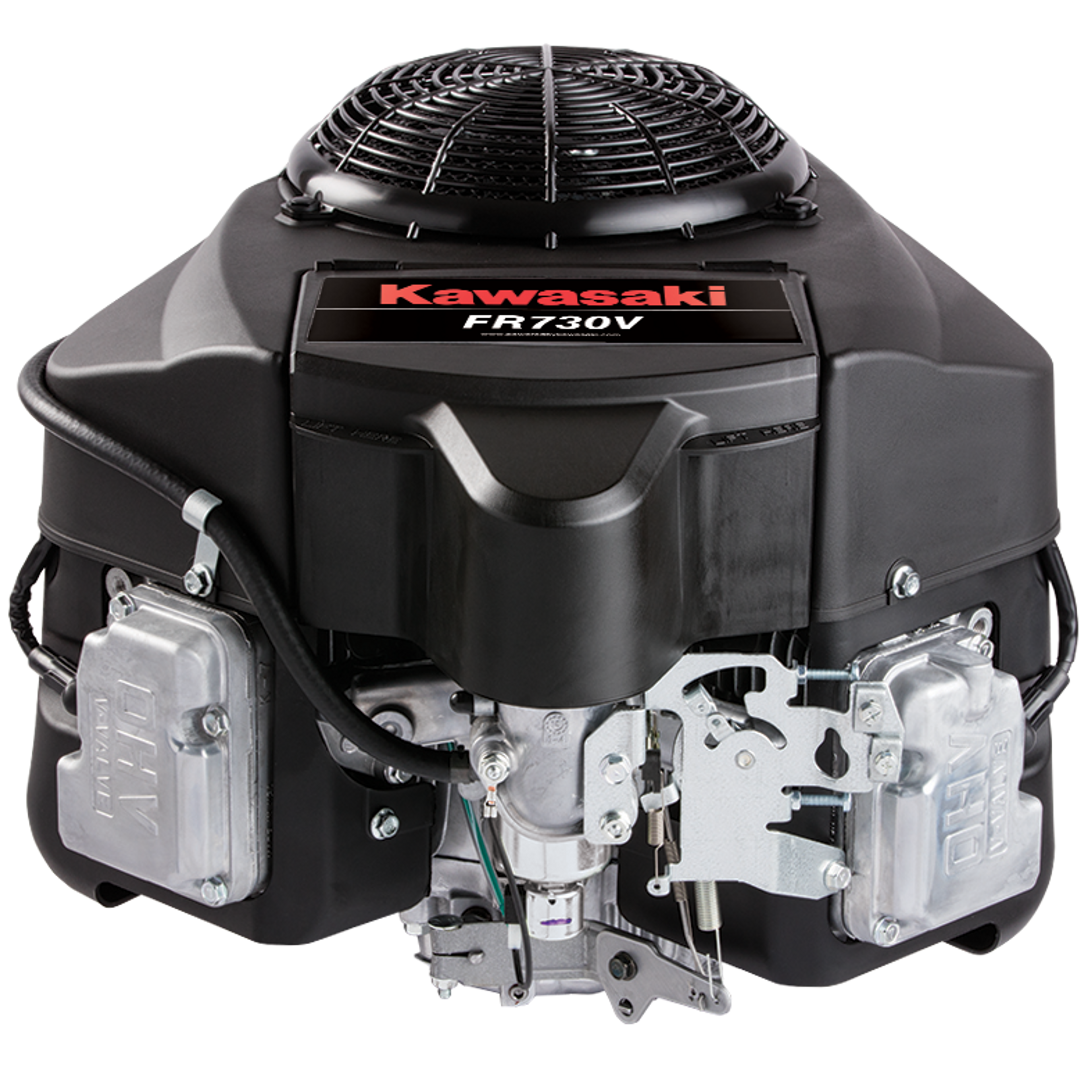
The FR730V is a 726cc V-twin, 4-stroke, air-cooled gasoline engine designed by Kawasaki for zero-turn mowers and heavy-duty garden tractors. It’s known for its smooth operation, strong power output (up to 24 HP), and durability under tough mowing conditions.
What sets the FR730V apart is its precision engineering—from the twin-cylinder design for less vibration to the high-efficiency air and oil filtration systems. These features make correct oil maintenance even more critical, as the engine’s performance depends on clean, high-quality lubrication.
This engine uses a pressurized lubrication system, which means oil is pushed to critical parts rather than only relying on splash. This design helps the engine last longer, but it also means that dirty or low oil can cause damage quickly.
The air-cooling fins and advanced filtration are designed to handle long mowing sessions, but only if you maintain the oil well. Many users don’t realize that even small lapses in oil care can reduce the overall lifespan of the engine.
Another detail many miss is how sensitive the FR730V can be to oil quality. Because it is often used in dusty, hot, or uneven terrain, poor oil or infrequent changes can allow grit to circulate, wearing down internal parts like camshafts and bearings much faster than you might expect.
Kawasaki Fr730v Oil Capacity: Exact Specifications
The oil capacity of your FR730V engine determines how much oil you need for a proper oil change. According to the official Kawasaki manual, the FR730V holds:
- 2.1 quarts (2.0 liters) of oil when completely drained (including filter change).
- 1.9 quarts (1.8 liters) if you change oil but do not replace the filter.
Always check your owner’s manual for your specific mower model, as some equipment may have unique configurations. However, for most standalone FR730V engines, the above capacities apply.
Why Oil Capacity Matters
Using the correct oil capacity is not just about topping up until the dipstick is wet. Too much oil can cause foaming, leaks, and pressure problems. Too little oil leads to poor lubrication, higher engine temperatures, and increased wear. Both situations can seriously damage your engine.
Another detail to watch: When changing oil, some old oil can remain in the engine if it’s not drained fully. Letting the engine warm up before draining helps remove more of the old oil and dirt, making the new oil last longer. If your mower sits on an uneven surface or a hill, oil may pool in one side, affecting the reading on the dipstick. Always park on level ground when checking or filling oil.
Recommended Oil Types For The Fr730v
Choosing the right oil is just as important as using the correct amount. The FR730V requires high-quality, detergent oil for best results.
- SAE 10W-40 is the most recommended for most climates.
- SAE 30 is acceptable for warm environments (above 32°F/0°C).
- SAE 10W-30 can also be used, especially in varying temperatures.
Always use oil that meets or exceeds API service category SJ or higher. Synthetic oils are allowed, but make sure they meet the same specifications.
Oil Viscosity And Temperature
Oil viscosity affects how well your engine is protected in different temperatures. Thicker oil (higher numbers) is better for hot weather, while thinner oil (lower numbers) flows better in cold starts. The 10W-40 provides a good balance for most users, protecting the engine in both cold mornings and hot afternoons.
If you live in a region with big seasonal changes, using a multi-viscosity oil like 10W-40 or 10W-30 is best. For example, if you mow early in spring or late in fall, mornings may be cold but afternoons hot. The right oil ensures the engine is protected at all times, not just during peak heat.
Non-obvious Insight: Synthetic Vs. Conventional Oil
Many beginners believe synthetic oil is always better, but that’s not always true for small engines. While synthetic oil offers longer life and better protection in extreme conditions, the FR730V is designed to run just as well on high-quality conventional oils if you follow regular change intervals. Switching to synthetic may benefit commercial users who run their mowers for long hours, but for most homeowners, conventional works perfectly.
Another point often missed is that synthetic oil can sometimes leak more in older engines, especially if gaskets or seals are worn. This is due to the smaller molecules in synthetic oil, which can pass through tiny gaps. If your FR730V is older and you switch to synthetic, check for leaks after the first few uses.
How To Check And Change The Oil
Changing oil in the FR730V is straightforward, but following a clear process ensures you do it right every time.
Step-by-step Oil Change Process
- Warm up the engine for 3-5 minutes. This helps the oil drain out faster and more completely.
- Turn off the engine and disconnect the spark plugs for safety.
- Place a drain pan under the oil drain valve. Most FR730V engines have a convenient drain tube.
- Open the drain valve and let the oil flow out. Be patient—let it drain fully for the best results.
- Remove the old oil filter (if changing). Wipe the area clean.
- Install a new oil filter, lightly oiling the gasket before tightening.
- Close the drain valve securely.
- Pour in new oil—start with about 1.8 quarts, then check the level.
- Check the oil level using the dipstick. Add more oil as needed, but do not overfill. The final level should be between the high and low marks.
- Reconnect spark plugs, start the engine, and let it run for a minute. Recheck the oil and top off if needed.
For an even cleaner oil change, some users like to tilt the mower slightly (following safety guidelines) to help drain more old oil. Just be careful not to spill fuel or cause oil to run into parts it shouldn’t reach.
Pro Tip: Let Oil Settle
After adding oil, let the engine sit for 2-3 minutes before checking the dipstick. This gives the oil time to settle, ensuring a more accurate reading.
Sometimes, oil sticks to the walls inside the engine and takes a short while to drip down. Checking the oil too soon can make you think it’s low, leading to accidental overfilling.

Credit: www.kawasakienginestore.com
Oil Change Interval And Maintenance Schedule
Regular oil changes are crucial for any mower engine, but especially for high-performance models like the FR730V.
- First oil change: After the first 8 hours of use (break-in period).
- Regular oil change: Every 100 hours of operation or annually—whichever comes first.
- Oil filter replacement: Every 200 hours or with every other oil change.
Dusty or hot environments may require more frequent changes. If you mow in sandy, dry, or extreme conditions, check your oil more often.
Maintenance Checklist
- Check oil level before every use.
- Inspect for oil leaks around the drain plug and filter.
- Use only recommended oil grades and filters.
- Dispose of used oil and filters according to local laws.
Don’t forget to check your air filter at the same time. A dirty air filter can let dirt into the oil, causing it to break down faster. Many users make the mistake of focusing only on oil, not realizing that the air filter is just as important for engine health.
If your mower has an hour meter, use it to track oil change intervals accurately. If not, keep a log of mowing sessions to estimate when your next change is due.
Signs Of Low Or Dirty Oil In Your Fr730v
Sometimes problems can develop even when you follow the basic schedule. Recognizing the warning signs early can prevent costly repairs.
- Engine sounds louder than normal or has a knocking noise.
- Oil appears dark, thick, or gritty on the dipstick.
- Excessive smoke from exhaust, especially blue or white smoke.
- Sudden drops in oil level without visible leaks.
If you notice any of these symptoms, stop using the mower and check the oil immediately. Running with dirty or low oil risks permanent engine damage.
Another less obvious sign is a change in engine temperature. If your mower feels hotter than usual (for example, if the hood or casing feels too hot to touch), this can indicate poor lubrication. Some users also report a loss of power or rough idling, which can be linked to oil issues.
Oil Filter: Importance And Best Practices
The oil filter is a small but vital part of your FR730V’s health. It keeps dirt and debris from circulating through the engine, protecting moving parts from wear.
- Always use OEM (original equipment manufacturer) or high-quality aftermarket filters designed for the FR730V.
- Change the filter with every second oil change, or sooner if you mow in dirty or dusty environments.
- When installing, apply a thin layer of oil to the filter gasket for a proper seal and hand-tighten only.
Common Mistake: Ignoring The Filter
Many users change oil without replacing the filter, thinking it’s unnecessary. However, a clogged or old filter can restrict oil flow, causing poor lubrication or even engine overheating.
Don’t reuse an old filter, even if it looks clean. Filters trap tiny particles you can’t see, and using an old one risks sending debris back into your engine. A fresh filter every 200 hours (or sooner in harsh conditions) is a small cost for long-term reliability.
Table: Oil Capacity For Common Kawasaki Engines
Here’s a quick comparison of oil capacities for Kawasaki’s most popular lawn mower engines:
| Engine Model | Displacement (cc) | Oil Capacity (w/ Filter) |
|---|---|---|
| FR730V | 726 | 2.1 qt (2.0 L) |
| FR651V | 726 | 2.1 qt (2.0 L) |
| FS730V | 726 | 2.1 qt (2.0 L) |
| FX730V | 726 | 2.0 qt (1.9 L) |
| FR691V | 726 | 2.1 qt (2.0 L) |
This table shows that many Kawasaki V-twins share similar oil capacities, which is helpful if you own multiple machines. However, always check each engine’s manual, as slight design differences (like oil coolers or filter sizes) can affect total capacity.
Effects Of Overfilling Or Underfilling Oil
Both too much and too little oil can have serious consequences for your Kawasaki FR730V.
Overfilling
If you add too much oil, you risk:
- Aeration (oil foaming), which reduces lubrication.
- Increased crankcase pressure, leading to gasket or seal leaks.
- Fouled spark plugs and smoking exhaust.
Some users also notice that overfilled oil can cause the engine to run unevenly or surge. Oil may be forced into the air filter housing, creating a mess and reducing airflow. If you see oil around the air filter after a change, overfilling may be the cause.
Underfilling
If oil is below the minimum level:
- Insufficient lubrication causes metal parts to wear faster.
- Higher engine temperature due to friction.
- Possible engine seizure if oil runs out completely.
Engines running low on oil often have a faint burning smell, or you may notice the oil warning light (if your mower has one) coming on. Even short periods of low oil can cause long-term damage, so always double-check the dipstick before use.
How To Correct Mistakes
If you overfill, drain some oil out using the drain valve or a siphon. If underfilled, simply top up with the correct type of oil. Always check the dipstick after adjusting.
A useful tip: keep a clean, empty quart bottle handy so you can measure exactly how much oil you remove or add. This helps prevent overshooting in either direction.
Using Oil Additives: Are They Necessary?
Some users wonder if adding special oil additives will improve engine performance or extend oil life. For the FR730V, oil additives are generally not recommended unless specified by Kawasaki. Modern oils already contain all necessary detergents and protectants.
When Additives Might Help
If your engine is older, burning oil, or has minor leaks, you might consider an additive to help slow wear. However, it’s better to fix underlying problems directly.
For most users, sticking to high-quality oil and regular changes is more effective than any additive. Additives can even reduce oil performance if not compatible, so use them only as a last resort.
Table: Recommended Oil Types By Temperature Range
To help you choose the best oil for your climate, here’s a quick reference:
| Oil Type | Temperature Range | Notes |
|---|---|---|
| SAE 10W-40 | -4°F to 104°F (-20°C to 40°C) | Best for most conditions |
| SAE 10W-30 | 0°F to 86°F (-18°C to 30°C) | Good for cooler climates |
| SAE 30 | 32°F and up (0°C and up) | Use only in warm weather |
If you operate your mower in unusually hot climates (for example, southern states in mid-summer), check the oil more often. High temperatures can cause oil to thin out faster, especially if you use lighter grades.
Comparing Oem And Aftermarket Oil Filters
Choosing between genuine Kawasaki filters and aftermarket options can be confusing.
| Feature | OEM Filter | Aftermarket Filter |
|---|---|---|
| Fit & Compatibility | Guaranteed | May vary |
| Filtration Quality | Meets Kawasaki standards | Can be lower or equal |
| Price | Higher | Usually lower |
| Warranty Impact | Protects warranty | Possible issues |
For best results, stick with Kawasaki OEM filters or well-known brands that specify compatibility with the FR730V.
Some aftermarket filters do not have the same pressure or flow characteristics as OEM models. This can lead to poor oil flow, especially at startup. If you try an aftermarket filter, inspect it for leaks and check the oil level after a few uses.
Oil Disposal And Environmental Responsibility
Used oil is hazardous to the environment and should never be poured on the ground, down drains, or into the trash. Most cities have collection centers or recycling programs for used motor oil and filters. Always store used oil in a sealed container and deliver it to a proper facility.
Non-obvious Insight: Filter Recycling
Many people forget that old oil filters also contain oil and metal that can be recycled. Bring used filters to the same place as your old oil for safe disposal.
If you’re unsure where to take used oil, many auto parts stores and service stations will accept it for free. Never throw oil-soaked rags or filters in the regular trash, as they can leak and pollute water supplies.
Common Mistakes To Avoid With Fr730v Oil Changes
Even experienced users can make simple mistakes that shorten engine life:
- Not warming the engine before draining oil, leaving sludge behind.
- Over-tightening the oil filter, making future removal difficult or damaging the gasket.
- Forgetting to check the oil level after running the engine, leading to underfilled crankcase.
- Mixing different oil brands or viscosities, which can reduce performance.
- Ignoring the air filter—dusty air can quickly contaminate new oil.
Some owners forget to reset maintenance reminders after an oil change. If your mower has a digital system, remember to reset it so you don’t lose track of the next change.
Tips For Extending Engine Life
- Use clean, fresh oil every change—never re-use or top up with old oil.
- Store your mower indoors to prevent condensation and water in the oil.
- Check oil before every mow, not just at oil change intervals.
- Replace both oil and air filters regularly for maximum protection.
- Monitor engine hours if your mower has a built-in hour meter.
Also, after heavy mowing sessions, let your engine idle for a minute before shutting off. This helps cool internal parts and prevents oil from breaking down as quickly.
What To Do If You Miss An Oil Change
If you realize you’ve gone over the recommended hours, change the oil as soon as possible. One missed interval won’t destroy your engine, but repeated neglect will. If the oil looks very dirty or smells burnt, consider changing it more often for the next few cycles.
A good habit is to write the oil change date and hours on a sticker or in a notebook attached to your mower. This way, you always know when the next change is due, even if you take a long break between mowings.
Where To Find Official Kawasaki Information
For the most accurate and up-to-date details on your FR730V’s oil requirements, always refer to the official Kawasaki owner’s manual. You can find digital manuals and specifications on the Kawasaki Engines USA website.
Frequently Asked Questions
What Is The Oil Capacity Of The Kawasaki Fr730v With And Without A Filter Change?
The FR730V holds 2.1 quarts (2.0 liters) when you change the oil and filter. If you do not change the filter, it requires 1.9 quarts (1.8 liters). Always check the dipstick after filling, as small differences in mower design can affect the exact amount.
How Often Should I Change The Oil In My Kawasaki Fr730v?
Change the oil after the first 8 hours of use (break-in period), then every 100 hours or once a year—whichever comes first. If you use your mower in dusty or hot environments, more frequent changes may be needed.
Can I Use Synthetic Oil In My Fr730v Engine?
Yes, synthetic oil is allowed as long as it meets API SJ or higher standards. Synthetic may offer better protection in extreme conditions, but is not required for normal use. Always follow recommended viscosity (usually SAE 10W-40).
What Happens If I Overfill Or Underfill The Oil?
Overfilling can cause oil foaming, leaks, and pressure problems. Underfilling leads to poor lubrication and risk of engine damage. Always fill to the correct level on the dipstick, not just by volume.
Where Can I Dispose Of Used Oil And Filters Safely?
Most cities have oil recycling centers or auto parts stores that accept used oil and filters. Never pour used oil down drains or on the ground. Check your local government website for locations near you.
Maintaining your Kawasaki FR730V with the right oil capacity and regular care is the key to years of reliable mowing. By following these guidelines, you protect your investment and ensure your equipment is always ready for the toughest jobs.