
The LS1 engine is a legend in the world of performance cars. Known for its power, reliability, and easy upgrades, it has won the hearts of car enthusiasts for over two decades. But even the best engines need proper care, and one of the most important steps is understanding the right oil capacity. If you own, maintain, or plan to work on an LS1, knowing its oil requirements is not just a small detail—it’s essential for the engine’s health and long life.
Many people think oil changes are simple, but there are details that beginners often miss. Using the wrong amount of oil, or not checking it carefully, can lead to problems. Too little oil can cause engine wear. Too much can create leaks or pressure issues. This article will guide you step-by-step through everything about LS1 oil capacity: the exact numbers, why it matters, what oils work best, how to change oil yourself, and how to avoid common mistakes. If you want your LS1 to run strong for years, this is information you can’t skip.
What Is The Ls1 Engine?
The LS1 is a 5.7-liter V8 engine introduced by General Motors in 1997. It first appeared in the Chevrolet Corvette (C5), and later in the Camaro, Firebird, and other vehicles. The LS1 is part of the GM “LS” family, which has become famous for performance and swap projects. The engine uses aluminum heads and block, making it lighter and efficient compared to older V8s.
The LS1 produces between 305 to 350 horsepower, depending on the car model and year. It has a reputation for smooth power, good fuel economy (for a V8), and strong reliability. One reason for its popularity is its simple design—easy for people to work on at home, if they have the right information.
Why Oil Capacity Matters For The Ls1
Engine oil does more than just lubricate moving parts. It also helps cool the engine, clean away dirt, and protect against rust and wear. If you use too little oil, some parts may not get enough lubrication, causing friction, heat, and damage.
Using too much oil can create excess pressure, leading to leaks or seals failing.
With the LS1, getting the oil level right is especially important because:
- The engine is designed for high performance, meaning it gets hot and works hard.
- Oil passages are carefully engineered to deliver oil where it’s needed most.
- LS1s are often used in racing or spirited driving, which puts extra stress on the oil system.
Even a small mistake with oil capacity can lead to problems that are expensive to fix. That’s why knowing the exact numbers, and how to check them, is key for every LS1 owner.
Ls1 Oil Capacity: The Exact Numbers
For a standard LS1 engine with a stock oil pan and filter, the correct oil capacity is:
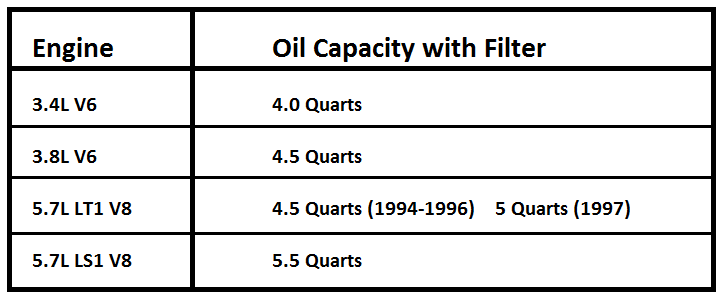
5.5 quarts (5.2 liters) with oil filter change
This is the amount you should pour in when doing a typical oil and filter change. Here’s how the numbers break down:
- Without filter change: About 5 quarts (4.7 liters)
- With filter change: 5.5 quarts (5.2 liters)
Some LS1 engines, especially those with aftermarket or larger oil pans, may hold more oil. But if your car is stock, use the 5. 5-quart figure. Always check your owner’s manual or service guide for your specific model, as there can be small differences between years or vehicles.
Ls1 Oil Capacity By Vehicle
The LS1 appeared in several cars. While the engine itself is mostly the same, sometimes the oil pan or filter is different. Here’s a quick guide:
| Vehicle | Model Years | Oil Capacity (with filter) |
|---|---|---|
| Chevrolet Corvette (C5) | 1997–2004 | 5.5 quarts (5.2L) |
| Chevrolet Camaro | 1998–2002 | 5.5 quarts (5.2L) |
| Pontiac Firebird/Trans Am | 1998–2002 | 5.5 quarts (5.2L) |
| Holden Commodore | 1999–2002 | 5.5 quarts (5.2L) |
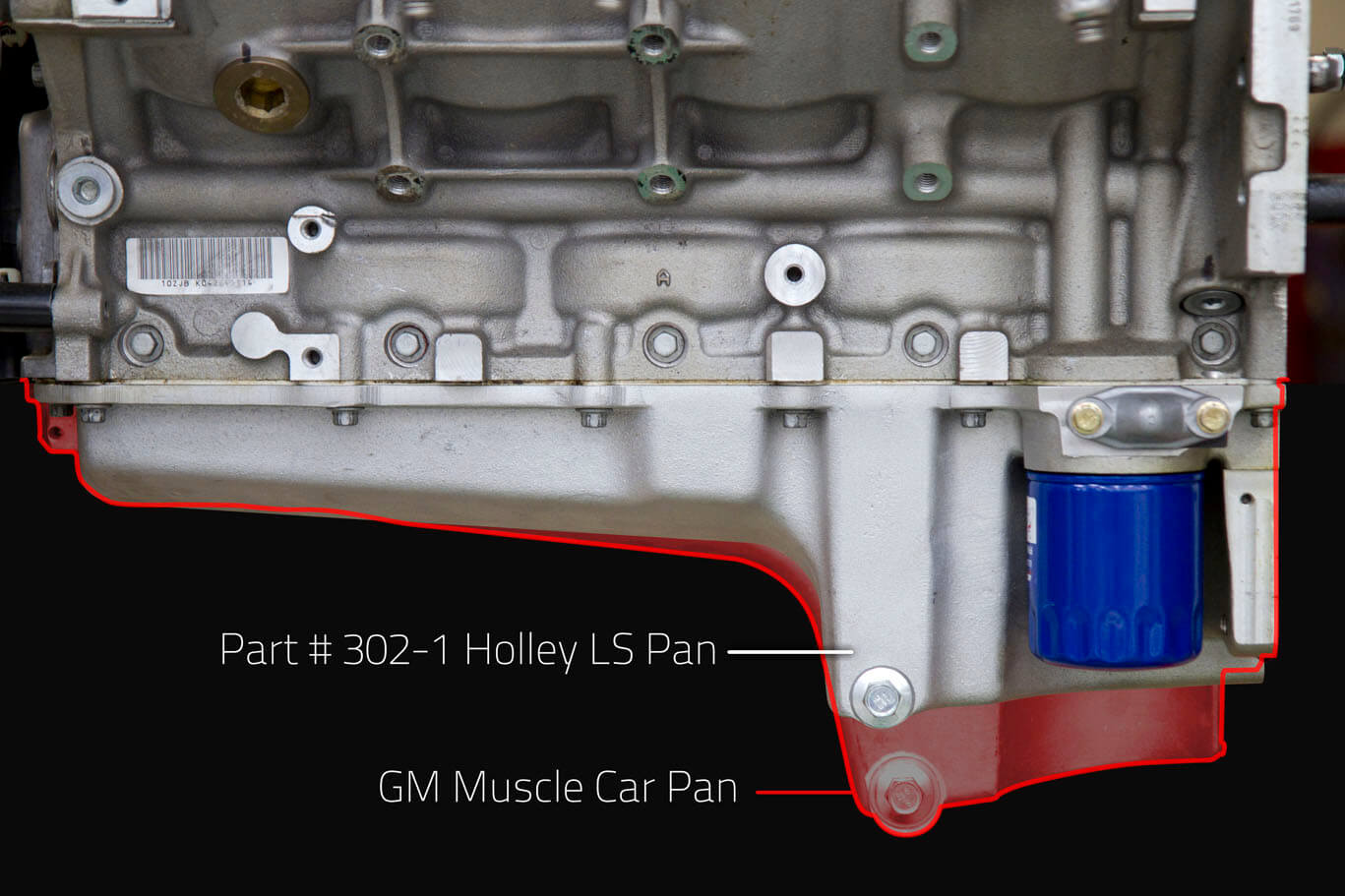
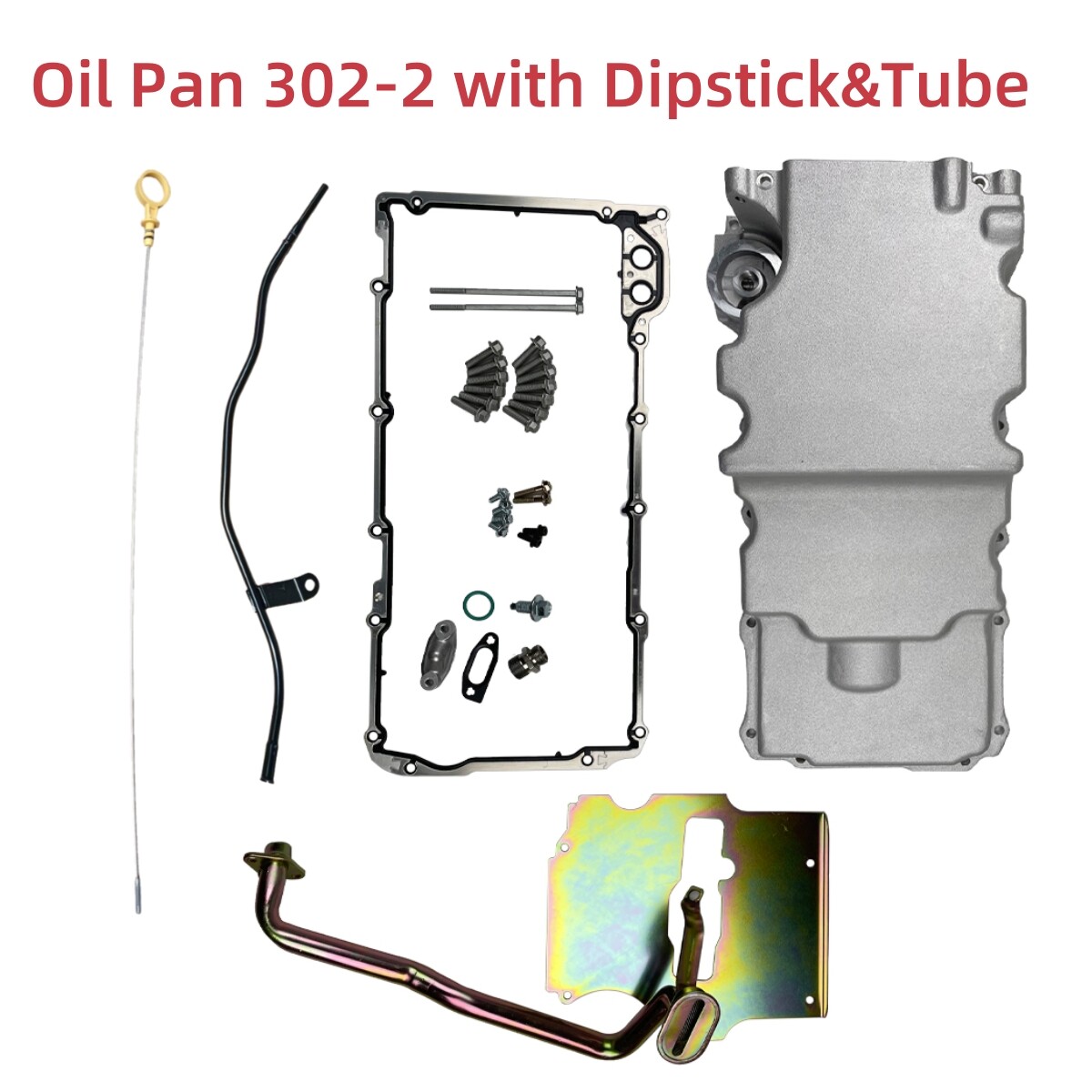
If your LS1 is in a custom build or swap, check what oil pan is used. Some aftermarket pans hold 6 or even 7 quarts. Always use the dipstick to confirm the correct level after filling.
Choosing The Right Oil For Ls1 Engines
The oil you choose for your LS1 is as important as the amount you use. The right oil protects engine parts, helps with cooling, and lasts longer. The wrong oil can cause wear, poor performance, or even engine damage.
Recommended Oil Viscosity
For most LS1 engines, 5W-30 is the recommended oil viscosity. This means:
- “5W” stands for how the oil flows when cold (winter rating)
- “30” is the thickness at engine operating temperature
Some people use 10W-30 in warmer climates, but 5W-30 is safe for most situations. Always check your owner’s manual for your specific recommendations.
Synthetic Vs. Conventional Oil
The LS1 was designed to work with both synthetic and conventional oils. However, synthetic oil is usually the best choice because:
- It lasts longer between changes
- It resists breakdown at high temperatures
- It gives better protection for high-performance use
If you drive your LS1 hard, or live in a hot area, synthetic oil is a smart investment. It costs more, but helps prevent engine wear and problems.
Popular Oil Brands For Ls1
Many brands make good oils for the LS1. Some top picks include:
- Mobil 1 5W-30 (often used by Corvette owners and recommended by GM)
- Royal Purple 5W-30 (popular for high performance)
- Castrol EDGE 5W-30
- Pennzoil Platinum 5W-30
- Valvoline Advanced Full Synthetic 5W-30
All of these oils meet or exceed the requirements for the LS1 engine. The most important thing is to use the right viscosity and change it regularly.
How To Change Oil On An Ls1: Step-by-step Guide
Changing oil on the LS1 is a simple job for most home mechanics, but doing it right makes a big difference. Here’s a clear, step-by-step process for a safe and complete oil change.
Tools And Supplies Needed
- 6 quarts of 5W-30 synthetic oil (you’ll use 5.5 quarts, but buy extra in case you spill or need to top off)
- New oil filter (high quality, made for LS1)
- Oil catch pan
- Socket set or wrench (usually 15mm)
- Oil filter wrench
- Funnel
- Shop rags or paper towels
- Jack and jack stands (or ramps)
Step 1: Warm Up The Engine
Start the car and let it run for 5–10 minutes. This warms the oil, making it flow out easier and carry more dirt with it.
Step 2: Raise The Vehicle Safely
Use a jack to lift the front of the car and secure it with jack stands. Never work under a car supported only by a jack. If you have ramps, those work well too.
Step 3: Drain The Old Oil
- Place the oil catch pan under the oil pan drain bolt.
- Use your socket or wrench to loosen and remove the drain bolt.
- Let the oil drain completely—this can take 5–10 minutes.
- Wipe the drain bolt clean and replace the washer if needed.
Step 4: Replace The Oil Filter
- Move the catch pan under the oil filter.
- Use the oil filter wrench to remove the old filter.
- Before installing the new filter, rub a little fresh oil on the rubber gasket.
- Screw on the new filter by hand until snug, then give it another 1/2 to 3/4 turn.
Step 5: Add New Oil
- Replace the drain bolt and tighten securely (do not over-tighten).
- Using a funnel, pour in 5.5 quarts of new oil.
- Wait a minute, then check the dipstick. The level should be near the “full” mark.
Step 6: Check For Leaks And Final Level
- Start the engine and let it run for 1–2 minutes.
- Check under the car for leaks at the drain plug and filter.
- Turn off the engine and wait a couple of minutes.
- Re-check the dipstick and add oil if needed to reach the “full” mark.
Step 7: Dispose Of Old Oil Properly
Take the used oil and filter to a recycling center or auto parts store. Never pour oil down the drain or into the ground.
Pro Tip: Don’t Forget The Filter
Some people change the oil but forget the filter. The old filter holds dirty oil and particles, so always replace it with fresh oil.
Ls1 Oil Change Interval: How Often?
Changing oil at the right interval is critical for a healthy engine. For the LS1, the recommended oil change interval is:
- Every 3,000–5,000 miles (4,800–8,000 km) for conventional oil
- Every 5,000–7,500 miles (8,000–12,000 km) for synthetic oil
If you drive in tough conditions (lots of short trips, hot weather, racing, or towing), change the oil more often. Clean oil is the cheapest insurance for your engine.
Ls1 Oil Change Interval By Use
| Driving Style | Recommended Interval |
|---|---|
| Normal Daily Driving | 5,000–7,500 miles (synthetic) |
| Racing/Track Use | Every event or 1,000–2,000 miles |
| Heavy City Traffic | 4,000–5,000 miles |
| Extreme Hot/Cold | 3,000–5,000 miles |
Always check the oil level every few weeks, especially if your LS1 is older or has higher mileage.
Common Mistakes With Ls1 Oil Capacity
Even experienced mechanics sometimes make mistakes with oil changes. Here are some frequent problems to watch out for:
1. Overfilling The Oil
Adding more than 5. 5 quarts can cause the oil to foam, which reduces its ability to lubricate. It can also force oil past seals, creating leaks. Always fill slowly and check the dipstick.
2. Underfilling The Oil
Not adding enough oil means some engine parts may not get lubricated. This can quickly lead to engine wear or even failure. If you’re not sure, add less, run the engine, then check and top up as needed.
3. Using The Wrong Oil Type
Cheap or incorrect oil (wrong viscosity, not synthetic if needed) can damage the engine or reduce performance. Stick to 5W-30, and use synthetic for best results.
4. Not Changing The Filter
A dirty filter limits oil flow. Always change the filter with the oil.
5. Forgetting To Check For Leaks
After an oil change, always inspect for drips at the drain plug and filter. A small leak can quickly become a big problem if ignored.
6. Ignoring The Oil Life Monitor
Some LS1 cars have an oil life monitor or “change oil soon” light. Pay attention to it, but don’t rely on it 100%—check your oil level and color regularly.
7. Not Checking Oil Level After Running Engine
Oil needs to circulate and fill the filter after the first start. After running the car, wait a few minutes, then check and top up if needed.
Non-obvious Insight: The Dipstick Is Your Friend
Many people just pour in the listed capacity and stop. But the actual amount may vary based on how long you let the oil drain, if the car is level, or if you have a different filter or pan. Always use the dipstick as your final guide.
Non-obvious Insight: Oil Consumption Can Vary
As LS1 engines age, some may start to burn a little oil. This is common in high-mileage engines. If you notice the oil level dropping between changes, check more often and top up to avoid damage.
Signs Your Ls1 Oil Level Is Wrong
Knowing the symptoms of incorrect oil level can save your engine from damage. Here’s what to watch for:
- Low oil pressure warning light: This means oil isn’t flowing well. Check the level immediately.
- Engine ticking or knocking: Not enough oil can cause lifters or bearings to make noise.
- Blue smoke from exhaust: Too much oil can get past piston rings and burn, causing smoke.
- Oil leaks under the car: Overfilling can push oil out through seals.
- Loss of power or rough running: Both too much and too little oil can affect how the engine runs.
If you see any of these signs, stop the engine and check the oil as soon as possible.
Ls1 Oil System Upgrades And Modifications
Many LS1 owners upgrade their engines for more power. When you add power, the oil system needs to keep up. Here are some common upgrades:
Larger Oil Pans
Aftermarket oil pans can hold 6–7 quarts, giving more oil for better cooling and protection during racing. If you install a bigger pan, adjust your fill amount to match.
High-flow Oil Pumps
A high-volume or high-pressure oil pump can help keep oil moving to all parts of a heavily modified engine.
Oil Coolers
Adding an oil cooler helps keep temperatures down during hard driving or track use. This is especially important for turbo or supercharged LS1s.
Upgraded Oil Filters
Performance filters offer better flow and filtration, protecting your engine under extreme conditions.
If you modify your LS1, always check oil levels carefully after any upgrade. Changes in oil capacity or flow mean you might need more oil or different intervals.
How To Check Ls1 Oil Level Correctly
Checking oil sounds simple, but there’s a right way to do it:
- Park the car on a level surface and turn off the engine.
- Wait at least 5 minutes so oil can drain back into the pan.
- Pull out the dipstick, wipe it clean, re-insert fully, then remove again to read.
- The oil should be between the “add” and “full” marks.
- If you’re at or below “add,” top up a small amount (about 1/4 quart at a time), then recheck.
Tip: Always check oil before a long trip or hard driving event.
Ls1 Oil Capacity In Swaps And Custom Builds
The LS1 is a favorite for engine swaps into older cars, trucks, and even boats. When swapping, the oil capacity may change depending on:
- Type of oil pan used (F-body, Corvette, aftermarket)
- Oil filter location and type
- Angle the engine is mounted
After a swap, always fill with a little less than the listed capacity, run the engine, then check and add until the dipstick reads full.
What Happens If You Ignore Ls1 Oil Capacity?
Ignoring oil capacity can have serious effects:
- Low oil: Increases friction, causes overheating, wears out bearings and lifters, and can lead to engine seizure.
- High oil: Causes foaming, poor lubrication, leaks, smoke, and can ruin seals or gaskets.
- Old or dirty oil: Loses its ability to protect and clean, leading to sludge and internal wear.
A healthy LS1 can last over 200,000 miles if the oil is always kept clean and at the correct level. Many failures in these engines are due to bad oil habits, not the design.
How To Choose The Best Oil Filter For Ls1
The oil filter is almost as important as the oil itself. A poor-quality filter can let dirt and metal particles circulate in your engine. For the LS1, look for:
- High-quality construction (metal end caps, strong casing)
- Good filtration rating (captures small particles)
- Anti-drainback valve (keeps oil in filter for easy starts)
Popular choices include:
- ACDelco PF46 (OEM replacement, reliable)
- K&N HP-1007 (performance option)
- WIX 57060 (high filtration)
Never use a cheap, no-name filter. It’s a small cost for a big difference in engine life.
Used Ls1 Engines: What To Check With Oil
If you’re buying a used LS1 or just got one in a swap, always check:
- Oil color and condition (should be golden or brown, not black/sludgy)
- Look for leaks around oil pan, rear main seal, and valve covers
- Check for oil pressure at startup (should rise quickly)
- Listen for ticking or knocking sounds (may mean oil problems)
- Ask about oil change history—engines with regular oil changes last much longer
A well-maintained LS1 with regular oil care is much less likely to have hidden problems.
Environmental Impact Of Ls1 Oil Changes
Changing oil the right way is good for your engine, but also for the environment. Used oil contains chemicals that can pollute water and soil. Always:
- Catch all old oil in a pan
- Take it to a recycling center (most auto parts stores accept used oil)
- Never pour oil on the ground, in a drain, or in the trash
One gallon of oil can pollute one million gallons of water if disposed of incorrectly. Proper disposal is part of being a responsible LS1 owner.
Ls1 Oil Capacity: Myths Vs. Facts
There are many myths about LS1 oil capacity. Let’s clear up a few:
- Myth: More oil is always better. Fact: Too much oil is just as bad as too little.
- Myth: You can use any oil filter. Fact: Cheap filters may not protect your engine.
- Myth: Synthetic oil causes leaks in old engines. Fact: Modern synthetic oils are safe for most engines, including older LS1s, unless seals are already damaged.
- Myth: You don’t need to check oil between changes. Fact: All engines can use or leak oil over time, especially as they age.
Stick to facts, use the right amount and type of oil, and your LS1 will reward you with years of strong performance.
Frequently Asked Questions
How Much Oil Does An Ls1 Engine Take With A Filter Change?
A standard LS1 engine with a stock oil pan and filter takes 5.5 quarts (5.2 liters) of oil during a typical oil and filter change. Always check your dipstick after filling to ensure the level is correct.
Can I Use A Larger Oil Pan On My Ls1, And How Does It Affect Oil Capacity?
Yes, you can use a larger aftermarket oil pan, which increases total oil capacity to 6 or even 7 quarts. Always check the manufacturer’s specs and use the dipstick to confirm the new correct level after installation.
Is Synthetic Oil Required For The Ls1, Or Can I Use Conventional Oil?
While the LS1 can run on both, synthetic oil is highly recommended for best protection, especially if you drive hard or in extreme temperatures. Synthetic oil resists breakdown better and protects engine parts more effectively.
What Happens If I Overfill Or Underfill My Ls1’s Oil?
Overfilling can cause oil leaks, foaming, or even engine damage from poor lubrication. Underfilling leads to increased wear, overheating, and possible engine failure. Always fill to the correct level and double-check with the dipstick.
Where Can I Find More Detailed Technical Data On Ls1 Engines And Oil Specs?
For official technical data and deeper engineering details, visit the Wikipedia page on GM LS engines or consult your vehicle’s factory service manual.
The LS1 remains a top choice for performance and reliability, but only if you treat it right—starting with the simple, crucial step of understanding and managing its oil capacity. With the right oil, the correct amount, and a little attention, your LS1 can deliver power and fun for many years to come.