
If you own a Mercury outboard motor, keeping the lower unit in top shape is essential for smooth boating. One of the most important but often overlooked maintenance tasks is checking and changing the lower unit oil. The right oil capacity is critical, yet many boaters find it confusing. This guide will help you understand everything about Mercury outboard lower unit oil capacity—what it is, why it matters, which models need what amount, and how to do the job right.
Whether you are new to outboards or a long-time boater, you will find practical advice, tips, and answers to questions you didn’t even know to ask. Let’s dive in and make sure your Mercury outboard stays reliable and ready for every adventure.
What Is Lower Unit Oil And Why Does Capacity Matter?
The lower unit of your Mercury outboard is like the gearbox of a car. It contains gears, shafts, and bearings that transfer power from the engine to the propeller. These parts spin fast and carry heavy loads. To prevent heat, friction, and wear, the lower unit needs a special oil—sometimes called gear lube.
If you use the wrong amount of oil, or let it get dirty, the gears can grind, overheat, and even fail. Too little oil is especially dangerous, but even too much can cause pressure problems or leaks. That’s why knowing the correct oil capacity for your Mercury outboard lower unit is not just a detail—it’s protection for your investment and safety on the water.
Mercury Outboard Lower Unit Oil Capacity By Model
Mercury makes a wide range of outboards, from small portable engines to big V6 and V8 motors. Each has a different lower unit design and oil capacity. Here is a summary of the most common models and their typical oil capacities.
| Engine Model | Horsepower (HP) | Year Range | Lower Unit Oil Capacity |
|---|---|---|---|
| Mercury 2.5 / 3.5 | 2.5-3.5 | All Years | 100 ml (3.4 oz) |
| Mercury 4 / 5 / 6 | 4-6 | All Years | 195 ml (6.6 oz) |
| Mercury 8 / 9.9 (2-Stroke) | 8-9.9 | All Years | 280 ml (9.5 oz) |
| Mercury 9.9 / 15 (4-Stroke) | 9.9-15 | All Years | 280 ml (9.5 oz) |
| Mercury 20 / 25 / 30 | 20-30 | All Years | 430 ml (14.5 oz) |
| Mercury 40 / 50 / 60 | 40-60 | All Years | 610 ml (20.6 oz) |
| Mercury 75 / 90 / 115 | 75-115 | All Years | 710 ml (24 oz) |
| Mercury 135 / 150 / 175 / 200 / 225 | 135-225 | All Years | 946 ml (32 oz) |
| Verado 200 / 225 / 250 / 275 / 300 | 200-300 | All Years | 946 ml (32 oz) |
| V6 & V8 FourStroke | 175-300 | 2018+ | 1,000 ml (33.8 oz) |
Note: These are average values. Always check your Mercury owner’s manual or the label on your lower unit for the exact oil capacity.
Non-obvious Insight: Model-specific Oil Types
Many boaters assume all Mercury outboards use the same type of lower unit oil. This is not true. While most models use Mercury High Performance Gear Lube, some high-horsepower units (especially Verado and V8 engines) require a Premium Plus or synthetic formula for better protection. Mixing oil types can reduce performance or even cause damage.
Non-obvious Insight: Serial Number Matters
Mercury sometimes changes lower unit designs within the same horsepower range. For example, a 40 HP outboard from 2005 may use a different lower unit than a 40 HP from 2019. The serial number is the key to finding the correct capacity and oil type. Always match your serial number when searching for specs.
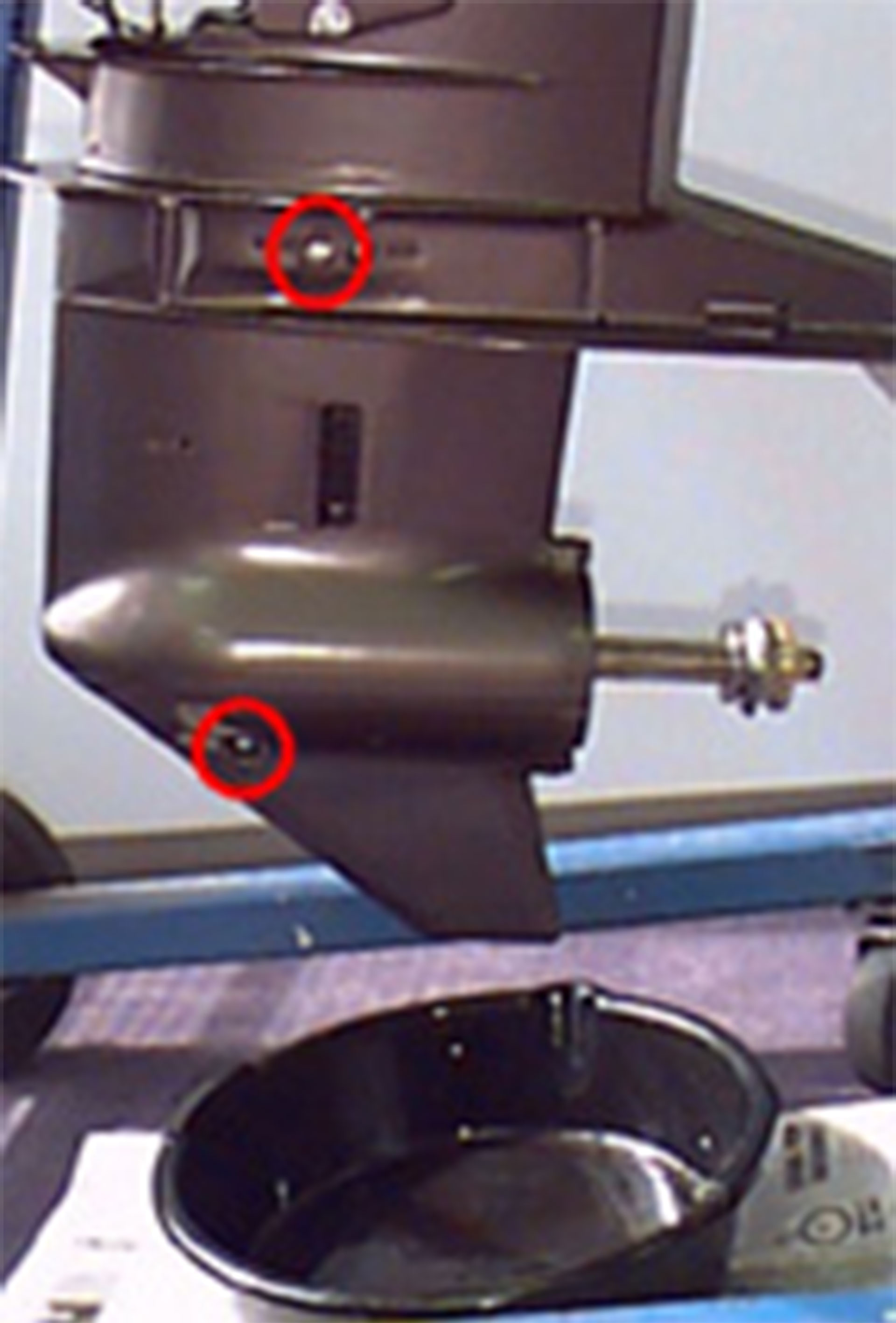
How To Check And Change Mercury Lower Unit Oil
Changing the lower unit oil is a job most boat owners can do themselves. Here’s a step-by-step guide to make sure you do it right and avoid common mistakes.
Tools And Supplies You’ll Need
- Flathead screwdriver or large coin (to remove drain/fill screws)
- Oil pump (for larger units)
- Correct lower unit oil (check your model)
- Drain pan
- Clean rags
- New gaskets for drain/fill screws
Step-by-step Process
- Warm up the engine briefly—run it for 5 minutes. This helps old oil drain out more easily.
- Trim the motor up, then support it so it stays vertical.
- Place a drain pan under the lower unit.
- Remove the bottom drain/fill screw first, then the upper vent screw. Oil will begin to flow out.
- Let oil drain completely—this can take several minutes. Look for milky or dark oil, which can signal water leaks or gear wear.
- Inspect the old gaskets on the screws. Replace them if worn, cracked, or flattened.
- Pump new oil in through the bottom hole. Keep going until oil flows out the top vent hole.
- Install the top vent screw while oil is still coming out, then quickly install the bottom screw.
- Wipe off excess oil. Clean up around the screws to check for future leaks.
- Test the engine briefly to make sure there are no leaks or unusual noises.
Pro Tip: Don’t Reuse Old Gaskets
One mistake many boaters make is reusing the small plastic or fiber gaskets from the drain and vent screws. These can compress and fail to seal, letting water into your lower unit. Always use fresh gaskets with every oil change.
Pro Tip: Time And Frequency
For most Mercury outboards, change the lower unit oil at least once per season or every 100 hours, whichever comes first. If you run in dirty or salt water, or see cloudy oil, change it more often.
Common Mistakes When Dealing With Lower Unit Oil
Even experienced boat owners sometimes make avoidable errors. Here’s what to watch for:
- Overfilling or underfilling: It’s tempting to guess, but using too much or too little oil can cause foam, leaks, or gear damage.
- Using the wrong oil type: Not all oils are the same. Use only the recommended Mercury gear lube for your specific model.
- Ignoring milky oil: If the oil looks like chocolate milk, water is leaking into the lower unit. This needs urgent repair before running the motor again.
- Forgetting to replace gaskets: Small, cheap gaskets can prevent big, expensive problems.
- Skipping regular changes: Old oil loses its protective properties. Regular changes keep gears and bearings healthy.
- Not tightening screws properly: Over-tightening can strip threads. Under-tightening can cause leaks. Snug, but not forced, is best.
Choosing The Right Oil For Your Mercury Outboard
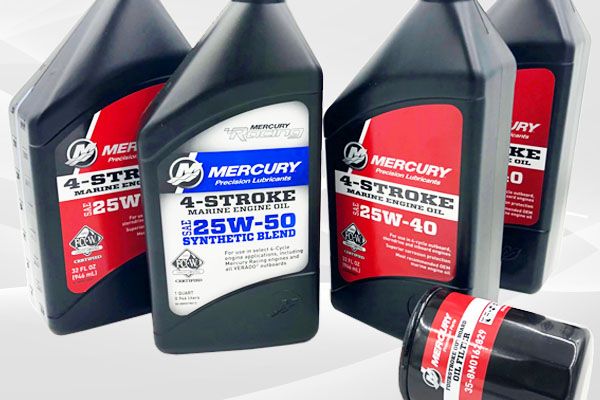
Mercury offers several types of lower unit oil. Using the wrong one can void your warranty or cause gear wear.
Main Types Of Mercury Lower Unit Oil
- Mercury High Performance Gear Lube: Standard for most outboards up to 225 HP.
- Mercury Premium Plus Gear Lube: Required for some newer, high-horsepower models and Verado engines.
- Synthetic Gear Lubes: Offer higher protection in extreme temperatures or heavy use.
Oil Comparison For Popular Mercury Outboards
Here’s a quick look at which oil type is best for each engine group.
| Engine Type | Recommended Oil | Why Use It? |
|---|---|---|
| 2.5–30 HP | High Performance Gear Lube | Basic protection for light-duty use |
| 40–115 HP | High Performance Gear Lube | Protects against corrosion and moderate loads |
| 135–225 HP | High Performance or Premium Plus | For higher speeds and heavier loads |
| Verado & V8 Engines | Premium Plus or Synthetic | Maximum protection at high power |
Signs Of Wrong Or Old Oil
- Noise or grinding from the lower unit
- Cloudy or milky oil on inspection
- Metal shavings in the old oil
- Leaking seals after oil change
If you notice any of these, drain the oil and refill with the correct type before further use.
Troubleshooting Lower Unit Oil Problems
Sometimes, even with the best care, problems happen. Here’s how to spot and solve common lower unit oil issues.
Water In Lower Unit Oil
If you see milky oil, it means water has entered the lower unit. This can quickly destroy gears and bearings.
- Check gaskets and seals: The most common entry points are the drain/vent screw gaskets, propeller shaft seal, and driveshaft seal.
- Pressure test: Many marine shops can pressure test your lower unit to find leaks.
- Fix before running: Don’t use the outboard until leaks are repaired and oil is replaced.
Oil Leaking From Lower Unit
A small drip after changing oil is usually from leftover oil on the casing. But ongoing leaks can mean:
- Loose or damaged screws
- Worn gaskets
- Cracked housing
Always check the source and fix before running the motor.
Foamy Oil
Foamy or bubbly oil means air is mixing with the oil. This could be from overfilling, bad seals, or using the wrong oil. Foamy oil does not protect gears and must be replaced immediately.
Metal In Oil
Finding metal flakes or powder in the oil is a sign of wear inside the lower unit. Small amounts are normal, but lots of metal means gears or bearings are failing. It’s best to have the unit inspected by a marine technician.
How Oil Capacity Affects Performance And Longevity
It’s easy to think a little bit more or less oil won’t matter. But for lower units, precise oil capacity makes a real difference.
- Too little oil: Gears and bearings run dry, heat up, and wear quickly. Even a small shortfall can cause major damage.
- Too much oil: Can cause pressure to build up, blow out seals, or create foam. This leads to leaks and poor lubrication.
- Correct amount: Ensures every part is coated, heat is carried away, and no pressure builds up inside.
Following the recommended oil capacity is one of the simplest ways to extend the life of your Mercury outboard.
How To Find Your Mercury Outboard’s Exact Oil Capacity
If you lost your manual or can’t find the info on your outboard, here’s how to get the exact lower unit oil capacity:
- Check the owner’s manual: Most Mercury manuals list the oil capacity in ounces or milliliters.
- Look for a sticker or label: Many Mercury outboards have a small label near the fill or vent screw with oil type and capacity.
- Use your serial number: Visit Mercury’s official parts lookup or talk to a dealer. The serial number will identify the exact lower unit design.
- Contact a certified dealer: Dealers have databases and experience with every Mercury model.
- Check trusted online sources: Forums and official websites, like Mercury Marine, often have downloadable manuals.
Mercury Lower Unit Oil Capacity: Quick Reference
For your convenience, here’s a quick summary of oil capacities for the most popular Mercury outboards:
| HP Range | Model Examples | Capacity (ml/oz) |
|---|---|---|
| 2.5–3.5 | 2.5, 3.5 HP 4-stroke | 100 ml / 3.4 oz |
| 4–6 | 4, 5, 6 HP 4-stroke | 195 ml / 6.6 oz |
| 8–9.9 | 8, 9.9 HP 2-stroke | 280 ml / 9.5 oz |
| 20–30 | 20, 25, 30 HP 4-stroke | 430 ml / 14.5 oz |
| 40–60 | 40, 50, 60 HP 4-stroke | 610 ml / 20.6 oz |
| 75–115 | 75, 90, 115 HP | 710 ml / 24 oz |
| 135–225 | 135, 150, 175, 200, 225 HP | 946 ml / 32 oz |
| 200–300 Verado | Verado 200–300 HP | 946 ml / 32 oz |
| V6/V8 FourStroke | 175–300 HP (2018+) | 1,000 ml / 33.8 oz |
Seasonal And Storage Tips For Lower Unit Oil
Taking care of your Mercury outboard’s lower unit oil is not just a job for the boating season. What you do before and after storage also matters.
Before Winter Storage
- Change the oil before storage: Old oil can hold acids and water that cause rust while your boat sits.
- Check for leaks: If you find milky oil, fix seals before winter. Freezing water inside the lower unit can crack the case.
- Store vertical: If possible, store your outboard vertical to let any water drain out.
Spring Startup
- Inspect the oil: Even if you changed it before storage, check for leaks or changes in color.
- Top up if needed: Make sure the level is correct before your first trip.
- Check gaskets: Inspect for any signs of leaks or loose screws.
Pro Tip: Annual Pressure Test
If you boat in salt water or run hard, ask your dealer to pressure test your lower unit once a year. This checks for leaks you cannot see and is cheap insurance against expensive repairs.
Environmental Considerations
Used lower unit oil contains heavy metals and chemicals that can harm the environment. Never dump it in the water, on the ground, or in household trash.
- Recycle used oil: Most auto parts stores and marinas accept used oil for recycling.
- Use an oil drain pan with a spout: This makes it easy to pour old oil into a recycling container.
- Clean up spills immediately: Even small oil spills can damage aquatic life.
When To Seek Professional Help
While changing lower unit oil is simple, sometimes you need an expert. Here’s when to get help:
- You see metal in the oil: This may mean gears or bearings are failing.
- Oil is always milky: Persistent water leaks need professional repair.
- You stripped a screw or damaged a gasket: Improper sealing can ruin the lower unit.
- You’re unsure about the correct oil or capacity: It’s better to ask than risk expensive damage.
A certified Mercury service technician has the tools and experience to handle complex problems and can keep your warranty intact.
Frequently Asked Questions
How Often Should I Change The Lower Unit Oil On My Mercury Outboard?
Change the lower unit oil at least once per boating season or every 100 hours of use, whichever comes first. If you run in salt water or dirty environments, you may need to change it more often.
What Happens If I Overfill Or Underfill The Lower Unit Oil?
Overfilling can cause pressure to build up, leading to leaks or blown seals. Underfilling leaves gears and bearings exposed, leading to overheating and wear. Always fill to the correct level for your model.
Can I Use Automotive Gear Oil In My Mercury Lower Unit?
No. Automotive gear oil is not designed for marine use. Mercury gear lube contains special additives for water resistance, corrosion protection, and high load. Using non-marine oil can damage your outboard and void the warranty.
How Do I Know If Water Is Leaking Into My Lower Unit?
If your lower unit oil looks milky, creamy, or chocolate-colored when you drain it, water has entered. This is usually caused by bad gaskets or seals. Fix leaks before running the motor again.
Where Can I Find The Exact Oil Capacity For My Mercury Outboard?
Check your owner’s manual, look for a label on the lower unit, or use your serial number to search on the official Mercury Marine website. Dealers can also provide correct specs using your model and serial number.
Taking care of your Mercury outboard’s lower unit oil capacity is a small task with a big reward. The right oil, in the right amount, means smoother running, fewer repairs, and more time enjoying the water. With these tips and data, you’ll stay ahead of trouble and keep your boating adventures going strong.