
The Toyota 4Runner is one of the most respected SUVs on and off the road. Known for its rugged reliability, it has built a following among outdoor enthusiasts, families, and anyone who wants a vehicle that lasts. But to keep a 4Runner running strong, one basic task is essential—regular oil changes. The question many owners ask is: what is the correct Toyota 4Runner oil capacity for my model year and engine? Using the right amount of oil is critical for engine health. Too little, and you risk overheating and wear. Too much, and you might face leaks or pressure problems.
This guide is your full roadmap to understanding the Toyota 4Runner oil capacity. Whether you drive a brand-new model or a classic from the 1990s, you’ll find clear answers here. We cover different generations, engines, tips for checking and changing oil, and explain why oil capacity really matters.
If you want your 4Runner to last for decades, this is the knowledge you need.
Why Oil Capacity Matters In The Toyota 4runner
Engine oil is the lifeblood of any vehicle. In the Toyota 4Runner, it’s even more critical because these SUVs are often used in tough environments—mountains, deserts, towing, and city traffic. The right oil capacity does three main things:
- Lubricates moving parts, preventing metal-on-metal contact.
- Cools the engine by absorbing and carrying away heat.
- Cleans by trapping particles and contaminants.
If you use too little oil, the engine can overheat or wear out early. Too much oil can foam, reducing its effectiveness and causing leaks. Getting the oil capacity right isn’t just technical—it’s practical protection for your investment.
Toyota 4runner Oil Capacity By Generation And Engine
Toyota has produced the 4Runner since 1984. Over the years, engines and designs have changed, so oil capacity varies. Here’s a deep dive into each generation.
First Generation (1984–1989)
The early 4Runners came with two main engines: a 2.4L 4-cylinder and a 3.0L V6.
- 2.4L 22R/22RE 4-cylinder: Oil capacity is about 5.5 quarts (5.2 liters) with filter change.
- 3.0L V6 (3VZ-E): Oil capacity is about 4.5 quarts (4.3 liters) with filter change.
Most owners of these classic models find that regular oil changes (every 3,000–5,000 miles) are key to longevity, especially with older seals and gaskets.
Second Generation (1990–1995)
This era kept the 3. 0L V6 and added a 2. 4L turbo-diesel in some markets.
- 3.0L V6 (3VZ-E): Still about 4.5 quarts (4.3 liters).
- 2.4L Turbo-diesel: Not common in the U.S., but typically needs about 7.4 quarts (7 liters).
A common mistake is not replacing the oil filter with every oil change. The filter holds some oil, so skipping it can affect total capacity.
Third Generation (1996–2002)
This generation introduced the popular 3. 4L V6 and a 2. 7L 4-cylinder.
- 2.7L 4-cylinder (3RZ-FE): 5.5 quarts (5.2 liters) with filter.
- 3.4L V6 (5VZ-FE): 5.5 quarts (5.2 liters) with filter.
Both engines are known for reliability. Proper oil levels help prevent common issues like valve cover leaks.
Fourth Generation (2003–2009)
Toyota shifted to larger engines, including a V8 option.
- 4.0L V6 (1GR-FE): 5.5 quarts (5.2 liters) with filter.
- 4.7L V8 (2UZ-FE): 6.6 quarts (6.2 liters) with filter.
The V8’s higher oil capacity supports its extra power and towing capability.
Fifth Generation (2010–present)
Today’s 4Runner is powered by the 4. 0L V6.
- 4.0L V6 (1GR-FE): 6.6 quarts (6.2 liters) with filter.
Toyota increased the oil capacity slightly in this generation to help with engine cooling and longevity, especially for those who tow or drive in hot climates.
Special Editions And Variants
Occasionally, Toyota offers special editions (like the TRD Pro) or different engines in other markets. Always check your owner’s manual or the under-hood sticker for your exact model.
Quick Comparison Of Oil Capacities (u.s. Models)
Here’s a look at the main engine options and their oil capacities:
| Generation | Engine | Oil Capacity (with filter) |
|---|---|---|
| 1984–1989 | 2.4L 4-cylinder | 5.5 quarts (5.2 L) |
| 1984–1989 | 3.0L V6 | 4.5 quarts (4.3 L) |
| 1996–2002 | 3.4L V6 | 5.5 quarts (5.2 L) |
| 2003–2009 | 4.7L V8 | 6.6 quarts (6.2 L) |
| 2010–Present | 4.0L V6 | 6.6 quarts (6.2 L) |
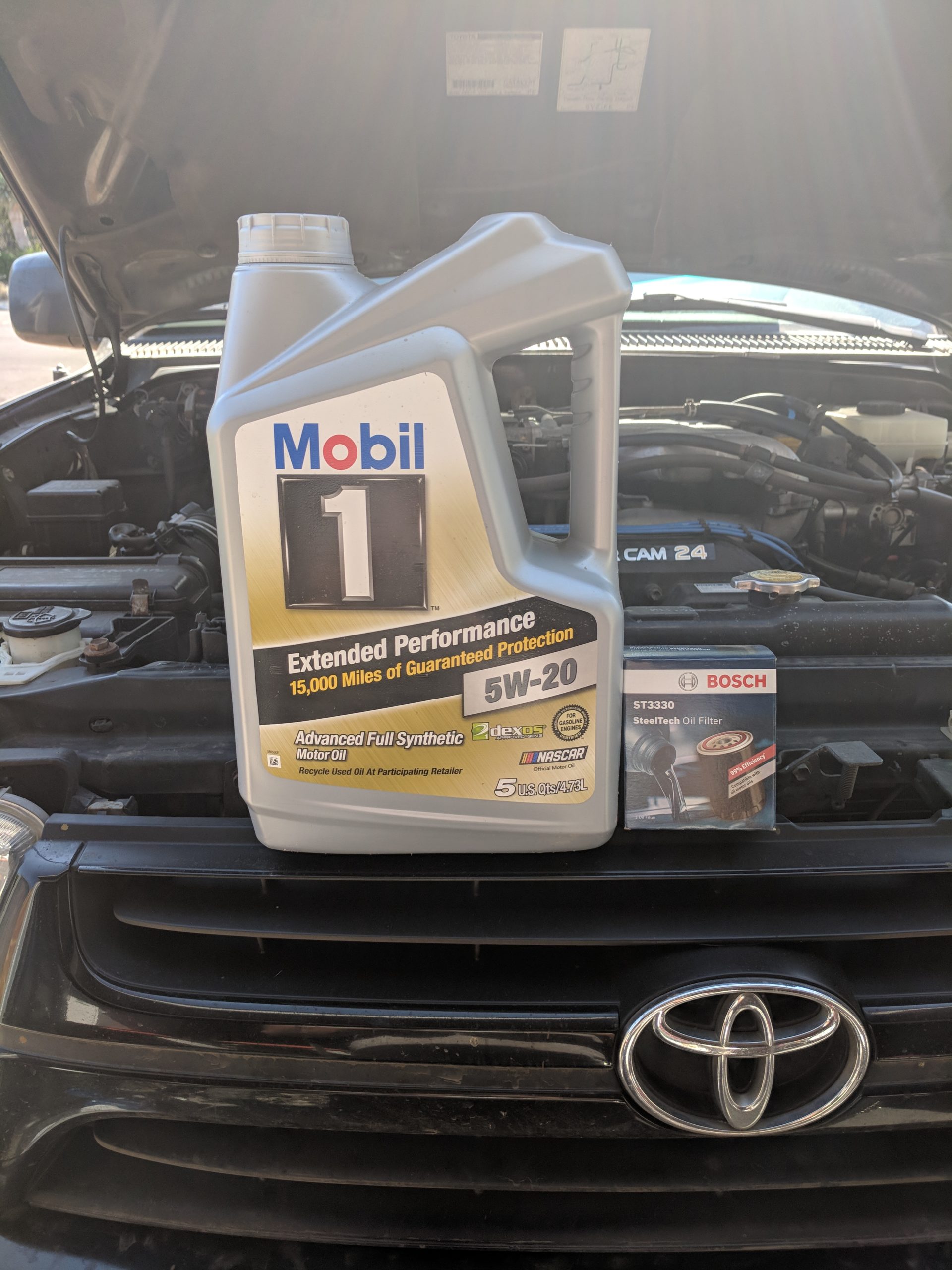
Credit: horsepowerhub.com
How To Check And Refill Oil In Your Toyota 4runner
Knowing the oil capacity is only half the job. Checking and refilling oil the right way ensures accuracy and avoids problems.
Step-by-step Oil Check
- Park the car on a level surface and turn off the engine. Wait 5–10 minutes for oil to settle.
- Open the hood and locate the dipstick (usually marked yellow or orange).
- Pull out the dipstick, wipe it clean, reinsert it fully, then pull it out again.
- Check the oil level—it should be between the “Low” and “Full” marks.
- If it’s low, add oil in small amounts, rechecking each time.
Non-obvious tip: Always check oil after the engine is warm but not hot. Cold oil can give a false reading.
Refilling Oil
- Use a funnel to avoid spills.
- Pour slowly to prevent overfilling.
- After adding oil, run the engine for a minute, turn it off, and recheck the level.
Expert insight: Overfilling by even half a quart can cause leaks or damage the catalytic converter over time.
What Type Of Oil Does The Toyota 4runner Use?
Oil type is as important as oil amount. Using the correct viscosity and specification will help your engine perform well in all conditions.
Recommended Oil Types By Generation
- Older models (pre-2003): Generally recommend 5W-30.
- 2003–Present: Toyota usually recommends 0W-20 or 5W-20 synthetic oil for newer 4.0L V6 engines.
Always check your owner’s manual for the specific oil grade for your model and climate.
Conventional Vs. Synthetic Oil
Most experts suggest using synthetic oil in modern 4Runners. It handles heat better and lasts longer, especially if you tow or drive in hot or cold weather.
Beginner mistake: Mixing oil types (conventional and synthetic) is not ideal. Stick to one type for best results.
Oil Brand And Certification
Look for oils that meet API SN or ILSAC GF-5 standards. Well-known brands like Mobil 1, Castrol, or Toyota Genuine Motor Oil are safe choices.
Oil Change Intervals And Best Practices
Changing oil at the right interval is just as important as getting the capacity right. Here’s what Toyota and experts recommend:
Standard Oil Change Intervals
- Conventional oil: Every 3,000–5,000 miles.
- Synthetic oil: Every 7,500–10,000 miles.
If you drive in severe conditions (off-road, towing, dusty roads, or extreme temperatures), change your oil more often.
Signs You Need An Oil Change
- Oil looks dark or dirty on the dipstick.
- Engine runs louder than usual.
- Oil level drops faster than expected.
- Oil change light comes on.
Advanced tip: Even if you drive little, change oil at least once a year. Short trips can create moisture and acids that harm the engine.
Changing Oil Yourself Vs. Professional Service
Many 4Runner owners do their own oil changes to save money and ensure quality. If you choose to do it yourself:
- Use the correct oil filter.
- Dispose of old oil responsibly.
- Always double-check the oil level after running the engine briefly.
A professional shop can be helpful if you’re not comfortable or don’t have the right tools.
Common Mistakes With Toyota 4runner Oil Changes
Even experienced owners can make mistakes. Here are some to avoid:
- Forgetting to replace the oil filter. It can hold up to 0.5 quarts of old oil.
- Not tightening the drain plug properly. Too loose, and you’ll leak oil. Too tight, and you risk stripping threads.
- Using the wrong oil viscosity. Thicker or thinner oil than recommended can harm engine performance.
- Overfilling oil. This can cause foaming, leaks, and even engine damage.
- Not checking oil level after an oil change. Always check, as some engines may need a minute to circulate new oil.
Hidden insight: Always replace the drain plug washer (or gasket) if your 4Runner uses a crush washer. Reusing old washers can lead to slow leaks.
How Oil Capacity Affects Engine Performance
Many people focus on oil changes but don’t realize how oil capacity impacts overall performance.
Cooling And Heat Dissipation
A larger oil volume means better heat control. The oil absorbs heat from the engine, and more oil spreads out the heat, keeping the engine cooler during hard use or hot weather.
Lubrication And Wear
Having the right amount of oil ensures all moving parts—camshafts, pistons, and bearings—get enough lubrication. Too little oil means some parts won’t be protected, increasing wear.
Oil Breakdown And Contaminants
If you have too little oil, it gets dirty and breaks down faster. This means your engine’s protection is reduced between oil changes.
Pro tip: Off-roading or towing puts more stress on oil. If you do these regularly, check your oil level more often.
How To Find Your 4runner’s Exact Oil Capacity
While this guide covers most U.S. models, some special editions or international models may differ. To find your exact capacity:
- Check your owner’s manual. It’s the most reliable source.
- Look for the sticker under the hood. Many 4Runners have oil information there.
- Contact your Toyota dealer with your Vehicle Identification Number (VIN).
- Search reliable online sources like Toyota’s official owner portal.

Credit: trail4runner.com
Comparison: Toyota 4runner Oil Capacity Vs. Other Suvs
Wondering how the 4Runner stacks up against similar SUVs? Here’s a quick side-by-side:
| SUV Model | Engine | Oil Capacity (with filter) |
|---|---|---|
| Toyota 4Runner (2023) | 4.0L V6 | 6.6 quarts (6.2 L) |
| Jeep Grand Cherokee (2023) | 3.6L V6 | 6.0 quarts (5.7 L) |
| Honda Passport (2023) | 3.5L V6 | 5.7 quarts (5.4 L) |
| Ford Explorer (2023) | 2.3L I4 | 5.7 quarts (5.4 L) |
| Toyota Highlander (2023) | 2.4L Turbo | 5.7 quarts (5.4 L) |
The 4Runner’s oil capacity is on the higher side, reflecting its focus on durability and heavy-duty use.
What Happens If You Use The Wrong Oil Capacity?
Many people think a little extra oil is harmless. In reality, using the wrong oil capacity can cause several problems:
- Engine leaks: Too much oil increases pressure, pushing oil past gaskets and seals.
- Foaming: Excess oil can whip into foam, reducing its ability to lubricate.
- Catalytic converter damage: Burning oil can foul the converter, leading to costly repairs.
- Low oil pressure: Too little oil starves the engine, causing rapid wear.
Key takeaway: Always double-check your oil level after refilling, and stick to Toyota’s recommended capacity.
Diy Oil Change: Tools And Materials Needed
If you want to change your own oil, having the right tools makes the job easier and cleaner.
Basic Tools
- Oil filter wrench
- Socket set (usually 14mm for drain plug)
- Oil drain pan (holds at least 7 quarts)
- Funnel
- Gloves and shop towels
Materials
- Correct amount of oil (see above for your engine)
- New oil filter (Toyota or high-quality aftermarket)
- New drain plug washer (if required)
Real-life tip: Lay down cardboard under your 4Runner to catch any spills.
Step-by-step Diy Oil Change
- Warm up the engine (2–3 minutes).
- Raise the vehicle (if needed) and secure with jack stands.
- Place drain pan under oil pan.
- Remove drain plug and let oil drain completely.
- Replace drain plug washer and reinstall plug.
- Remove old oil filter, lubricate new filter’s gasket, and install new filter.
- Add new oil through the filler cap.
- Start engine, run for 1 minute, then turn off and check for leaks.
- Recheck oil level and top off if needed.
Hidden insight: Write the date and mileage of your oil change on a sticker or in a logbook. This helps track maintenance and can increase resale value.
How Extreme Conditions Affect Oil And Capacity
If you use your 4Runner for off-roading, towing, or driving in very hot or cold weather, your oil may break down faster. Here’s what to consider:
- Hot weather: Oil thins out and can evaporate more quickly. Consider checking levels more often.
- Cold weather: Oil thickens, making it harder to circulate. Use recommended winter-grade oil (like 0W-20 or 5W-30).
- Towing: Engine works harder, so oil gets hotter. Follow severe-duty maintenance intervals.
Pro tip: Carry a quart of oil in your cargo area during long trips or off-road adventures. It’s a small investment that can prevent big problems.
Signs Of Oil-related Problems In The 4runner
Watch for these signs that your oil level or quality isn’t right:
- Oil warning light comes on.
- Burning oil smell from the engine.
- Blue exhaust smoke (indicates oil burning).
- Knocking or ticking sounds from the engine.
- Oil puddles under your vehicle.
If you notice any of these, check your oil immediately and address the problem before driving further.
Troubleshooting Low Or High Oil Levels
Low Oil Level
If your oil level drops quickly between changes, it could be:
- Leaking seals or gaskets
- Worn piston rings (usually on high-mileage engines)
- Loose oil filter or drain plug
Top off the oil and schedule an inspection if you can’t find the leak.
High Oil Level
If the oil is overfilled:
- Drain some oil immediately.
- Check for possible coolant leaks (milky oil can indicate head gasket problems).
Never drive with the oil too high—serious damage can occur.
How To Read The Oil Dipstick Accurately
The dipstick is your best friend for checking oil level, but reading it right takes practice.
- Wipe the dipstick clean before checking.
- Insert fully, then pull out and look for oil between the “Low” and “Full” marks.
- If you see bubbles or foamy oil, it may be overfilled or contaminated.
Little-known fact: Some 4Runner dipsticks are hard to read if the oil is very clean. Check in good light and repeat if unsure.
Choosing The Right Oil Filter For Your 4runner
An oil filter does more than just trap dirt. It helps maintain oil pressure and keeps harmful particles out.
- Use a Toyota Genuine Filter or a high-quality aftermarket brand.
- Never reuse old filters—they can clog and reduce oil flow.
- Change the filter with every oil change for best protection.
Expert insight: Some aftermarket filters are longer or shorter than OEM. Stick to recommended sizes to avoid pressure problems.
Environmental Impact: Proper Oil Disposal
Used oil is hazardous to the environment. Never pour it down the drain or on the ground.
- Take used oil to a recycling center, auto parts store, or hazardous waste facility.
- Many shops will accept oil for free.
- Use a sealed container for transporting old oil.
Safe oil disposal protects waterways and wildlife.
Frequently Asked Questions
What Is The Oil Capacity For A 2023 Toyota 4runner?
The 2023 4Runner uses a 4.0L V6 engine with an oil capacity of 6.6 quarts (6.2 liters) when you include the filter.
Can I Use 5w-30 Oil Instead Of 0w-20 In My 4runner?
Toyota recommends 0W-20 for most modern 4Runners, but 5W-30 can be used in some older models or in an emergency. Always check your owner’s manual for the correct grade.
How Often Should I Change My Toyota 4runner’s Oil?
For synthetic oil, change every 7,500–10,000 miles. For conventional oil, every 3,000–5,000 miles. Change more often in severe driving conditions.
Is It Dangerous To Overfill The Oil In My 4runner?
Yes. Overfilling can cause leaks, foaming, and even engine damage. Always fill to the correct level.
Where Can I Find More Details About My 4runner’s Oil Specs?
The best source is your owner’s manual or the official Toyota Owner’s portal.
Your Toyota 4Runner is a tough, reliable SUV, but it depends on proper oil care to last for hundreds of thousands of miles. Knowing the right oil capacity for your specific model and engine is a small detail that makes a big difference.
Stick to Toyota’s recommendations, check your oil regularly, and don’t cut corners on oil changes. With good habits, your 4Runner will keep running strong wherever the road—or trail—takes you.