
If you own or maintain equipment with a Vanguard engine, you know how important oil is for its health. Oil is the lifeblood of any engine, and using the right amount is just as important as choosing the right type. But figuring out the exact Vanguard engine oil capacity can be tricky, especially since Vanguard makes a wide range of engines for everything from lawn mowers to industrial machines. Adding too much oil can cause problems, and too little can damage your engine fast. In this guide, you’ll find clear answers, practical advice, and the details you need to keep your Vanguard engine running strong.
Why Oil Capacity Matters In Vanguard Engines
Many people think all small engines are the same, but Vanguard engines come in many sizes and designs. Each has its own oil capacity for a reason. The right amount of oil helps with cooling, reduces wear, and keeps dirt out of moving parts. If you use too little, your engine can overheat or wear out quickly. Too much oil can cause leaks, foaming, or even internal damage. Some newer Vanguard engines use full-pressure lubrication systems, which need precise oil levels to work correctly.
What most beginners miss is that oil capacity is not just about filling to the “Full” mark on the dipstick. You need to check the owner’s manual or the engine’s data plate for the correct amount. Even engines with the same horsepower can have different oil needs because of design changes, oil filters, or crankcase shapes.
Vanguard Engine Oil Capacity By Model
Vanguard makes several types of engines. Oil capacity varies based on engine size (measured in horsepower or cc), the presence of an oil filter, and the intended use. Below are some of the most common Vanguard engine series with their typical oil capacities.
Single Cylinder Vanguard Engines (5-10 Hp)
These are often found in pressure washers, small generators, and walk-behind mowers.
- 5 HP (160cc-205cc): Most need about 0.6 to 0.7 liters (20-24 oz) of oil. No oil filter.
- 6.5 HP – 7.5 HP (205cc-250cc): Usually require 0.6 to 0.7 liters (20-24 oz). No oil filter.
- 8 HP – 10 HP (305cc): Capacity ranges from 0.85 to 1.0 liters (28-34 oz). No oil filter.
V-twin Vanguard Engines (14-23 Hp)
These engines power larger mowers, UTVs, and light commercial machines.
- 14 HP – 16 HP (479cc): Need about 1.5 liters (50 oz) without oil filter.
- 18 HP – 23 HP (570cc-627cc): Capacity is 1.7 to 1.9 liters (57-64 oz) with filter.
Big Block Vanguard Engines (28-37 Hp)
Used in zero-turn mowers, commercial turf, and industrial equipment.
- 28 HP – 37 HP (896cc-993cc): Oil capacity is usually 1.9 to 2.4 liters (64-81 oz) with filter.
Vanguard Efi Engines
Engines with Electronic Fuel Injection (EFI) have similar oil capacities as their non-EFI versions, but always check the manual. Sometimes, oil filters or coolers change the total needed.
| Engine Model | Displacement (cc) | Oil Capacity (L) | With Oil Filter? |
|---|---|---|---|
| 6.5 HP Single | 205 | 0.6 | No |
| 18 HP V-Twin | 570 | 1.7 | Yes |
| 28 HP Big Block | 896 | 2.1 | Yes |
How To Check And Fill Oil In Vanguard Engines
Even experienced users make mistakes when adding oil to their engines. Here’s how to do it right:
- Place the engine on a level surface. This sounds simple, but an uneven surface changes the oil reading.
- Remove the dipstick and wipe it clean. Insert it fully, then remove again to check the level.
- Add oil slowly. Pour in small amounts, checking the dipstick each time.
- Do not overfill. The oil should reach the “Full” mark, but not go past it. If you overfill, drain some out.
- Run the engine briefly. This helps oil fill all spaces and gives a more accurate reading. Check the level again.
- Check for leaks. After refilling, look around the filter and drain plug to make sure nothing is dripping.
A common mistake is trusting the “Full” mark without accounting for a new oil filter. If you just changed the filter, it might take extra oil to reach the right level. Some models need another 0. 1-0. 2 liters when a new filter is installed.
Oil Types And Viscosity For Vanguard Engines
Oil capacity is only part of the story—using the right oil type is just as important. Vanguard engines are designed for SAE 30 oil in warm weather, but many models can use 10W-30 or 5W-30 for colder climates. Always check the manual for your engine.
Why does viscosity matter? Oil that’s too thick can make starting hard in cold weather. Oil that’s too thin won’t protect the engine in hot weather. Vanguard recommends:
- SAE 30: Best for temperatures above 40°F (4°C)
- 10W-30 or 5W-30: Good for temperatures below 40°F (4°C)
- Synthetic oils: Often allowed and can give better protection, especially for engines used year-round
Never mix different types or brands of oil. If you switch to synthetic, change the oil completely.
Signs Of Incorrect Oil Capacity
Running your Vanguard engine with the wrong oil level can cause serious issues, even if the engine still runs. Watch for these signs:
- Smoke from exhaust: Too much oil can cause blue smoke or fouled spark plugs.
- Knocking or tapping noise: Not enough oil can make the engine sound rough or metallic.
- Leaking oil: Overfilling can force oil out seals and gaskets.
- Poor performance: Either too much or too little oil can make the engine run hot or lose power.
If you notice any of these, stop and check the oil immediately.
Oil Change Intervals For Vanguard Engines
Changing oil on time is key to engine life. For most Vanguard engines, the first oil change should be after 5 hours of use (break-in period). After that, change oil every 50-100 hours or at least once per season.
- Engines under heavy use: Change oil every 50 hours.
- Light or seasonal use: Change oil every 100 hours, or every year.
- Dirty or dusty conditions: Change oil more often, as dirt can mix with oil and cause wear.
Don’t forget to replace the oil filter with every oil change if your engine has one.
How To Find Your Vanguard Engine’s Exact Oil Capacity
The safest way to know your engine’s oil capacity is to check the owner’s manual or the sticker on the engine. If you lost your manual, you can search for your engine’s model number online. Briggs & Stratton, the maker of Vanguard, has engine lookup tools on their website.
The model number is usually stamped on the valve cover, blower housing, or near the oil fill. Write it down before buying oil or filters.
Comparison: Vanguard Oil Capacity Vs. Other Brands
It helps to see how Vanguard compares to other common engine brands in terms of oil capacity. Here’s a summary:
| Brand | Engine Size (cc) | Oil Capacity (L) |
|---|---|---|
| Vanguard | 627 | 1.9 |
| Kohler | 674 | 2.0 |
| Kawasaki | 726 | 2.1 |
| Honda | 688 | 2.0 |
Vanguard’s oil capacities are similar to other leading brands, but always check your specific model for differences. Some engines have deeper sumps or oil coolers that change the total oil needed.

Credit: www.amazon.sa
Step-by-step Oil Change For Vanguard Engines
Changing oil is simple if you follow these steps:
- Warm up the engine. Run it for a few minutes to thin the oil.
- Turn off and disconnect spark plug. This prevents accidental starts.
- Place a pan under the drain plug. Make sure the pan is big enough.
- Remove the drain plug or use the oil drain tube. Let all oil drain out.
- Replace drain plug. Tighten securely, but do not over-tighten.
- Remove and replace the oil filter (if present). Apply a little oil to the new filter’s gasket.
- Add new oil slowly. Check level with dipstick as you fill.
- Run the engine and check for leaks. Top up oil if needed.
Many users forget to check for leaks, or add oil too fast and overfill. Take your time and double-check the level.
Practical Tips For Maintaining Proper Oil Level
Keeping your Vanguard engine healthy is about more than just filling oil. Here are some practical tips:
- Check oil before every use. Engines can burn or leak oil without obvious signs.
- Use a clean funnel. Dirt in the oil fill can enter the crankcase.
- Store oil in sealed containers. Old or dirty oil can cause engine damage.
- Record oil changes. Note the date and hours of use so you don’t forget.
- Use genuine Vanguard or Briggs & Stratton filters. Cheap filters may not fit or filter well.
It’s easy to forget to check oil regularly if the engine is used only in summer or rarely. Schedule oil checks as you do with car maintenance.

Credit: www.cntavocats.com
What Happens If You Overfill Or Underfill Vanguard Engine Oil?
If you put in too much oil, air can mix with oil, creating foam. This foam does not lubricate well, leading to bearing damage and overheating. Excess oil can also push past seals, causing leaks.
If you use too little oil, parts like the crankshaft and camshaft are not fully protected. This leads to rapid wear and can destroy the engine in hours. Always aim for the recommended amount, not just “close enough.”
Environmental Considerations: Disposing Of Used Oil
Used engine oil is hazardous. Never dump it on the ground or in the trash. Collect oil in a clean, sealed container. Most auto parts stores or recycling centers accept used oil for free.
Pouring oil down drains harms water supplies and is illegal in many places. Always clean up spills and dispose of oil responsibly.
Common Mistakes When Checking Vanguard Engine Oil
Even people with experience make these errors:
- Not waiting after running the engine: Oil takes time to drain back to the sump. Wait 2-3 minutes before checking.
- Checking on a slope: Even a slight angle can show a false reading.
- Using the wrong dipstick: Some engines have multiple dipsticks for different models. Make sure you use the correct one.
- Forgetting to change the filter: Oil filters trap dirt, but clog over time. Skipping the filter change means dirty oil stays in the engine.
Upgrading To Synthetic Oil In Vanguard Engines
Many new Vanguard engines allow synthetic oil, which gives longer life and better protection, especially in extreme conditions. If you switch, do a full oil change—never mix old mineral oil with new synthetic.
Synthetic oil is more stable at high temperatures and flows better when cold. This is useful for engines used in winter or heavy commercial work. While synthetic oil costs more, it can pay off by reducing engine wear and oil changes.
Oil Filter Types And Their Effect On Capacity
Not all Vanguard engines use oil filters, but those that do need a specific type. Using an oversized or undersized filter can change the oil level. Always use the recommended filter size.
Some aftermarket filters claim to fit, but may restrict oil flow or leak. Stick with OEM filters for the best fit and filtration. If you add a new filter, check and top up oil after the first run.
Troubleshooting Oil Issues In Vanguard Engines
If you notice oil problems, start with these steps:
- Check for leaks at the drain plug or filter. Tighten or replace as needed.
- Look for oil in the air filter. This means overfilling or a blocked breather.
- Excessive oil consumption: May be caused by worn rings or valves—see a mechanic.
Don’t ignore oil problems. Early fixes are much cheaper than a new engine.
Real-world Example: Oil Capacity In A 23 Hp Vanguard Engine
Suppose you have a 23 HP Vanguard V-Twin on a commercial mower. The manual lists 1.9 liters (64 oz) with filter. After draining the old oil and replacing the filter, you add 1.7 liters and check the dipstick. It’s just below “Full,” so you add another 0.2 liters. After running for two minutes, you check again and it’s perfect.
If you had forgotten the new filter, you might have underfilled and risked damage. This shows why checking the manual and understanding filter effects are important.
How Oil Capacity Affects Engine Longevity
Engines that always run with the correct oil level last much longer. Oil cools, cleans, and lubricates. Even a small oil shortage raises temperature and wear. Overfilled engines can develop leaks or sludge, shortening life.
One non-obvious insight: dirty oil acts like sandpaper inside the engine. Frequent oil changes, not just correct oil level, are the secret to long engine life.
Quick Reference Guide: Common Vanguard Engine Oil Capacities
Here’s a handy summary for the most popular Vanguard engines:
| Engine | Horsepower | Oil Capacity (L) |
|---|---|---|
| Single Cylinder | 5-10 HP | 0.6-1.0 |
| V-Twin | 14-23 HP | 1.5-1.9 |
| Big Block | 28-37 HP | 1.9-2.4 |
Always confirm for your exact model before adding oil.
Where To Get Reliable Information
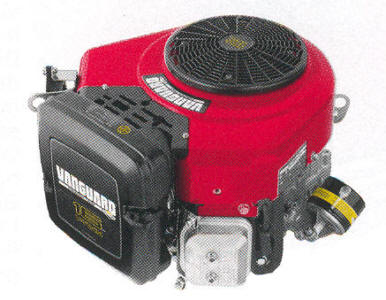
The best sources for oil capacity are your owner’s manual or the official Vanguard website. If you don’t have a manual, use the model number lookup at Vanguard Power Manuals. Never guess or rely only on what “seems right.”
Credit: www.smallenginesuppliers.com
Frequently Asked Questions
What Happens If I Use The Wrong Oil Capacity In My Vanguard Engine?
Using too little oil can cause overheating and fast engine wear. Too much oil can lead to foaming, leaks, and even internal damage. Always fill to the recommended level for your engine and check with the dipstick after filling.
Can I Use Synthetic Oil In My Vanguard Engine?
Yes, most modern Vanguard engines accept synthetic oil, which provides better protection in extreme temperatures. Check your manual to confirm. When switching, do a full oil change and never mix with old mineral oil.
How Often Should I Change The Oil In My Vanguard Engine?
Change oil after the first 5 hours (break-in), then every 50-100 hours or at least once per season. In dusty or hot conditions, change oil more often. Always replace the oil filter during oil changes if your engine has one.
What’s The Best Way To Find My Engine’s Oil Capacity?
The best way is to check your owner’s manual or the label on the engine. If you don’t have these, use the model number to look up the oil capacity on the Vanguard website or contact a dealer.
Does Changing The Oil Filter Affect Oil Capacity?
Yes. Engines with oil filters need more oil when the filter is replaced—usually 0. 1-0. 2 liters extra. Always check the oil level after changing the filter and top up if needed.
Making sure your Vanguard engine oil capacity is correct is one of the simplest and most effective ways to protect your engine. Take a few extra minutes to check and change oil properly, and your engine will reward you with years of reliable service.