
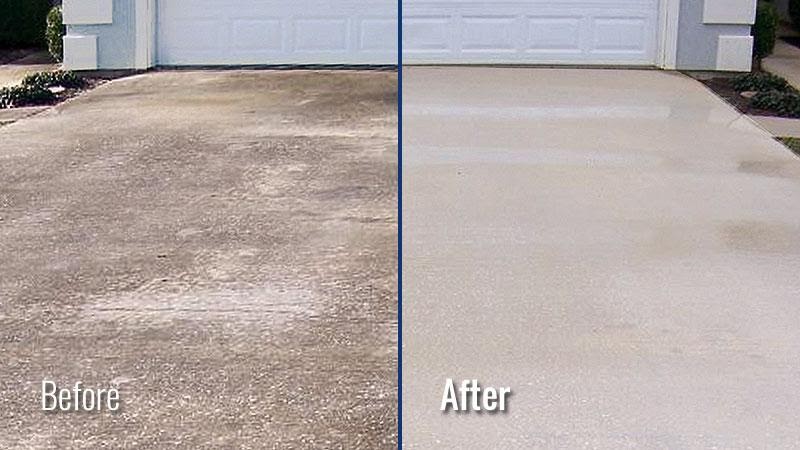
Pressure washing is one of the most effective ways to restore a driveway’s appearance and extend its lifespan. Over time, driveways collect dirt, oil stains, algae, mildew, and even mold. These not only make the surface look unattractive, but can also create slippery, unsafe conditions.
If you want your driveway to look almost new again, pressure washing is a smart choice. But getting it right takes more than just spraying water. Many people make mistakes—like using the wrong nozzle, skipping preparation, or ignoring safety—which can damage the surface or leave unsightly marks.
This guide will walk you step by step through how to pressure wash a driveway safely and thoroughly, so you get professional-level results without causing harm.
Why Pressure Wash Your Driveway?
Driveways take a beating from weather, cars, and foot traffic. Here’s why pressure washing is important:
- Boosts curb appeal: Clean driveways make your home look well cared for.
- Removes harmful substances: Oil, algae, and mold can break down concrete or asphalt.
- Increases safety: Removes slippery algae and moss, reducing fall risk.
- Prepares for sealing or repairs: Clean surfaces are needed for sealants and paints to stick.
According to the National Association of Realtors, a clean driveway can increase perceived home value by up to $10,000 in some markets. Regular cleaning also helps avoid expensive repairs from deep stains or cracks.
Understanding Pressure Washers
Not all pressure washers are equal. Choosing the right one is the first step for a safe and effective cleaning.
Types Of Pressure Washers
There are two main types:
- Electric pressure washers: Best for small to medium jobs. Lower pressure (1300-2000 PSI), quieter, lighter, and easy to use.
- Gas pressure washers: Much more powerful (2000-4000+ PSI). Ideal for large or heavily stained driveways. Louder, heavier, require more maintenance.
Here’s a quick comparison:
| Type | Pressure Range (PSI) | Best Use | Pros | Cons |
|---|---|---|---|---|
| Electric | 1300–2000 | Light to moderate dirt | Quiet, easy, less maintenance | Less power, not for tough stains |
| Gas | 2000–4000+ | Heavy dirt, large areas | Very powerful, fast | Loud, heavy, more maintenance |
Key Pressure Washer Terms
- PSI (Pounds per Square Inch): Pressure strength. Higher PSI means more cleaning power.
- GPM (Gallons per Minute): Water flow rate. Higher GPM cleans faster.
- Nozzle types: Color-coded tips control spray angle and force.
For most concrete or asphalt driveways, a washer rated 2500–3500 PSI with a flow of 2.5–3.5 GPM is ideal.
Tools And Materials You’ll Need
Before starting, gather these essentials:
- Pressure washer (gas or electric, with at least 2500 PSI for tough jobs)
- Garden hose (for water supply)
- Spray nozzles (usually 15°, 25°, and 40°)
- Pressure washer detergent (made for driveways/concrete)
- Stiff broom or brush
- Protective gear: Safety glasses, gloves, boots, long pants
- Plastic sheeting or tape (to protect plants, doors, or walls)
- Degreaser (for oil stains)
- Scraper or putty knife (for stuck debris)
- Leaf blower or broom (to clear loose dirt/leaves)
- Sealant (if you plan to seal after cleaning)
Having everything ready saves time and prevents mistakes.
Safety Precautions Before You Start
Pressure washers are powerful tools and can cause injury or property damage if used carelessly. Keep these safety tips in mind:
- Wear safety glasses and gloves: High-pressure water can cut skin or send debris flying.
- Use boots and long pants: Protects feet and legs from spray and chemicals.
- Read the manual: Know how your machine works, especially the safety features.
- Clear the area: Remove cars, toys, and anything you don’t want wet or damaged.
- Protect nearby plants and doors: Use plastic sheeting or garbage bags to cover sensitive areas.
- Check electrical outlets: If using an electric washer, keep connections dry and use a GFCI outlet.
- Never point the wand at people or pets: Even a brief spray can injure skin or eyes.
An often-missed tip: check your driveway for cracks or loose sections before starting. High pressure can widen cracks or break weak spots, so mark these areas to clean with less force.
Preparing Your Driveway
A good result starts with good prep. Here’s what to do:
Remove Obstacles And Loose Debris
- Move cars, bikes, and planters off the driveway.
- Sweep away leaves, dirt, and rocks with a stiff broom or a leaf blower.
- Scrape off any stuck gum, paint, or thick mud with a putty knife.
Protect Surroundings
- Cover plants, grass edges, and doors with plastic sheeting or garbage bags. Tape down edges to keep water out.
- If your driveway meets the house, block the bottom of doors with towels or barriers.
Pre-treat Stains
Oil and grease stains need extra attention:
- Pour a driveway-safe degreaser or detergent directly on the stain.
- Let it soak for 10–15 minutes.
- Scrub with a stiff brush.
Rust stains, algae, or mold? Choose a cleaner made for that problem, and always follow label instructions.
Wet The Surface
Before applying detergent, lightly wet the driveway with your garden hose or pressure washer on a wide, gentle setting. This helps the soap work better and prevents it from drying too fast.
Choosing The Right Nozzle And Detergent
Selecting the correct nozzle is one of the most important steps. Using the wrong one can leave streaks or damage the surface.
Nozzle Angles And Uses
- 0° (Red): Pinpoint, very high force. Never use on concrete—it will etch or gouge.
- 15° (Yellow): Good for tough stains, paint prep, or deep cleaning small areas.
- 25° (Green): Best balance for general cleaning of concrete or asphalt.
- 40° (White): Gentle rinse and for delicate surfaces.
- Black (Soap nozzle): Low pressure for applying detergent.
Most driveway jobs use the 25° nozzle for cleaning and 15° nozzle for spot-treating stubborn stains. Always test in a small area first.
Picking The Right Detergent
Use only cleaners labeled for pressure washers and made for driveways or concrete. These break down oil and dirt without damaging surfaces. Avoid homemade mixes—bleach and vinegar can harm plants and corrode your washer’s pump. For eco-friendly options, look for biodegradable formulas.
Step-by-step: How To Pressure Wash Your Driveway
Now you’re ready to start. Follow these steps for best results.
1. Connect And Set Up Your Pressure Washer
- Attach your garden hose to the water inlet.
- Connect the high-pressure hose to the spray gun and washer.
- Plug in (electric) or fill with fuel (gas).
- Select the correct nozzle (start with 25°).
Check all connections for leaks before turning on the water.
2. Apply Detergent
- Fill the detergent tank with your chosen cleaner, or connect the siphon tube if your washer uses one.
- Switch to the soap nozzle (usually black).
- Starting at the high end of the driveway, spray a thin, even coat of detergent over the entire surface.
- Overlap slightly on each pass.
- Let the detergent sit for 5–10 minutes, but do not let it dry. Re-wet if needed.
This loosens dirt and stains, making cleaning easier.
3. Scrub Stubborn Areas
For heavily stained spots, use a stiff brush to agitate the detergent. This helps lift oil, algae, or rust.
4. Pressure Wash The Driveway
- Switch to the 25° nozzle.
- Stand about 12–18 inches from the surface.
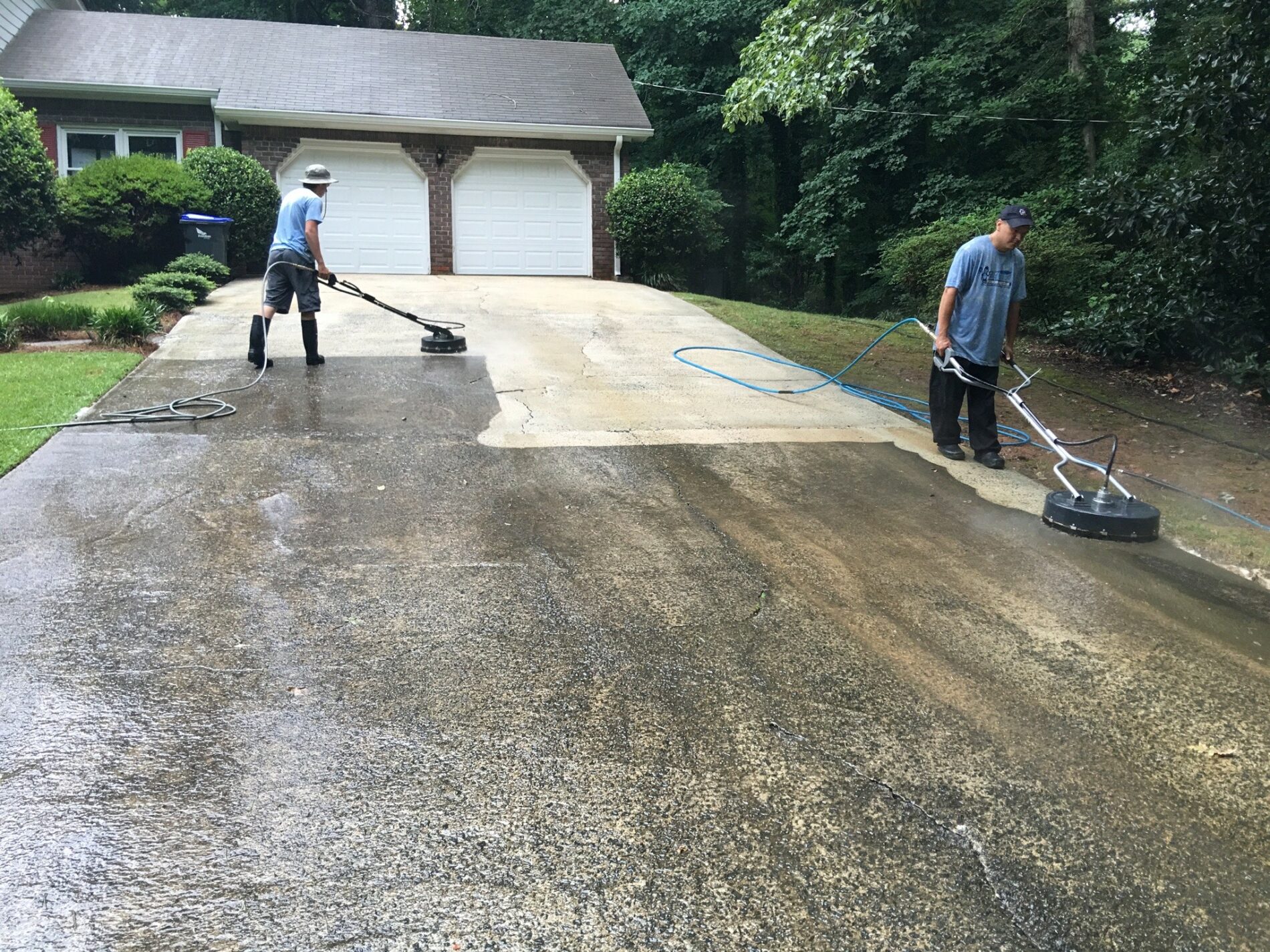
- Hold the wand at a slight angle (not straight down), and keep your arm steady.
- Start at the high end, working down the slope. This lets dirty water flow off easily.
- Use long, even strokes, overlapping each pass by about 30%. This avoids streaks.
- For tough stains, pause and go over the area again or switch briefly to a 15° nozzle.
If you see damage or etching, move back a few inches or switch to a wider nozzle.
5. Rinse Thoroughly
After cleaning the whole surface, rinse with the 40° nozzle or garden hose to remove all soap and loosened dirt. Pay special attention to edges and joints, where grime can collect.
6. Inspect And Touch Up
- Walk the driveway and check for missed spots or stubborn stains.
- Apply more detergent and scrub if needed, then rinse again.
- Remove any plastic or tape from nearby plants or doors.
7. Allow To Dry
Let the driveway dry for at least 24 hours before parking cars or walking on it. This prevents new stains and helps the surface cure.
Special Tips For Different Driveway Materials
Not all driveways are the same. Here’s how to adjust for your surface:
Concrete Driveways
- Use a washer rated up to 3500 PSI for tough stains.
- Avoid the 0° nozzle—it can etch or chip the surface.
- Sealing after cleaning is highly recommended for long-term protection.
Asphalt Driveways
- Stick to lower pressure (max 2500 PSI) to prevent damage.
- Use a wider nozzle (25° or 40°).
- Avoid harsh chemicals that can break down asphalt binders.
Pavers And Brick
- Test a small area first—old or loose pavers can shift.
- Lower pressure and wide nozzle are safer.
- Re-sand joints after washing if sand is washed out.
Stamped Or Decorative Concrete
- Use the gentlest setting (40° nozzle) to avoid removing color or pattern.
- Test detergent on a small hidden area first.

Common Mistakes To Avoid
Even experienced users can make errors. Here are some pitfalls to watch out for:
- Using too much pressure: This can etch, chip, or crack the driveway.
- Wrong detergent: Harsh or homemade chemicals can harm surfaces, plants, or the washer.
- Ignoring safety gear: Flying debris can cause eye or skin injuries.
- Forgetting to overlap passes: Leaves streaks or uneven cleaning.
- Letting detergent dry: Makes rinsing harder and can stain concrete.
- Not rinsing thoroughly: Residue attracts new dirt quickly.
- Spraying too close: Can damage the surface or force water under pavers.
- Missing prep work: Skipping sweeping or stain pre-treatment leads to poor results.
A key insight: Most surface damage happens because people use the wrong nozzle or spray too close. Always test in a corner first.
When To Pressure Wash And How Often
Timing matters more than many people realize. The best seasons are spring and fall, when temperatures are moderate and you can remove winter grime or prepare for rain. Avoid freezing weather—water left on the surface can expand and cause cracks.
Frequency depends on your climate and driveway use:
- Light use/clean areas: Once a year is usually enough.
- Heavy traffic, trees, or shade: Every 6–8 months, as debris and algae build up faster.
- Before sealing or repairs: Always clean thoroughly first.
Remember, over-washing can gradually wear down some surfaces. Find the right balance for your situation.
Aftercare: Sealing And Maintenance
A clean driveway is easier to keep that way. Sealing provides extra protection and is highly recommended after pressure washing.
Applying Sealant
- Wait 24–48 hours after washing for the driveway to dry completely.
- Choose a sealant made for your driveway type (concrete, asphalt, or pavers).
- Apply in thin, even coats with a roller or sprayer.
- Let dry as directed (usually another 24–48 hours).
Sealants help prevent stains, slow weather damage, and make future cleaning easier.
Simple Maintenance Tips
- Sweep leaves and dirt weekly.
- Clean up spills (oil, paint) quickly to avoid stains.
- Remove algae or moss as soon as you see it.
- Re-seal every 2–3 years for best results.
Environmental Considerations
Pressure washing uses a lot of water—often 15–20 gallons per minute with a gas washer. Here’s how to reduce impact:
- Use the lowest effective pressure and flow rate.
- Choose biodegradable detergents only.
- Block storm drains to keep dirty water out of the water supply.
- Collect and dispose of runoff properly if using chemicals.
Some cities have rules about water runoff. Check local guidelines before starting.
Professional Vs. Diy: When To Hire A Pro
Many homeowners can handle driveway washing themselves, but some jobs are best left to professionals:
- Very large driveways: Pros have bigger, faster machines.
- Deep oil stains or heavy algae: Specialized treatments may be needed.
- Delicate surfaces: Decorative or old driveways can be damaged easily.
- Lack of experience or proper gear: If you’re unsure, a pro prevents costly mistakes.
Professional cleaning costs $150–$350 on average, depending on driveway size and condition.
Data: Cost, Time, And Results Comparison
Here’s how DIY and professional options compare:
| Option | Estimated Cost | Time Required | Result Quality |
|---|---|---|---|
| DIY (rent washer) | $50–$100 | 3–6 hours | Good (if careful) |
| DIY (own washer) | $200–$500 (purchase) | 3–6 hours | Good to Excellent |
| Professional | $150–$350 | 1–2 hours | Excellent |
Most beginners find DIY rewarding, but for complex stains or huge areas, hiring a pro can be worth the extra cost.
Extra Tips For Outstanding Results
- Work on a cloudy day or early morning; sun dries detergent too fast.
- Keep moving—don’t linger in one spot.
- Clean from top to bottom if your driveway slopes.
- Store your pressure washer properly—drain water and clean filters after use.
- Always check your local water use rules or restrictions.
One less-known tip: Some areas offer community tool libraries where you can borrow a pressure washer for free or at low cost. Check with your local city website.
Frequently Asked Questions
What Psi Is Safe For A Concrete Driveway?
Most concrete driveways handle up to 3500 PSI. Start with 2500–3000 PSI and use a 25° nozzle. For decorative or old concrete, use lower pressure and test a small area first.
Can I Use Bleach In My Pressure Washer?
No. Bleach can damage the washer’s pump and harm plants or the environment. Use only detergents labeled for pressure washers and safe for outdoor use.
How Do I Remove Oil Stains From My Driveway?
First, blot up any fresh oil. Then use a driveway-safe degreaser and let it soak for 10–15 minutes. Scrub with a stiff brush, then pressure wash as usual. Stubborn stains may need a second application.
Will Pressure Washing Damage My Asphalt Driveway?
If you use too much pressure or a narrow nozzle, yes—it can strip away the surface or cause cracks. Use a 25° or 40° nozzle and keep PSI below 2500. Avoid harsh chemicals.
Do I Need To Seal My Driveway After Pressure Washing?
Sealing is highly recommended, especially for concrete. It protects against stains, weather damage, and makes future cleaning easier. Wait until the driveway is completely dry before sealing.
For more details on pressure washer safety and operation, you can visit the Wikipedia page on pressure washers.
A clean driveway makes a big difference in the look and safety of your home. With the right steps, you can achieve professional results and keep your driveway in top condition for years to come.