
Slip joint pliers are a tool that many people see in toolboxes, but not everyone knows their real value. They look simple, but they can do many different jobs. If you are a homeowner, mechanic, plumber, or someone who likes to fix things, understanding what slip joint pliers are used for can make your work easier and safer.
These pliers have a unique design that allows the jaws to adjust to different sizes, making them versatile for many gripping and turning tasks. Let’s explore the many uses, advantages, and important details about slip joint pliers, so you can decide when and how to use them best.
What Are Slip Joint Pliers?
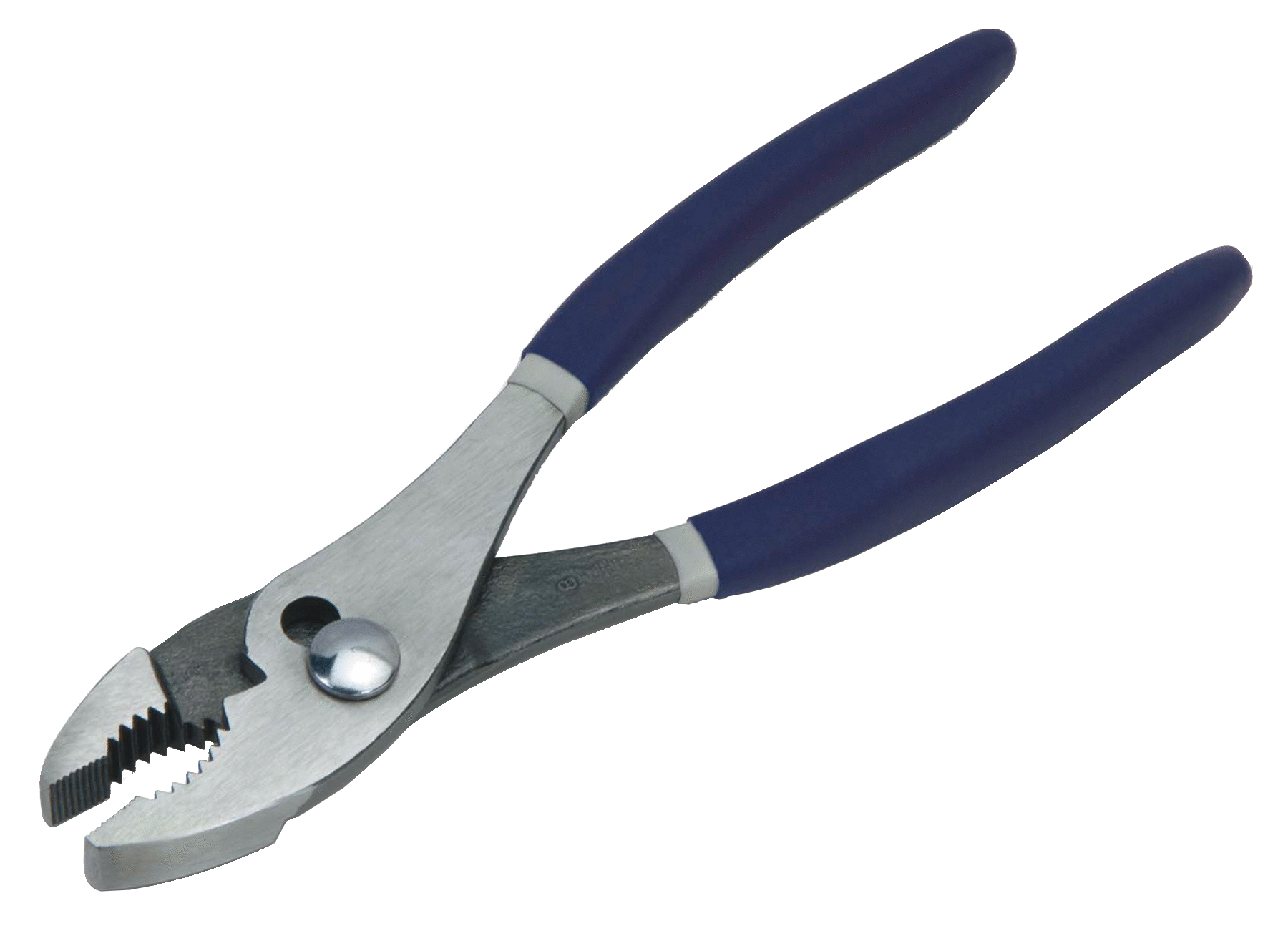
Slip joint pliers are a type of hand tool with two handles and two jaws. What makes them special is the pivot point, which can slide between two or more positions. This lets the jaws open wider to grip bigger objects, or close for small things. The name “slip joint” comes from this moving or “slipping” pivot.
The jaws have flat and curved sections. The flat part is for holding flat objects like sheet metal, and the curved part fits nuts, bolts, and rounded objects. Most slip joint pliers are around 6 to 8 inches long, but there are smaller and larger versions too.
Basic Structure And Variations
A closer look at slip joint pliers shows that they are simple but clever. Here are the main parts:
- Handles: Usually made of steel, sometimes with rubber or plastic grips for comfort.
- Pivot (Slip Joint): The key feature; it lets the jaws adjust in width.
- Jaws: The working end, with gripping teeth and curved sections.
- Cutting Edge (sometimes): Some slip joint pliers have a small wire cutter near the pivot.
There are also a few types:
- Standard slip joint pliers: Most common, with two jaw positions.
- Heavy-duty slip joint pliers: Thicker handles and jaws for tougher jobs.
- Mini slip joint pliers: Small size, good for electronics or tight spaces.
- Specialty versions: Some have extra features like wire strippers or crimpers.
The design makes these pliers flexible for many jobs, but also means you need to know what they can—and cannot—handle safely.

Key Uses Of Slip Joint Pliers
Slip joint pliers are not just for one task. Their design allows them to help with many common jobs. Below are the main uses, with examples and practical details.
1. Gripping And Holding Objects
The most basic use of slip joint pliers is to grip and hold things. The teeth on the jaws grab objects tightly, so your hands don’t slip. This is helpful when you need extra force, or when something is greasy or hard to hold with bare hands.
Examples:
- Holding a nail steady while hammering
- Gripping a nut or bolt so you can twist it
- Holding small pipes during plumbing work
A beginner’s mistake is to try gripping something too hard, which can damage the item or slip. Use steady, even pressure instead.
2. Turning Nuts, Bolts, And Fasteners
Slip joint pliers are often used for turning nuts, bolts, and small fasteners. Their adjustable jaws can fit different sizes, making them more flexible than a fixed wrench.
When to use:
- When you don’t know the exact nut size
- For loosening or tightening small nuts on bikes, appliances, or furniture
- In places where a wrench can’t reach
But remember, slip joint pliers can sometimes round off corners of nuts if used with too much force. For tight nuts, it’s better to use a wrench.
3. Bending And Shaping Materials
You can use these pliers to bend wire, sheet metal, or small rods. The strong jaws let you make sharp bends or curves in soft materials.
Common tasks:
- Bending electrical wire ends for outlets and switches
- Shaping metal tabs or brackets
- Adjusting hose clamps
Beginners sometimes forget that slip joint pliers are not for thick steel rods or rebar. They work best on soft metals and small-diameter wires.
4. Pulling And Removing Items
If something is stuck, slip joint pliers can help pull it out. The strong grip is useful for removing nails, staples, or even pulling out fuses from old cars.
Typical uses:
- Removing small nails or tacks from wood
- Pulling plastic fasteners in automotive repair
- Taking out small fuses or connectors
To avoid breaking the item, wiggle gently instead of pulling hard in one motion.
5. Pinching And Clamping
Sometimes you need to hold two things together while you work. Slip joint pliers can act as a temporary clamp for many tasks.
Examples:
- Holding wires together for soldering
- Pinching hose clamps in place during installation
- Clamping small workpieces while glue dries
For long-term clamping, use real clamps. Pliers can slip if left under tension for a long time.
6. Cutting Wire (on Some Models)
Many slip joint pliers include a small wire cutter near the pivot. This lets you cut soft wire without changing tools.
Good for:
- Cutting electrical wires during repairs
- Trimming zip ties or twist ties
- Snipping small nails or screws
Never try to cut hardened steel wire; it can damage the pliers.
7. Opening And Closing Snap Rings Or Clips
Some tasks need you to open or close snap rings, clips, or retaining rings. The jaws of slip joint pliers can help, especially when special snap ring pliers are not available.
Uses include:
- Removing E-clips from appliances
- Installing snap rings in machinery
- Handling hose clips in cars
Slip joint pliers are not as precise as snap ring pliers, but they work in a pinch.
8. Removing Bottle Caps And Jar Lids
The curved jaws of slip joint pliers are perfect for opening stubborn bottle caps or jar lids. Their grip gives you extra force when your hands can’t do the job.
How to use:
- Adjust the jaws to fit the lid size
- Grip the lid firmly, but not too hard (glass jars can break)
- Twist and open
This is a common use in kitchens, especially for people with weak hands.
9. Plumbing Repairs
Plumbers often use slip joint pliers for tightening or loosening plumbing nuts, washers, and pipe fittings. The adjustable jaws fit many plumbing parts.
Typical jobs:
- Tightening the nuts under a sink
- Adjusting supply line connectors
- Holding pipes during repairs
Always use two pliers: one to hold the pipe, one to turn the fitting. This stops the pipe from twisting.
10. Electrical Work
Electricians use slip joint pliers to bend, cut, and twist wires. The pliers’ shape makes them handy for wiring outlets, switches, and light fixtures.
Common actions:
- Looping wire ends for screw connections
- Cutting copper or aluminum wire
- Pulling wires through tight spaces
Always use tools with insulated handles for electrical work to avoid shocks.
11. Automotive Repairs
Mechanics rely on slip joint pliers for many car and engine repairs. Their versatility and reach make them ideal for working in tight engine bays.
Examples:
- Removing hose clamps
- Adjusting car battery connectors
- Holding small engine parts in place
For stubborn bolts, use a proper wrench or socket set to avoid damage.
12. Household Repairs
Homeowners use slip joint pliers for all kinds of small repairs around the house. From fixing a leaky faucet to tightening a loose screw, these pliers are a must-have.
Everyday uses:
- Assembling furniture
- Fixing small appliances
- Hanging pictures
Many people keep slip joint pliers in the kitchen drawer for quick fixes.
13. Garden And Outdoor Tasks
These pliers are also useful in the garden or for outdoor projects.
Uses include:
- Tightening hose connectors
- Fixing garden tools
- Adjusting or repairing outdoor furniture
Slip joint pliers can rust, so keep them dry when not in use.
14. Crafts And Diy Projects
Crafters and DIY fans find many uses for slip joint pliers. Their precise jaws help with making jewelry, bending craft wire, or assembling models.
Tasks:
- Shaping wire for beading or floral arrangements
- Holding small pieces while gluing
- Flattening metal pieces
For very fine work, needle-nose pliers might be better, but slip joint pliers are a good all-around choice.
Comparing Slip Joint Pliers To Other Pliers
People often wonder how slip joint pliers compare to other types. The main difference is the adjustable pivot and jaw design. Here’s a simple comparison:
| Pliers Type | Main Feature | Best Use | Weakness |
|---|---|---|---|
| Slip joint pliers | Adjustable jaw width | General gripping and turning | Not for heavy torque |
| Needle-nose pliers | Long, thin jaws | Precision, tight spaces | Not strong for big objects |
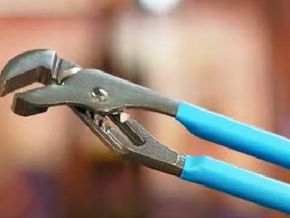
| Channel-lock pliers | Multiple jaw positions | Large pipes, plumbing | Bulkier, less precise |
| Linesman pliers | Flat jaws, wire cutter | Electrical work | Limited jaw opening |
Advantages Of Slip Joint Pliers
Slip joint pliers are popular for good reasons. Here are the main advantages:
- Versatility: One tool for many jobs—gripping, turning, bending, holding, and sometimes cutting.
- Adjustable Jaw: The slip joint lets you handle different sizes without switching tools.
- Compact Size: Most are small enough to fit in a tool pouch or drawer.
- Affordable: Basic models are inexpensive, often under $10.
- Easy to Use: No special skills needed—just adjust the joint and squeeze.
A non-obvious benefit: the jaws’ flat and curved sections let you switch between holding flat and round objects quickly.
Disadvantages And Limitations
No tool is perfect. Slip joint pliers also have limits:
- Not for High Torque: If you need to loosen very tight bolts, use a wrench. The jaws can slip and round off corners.
- Jaw Wear: The teeth can wear down over time, making grip weaker.
- Not Precision Tools: For very delicate or detailed work, needle-nose or specialty pliers are better.
- Possible Hand Fatigue: Long use can tire your hand, especially without padded handles.
Beginners often try to use slip joint pliers for everything, but sometimes a different tool is safer and faster.
How To Use Slip Joint Pliers Safely
Safety is important with any tool. Here are some tips for using slip joint pliers correctly:
- Choose the Right Jaw Setting: Adjust the slip joint so the jaws fit the object well—too wide and they will slip, too narrow and they won’t close.
- Grip Firmly, Not Excessively: Apply enough force to hold the item, but not so much that you damage it.
- Keep Fingers Clear: Make sure your fingers are not between the handles when squeezing.
- Don’t Use on Live Wires: Unless the handles are insulated for electrical work, do not use on wires with current.
- Check for Damage: Worn or bent pliers can slip and cause injury.
A practical tip: wipe oil or grease off the handles for a better grip.
Slip Joint Pliers In Different Trades
Slip joint pliers are used in many professions. Here’s how different trades benefit from them:
Homeowners And Diyers
For small repairs, slip joint pliers are a go-to tool. They help with everything from fixing a leaky faucet to opening stubborn jars.
Electricians
Electricians use slip joint pliers for cutting wire, bending ends, and pulling cables. They are not a replacement for insulated tools, but they help with many non-live tasks.
Plumbers
Plumbers use slip joint pliers for adjusting pipes, tightening nuts, and holding fittings during repairs. The adjustable jaws fit many plumbing sizes.
Mechanics
In car repair, slip joint pliers are used for removing hose clamps, holding nuts, and pulling out small parts. Their small size is helpful in tight engine spaces.
Hobbyists And Crafters
People who build models, make jewelry, or do other crafts use slip joint pliers for shaping wire and holding small parts.
Maintenance And Care Tips
If you want your slip joint pliers to last, a little care goes a long way:
- Clean After Use: Wipe off dirt, grease, and debris.
- Oil the Pivot: A drop of oil keeps the joint moving smoothly.
- Store Dry: Keep them dry to prevent rust, especially if used outdoors.
- Sharpen Jaw Teeth: If the grip weakens, use a small file to sharpen the teeth gently.
- Check for Damage: Replace pliers if the joint is loose or the handles are bent.
A common beginner mistake is to store pliers wet or dirty, leading to rust and stuck pivots.
Buying Guide: Choosing Good Slip Joint Pliers
Not all slip joint pliers are the same. Here’s what to look for when buying:
- Material: High-carbon steel is strong and resists rust.
- Handle Grip: Rubber or plastic grips are more comfortable, especially for long jobs.
- Jaw Teeth: Sharp teeth grip better; avoid models with smooth jaws.
- Pivot Strength: The joint should move smoothly but not wobble.
- Jaw Adjustment: Some models have more than two positions—this adds flexibility.
Compare brands, but don’t just buy the cheapest. A good pair lasts years, while cheap pliers can slip or break.
Here’s a quick comparison of popular brands:
| Brand | Length | Jaw Positions | Handle Type | Price Range |
|---|---|---|---|---|
| Channellock | 8 inches | 2 | Rubber grip | $12-$18 |
| Klein Tools | 8 inches | 2 | Plastic grip | $20-$28 |
| Stanley | 6-8 inches | 2 | Rubber/plastic | $8-$15 |
| Crescent | 7-8 inches | 2 | Plastic grip | $10-$16 |
Common Mistakes When Using Slip Joint Pliers
Many beginners make the same errors with slip joint pliers. Avoid these to work safer and smarter:
- Using as a Hammer: Pliers are not made for striking; this can break or bend them.
- Applying Too Much Force: Forcing stuck bolts can slip and damage both the tool and object.
- Cutting Hard Wire: The built-in cutter is for soft wire, not steel or piano wire.
- Gripping Delicate Parts: The teeth can scratch or crush soft materials.
- Ignoring Jaw Adjustment: Not setting the right jaw width makes the tool slip easily.
Non-obvious tip: always check the jaw teeth for wear. If they look rounded, the grip will not be strong, and slippage risk is higher.
Real-world Examples
Slip joint pliers have proved useful in many real-life situations. Here are a few:
- Fixing a garden hose: The connector was leaking. Slip joint pliers tightened it perfectly, stopping the leak.
- Opening a stuck paint can: The lid would not come off by hand, but the pliers gave the extra twist needed.
- Repairing a bike: Slip joint pliers held the nut in place while a wrench turned the bolt.
- Kitchen emergency: A glass jar lid was stuck, and the pliers opened it easily with no broken glass.
- Replacing a fuse: In an old car, the small fuse was hard to grip, but the pliers made removal easy.
Slip Joint Pliers In History
Slip joint pliers have a long history in the world of tools. The basic design goes back over a hundred years. Early pliers were made for blacksmiths and metalworkers, but the slip joint made them useful for everyone. Today, almost every toolbox has at least one pair.
According to Wikipedia, the slip joint design is a key step in the evolution of pliers, making them more flexible and practical for daily tasks.
Frequently Asked Questions
What Makes Slip Joint Pliers Different From Regular Pliers?
Slip joint pliers have an adjustable pivot, so the jaws can open wider or narrower. This means they can grip many different sizes of objects, unlike regular pliers, which have a fixed jaw opening.
Can Slip Joint Pliers Cut Wire?
Many slip joint pliers include a wire cutter near the pivot. These are good for cutting soft wire, like copper or aluminum. Do not use them for hard steel wire, as this can damage the tool.
Are Slip Joint Pliers Safe For Electrical Work?
If the handles are insulated, slip joint pliers can be used for some electrical tasks. If not, do not use them on live wires to avoid electric shocks. Always check the tool’s rating before using it for electrical work.
What Size Slip Joint Pliers Should I Buy?
Most people find that 6 to 8-inch slip joint pliers are the most useful for general household tasks. For tight spaces or small items, a mini version (4-5 inches) can be helpful.
How Do I Maintain Slip Joint Pliers?
Clean them after use, oil the pivot, and store them in a dry place. If the jaws become dull, gently sharpen the teeth with a file. Replace the tool if it becomes loose or damaged.
Slip joint pliers are a simple but powerful tool. With the right knowledge, you can use them for a wide variety of tasks, making your repairs and projects faster and easier. Whether you are a beginner or an experienced DIYer, a good pair of slip joint pliers deserves a place in your toolbox.