
Clogged toilets are a problem that almost everyone faces at some point. Imagine this: you flush, but instead of everything going down, the water rises. Panic sets in. You search for a plunger, but it’s nowhere to be found. Many people feel helpless in this situation. But don’t worry—unclogging a toilet without a plunger is possible, and you don’t need to be a plumber or buy special tools. You just need to know the right methods, some common household items, and a bit of patience.
This guide will take you step-by-step through the safest, most effective ways to clear a toilet clog when you don’t have a plunger. You’ll also learn why toilets get blocked, which methods work best for certain types of clogs, and what mistakes to avoid.
By the end, you’ll feel confident tackling most toilet blockages on your own, without calling for help or causing expensive damage.
Understanding Why Toilets Get Clogged
It’s helpful to know what causes a clog before you try to fix it. Most toilet blockages happen for a few common reasons:
- Too much toilet paper: Using a large amount at once can easily block the pipe.
- Non-flushable items: Things like wipes, sanitary products, or paper towels do not dissolve and can get stuck.
- Old, low-flow toilets: Some older models use less water but don’t have enough force to push waste down.
- Hard water deposits: Minerals build up over time, making the pipe narrower and easier to clog.
Knowing the cause can help you pick the right unclogging method. For example, a soft blockage (like toilet paper) responds better to dissolving agents, while a hard object may need a different approach.
Safety And Preparation: What To Do First
Before you start, take a few minutes to prepare. This will make your job easier and protect your bathroom from mess.
1. Stop The Water Flow
If the water level is rising, remove the tank lid and push the flapper (the rubber seal at the bottom) down. This stops water from refilling the bowl.
2. Protect The Floor
Lay down old towels or newspapers around the toilet. This catches any spills.
3. Wear Gloves
Use rubber gloves if you have them. Toilets have germs, and gloves will keep your hands clean.
4. Ventilate The Room
Open a window if possible. Some cleaning agents have strong smells.
5. Gather Supplies
Most methods use household items like dish soap, baking soda, vinegar, hot water, or a wire hanger. Collect what you need before you begin.
Method 1: The Hot Water And Dish Soap Technique
This is often the easiest and safest way to unclog a toilet without a plunger. It works best for soft clogs caused by paper or waste.
Steps:
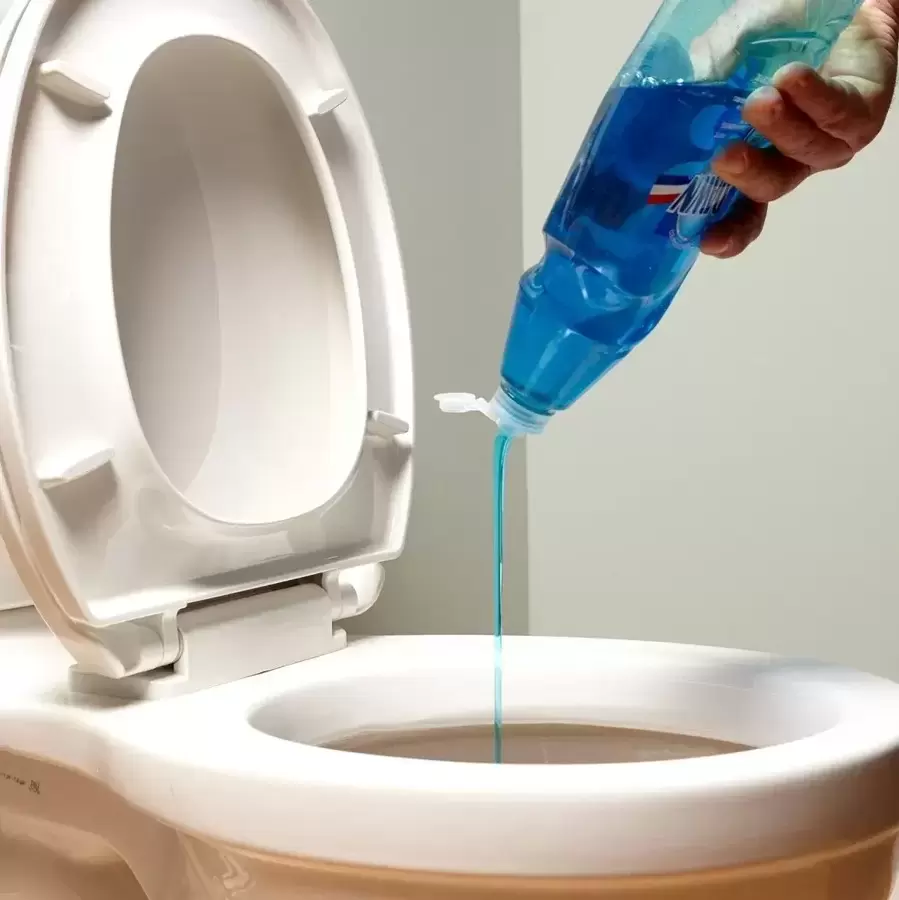
1. Add Dish Soap
Pour about half a cup of liquid dish soap into the toilet bowl. The soap helps break down greasy residue and lubricates the pipes.
2. Pour Hot (not Boiling) Water
Heat up about one gallon (4 liters) of water. Make sure it’s hot but not boiling—boiling water can crack porcelain. Slowly pour the hot water into the bowl from waist height. The force helps push the clog.
3. Wait And Watch
Let the mixture sit for 15–20 minutes. You may hear gurgling as the soap and water soften the blockage.
4. Flush
If the water level drops, try flushing. If not, repeat the process once. Most soft clogs clear after 1–2 tries.
Pro Tip: Sometimes using shampoo or hand soap works if you don’t have dish soap.
Method 2: Baking Soda And Vinegar Reaction
Baking soda and vinegar are a classic cleaning team. When combined, they fizz and create pressure, which can help break up a clog.
Steps:
1. Pour Baking Soda
Sprinkle about one cup of baking soda into the toilet bowl. Try to get as much as possible into the water.
2. Add Vinegar
Slowly pour in two cups of white vinegar. The mixture will bubble and fizz. This chemical reaction helps loosen the clog.
3. Wait
Let it sit for 30–40 minutes. For tough clogs, wait up to an hour.
4. Flush With Hot Water
Pour in a gallon of hot (not boiling) water. Wait a few minutes, then try flushing.
Non-Obvious Insight: The fizzing also helps clean the bowl and remove odors, giving you a cleaner toilet overall.
Method 3: Using A Toilet Brush As A Makeshift Plunger
If you have a sturdy toilet brush, you can use it to create pressure—similar to a plunger.
Steps:
1. Insert The Brush
Place the brush bristles down into the drain hole at the bottom of the bowl.
2. Pump Firmly
Move the brush up and down, using quick, strong motions. You’re trying to push water forcefully through the clog.
3. Flush
If the water starts to go down, try flushing. If not, repeat 2–3 times.
Warning: Don’t use too much force or you might splash dirty water.
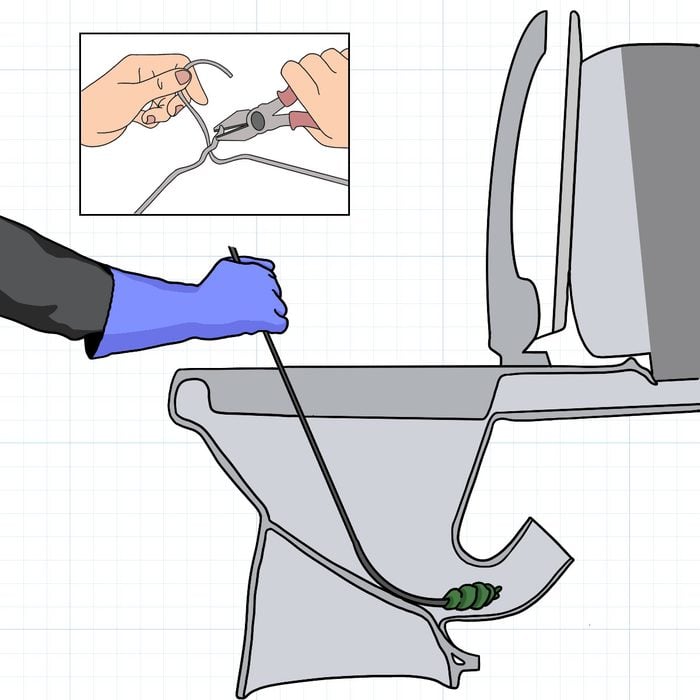
Method 4: The Wire Hanger Trick
For stubborn clogs, a wire hanger can help dislodge the blockage.
Steps:
1. Straighten The Hanger
Take a metal hanger and straighten it as much as possible. Leave a small hook at one end.
2. Wrap The Tip
Wrap the hooked end with a cloth or duct tape. This protects your toilet from scratches.
3. Insert And Probe
Gently push the padded end into the toilet drain. Move it back and forth to break up or hook the clog.
4. Flush
Remove the hanger and try flushing. Repeat if necessary.
Pro Tip: Never push too hard, or you could damage the porcelain or push the clog deeper.
Method 5: The Plastic Bottle Water Ram
This method uses water pressure to force the clog through. It can be messy, but works well for tough, soft blockages.
Steps:
1. Empty A Large Plastic Bottle
Use a 1- or 2-liter plastic bottle. Fill it with hot water.
2. Protect Your Hands
Wear gloves. You may get splashed.
3. Insert The Bottle
Place your thumb over the bottle opening. Fit the bottle’s neck into the drain hole at the bottom of the bowl.
4. Squeeze Hard
Remove your thumb and squeeze the bottle quickly. The burst of water creates pressure to push the clog.
5. Flush
If successful, the water will drain. Flush to check.
Non-Obvious Insight: This method is especially effective when the water level in the bowl is low, so scoop out extra water if needed.
Method 6: Enzyme Waste Remover
For organic clogs (waste and toilet paper), enzyme cleaners are a gentle and effective solution. These products contain natural bacteria and enzymes that eat away at waste.
Steps:
1. Buy An Enzyme Cleaner
Look for one made for septic systems or toilet maintenance.
2. Follow The Label Directions
Usually, you pour a certain amount into the bowl and let it sit overnight.
3. Flush
By morning, the clog should have dissolved. Flush to confirm.
Pro Tip: Enzyme cleaners are safe for pipes and the environment, but they work slowly, so only use them when you can wait.
Method 7: Wet/dry Vacuum (shop Vac)
If you have a wet/dry vacuum, you can try sucking out the clog. Never use a regular household vacuum for this—it isn’t safe for water.
Steps:
1. Set To Wet Mode
Ensure the vacuum can handle liquids.
2. Create A Seal
Wrap a towel around the hose to help seal it in the drain.
3. Vacuum Out The Water
Suck as much water as possible from the bowl.
4. Vacuum The Clog
Push the hose further in and keep vacuuming. If you hear a sudden rush, you may have sucked up the blockage.
5. Flush
Pour water into the bowl and check if it drains normally.
Warning: Clean the vacuum carefully after use. Toilet waste can be messy.
Method 8: Epsom Salt Solution
Epsom salt can help break down waste and toilet paper. If you have some at home, it’s worth a try.
Steps:
1. Pour Epsom Salt
Add one to two cups directly into the toilet bowl.
2. Wait
Let it sit for 15–30 minutes. The salt will fizz and help loosen the clog.
3. Add Hot Water And Flush
Pour in hot (not boiling) water, wait a few minutes, then flush.
Pro Tip: Epsom salt is gentle on pipes and also deodorizes the bowl.
Method 9: Using Bleach (with Caution)
Bleach can help dissolve organic waste, but use it sparingly and only as a last resort. Never mix bleach with other cleaners, especially ammonia.
Steps:
1. Pour Bleach
Use about two cups of household bleach.
2. Wait
Let it sit for 10–15 minutes.
3. Flush With Hot Water
Add a gallon of hot water and flush. The bleach helps break down the clog.
Warning: Bleach can irritate skin and lungs. Open windows and wear gloves.
Method 10: Baking Soda And Salt Mix
Another chemical-free option is baking soda and salt. This combination can help loosen clogs and deodorize the toilet.
Steps:
1. Mix Baking Soda And Salt
Use one cup of baking soda and one cup of table salt. Mix together.
2. Pour Into Bowl
Sprinkle the mix into the toilet.
3. Wait Overnight
Let it sit for at least eight hours.
4. Flush With Hot Water
Add hot water and flush in the morning.
Non-Obvious Insight: This method works best when you don’t need to use the toilet overnight, giving the mixture plenty of time to work.
Comparing Unclogging Methods
Different methods work better for different types of clogs. Here’s a quick comparison to help you choose the right one.
| Method | Best For | Time Required | Cost | Mess Level |
|---|---|---|---|---|
| Hot Water & Dish Soap | Soft clogs, toilet paper | 30 mins | Low | Low |
| Baking Soda & Vinegar | Paper, mild organic | 45 mins | Low | Low |
| Wire Hanger | Small objects, tough clogs | 15 mins | Very Low | Medium |
| Enzyme Cleaner | Organic, septic safe | Overnight | Medium | Low |
| Plastic Bottle Water Ram | Stubborn, soft clogs | 10 mins | Low | High |
When To Avoid Diy And Call A Plumber
Some situations are too risky for home methods. If you notice any of these signs, stop and call a professional:
- Water backing up in other drains: This could mean a main sewer line blockage.
- Repeated clogs: If your toilet clogs often, there may be a deeper problem.
- Strange noises: Gurgling from sinks or tubs when you flush means air is trapped in the pipes.
- Water leaks: If you see water leaking from the toilet base, turn off the water supply.
Professional plumbers have special tools and can prevent bigger problems.
Preventing Toilet Clogs
Once your toilet is clear, a few simple habits can help prevent future clogs:
1. Use Less Toilet Paper
Try to use only what you need. If you need more, flush between wads.
2. Don’t Flush Non-flushables
Never flush wipes, paper towels, sanitary items, or cotton swabs.
3. Regular Cleaning
Clean your toilet every week to prevent buildup.
4. Check Water Flow
If your toilet flushes weakly, adjust the water level in the tank.
5. Annual Maintenance
Once a year, use an enzyme cleaner to keep pipes clear.
Non-Obvious Insight: If you have hard water, consider installing a water softener. This reduces mineral buildup that causes narrow pipes and frequent clogs.
Tools And Supplies: What Helps Most
Many people ask which supplies are most useful for dealing with toilet clogs. Here’s a simple overview.
| Item | Purpose | Reusable? | Availability |
|---|---|---|---|
| Dish Soap | Lubricate pipes, break grease | Yes | Common |
| Baking Soda | Deodorize, break up waste | Yes | Common |
| Wire Hanger | Dislodge clogs | No | Common |
| Enzyme Cleaner | Dissolve organic matter | No | Hardware stores |
| Wet/Dry Vacuum | Suck out water/clogs | Yes | Less common |
Common Mistakes To Avoid
Unclogging a toilet is not complicated, but some mistakes can make things worse:
- Flushing repeatedly: This often causes overflow and flooding.
- Using boiling water: It can crack porcelain and damage seals.
- Mixing chemicals: Never mix bleach with ammonia or vinegar; it creates dangerous fumes.
- Pushing too hard with objects: You may scratch or break the toilet.
Non-Obvious Insight: If you tried several methods and nothing works, the clog could be deep in the drain line, not near the toilet. At that point, DIY methods rarely succeed.
Real-life Example: How One Family Avoided A Costly Call
Sarah had guests over when her only toilet clogged. With no plunger, she felt embarrassed. She tried the baking soda and vinegar method, but it didn’t work right away. Instead of panicking, she waited an hour and followed up with hot water and dish soap.
The clog cleared, and she avoided a $120 plumber’s fee.
Lesson: Sometimes, patience and repeating safe methods are all you need.

Environmental Impact: Are Diy Methods Safe?
Most of the unclogging methods above are safe for the environment and your plumbing. Chemical drain cleaners from the store, however, can be harsh and damage pipes over time. Enzyme-based solutions, baking soda, and vinegar are all eco-friendly options.
If you want to learn more about eco-friendly cleaning, check out advice from the U.S. Environmental Protection Agency.
Frequently Asked Questions
What Can I Use If I Don’t Have A Plunger?
You can try hot water and dish soap, baking soda and vinegar, a wire hanger, or a plastic bottle. These methods use items you likely have at home and are safe for most toilets.
Is It Safe To Use Baking Soda And Vinegar In My Toilet?
Yes, baking soda and vinegar are safe for toilets and pipes. They don’t harm your plumbing and help clean the bowl, too.
How Long Should I Wait Before Flushing After Using These Methods?
Wait at least 15–30 minutes for hot water, dish soap, or Epsom salt. For baking soda and vinegar, 30–60 minutes is best. Some methods (like enzyme cleaners) may need to sit overnight.
Why Shouldn’t I Use Chemical Drain Cleaners?
Most chemical cleaners are very harsh. They can damage pipes, harm septic systems, and are bad for the environment. Use them only as a last resort.
What If Nothing Works And My Toilet Is Still Clogged?
If you’ve tried several safe methods and the toilet is still blocked, the clog may be deep in the drain line. It’s time to call a plumber, especially if you see water backing up in other drains or hear gurgling noises.
Unclogging a toilet without a plunger is a skill every homeowner should know. With a little patience and the right household items, you can handle most clogs yourself—saving money, time, and stress. Remember to work carefully, avoid risky chemicals, and don’t hesitate to call a professional if things get out of hand.
Your bathroom (and your wallet) will thank you.