
When you step outside on a quiet morning and hear the buzz of a leaf blower in the distance, you might wonder—just how loud is that machine? For many, the sound is simply a part of fall or spring clean-up, but for others, it’s a matter of comfort, health, and even local law. The decibel level of a leaf blower is not just a number; it reflects the real-world impact these tools have on our environment and well-being. In this article, you’ll learn exactly how many decibels a leaf blower produces, why it matters, and what you should consider before using or buying one.
What Are Decibels And Why Do They Matter?
Decibels, abbreviated as dB, are a unit for measuring the intensity of sound. The decibel scale is logarithmic, which means an increase of 10 dB is not just a small step up—it actually represents a sound ten times more intense. For example, a sound at 70 dB is ten times more powerful than a sound at 60 dB.
Understanding decibels is important because our ears are sensitive to changes in sound intensity. Noise at high decibel levels can damage your hearing over time, cause stress, and disrupt daily life. This is why knowing the decibel level of a leaf blower is essential, especially if you use one regularly or live near someone who does.
Typical Decibel Levels Of Leaf Blowers
Leaf blowers come in different types and sizes, and each produces a different noise level. Most leaf blowers emit sound in the range of 60 to 115 decibels. This is a wide range, so let’s break it down:
- Electric leaf blowers: 60–75 dB
- Battery-powered leaf blowers: 60–85 dB
- Gas-powered leaf blowers: 70–115 dB
To put these numbers in context:
- A normal conversation is about 60 dB.
- Busy city traffic is around 85 dB.
- A motorcycle or lawnmower is about 90 dB.
- A rock concert can reach 110 dB.
So, a loud gas-powered leaf blower can be as noisy as a rock concert, while a quiet electric blower may sound like a regular conversation from a distance.
How Decibel Levels Are Measured In Leaf Blowers
Manufacturers measure leaf blower noise in decibels at a set distance, usually 50 feet or 15 meters from the device. This distance is meant to represent how loud the blower will sound to a neighbor or passerby, not the operator. Close to the user, the noise is much higher—often above 100 dB for gas blowers.
It’s important to note:
- The operator is exposed to the highest noise level.
- Distance matters—a leaf blower sounds much quieter from far away.
- The environment (open yard vs. enclosed space) affects perceived loudness.
Key Factors That Affect Leaf Blower Noise
Not all leaf blowers are equally loud. Here are the main factors that influence noise levels:
- Type of Leaf Blower
- Gas-powered models are usually the loudest due to their two-stroke or four-stroke engines.
- Electric and battery-powered models are generally quieter because they use smaller motors.
- Engine Size and Power
More powerful engines move more air but also create more noise.
3. Design And Technology
Some newer models use better mufflers and noise-dampening technology.
4. Nozzle Shape And Air Speed
Narrower nozzles can make the air whistle, adding to the noise.
5. Maintenance
Poorly maintained engines or clogged filters can make blowers run noisier.
6. Operation Method
Backpack blowers are often louder than handheld types due to larger engines.
Decibel Levels Of Popular Leaf Blower Models
To help you understand the real-world noise of common leaf blowers, here’s a comparison of several popular models:
| Leaf Blower Model | Type | Measured dB (50 ft) |
|---|---|---|
| Stihl BR 600 | Gas Backpack | 75 dB |
| Echo PB-580T | Gas Backpack | 70 dB |
| Greenworks Pro 80V | Battery Handheld | 62 dB |
| DeWalt DCBL720P1 | Battery Handheld | 66 dB |
| Worx WG520 Turbine | Electric Handheld | 70 dB |
| Toro UltraPlus 51621 | Electric Handheld | 68 dB |
| Makita EB5300TH | Gas Backpack | 74 dB |
From this, you can see that gas blowers are usually above 70 dB, while electric and battery blowers can be much quieter.
Why Leaf Blower Noise Is A Health Concern
Many people do not realize that regular exposure to sounds above 85 dB can cause permanent hearing loss. This is especially true if you use a leaf blower for hours each week. The World Health Organization (WHO) and the U.S. Centers for Disease Control (CDC) recommend limiting exposure to loud noise to protect your ears.
Here’s why leaf blower noise is a concern:
- Hearing damage: Prolonged use without hearing protection increases the risk.
- Stress and sleep disturbance: Loud, sudden noises can cause anxiety and disrupt rest, especially for children, the elderly, or pets.
- Community disturbance: Neighborhoods with frequent leaf blower use often report higher noise complaints.
A non-obvious insight: Even if you use a quiet model, blowing leaves near hard surfaces or walls can amplify the sound, making it seem louder to bystanders.
Leaf Blower Noise Regulations
Because leaf blowers can be so loud, many cities and communities have created noise ordinances. These laws limit how loud a leaf blower can be, and when you can use it.
- In Los Angeles, leaf blowers must be under 65 dB at 50 feet.
- In New York City, the limit is 70 dB at 50 feet.
- Some cities have banned gas-powered blowers entirely during certain months.
Failing to follow these rules can lead to fines or complaints. If you’re unsure about local laws, check with your city’s environment or public works department.
Comparing Leaf Blower Types By Noise
Not all blowers are created equal. Here’s a comparison of the main types by their typical decibel range and what that means for users:
| Type | Typical dB Range | Noise Impact |
|---|---|---|
| Gas Backpack | 70–115 dB | Loudest, often above safe hearing levels |
| Gas Handheld | 70–100 dB | Loud, less than backpacks but still high |
| Electric Handheld | 60–75 dB | Much quieter, safer for hearing |
| Battery Handheld | 60–85 dB | Varies, but usually quieter than gas models |
It’s clear from the data that electric and battery blowers are the best choices for noise-sensitive areas.
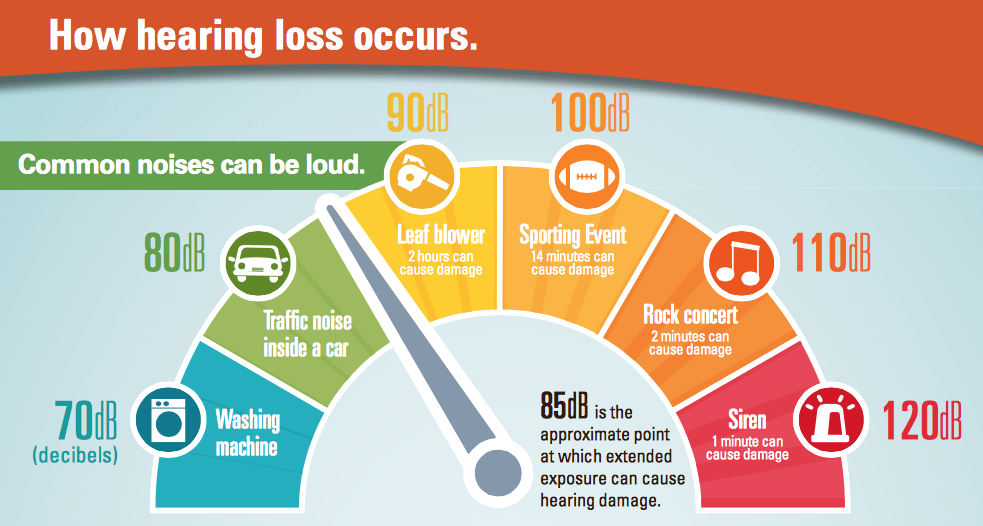
The Decibel Scale In Everyday Terms
Many people have trouble understanding what the decibel number really means. Here’s how common sounds compare:
| Sound | Typical dB Level |
|---|---|
| Normal conversation | 60 dB |
| Busy street traffic | 85 dB |
| Lawn mower | 90 dB |
| Gas leaf blower (operator) | 95–115 dB |
| Electric leaf blower (operator) | 70–85 dB |
| Rock concert | 110 dB |
| Pain threshold | 120 dB |
When you see that a leaf blower can reach up to 115 dB, it’s easy to understand why hearing protection is strongly advised.
How To Protect Yourself From Leaf Blower Noise
If you use a leaf blower, protecting your hearing is critical. Here’s what you should do:
- Wear hearing protection. Simple earplugs or earmuffs can reduce noise by 20–30 dB, keeping your ears safe.
- Limit exposure time. Take breaks every 20–30 minutes.
- Use the lowest power setting needed for the job.
- Stand away from hard surfaces that reflect sound.
- Maintain your blower. A well-kept engine makes less noise.
A practical tip: Even if your leaf blower seems quiet, remember that the cumulative effect of loud sounds adds up over time.

Choosing A Quieter Leaf Blower
If you want to reduce noise, choose your leaf blower carefully. Here’s what to look for:
- Check the decibel rating on the product’s box or in the manual.
- Pick electric or battery models for the lowest noise.
- Look for “quiet” or “low-noise” labels from the manufacturer.
- Choose the right size: Don’t buy a heavy-duty blower if you only need to clear a small area.
- Ask for a demo: In stores, you can sometimes test the blower before buying.
A common mistake is focusing only on price or power and forgetting about noise. Remember, a quieter leaf blower can make your yard work more pleasant and keep your neighbors happier.
The Impact Of Leaf Blower Noise On Neighborhoods
Leaf blower noise isn’t just a personal issue—it’s a community concern. The high-pitched, roaring sound can travel far, especially in quiet neighborhoods.
Here’s what often happens:
- Noise from early morning or late evening use can wake people up or disturb sleep.
- Pets and wildlife can become stressed by the unfamiliar, loud sound.
- Children, people working from home, or elderly neighbors may find it hard to concentrate or relax.
Some neighborhoods have started community agreements about when and how leaf blowers are used, with “quiet hours” or shared equipment to reduce overall noise.
A useful insight: Even a few minutes of very loud noise can be more disruptive than an hour of lower-level sound. Consistency and respect for others’ routines go a long way.

Alternatives To Noisy Leaf Blowers
If you’re sensitive to noise or live in a community with strict rules, consider these alternatives:
- Rakes and brooms: Quiet, effective for small areas, and give you a bit of exercise.
- Manual sweepers: Push-powered devices that gather leaves without a motor.
- Electric “sweepers”: Lightweight, low-noise tools for patios and sidewalks.
- Mulching mowers: These cut and mulch leaves as you mow, reducing the need for blowing.
While these may take longer than a powerful gas blower, they offer peace and quiet—a valuable trade-off for many people.
Innovations In Leaf Blower Noise Reduction
Manufacturers are aware of the noise problem and are working on solutions. Here are some recent innovations:
- Improved mufflers: Newer gas models use better muffler designs to cut down on engine noise.
- Low-noise fans: Some blowers use specially shaped fans that move air efficiently but more quietly.
- Variable speed triggers: These let users control air speed, using less power (and less noise) for lighter jobs.
- Sound insulation: Padding around the motor helps absorb vibration and reduce noise escape.
A detail beginners often miss: Not all “quiet” blowers are equally effective. Always check the decibel rating at both the operator and bystander distances.
How To Measure Leaf Blower Noise Yourself
If you’re curious about the real noise level of your leaf blower, you can measure it with a smartphone app or a dedicated sound level meter. Here’s how:
- Download a reliable sound meter app (like “Decibel X” or “Sound Meter”).
- Stand 50 feet from the blower (to match standard tests).
- Run the blower at full power.
- Record the highest decibel reading.
Keep in mind that wind, walls, and ground type can all affect your results.
The Environmental Impact Of Leaf Blower Noise
Noise pollution is more than just an annoyance. It can affect urban wildlife, drive away birds, and change animal behavior. Many cities have started to think about environmental noise as a real form of pollution, just like air or water pollution.
This is one reason why some parks and cities are switching to electric blowers or even banning gas-powered models. For more on the environmental side, the Wikipedia page on noise pollution has further details.
What The Future Holds For Leaf Blower Noise
As technology improves, expect more options for quiet, efficient leaf blowers. Battery power is getting stronger, and noise-reducing designs are becoming standard. At the same time, more communities are setting strict limits on noise. In the future, the loud roar of a leaf blower may become rare—replaced by a gentle hum or even the sound of leaves rustling under a rake.
Frequently Asked Questions
How Loud Is A Typical Gas Leaf Blower?
Most gas leaf blowers produce 70 to 115 decibels at the operator’s ear. At 50 feet, the noise is usually between 65 and 80 dB. This is much louder than normal conversation and can damage hearing if used without protection.
Are Electric Leaf Blowers Much Quieter Than Gas Models?
Yes, electric leaf blowers are usually much quieter. Most are rated 60 to 75 dB at 50 feet. This makes them a better choice for noise-sensitive areas or for people concerned about hearing safety.
Do City Laws Limit How Loud A Leaf Blower Can Be?
Many cities have noise ordinances that limit leaf blower noise, often to 65 or 70 dB at 50 feet. Some places ban gas-powered models or restrict hours of use. Always check your local rules before buying or using a blower.
Can Hearing Damage Happen From Using A Leaf Blower?
Yes, using a leaf blower regularly without hearing protection can cause permanent hearing loss. Sounds above 85 dB are risky, and leaf blowers often exceed this limit. Always wear earplugs or earmuffs when operating one.
What Is The Quietest Type Of Leaf Blower?
Corded electric and battery-powered leaf blowers are the quietest, especially newer models designed with noise reduction in mind. Look for products labeled “quiet” or with a decibel rating below 70 dB for the lowest noise.
The sound of a leaf blower may be familiar, but understanding its decibel level helps you make better choices for your health, your neighbors, and your environment. Whether you’re shopping for a new blower or thinking about community rules, knowing how many decibels a leaf blower produces is the first step toward a quieter, more peaceful neighborhood.