
Drill bits are a core tool for anyone who works with metal, wood, or plastic. But when you stand in front of the hardware store shelf, you’re hit with choices: black oxide or titanium drill bits? To someone new, the difference seems small. Yet, picking the right bit can mean the difference between a smooth project and a ruined workpiece.
This guide will walk you through everything you need to know about black oxide and titanium drill bits. You’ll learn how each is made, their main features, and when to use them. We’ll dig into real-world performance, cost, and long-term value.
If you want to avoid wasting money or time, understanding these differences is essential. There are also some hidden details most beginners miss—like how coating thickness changes performance, or why cleaning methods matter more than you think.
By the end, you’ll feel confident choosing the right drill bit for your next project—without confusion or regret.
How Black Oxide Drill Bits Are Made
Black oxide drill bits start their life as regular high-speed steel (HSS) bits. The difference comes from a special heat treatment. These bits are heated to a high temperature and then exposed to steam. This process forms a thin black oxide layer on the surface.
That black color isn’t just for looks. The oxide coating increases corrosion resistance and helps hold onto lubricants during drilling. This makes the bits last longer and reduces the chance of rust.
Many people think black oxide is a paint or a thick coating. In fact, it’s a chemical change in the surface of the metal, only a few microns thick. Because it’s so thin, it doesn’t change the shape or sharpness of the bit.
How Titanium Drill Bits Are Made
Titanium drill bits are also made from high-speed steel, but they get a different surface treatment. A thin layer of titanium nitride (TiN) or sometimes titanium aluminum nitride (TiAIN) is applied. This is done using a process called Physical Vapor Deposition (PVD). The bit is put in a vacuum and bombarded with titanium atoms, which stick to the surface and bond tightly.
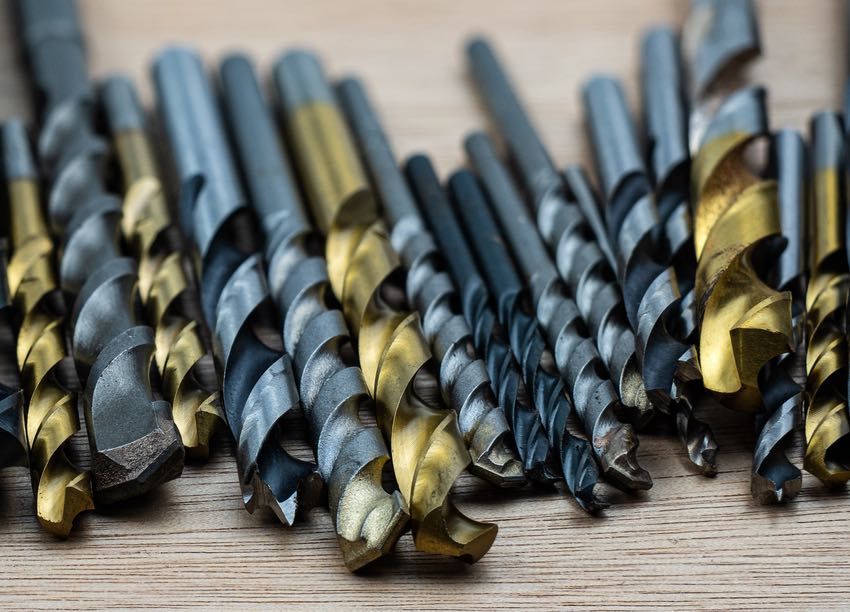
The result is a hard, gold-colored coating. Titanium coatings are much harder than black oxide and even harder than the steel underneath. This increases the bit’s wear resistance, allowing it to stay sharp longer and handle higher drilling speeds.
A key insight: the coating is thin but makes a big difference. However, once the gold layer wears off, you’re drilling with regular steel. Many beginners don’t realize that sharpening a titanium bit removes the coating, reducing its benefits.
Main Features Of Black Oxide Drill Bits
Black oxide bits are popular because they offer a good mix of performance and value. Here’s what makes them stand out:
- Corrosion resistance: The oxide layer protects against rust, making these bits last longer in humid environments.
- Reduced friction: The surface holds oil well, helping reduce heat and wear.
- Cost-effective: They are more affordable than titanium bits, making them great for general use.
- Versatile: Suitable for wood, plastic, and some metals.
However, they are not the best for drilling hard metals. If you push them too hard, they will dull faster than titanium-coated bits.
Main Features Of Titanium Drill Bits
Titanium bits are known for their durability and high-speed performance. What sets them apart?
- Harder surface: The titanium coating is much harder than black oxide, so the bit stays sharp longer.
- High heat resistance: They don’t lose their edge quickly, even at high temperatures.
- Faster drilling: Their low friction allows for higher speeds and cleaner holes.
- Gold color: Many users find them easier to spot in a crowded toolbox.
They are a favorite for metalworkers and anyone who needs to drill tough materials. But there’s a catch—once the coating wears away, the bit loses its special properties.

Comparing Black Oxide And Titanium Drill Bits
Let’s compare the two types side by side for a clearer picture.
| Feature | Black Oxide | Titanium |
|---|---|---|
| Base Material | High-Speed Steel (HSS) | High-Speed Steel (HSS) |
| Coating | Black Oxide (Fe3O4) | Titanium Nitride (TiN) |
| Color | Black / Dark Gray | Gold |
| Corrosion Resistance | Good | Excellent |
| Friction | Low | Very Low |
| Heat Resistance | Moderate | High |
| Best For | Wood, Plastics, Mild Steel | Metals, Hard Materials |
| Sharpenable | Yes, keeps benefits | Yes, but loses coating |
| Cost | Low | Medium to High |
A beginner might not notice the subtle difference in friction or heat resistance, but these factors become obvious in tough jobs. For example, drilling through stainless steel with a black oxide bit can quickly dull the edge. A titanium bit, on the other hand, will stay sharp longer and handle heat better.
Performance On Different Materials
Choosing the right bit depends on what you’re drilling. Both types can handle basic jobs, but each shines in certain situations.
Wood
Both black oxide and titanium drill bits work well on wood. The main advantage of titanium is its sharper edge, which means less tear-out and cleaner holes. However, for most woodworking, black oxide bits are more than enough and cost less.
Plastic
Plastics are soft and easy to drill. Both types of bits perform well, but you should use slow speeds to avoid melting the material. The coating isn’t as important here, so black oxide bits are a good, budget-friendly choice.
Soft Metals (aluminum, Mild Steel)
Here, black oxide bits do a decent job, but they wear faster if you drill a lot of holes. Titanium bits keep their edge and handle the heat better, especially in longer drilling sessions.
Hard Metals (stainless Steel, Hardened Steel)
This is where titanium bits stand out. Their hard coating resists dulling and helps dissipate heat. Black oxide bits can struggle, becoming blunt quickly and sometimes overheating.
Durability And Lifespan
How long do these bits last? That depends on the material, the bit, and how you use them.
- Black oxide bits last longer than plain HSS bits, thanks to their oxide layer. If you keep them clean and dry, they’ll resist rust and serve well for wood and soft metal projects. For frequent heavy use on hard metals, they will dull faster.
- Titanium bits can last up to 3 times longer than black oxide bits when used correctly. Their hard surface resists wear and high temperatures. However, once the gold coating wears off—usually at the tip—the bit’s performance drops sharply.
A common mistake: Some users think titanium bits last forever. In reality, the coating is thin. Aggressive sharpening or drilling through abrasive materials can wear it off quickly, turning the bit into ordinary steel underneath.
Cost And Value
Price is always a factor. Let’s break down what you get for your money.
- Black oxide drill bits are usually the most affordable option after plain HSS. You can find a basic set for a low price, making them ideal for general home or workshop use. For casual drilling or occasional projects, they offer the best value.
- Titanium drill bits cost more—sometimes twice as much or more per bit. But for regular users, the longer life often justifies the higher cost, especially when drilling metals. If you need clean, precise holes in tough material, the extra investment pays off.
A key insight: For most DIYers, black oxide bits are enough. Professionals and anyone drilling hard metals regularly will save time and money with titanium bits in the long run.
Sharpening And Maintenance
Many users wonder if they can sharpen their drill bits, and what happens if they do.
- Black oxide bits can be sharpened with a standard drill bit sharpener or by hand. The oxide layer is thin, so sharpening doesn’t change performance much. They keep their rust resistance and low friction after sharpening.
- Titanium bits can also be sharpened, but this removes the coating at the tip. After one or two sharpenings, the bit loses its gold layer where it contacts the material. From that point, it performs like a high-speed steel bit with no coating.
An overlooked detail: Cleaning is as important as sharpening. Wiping bits clean and oiling them after use keeps both types performing well. Letting metal chips build up or storing bits wet can ruin even the best coating.
Common Mistakes When Choosing Or Using Drill Bits
Many buyers pick drill bits based on color or price alone. Here are some pitfalls to avoid:
- Judging by color: Not all gold bits are truly titanium-coated. Some are simply painted for looks. Buy from trusted brands.
- Sharpening too much: Over-sharpening titanium bits removes the coating and wastes their main advantage.
- Using the wrong bit for the job: Black oxide bits are not ideal for stainless steel. Using them on hard metals will dull them quickly.
- Ignoring cooling/lubrication: Both bit types last longer if you use cutting oil, especially in metalworking.
- Storing bits carelessly: Keeping bits loose in a drawer leads to chipping and dull edges.
A bonus tip: Use a lower speed when drilling metal. High speeds generate heat, which dulls bits faster—even titanium ones.
When To Choose Black Oxide Drill Bits
Black oxide drill bits are a solid choice for:
- Hobbyists and DIYers who drill wood, plastic, or soft metals
- Projects where cost is a concern
- Occasional drilling in mild steel or aluminum
- General-purpose drilling tasks
They give you reliable performance without a big investment. For most home workshops, a set of black oxide bits is enough for 90% of jobs.
When To Choose Titanium Drill Bits
Titanium drill bits are best for:
- Professionals or frequent users who need long-lasting bits
- Drilling hard metals like stainless steel or cast iron
- High-speed or high-volume drilling tasks
- Users who want cleaner holes and less downtime for sharpening
If you work with metal regularly, the extra cost pays off in saved time and fewer replacements.
Environmental And Safety Considerations
It’s easy to overlook, but how you use and dispose of drill bits matters.
- Titanium and black oxide coatings are generally safe in normal use. However, grinding or sharpening can release fine metal dust. Always use eye and dust protection.
- Disposal: Both types are steel-based and can be recycled as scrap metal. Don’t throw dull bits in the trash—recycling is better for the environment.
- Lubricants: Use water-based or vegetable-based lubricants when possible. Some cutting oils can be harsh on skin and lungs.
A practical tip: Store bits in a dry, organized case. This prevents rust and keeps you safe from accidental cuts.
Real-world Examples And Case Studies
Understanding theory is good, but real examples bring the differences to life.
- Home Improvement DIY: Sarah needed to install shelves on drywall and wood studs. Her black oxide set worked perfectly. When she tried to anchor into a steel support, the bit dulled quickly. Her neighbor’s titanium bit drilled cleanly, saving her time and effort.
- Auto Mechanic: Mike drills into car frames and engine parts. He switched from black oxide to titanium bits. His work became faster, and bits lasted months instead of weeks. He noticed, however, that after a few sharpenings, the titanium bits lost their gold color and wore out like regular bits.
- Workshop Teacher: Ms. Lee teaches metalworking. She provides black oxide bits for wood and aluminum and reserves titanium bits for stainless steel. She teaches students to use cutting oil and clean their bits—her bits last much longer than average.
From these stories, one lesson stands out: the right bit for the right job makes all the difference.
Advanced Insights: What Most People Miss
There are a few details that even experienced users sometimes miss:
- Coating thickness matters: Not all titanium or black oxide bits are created equal. Thicker coatings last longer but cost more. Cheap “titanium” bits may have only a thin decorative layer.
- Heat buildup is the enemy: Both coatings help with heat, but if you drill too fast or without lubrication, any bit will fail. Let the bit do the work—don’t force it.
- Pilot holes extend bit life: Drilling a small pilot hole before using a large bit reduces stress and keeps both black oxide and titanium bits sharper longer.
- Bit geometry is key: The tip angle (usually 118° or 135°) affects performance. For hard metals, a split-point tip (often found on titanium bits) reduces walking and improves accuracy.
Understanding these points can save you frustration and money.
How To Tell Quality Drill Bits Apart
Shoppers often struggle to spot good bits. Here’s what to look for:
- Brand reputation: Stick with well-known brands. Cheap, no-name bits may not have true coatings or quality steel.
- Uniform color: Look for even black or gold color. Streaky or faded bits may be poorly coated.
- Sharpness out of the box: Good bits are sharp enough to score a fingernail.
- Packaging: Quality bits come in organized cases, not loose bags.
A final tip: Read online reviews and, if possible, buy from a store where you can see or feel the product.
Which Drill Bit Should You Buy?
This depends on your needs. Let’s break it down by user type.
- DIYers and homeowners: Black oxide bits are usually enough. They cost less and work for most materials you’ll face.
- Metalworkers and auto repair: Invest in titanium bits. You’ll get more holes per bit, faster work, and less downtime.
- Woodworkers: Either type works, but black oxide offers better value.
- Contractors: Keep both types on hand. Use black oxide for wood and titanium for metal.
A common-sense rule: Buy the best you can afford, but don’t overpay for features you’ll never use.
Expert Recommendations
If you want a simple answer: For most people, start with black oxide. Upgrade to titanium only if you notice bits dulling quickly on metal or you need to drill hard materials often.
If you drill daily or your time is valuable, pay more for titanium. For casual use, black oxide gives you the most bang for your buck.
Want extra details or technical specs? The Wikipedia page on drill bits offers a deeper dive into materials, coatings, and uses.

Frequently Asked Questions
What Is The Main Difference Between Black Oxide And Titanium Drill Bits?
The main difference is the surface coating. Black oxide bits have a thin, black oxide layer for corrosion resistance and lower friction. Titanium bits have a hard, gold titanium nitride coating that gives extra durability, heat resistance, and a longer-lasting sharp edge—especially when drilling metals.
Can I Use Both Types Of Drill Bits On Metal?
Yes, but titanium drill bits are better for hard metals. Black oxide bits work for mild steel and aluminum but dull faster on tough metals like stainless steel. Always use cutting oil to extend the life of both types.
Is It Worth Sharpening Titanium Drill Bits?
You can sharpen titanium bits, but this removes the coating at the tip. After sharpening, the bit loses its special properties where it contacts the material. It will still work but won’t last as long as when new.
How Do I Know If A Drill Bit Is Really Titanium-coated?
Look for trusted brands and check for a bright, even gold color. Read the packaging for “titanium nitride” or “TiN” coating. Be careful—some cheap bits are only painted gold and don’t have a true titanium coating.
Which Drill Bit Should I Buy For General Home Use?
For most home projects, black oxide drill bits are the best value. They handle wood, plastic, and mild metals well. If you plan to drill a lot of holes in hard metal, consider investing in a set of titanium bits.
Choosing the right drill bit is a small decision that makes a big impact on your work. By understanding the differences between black oxide and titanium drill bits, you’ll save money, avoid frustration, and get the job done right.