
Choosing the right tool for soldering can make the difference between a quick, clean job and a frustrating experience filled with mistakes. If you’re new to electronics, home repairs, or crafts, you’ve probably heard about both soldering irons and soldering guns. But which one is best for your needs? Many beginners buy the first tool they find, only to realize later it’s not suitable for their projects. In this guide, you’ll discover the differences between soldering irons and soldering guns, their unique features, real-world uses, and which tool is ideal for different jobs. By the end, you’ll have the confidence to pick the best soldering tool for your next project.
What Is A Soldering Iron?
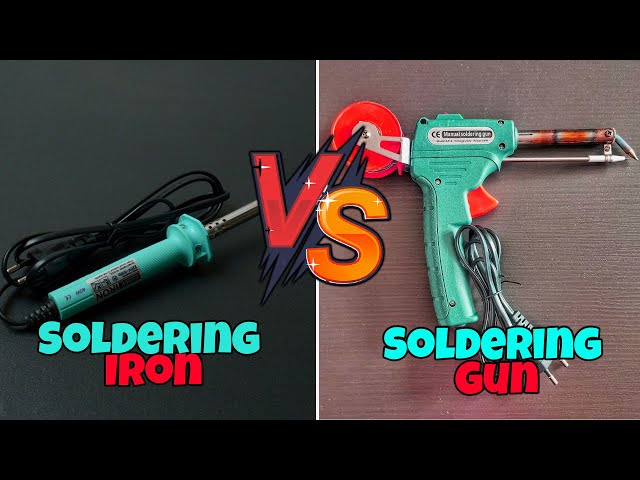
A soldering iron is a hand tool used for joining two metal objects with solder. It has a thin, pen-like shape with a pointed metal tip and a handle. When plugged in, electricity heats the tip, allowing it to melt solder wire. This process creates strong, conductive joints in electronics and metalwork.
Key Features
- Lightweight and easy to handle: Most soldering irons weigh less than 200 grams.
- Slim, pointed tip: Ideal for precise work on small components.
- Adjustable temperature (in some models): Lets you control heat for different materials.
- Wattage range: Typically 15 to 60 watts for electronics.
How It Works
A soldering iron’s tip heats up to temperatures between 200°C and 480°C (392°F to 896°F). You touch the tip to the joint, feed in solder, and let it cool. The result is a strong, conductive bond.
Common Uses
- Building and repairing circuit boards
- Fixing wires in small appliances
- Jewelry making
- Stained glass work
Example
If you’re assembling a radio kit or repairing a broken headphone wire, a soldering iron gives you the control and accuracy needed for tiny parts.
What Is A Soldering Gun?
A soldering gun is a tool shaped like a pistol with a trigger, designed for heavier-duty soldering. It uses a looped copper tip that heats up quickly when you pull the trigger. The tip gets hot enough to melt solder and join larger metal parts.
Key Features
- Gun-shaped body with trigger: More comfortable for some users, especially for short bursts.
- High wattage: Usually 100 to 240 watts for fast heating.
- Thicker tip: Best for larger joints and wires.
- Fast heat-up and cool-down: Heats in seconds, cools quickly when released.
How It Works
When you squeeze the trigger, an electrical current passes through the tip, heating it rapidly. You apply solder to the hot tip and join larger pieces of metal.
Common Uses
- Soldering thick wires in automotive repairs
- Plumbing connections (with lead-free solder)
- Metal art or craft projects
- Electrical work in appliances
Example
If you’re fixing the power cables on a washing machine or working on car wiring, a soldering gun’s power and speed make the job easier.
Soldering Iron Vs Soldering Gun: Main Differences
It’s easy to confuse these tools, but they have important differences that affect your work. Here’s a direct comparison to help you understand:
| Feature | Soldering Iron | Soldering Gun |
|---|---|---|
| Shape | Pen-like, slim | Pistol/grip-style |
| Wattage | 15–60W (electronics) | 100–240W |
| Heating Time | 30–120 seconds | 3–10 seconds |
| Tip Size | Fine, pointed | Thicker, looped |
| Precision | Very high | Medium/low |
| Best For | Small electronics, detailed work | Heavy wires, large metal parts |
| Continuous Use | Good for long jobs | Not ideal (can overheat) |
| Price Range | Low to moderate | Moderate to high |
Advantages Of Soldering Irons
Many hobbyists and professionals prefer soldering irons because of their unique benefits.
1. Precision And Control
The fine tip and low weight make it easy to work on tiny components. This is critical for circuit boards, where a single mistake could damage a part.
2. Suitable For Delicate Work
Soldering irons are perfect for small jobs: microchips, delicate wires, and jewelry. Their controlled heat prevents damage to sensitive parts.
3. Comfortable For Long Sessions
Because they are lightweight and don’t require a trigger, you can use a soldering iron for hours without hand fatigue.
4. Wide Range Of Tips
You can swap tips for different jobs: chisel, conical, or bevel. This versatility is something many beginners overlook.
5. Lower Risk Of Overheating Components
A soldering iron heats up steadily and is less likely to shock or burn delicate electronic parts, unlike some high-powered guns.
Advantages Of Soldering Guns
Soldering guns shine when you need raw power and speed.
1. High Power For Big Jobs
The high wattage lets you heat large metal surfaces and thick wires quickly. This makes them ideal for automotive and heavy electrical work.
2. Fast Heating And Cooling
A soldering gun reaches working temperature in seconds. You don’t have to wait long to start, and the tip cools quickly for safe storage.
3. Easy To Use For Short Tasks
The trigger design is convenient for quick, occasional use. If you only need to solder a few connections, a gun is fast and effective.
4. Good For Non-electronic Projects
Many crafters and artists use soldering guns for metal sculptures, stained glass, or plumbing repairs because the thick tip can handle larger materials.
5. Less Downtime Between Tasks
If you need to move from one big job to another, a soldering gun’s quick recovery time is a major advantage.
Drawbacks Of Soldering Irons
No tool is perfect. Here are some common limitations of soldering irons:
1. Slow Heating
Compared to guns, most irons take 1–2 minutes to reach working temperature. This can be frustrating if you need to work fast.
2. Not Suitable For Heavy-duty Work
Low wattage means they struggle with thick wires or large metal joints. Trying to force them can damage the tool or your project.
3. Can Be Fragile
Some soldering irons, especially cheaper models, are prone to damage if dropped or overheated.
4. Needs A Stand
Because the tip stays hot, you need a safe place to rest the iron between uses. Forgetting this can lead to burns or accidents.
Drawbacks Of Soldering Guns
Soldering guns also have some downsides, especially for electronics work.
1. Too Powerful For Delicate Electronics
The high heat and fast current can burn circuit boards or damage micro-components. This is a common mistake for beginners.
2. Bulky And Heavy
The gun shape and weight can cause hand fatigue, especially during long tasks or detailed work.
3. Harder To Control
The thick tip and trigger can make fine, precise soldering difficult. It’s easy to accidentally bridge connections or apply too much solder.
4. Noisy Operation
Some soldering guns make a buzzing noise when in use. While not dangerous, it can be distracting in quiet environments.
5. Short Duty Cycle
Soldering guns are not designed for continuous use. Overheating can damage the tool and shorten its lifespan.
Soldering Iron Vs Soldering Gun: Best Use Cases
Choosing the right tool depends on your project type. Here’s a guide to help you decide:
| Task | Recommended Tool | Why |
|---|---|---|
| Repairing circuit boards | Soldering iron | Precision and low heat protect sensitive parts |
| Soldering thick wires | Soldering gun | High wattage melts solder fast on large surfaces |
| Making jewelry | Soldering iron | Fine tip allows detailed work |
| Plumbing repairs | Soldering gun | Powerful enough for pipes and joints |
| Stained glass art | Either (depends on scale) | Irons for fine lines, guns for joining frames |
| Quick automotive fixes | Soldering gun | Fast heat-up for large cables |
| Long, repetitive soldering | Soldering iron | Comfortable for continuous use |
Safety Considerations
Both soldering irons and guns get extremely hot, posing risks if not used carefully. Here are key safety tips:
1. Always Use In A Well-ventilated Area
Solder fumes can be harmful. Use a fan or open window to ensure fresh air.
2. Protect Your Eyes And Skin
Wear safety glasses and avoid touching the tip. Burns from soldering tools are common and painful.
3. Unplug When Not In Use
This prevents accidental burns and saves energy.
4. Use A Stable Work Surface
A sturdy table reduces the risk of the tool rolling or falling.
5. Never Leave Tools Unattended
Hot tools can start fires if left on flammable surfaces.
6. Be Careful With Lead-based Solder
Many solders contain lead, which is toxic. Wash your hands after use and avoid eating or drinking while soldering.
Cost Comparison
Many beginners think that a more expensive tool is always better. This is not always true. Here’s a realistic look at costs:
Soldering Irons
- Basic models: $10–$25
- Adjustable temperature: $25–$60
- Professional stations: $70 and up
Soldering Guns
- Entry-level: $20–$40
- Mid-range: $40–$80
- Heavy-duty models: $80–$150
Accessories like stands, extra tips, and cleaning sponges add $5–$30. For most home users, a mid-range soldering iron is enough for electronics, while a quality soldering gun is a good investment for heavy-duty tasks.

Common Mistakes Beginners Make
When learning to solder, it’s easy to make mistakes that can ruin a project or damage your tools. Here are some frequent errors and how to avoid them:
1. Using Too Much Heat
Beginners often think higher temperature means better joints. In reality, too much heat can burn components or weaken the joint. Always match the tool’s power to the job.
2. Choosing The Wrong Tool
Trying to solder thick wires with a low-powered iron is frustrating and often fails. Likewise, using a gun on tiny parts leads to melted boards.
3. Not Cleaning The Tip
A dirty tip won’t transfer heat well. Use a damp sponge or brass wool to keep the tip shiny.
4. Rushing The Process
Let the solder flow naturally. Moving too quickly can cause cold joints, which are weak and unreliable.
5. Ignoring Safety Gear
Skipping goggles or gloves can lead to injury. Safety should always come first, even for small jobs.
Tips For Better Soldering Results
Getting good at soldering takes some practice, but these tips can help you improve faster:
1. Pre-tin The Tip
Apply a little solder to the tip before starting. This helps heat flow smoothly to the joint.
2. Use The Right Solder
For electronics, choose rosin-core solder (usually 60/40 tin/lead or lead-free). For plumbing or crafts, use the correct solder type for your material.
3. Keep The Tip Clean
Wipe the tip after every few joints to prevent buildup. A clean tip ensures better heat transfer.
4. Heat Both Parts Evenly
Touch the tip to both pieces of metal, then apply solder. This creates a stronger bond.
5. Avoid Breathing Fumes
Position your head away from the rising smoke or use a small fan to blow fumes away.
6. Practice On Scrap
Before working on your real project, practice soldering on spare wires or boards. This builds confidence and skill.
How To Choose: Soldering Iron Or Soldering Gun?
Still unsure which tool is right for you? Here’s a step-by-step guide:
- Identify your main projects: Are you fixing electronics or working on big metal parts?
- Consider your workspace: Do you need fast heat-up and cool-down?
- Think about frequency: Will you use the tool every week or just a few times per year?
- Set your budget: Don’t overspend for features you don’t need.
- Check comfort and safety: Choose a tool that feels safe and comfortable in your hand.
A soldering iron is best for electronics, crafts, and anything needing precise control. A soldering gun is better for heavy-duty repairs and large metalwork.
Soldering Iron And Soldering Gun: Maintenance Tips
Proper care can extend the life of your soldering tools and improve performance.
For Soldering Irons
- Unplug after use: This prevents overheating.
- Clean the tip regularly: Use a damp sponge or brass wool.
- Replace worn tips: A damaged tip won’t heat well.
- Store with care: Use a stand or case to protect the tip.
For Soldering Guns
- Let it cool before storage: The tip can remain hot for a few minutes.
- Check the wiring and trigger: Look for wear or loose connections.
- Replace tips as needed: Bent or corroded tips reduce effectiveness.
- Keep the tool dry: Moisture can damage electrical components.
Environmental Impact And Lead-free Solder
Both soldering irons and guns can use lead-free solder, which is safer for health and the environment. Many countries now require lead-free solder for electronics, especially in consumer products.
- Lead-based solder: Melts at lower temperatures, easy to use, but toxic.
- Lead-free solder: Safer, but needs higher temperatures and careful technique.
Proper disposal of old solder and cleaning waste is important. Don’t wash solder residue down the sink. Local recycling centers often accept electronics waste.
Real-world Examples And Success Stories
Understanding how others use soldering tools can help you decide. Here are a few real-life cases:
Example 1: Fixing A Guitar Cable
Mike, a musician, used a soldering iron to repair his guitar cable. The small tip made it easy to join thin wires without damaging insulation. A soldering gun would have been too bulky and hot for this delicate task.
Example 2: Restoring A Vintage Radio
Sarah wanted to restore her grandfather’s old radio. She chose a temperature-controlled soldering iron for the circuit boards and a soldering gun for the power cable connections. Using both tools allowed her to work safely and get great results.
Example 3: Building A Metal Sculpture
Tom, an artist, used a soldering gun to join thick pieces of copper for his outdoor sculpture. The gun’s quick heating helped him create strong, clean joints. Switching to a soldering iron would not have given enough heat for the thick metal.
Innovations And New Technologies
The world of soldering tools is changing. Here are some trends you might see:
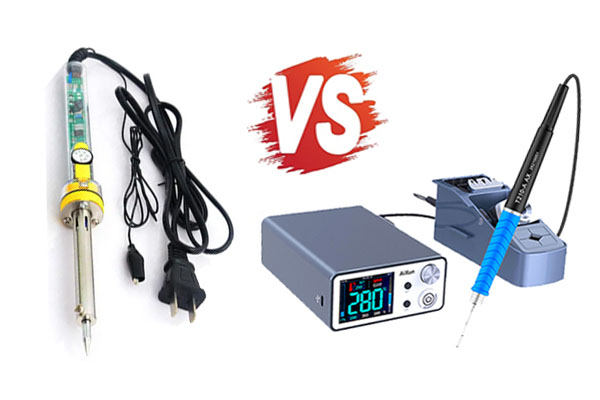
- Cordless soldering irons: Powered by batteries or gas, great for field work.
- Digital temperature controls: More precise, protects sensitive electronics.
- Eco-friendly solder: Lead-free options with improved performance.
- Smart stations: Some soldering stations track usage and tip temperature for professional work.
For the latest research and updates on soldering technologies, consider visiting resources like the Wikipedia Soldering page.
Frequently Asked Questions
What Is The Main Difference Between A Soldering Iron And A Soldering Gun?
The main difference is power and precision. Soldering irons are low-power tools with fine tips, perfect for small electronics and delicate work. Soldering guns have higher power and larger tips, making them better for big wires and heavy-duty tasks.
Can I Use A Soldering Gun For Electronics Repair?
It’s possible, but not recommended. A soldering gun can overheat and damage delicate circuit boards. For electronics, a soldering iron is safer and gives more control.
How Do I Know Which Wattage To Choose For A Soldering Iron?
For electronics and small repairs, choose a soldering iron between 20 and 40 watts. Higher wattage is only needed for bigger jobs or lead-free solder, which needs more heat.
How Often Should I Clean My Soldering Tool’s Tip?
Clean the tip after every few joints during use, and always before storing the tool. This keeps heat transfer efficient and extends the life of your tool.
Is Lead-free Solder Better Than Lead-based Solder?
Lead-free solder is safer for health and the environment, but it needs higher temperatures and is a bit harder to use. Lead-based solder melts easier but is toxic if not handled carefully.
Choosing between a soldering iron and a soldering gun is about matching the tool to your project and skill level. With the right information and care, you can achieve professional results whether you’re fixing a circuit board or joining heavy wires.
Always prioritize safety, and don’t be afraid to practice—good soldering takes time but is a skill worth learning.