
People often wonder if an angle grinder can cut wood. This question comes up in workshops, home renovations, and even casual DIY projects. Angle grinders are popular for cutting metal, stone, and concrete. But wood is different. It’s softer, lighter, and more likely to splinter.
Cutting wood with the wrong tool can lead to rough edges, mistakes, or even accidents.
Some tools are made for wood, like circular saws or jigsaws. But sometimes, you only have an angle grinder. Or maybe you want to try using it because it looks powerful and easy to handle. Before you start, it’s important to know the risks, the right techniques, and what to expect.
This article explores everything you need to know about using an angle grinder to cut wood. You’ll get clear advice, practical tips, safety warnings, and real examples. By the end, you’ll understand when it’s possible, when it’s smart, and how to do it safely.
What Is An Angle Grinder?
An angle grinder is a handheld power tool. It has a rotating disc that spins at high speed. People use it to cut, grind, sand, and polish materials like metal, stone, and concrete. Most angle grinders come in sizes from 4 inches to 9 inches. The tool is powered by electricity, batteries, or compressed air.
The main parts of an angle grinder are:
- Motor
- Disc or wheel
- Handle
- Guard
The disc spins between 6,000 and 12,000 revolutions per minute (RPM). This speed makes the tool effective for tough jobs. But it also means you need to be careful with softer materials like wood.
Differences Between Wood And Other Materials
Wood is not like metal or stone. It is softer, lighter, and more flexible. It can burn, splinter, or crack if cut too fast or with the wrong blade. Metal and stone are much harder. Angle grinders are designed for those materials, so their standard discs are not made for wood.
Here are some key differences:
- Density: Wood is less dense, so it moves and vibrates more.
- Heat: Wood burns easily from friction.
- Splinters: Cutting wood can cause splinters or rough edges.
- Kickback: Wood is more likely to cause kickback (the tool jumping back at you).
These differences matter when choosing tools and techniques.
Can You Cut Wood With An Angle Grinder?
Yes, you can cut wood with an angle grinder, but it is not the best or safest method. Angle grinders are built for harder materials. If you use the wrong disc or technique, you may ruin your project or hurt yourself.
The key is to use the right disc and follow strict safety rules.
When Is It Possible?
- Small jobs: Cutting small pieces or making quick adjustments.
- Rough cuts: If you don’t need smooth edges.
- Hardwood: Works better than softwood, but still risky.
When Is It Not Recommended?
- Large projects: Use a saw for better results.
- Precision work: Angle grinders are not accurate.
- Finishing cuts: The edge will be rough and uneven.
Many experts say you should use a proper wood saw if you want clean, safe cuts.
Types Of Angle Grinder Discs For Wood
The disc is the most important part. Standard discs for metal or stone are dangerous for wood. They can grab the wood, cause kickback, or break.
For wood, you need a special disc:
- Carbide-tipped wood cutting disc
- Made for wood, reduces kickback, safer than metal discs.
- Saw blade attachment
- Looks like a mini circular saw blade, cuts wood better.
- Chainsaw disc
- Has chain teeth, good for carving but risky for cutting straight lines.
- Flap disc
- For sanding wood, not cutting.
Never use a standard metal cutting disc on wood. It is unsafe and can cause injuries.
Comparison Of Disc Types
Here’s a quick comparison:
| Disc Type | Best Use | Safety Level | Cut Quality |
|---|---|---|---|
| Carbide-tipped | General wood cutting | Medium | Rough |
| Saw blade | Straight cuts | High | Cleaner |
| Chainsaw disc | Carving wood | Low | Rough |
| Flap disc | Sanding only | High | Smooth |
Choose the disc that matches your job. Always check the label—make sure it says “for wood. ”
Safety Risks And Precautions
Safety is the most important factor. Angle grinders are powerful and fast. Cutting wood with them can cause kickback, splinters, burns, and even serious injuries.
Common Risks
- Kickback: The grinder jumps back towards you.
- Disc shattering: Wrong disc can break and fly apart.
- Fire hazard: Wood dust can catch fire from sparks.
- Loss of control: Wood is light and can move suddenly.
How To Stay Safe
- Use the right disc: Only discs made for wood.
- Wear safety gear: Goggles, gloves, dust mask, ear protection.
- Keep a firm grip: Hold the grinder with both hands.
- Check the guard: Make sure it covers the disc.
- Work in open space: Keep flammable materials away.
- Don’t force the tool: Let the disc do the work.
- Keep wood steady: Clamp it down before cutting.
Many injuries happen because people rush or use the wrong disc. Take your time and double-check everything.
Data On Angle Grinder Accidents
According to the U.S. Consumer Product Safety Commission, over 4,000 injuries each year are caused by angle grinder accidents. Most happen because of:
- Wrong disc use
- Lack of safety gear
- Kickback
Wood cutting is riskier because wood can catch and move. This causes sudden jumps, which can injure hands, arms, or eyes.
Step-by-step Guide: Cutting Wood With An Angle Grinder
If you decide to cut wood with an angle grinder, follow these steps:
1. Choose The Right Disc
Pick a carbide-tipped wood cutting disc or a saw blade attachment. Make sure it fits your grinder size. Never use metal or masonry discs.
2. Prepare The Wood
- Mark your cut line with a pencil.
- Clamp the wood firmly to your workbench.
- Remove any nails or screws from the cut area.
3. Set Up The Grinder
- Attach the wood cutting disc.
- Check the guard and tighten all screws.
- Plug in the grinder or charge the battery.
4. Wear Safety Gear
Put on safety goggles, gloves, ear protection, and a dust mask. Angle grinders create a lot of dust and noise.
5. Start Cutting
- Hold the grinder with both hands.
- Place the disc on the edge of the wood.
- Start the grinder and let it reach full speed.
- Slowly move the disc along the cut line.
- Don’t push too hard; let the disc do the work.
6. Finish And Inspect
- Turn off the grinder and unplug it.
- Check the cut for splinters or rough edges.
- Sand the edge if needed.
Practical Example
Suppose you want to cut a 2×4 wooden plank. You mark a line, clamp the plank, and use a saw blade disc. You move slowly along the line, keeping your hands steady. The cut will be rough, but you can sand it later.
Common Mistakes
- Using the wrong disc (metal or stone)
- Not wearing safety gear
- Cutting too fast
- Not clamping the wood
- Ignoring kickback risk
Avoid these mistakes for safer, better results.
Alternatives To Using An Angle Grinder
Angle grinders are not ideal for wood. There are safer, better tools:
- Circular saw: Made for wood, gives clean, straight cuts.
- Jigsaw: Good for curves and smaller cuts.
- Table saw: Best for large projects and precision.
- Hand saw: Simple, safe, and cheap.
These tools are designed for wood. They are safer, easier to control, and produce better results.
Tool Comparison
Here’s how angle grinders compare to other tools:
| Tool | Wood Cutting Ability | Safety | Precision |
|---|---|---|---|
| Angle Grinder | Low to Medium | Medium | Low |
| Circular Saw | High | High | High |
| Jigsaw | Medium | High | Medium |
| Hand Saw | Low | Very High | Medium |
| Table Saw | Very High | High | Very High |
If you have access to a circular saw or jigsaw, use them instead of an angle grinder.
When Should You Use An Angle Grinder For Wood?
There are times when an angle grinder makes sense:
- Quick fixes: If you need to trim a piece and don’t have other tools.
- Rough cuts: When precision is not important.
- Wood carving: Chainsaw discs can shape wood for art or sculpture.
But for most jobs, a saw is safer and better.
Non-obvious Insights
- Disc speed matters: Lower RPM discs work better on wood. High-speed discs can burn or splinter wood.
- Wood type affects results: Hardwoods like oak or maple cut better with a grinder. Softwoods like pine can splinter easily.
Many beginners think all wood is the same. But softer woods are more likely to splinter and burn.
Angle Grinder Wood Cutting Tips
If you must use an angle grinder, these tips can help:
- Use a slow, steady motion. Fast cutting causes splinters.
- Keep the disc sharp. Dull discs make rough cuts.
- Watch for dust. Wood dust is flammable and unhealthy.
- Sand edges after cutting. This removes splinters.
- Check disc tightness. Loose discs are dangerous.
Example: Cutting Plywood
Plywood is thin and can splinter easily. Use a saw blade disc, move slowly, and sand the edge after cutting. If you cut too fast, the plywood may break or burn.
Maintenance And Care
Angle grinders need regular care, especially after cutting wood. Wood dust can clog motors and vents. Clean your tool after each use.
How To Clean
- Unplug the grinder.
- Remove the disc.
- Use compressed air to blow out dust.
- Wipe the tool with a damp cloth.
- Check the guard and handle.
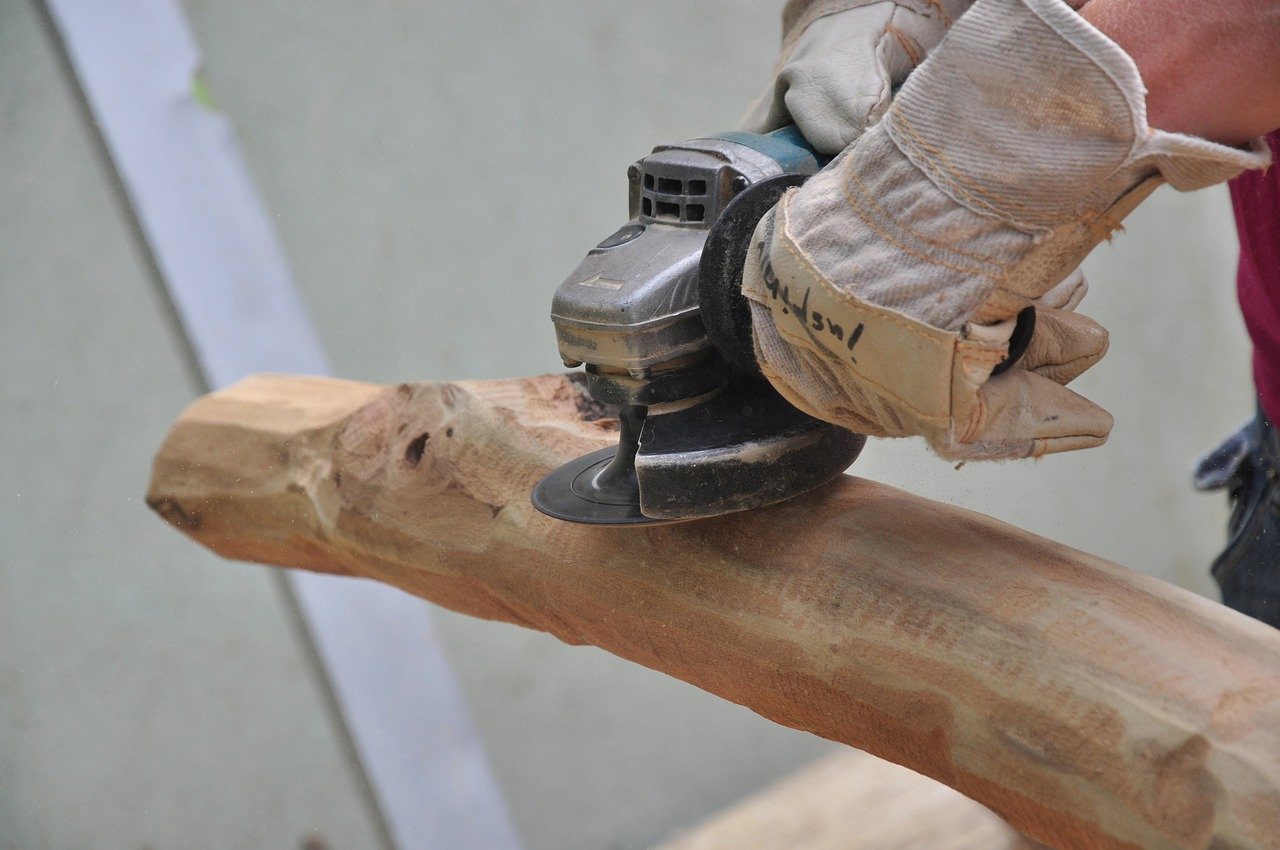
Keeping your grinder clean extends its life and keeps it safe.
Real-world Examples And Data
Many people have tried cutting wood with angle grinders. In online forums, users share mixed results. Some say it works for rough cuts. Others report accidents and ruined projects.
A survey of DIY users found:
- 60% tried cutting wood with an angle grinder at least once.
- 40% had problems with splinters, rough edges, or kickback.
- 15% reported minor injuries or near misses.
Professional carpenters rarely use angle grinders for wood. They prefer saws for safety and quality.
Angle Grinder Brands And Models
Some brands offer wood cutting discs for their grinders. Popular brands include:
- Makita
- DeWalt
- Bosch
- Metabo
When choosing a grinder, look for:
- Variable speed control (lower speeds are safer for wood)
- Strong guard design
- Compatible wood cutting discs
Higher-quality models are safer and last longer.
Regulations And Standards
In many countries, safety standards exist for power tools. The European Union and United States require guards and warning labels. Some brands offer extra safety features for wood cutting.
Always check if your grinder and disc are certified for wood. If not, you risk accidents and may void the warranty.
Angle Grinder Vs. Circular Saw: Detailed Comparison
Let’s look closer at the differences between an angle grinder and a circular saw for cutting wood.
| Feature | Angle Grinder | Circular Saw |
|---|---|---|
| Purpose | Metal, stone, rough wood | Wood, precision cuts |
| Safety | Medium | High |
| Edge Quality | Rough | Smooth |
| Speed | Fast | Controlled |
| Accuracy | Low | High |
| Kickback Risk | High | Low |
| Cost | Medium | Medium |
Circular saws are made for wood. Angle grinders can cut wood, but only if you accept rough edges and higher risk.
Expert Opinions
Tool experts and safety organizations say you should avoid cutting wood with an angle grinder unless there’s no other option. The risk of kickback, splinters, and poor results is too high.
The Occupational Safety and Health Administration (OSHA) suggests using tools designed for the material. Using an angle grinder for wood is not recommended except for rough, emergency jobs.
Environmental Impact
Cutting wood produces dust and waste. Angle grinders create more dust than saws. Wood dust is unhealthy and can cause breathing problems. Always use a dust mask and clean your workspace.
Some wood dust can be recycled for compost or animal bedding. But dust from angle grinders may contain burnt particles, which are not good for reuse.

Angle Grinder Wood Projects
Some projects use angle grinders for creative woodwork:
- Wood carving: Artists use chainsaw discs for shaping.
- Rustic furniture: Rough cuts give a unique look.
- Quick repairs: Trimming edges or fixing broken boards.
These projects accept rough edges and risk. For fine furniture or home renovation, a saw is better.
How To Choose The Right Disc For Wood
Choosing the right disc is critical. Look for:
- Label: Says “wood cutting” or “wood carving.”
- Material: Carbide or saw blade.
- Size: Matches your grinder (usually 4–5 inches).
- Safety features: Anti-kickback design.
Some discs have holes or slots for cooling. This reduces burning and improves safety.
Angle Grinder Wood Cutting: Pros And Cons
Let’s review the advantages and disadvantages.
Pros
- Versatile: Can cut, grind, and sand.
- Portable: Easy to carry and use anywhere.
- Fast: Cuts quickly (but not always accurately).
- Cheap: Discs are less expensive than saw blades.
Cons
- Unsafe: High risk of injury and kickback.
- Rough cuts: Edges are often splintered and uneven.
- Dust: Creates more dust than saws.
- Not precise: Hard to follow straight lines.
If you value safety and quality, use a saw. If you need a quick, rough cut, an angle grinder may do the job.
Long-term Effects On Tools
Cutting wood with an angle grinder can wear out the motor and disc faster. Wood dust can clog vents and reduce tool life. Discs made for metal will dull quickly on wood.
If you use your grinder for wood often, clean it well and check for wear. Replace discs regularly.
Angle Grinder Accessories For Wood
Some accessories can make wood cutting safer:
- Dust guards: Collect dust to keep the workspace clean.
- Handle extensions: Improve grip and control.
- Safety shields: Extra protection from flying debris.
These accessories are available from major tool brands. Use them if you cut wood often.
Is Cutting Wood With An Angle Grinder Worth It?
For most people, it’s not worth the risk. You get rough cuts, more dust, and higher risk of accidents. Use an angle grinder for small jobs, emergency fixes, or creative projects. For anything else, use a saw.
Non-obvious Insight
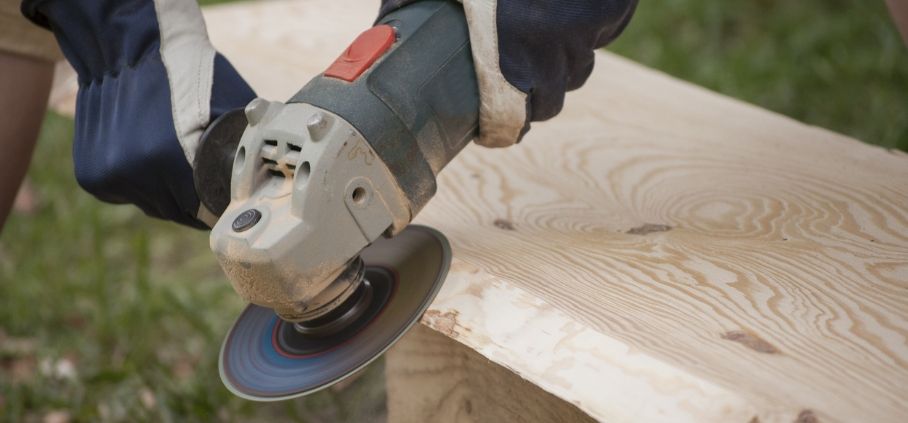
Many beginners think adding a wood-cutting disc makes an angle grinder as safe as a saw. But the shape, speed, and handling are very different. Saws have guards and guides to protect you and keep the cut straight. Angle grinders do not.
Frequently Asked Questions
Can You Use A Metal Cutting Disc To Cut Wood?
No, you should never use a metal cutting disc on wood. It is unsafe, causes kickback, and can break. Use only discs made for wood.
What Type Of Disc Is Best For Cutting Wood With An Angle Grinder?
The carbide-tipped wood cutting disc or a saw blade attachment is best. They are designed for wood and reduce kickback.
Is It Safe To Cut Wood With An Angle Grinder?
Cutting wood with an angle grinder is risky. Use the right disc, wear safety gear, and clamp the wood. For most jobs, a saw is safer.
What Should I Do If The Wood Burns Or Smokes While Cutting?
Stop cutting and check your disc. Wood burns when cut too fast or with a dull disc. Slow down, use a sharp disc, and avoid pushing too hard.
Can An Angle Grinder Cut Plywood?
Yes, it can cut plywood, but the edge will be rough and may splinter. Use a saw blade disc, move slowly, and sand the edge after cutting.
Final Thoughts
Angle grinders are powerful and flexible tools. They can cut wood, but only for rough jobs or when you don’t have a saw. The risks are real—kickback, splinters, burns, and accidents. If you want clean, safe, and accurate cuts, use a proper wood saw.
If you must use an angle grinder, choose the right disc, take safety seriously, and keep your tool clean.
For more detailed safety tips and tool guides, visit Wikipedia.
Cutting wood with an angle grinder is possible, but think twice before making it your first choice. Quality, safety, and results matter—use the best tool for the job.